Welcome to Hveragerdi
Nestled in the heart of Iceland's dramatic Suðurland region, Hveragerði is a town where the Earth's fiery heart breathes just beneath the surface. Known as the 'Hot Spring Town,' its very streets steam with geothermal energy, creating an otherworldly atmosphere where lush greenhouses thrive against a backdrop of rugged mountains. This unique location makes it a perfect and often quieter gateway to Iceland's famed Golden Circle route. While many visitors come for a day to witness the steaming vents and bubbling mud pots, the town's charm and central location invite a longer stay, with a selection of 7 hotels offering cozy accommodations at an average of around $143 per night. Hveragerði is more than a pit stop; it's a living testament to Iceland's ingenious use of nature's power, offering a warm welcome in a land of fire and ice.
Overview
Hveragerði's history is intrinsically linked to its geothermal activity. Following a major earthquake in 1896, new hot springs emerged, and settlers quickly harnessed this energy for heating and agriculture. This pioneering spirit defined the town, which officially gained its municipal status in 1978. Today, it's famous for its Geothermal Park, a surreal landscape of hissing fumaroles and boiling pools right in the town center, and its Greenhouse Village, where bananas, tomatoes, and flowers grow year-round thanks to the natural heat. The town is compact, centered around the main street of Breiðamörk, with residential areas spreading out towards the surrounding hills. Culturally, it's a community deeply connected to the land, with a strong focus on sustainability, local food production, and outdoor life. The iconic Hveragerði Church, with its distinctive architecture, stands as a modern landmark. The town's ultimate claim to fame is the Reykjadalur Valley, a stunning hiking destination leading to a naturally heated river where you can bathe surrounded by untouched wilderness.
🗓️ Best Time to Visit
The best time to visit Hveragerði depends on your desired experience. Summer (June-August) offers the Midnight Sun, long days for hiking, and the most comfortable temperatures (averaging 10-15°C/50-59°F). This is the peak tourist season, so attractions and accommodations are busiest. The shoulder seasons of May and September provide a wonderful balance of decent weather, fewer crowds, and the chance to see autumn colors or spring blooms. Winter (November-March) is cold, dark, and magical, with chances to see the Northern Lights. However, hiking trails like Reykjadalur can be icy and challenging. Major events are sparse but include the community-driven Hveragerði Festival in summer. For ideal conditions combining accessibility to trails and manageable tourist numbers, late May to early June and September are highly recommended.
🌤️ Weather & Climate
Hveragerði has a cool, temperate maritime climate characterized by cool summers, chilly but not extremely cold winters, and year-round precipitation. The town is often warmer than other parts of Iceland due to its geothermal activity, but weather can change rapidly.
Seasons
Winter
💨 Humidity: high
Cold, dark, and wet with frequent snow, rain, and sleet. Ideal for Northern Lights viewing and cozy geothermal pool visits. Daylight is very limited in December and January.
Spring
💨 Humidity: high
Unpredictable mix of rain, snow, and sunshine. Days grow longer rapidly. Nature begins to awaken, but trails can still be muddy or icy.
Summer
💨 Humidity: high
Mild and green with nearly 24 hours of daylight in June. The best time for hiking and outdoor activities, though rain and wind are still common.
Autumn
💨 Humidity: high
Cooling temperatures, increasing storms, and beautiful fall colors. A quieter time to visit before the winter darkness sets in.
Monthly Weather Details
January Weather
Best for: Northern Lights, geothermal pools
February Weather
Best for: Northern Lights, geothermal pools
March Weather
Best for: Late winter activities, increasing daylight
April Weather
Best for: Early spring sights, less crowded
May Weather
Best for: Hiking, spring blooms, good daylight
June Weather
Best for: Hiking, Midnight Sun, peak season
July Weather
Best for: Hiking, all outdoor activities, peak season
August Weather
Best for: Hiking, end of peak season
September Weather
Best for: Fall colors, hiking (early month), fewer crowds
October Weather
Best for: Autumn scenery, indoor geothermal focus
November Weather
Best for: Northern Lights, winter atmosphere
December Weather
Best for: Northern Lights, Christmas atmosphere
🎒 What to Pack
All Year Round
- waterproof and windproof jacket
- layered clothing (thermal base, fleece)
- sturdy waterproof hiking boots
- swimsuit and towel
- reusable water bottle
🚗 Getting Around
Hveragerði is a very walkable town. The main attractions like the Geothermal Park, church, and most shops and restaurants are within easy walking distance of each other. For the Reykjadalur trailhead, you can walk (about 20-30 minutes from the center) or drive to the parking lot. There is no local public bus system within the town itself. Regional Strætó buses connect Hveragerði to Reykjavík and other towns along the Ring Road, but schedules can be infrequent. Taxis are available but expensive; ride-sharing apps like Uber do not operate here. Renting a car is the most practical option for exploring the Golden Circle and surrounding areas independently. For airport transfers, Keflavík International Airport (KEF) is about a 50-minute drive. You can book private shuttle buses, take a taxi (very costly), or pick up a rental car at the airport. Biking is also a pleasant option in summer on the town's quiet streets.
🎯 Top Attractions
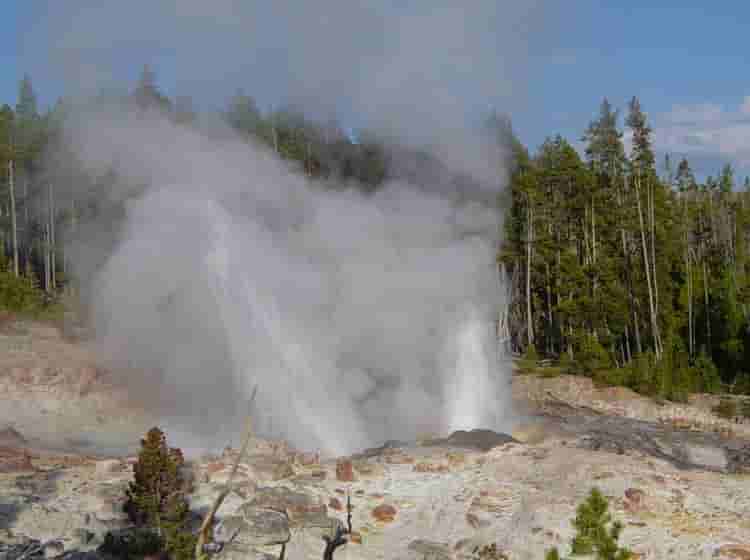
Geothermal Park
An area showcasing Iceland's geothermal activity with steam vents and hot springs.
Hveragerdi Greenhouse Village
Village known for greenhouses and local produce.
Reykjadalur Valley
Hiking trail through a geothermal river valley.
Hveragerdi Church
A charming Lutheran church in the heart of the town.
Reykjadalur Hot Spring River
A scenic hiking trail leading to a warm river perfect for bathing.
Geysir Hot Springs
Active geysers erupting every few minutes in a geothermal area.
Gullfoss Waterfall
A massive two-tiered waterfall known as the Golden Falls.
Thingvellir National Park
A UNESCO site with historical significance and tectonic plate views.
Hveragerdi Geothermal Park
A park showcasing hot springs, steaming vents, and geothermal greenhouses.
Golden Circle Route
Popular tourist route featuring waterfalls and geysers.
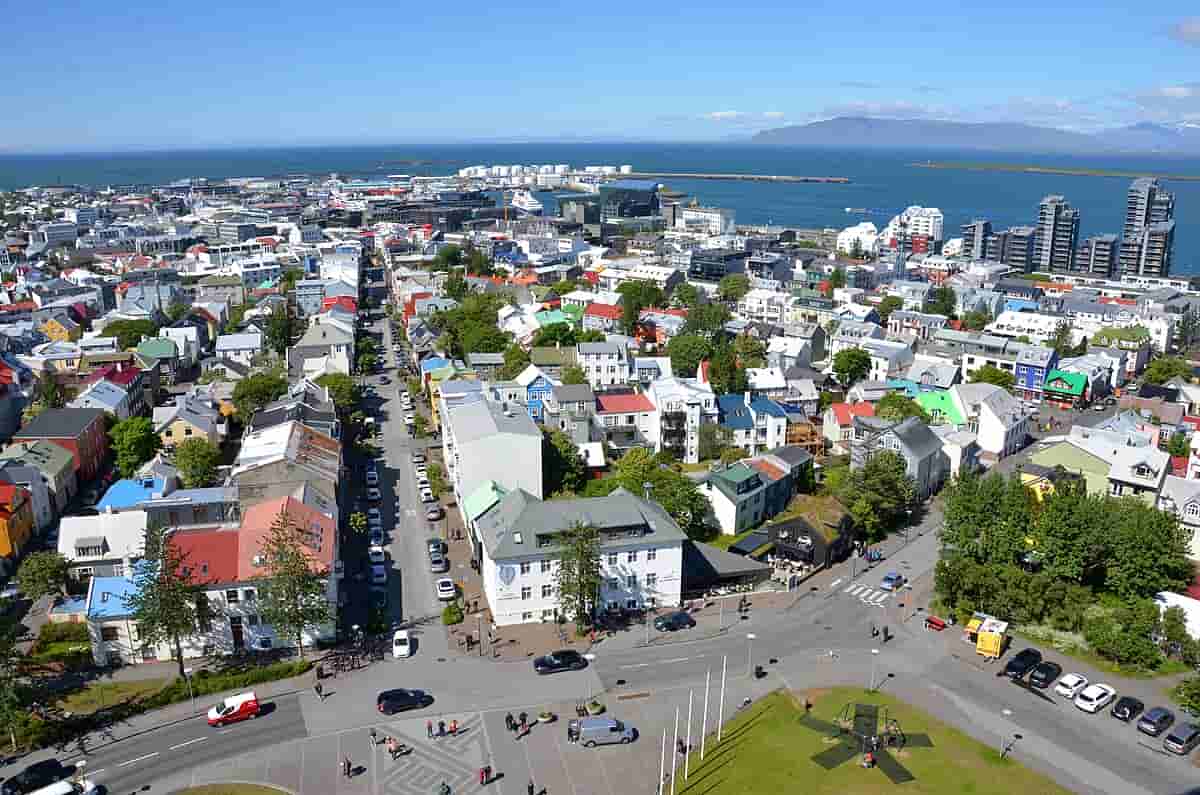
Reykjavik
Capital city with museums, dining, and nightlife.
Ölfusá River
A large river popular for salmon fishing and scenic walks.
🏘️ Neighborhoods
Town Center (Breiðamörk)
The heart of Hveragerði, home to shops, restaurants, the Geothermal Park, and the church. Everything is within walking distance, and the ground steams visibly.
Árholt
A quiet residential area on the western side of town, closer to the mountains. Offers beautiful views and a more local, suburban feel.
Hverhamar
Located near the eastern entrance to town, this area is known for its intense geothermal activity and greenhouses. It feels more industrial but is fascinating.
Reykjadalur Valley Area
Not a residential neighborhood, but the area surrounding the trailhead. Some accommodations here offer direct access to the hiking path into the hot spring river valley.
Southside Residential Areas
Quiet neighborhoods spreading south from the center, with views over the plains. A mix of older and newer homes, offering a genuine local atmosphere.
Golden Circle Route Corridor
The stretch of road leading into and out of Hveragerði, dotted with hotels, guesthouses, and some larger resorts designed for tour buses and road trippers.
🍽️ Local Cuisine
Hveragerði's cuisine is a celebration of geothermal power and Icelandic tradition. The town's greenhouses produce incredibly fresh vegetables, herbs, and even tropical fruits, making salads and locally-sourced dishes a highlight. Must-try foods include geothermal-baked rye bread (often cooked in the hot ground), fresh greenhouse tomatoes, and Icelandic lamb. Many restaurants incorporate these local ingredients. For a unique experience, try boiling eggs in a hot spring. Dining culture is casual; reservations are only needed for finer dining. Popular food areas are concentrated along Breiðamörk. Price ranges are high by global standards: a budget meal starts around $20, mid-range $30-50, and fine dining $70+. Tipping is not customary as service is included. Etiquette is straightforward; just be polite and patient. Don't miss the chance to enjoy a hot chocolate or coffee with a view of the steaming landscape.
💡 Local Tips
🚗 Day Trip Ideas
The Golden Circle (Classic Route)
Visit the mighty Gullfoss waterfall, the erupting Strokkur geyser at Geysir, and the historic tectonic rift at Þingvellir National Park.
Reykjavík
Explore Iceland's vibrant capital city for its museums, Hallgrímskirkja church, Harpa concert hall, and colorful old town.
South Coast Highlights
Drive past waterfalls like Seljalandsfoss and Skógafoss, visit the black sand beach at Reynisfjara, and see the glacier at Sólheimajökull.
Secret Lagoon (Gamla Laugin) & Friðheimar
Bathe in Iceland's oldest natural pool in Flúðir, then dine among tomato plants at the famous Friðheimar greenhouse restaurant.
Kerid Crater & Selfoss
Visit the stunning, vividly-colored Kerid volcanic crater lake and explore the charming town of Selfoss for shopping and dining.
Landmannalaugar Highlands (Summer Only)
A demanding but unforgettable trip into the rainbow-colored rhyolite mountains, requiring a 4x4 vehicle for the F-roads.
🛡️ Safety Tips
Hveragerði is an extremely safe town with very low crime. The primary risks are natural and environmental. Always stay on marked paths in geothermal areas; the ground can be thin, and boiling water lies just below the surface. Check weather and trail conditions before hiking to Reykjadalur, and be prepared for sudden changes. There are no common scams targeting tourists. Emergency number is 112 for police, ambulance, and fire. For health, tap water is perfectly safe to drink. Bring any necessary prescription medications. The main health concern is exposure; hypothermia is a risk even in summer if wet and windy. Always respect warning signs and barriers. Road safety is crucial if driving; beware of sheep on roads and winter conditions.
💰 Budget Guide
Iceland is expensive, and Hveragerði is no exception. A budget traveler can manage on $80-120 per day by staying in a hostel dorm (if available), cooking their own meals from grocery stores (like Krónan or Bónus), hiking for free activities, and using the regional bus. A mid-range budget of $150-250 per day covers a private hotel room ($140+), eating one meal out per day, joining a guided Golden Circle tour, and renting a car for a day. Luxury travel starts at $300+ per day for premium hotels, fine dining, private tours, and spa experiences. Money-saving tips: Book accommodation well in advance, especially in summer. Prioritize free attractions like the Geothermal Park and Reykjadalur hike. Buy alcohol at the duty-free upon arrival, as it's very expensive in bars. Consider visiting in the shoulder seasons for slightly lower prices.