Welcome to Huelva
Nestled where the Odiel and Tinto rivers meet the Atlantic in Spain's sun-drenched Andalusia, Huelva is a city of hidden maritime treasures and untamed natural beauty. Often overlooked by travelers rushing to Seville or the Costa del Sol, Huelva offers a raw, authentic Spanish experience steeped in history, from its pivotal role in the Age of Discovery to its vast, protected wetlands. This is a place of contrasts: a working port city with a quiet, unpretentious charm, where the legacy of Christopher Columbus is palpable, and the call of the wild from the nearby Doñana National Park is ever-present. With a manageable urban center and easy access to some of Europe's most pristine beaches and ecosystems, Huelva is perfect for a compact yet richly rewarding getaway. Visitors will find a welcoming atmosphere and a range of accommodations, with around 20 hotels offering an average nightly stay of $85.70, making it an accessible destination for those seeking both coastal relaxation and historical intrigue without the crowds.
Overview
Huelva's significance is deeply rooted in exploration. It was from the nearby port of Palos de la Frontera that Christopher Columbus set sail in 1492, a history celebrated throughout the city with monuments and museums. The 19th and 20th centuries saw a British influence from the Rio Tinto mining company, leaving an architectural legacy in neighborhoods like Reina Victoria. Culturally, Huelva is the heart of the 'Costa de la Luz' and is famous for its passionate religious festivals, particularly the Romería del Rocío, one of Spain's largest pilgrimages which culminates near Doñana. The city is famed for its exceptional seafood, its status as a gateway to the UNESCO-listed Doñana National Park—a critical refuge for Iberian lynx and migratory birds—and the stunning, windswept beaches of the coast. The main districts include the compact city center (Centro), the modern Isla Chica area, the historic Barrio Obrero, and the seaside suburb of Punta Umbría, easily reached by ferry. Huelva is a city that proudly connects its industrial present with its monumental past and breathtaking natural surroundings.
🗓️ Best Time to Visit
The best time to visit Huelva is during the spring (April to June) and early autumn (September to October). These seasons offer pleasantly warm temperatures, ideal for exploring the city, hiking in Doñana, and enjoying the beaches without the intense summer heat. Summer (July-August) is peak season, with hot, dry weather perfect for beach-goers, but it can be crowded, especially in coastal towns like Matalascañas. This is also when hotel prices are highest. Major events include the Holy Week (Semana Santa) processions in spring, the colossal Romería del Rocío in May or early June, and the Fiestas Colombinas in early August, celebrating the city's maritime history with fairs and concerts. Winter (November to March) is the off-peak season; it's mild but wetter, with some attractions having reduced hours. However, it's an excellent time for birdwatching in the marshes and enjoying the city without tourists.
🌤️ Weather & Climate
Huelva enjoys a Mediterranean climate with strong Atlantic influences, characterized by very mild, wet winters and hot, dry summers. The coastal location moderates extreme temperatures, but the 'Levante' wind can bring intense heat in summer.
Seasons
Spring
💨 Humidity: moderate
Pleasant and warm with blooming landscapes. Ideal for sightseeing and nature walks. Some rain is possible, especially in early spring.
Summer
💨 Humidity: moderate
Hot, dry, and sunny. Perfect for beach activities. The 'Levante' wind can make some days intensely hot. Evenings are warm.
Autumn
💨 Humidity: moderate
Warm start cooling to mild. Sea remains warm for swimming early in the season. Rainfall increases significantly in November.
Winter
💨 Humidity: high
Mild but the wettest season. Rarely any frost. Good for cultural visits indoors, but pack a raincoat and layers.
Monthly Weather Details
January Weather
Best for: indoor activities, city sightseeing
February Weather
Best for: city sightseeing, early nature walks
March Weather
Best for: sightseeing, hiking
April Weather
Best for: beach start, hiking, festivals
May Weather
Best for: beach, hiking, festivals
June Weather
Best for: beach, water sports
July Weather
Best for: beach, water sports
August Weather
Best for: beach, festivals
September Weather
Best for: beach, hiking, sightseeing
October Weather
Best for: sightseeing, hiking
November Weather
Best for: cultural visits, birdwatching
December Weather
Best for: indoor activities, city sightseeing
🎒 What to Pack
All Year Round
- sunscreen
- sunglasses
- comfortable walking shoes
🚗 Getting Around
Huelva's city center is compact and very walkable, with most key attractions within a 20-minute stroll. For longer distances, the local bus network (EMTUSA) is reliable and inexpensive, with single fares around €1.20. Taxis are readily available and affordable for short trips within the city. Ride-sharing services like Uber are not prominent; official taxis are the standard. A charming and unique way to travel is by taking the passenger ferry from Huelva's port to the beach town of Punta Umbría, a scenic 30-minute journey. For exploring the wider province and key sites like Doñana National Park or Muelle de las Carabelas, renting a car is highly recommended, as public transport to these rural areas is limited. The nearest major airport is in Seville (SVQ), about an hour away by car or direct bus. Faro Airport (FAO) in Portugal is also within a 90-minute drive. Taxis or pre-booked transfers are the best options from these airports to Huelva city.
🎯 Top Attractions
Doñana National Park
A UNESCO World Heritage Site and one of Europe's most important wetland reserves, renowned for its incredible biodiversity and birdwatching.
Muelle de las Carabelas
A fascinating museum and dock featuring full-size replicas of Columbus's ships, offering a journey back to the Age of Discovery.
Playa de Matalascañas
Sandy beach popular for swimming and sunbathing
Columbus Monument
A grand monument commemorating the departure of Christopher Columbus from the nearby Monastery of La Rábida.
Punta Umbria Beach
A beautiful sandy beach perfect for swimming and sunbathing.
Odiel Marshes Biosphere Reserve
Protected wetland area rich in birdlife and natural beauty
Huelva City Center
Historic city with monuments, shops, and dining options
Playa de la Antilla
Long sandy beach popular for swimming and water sports.
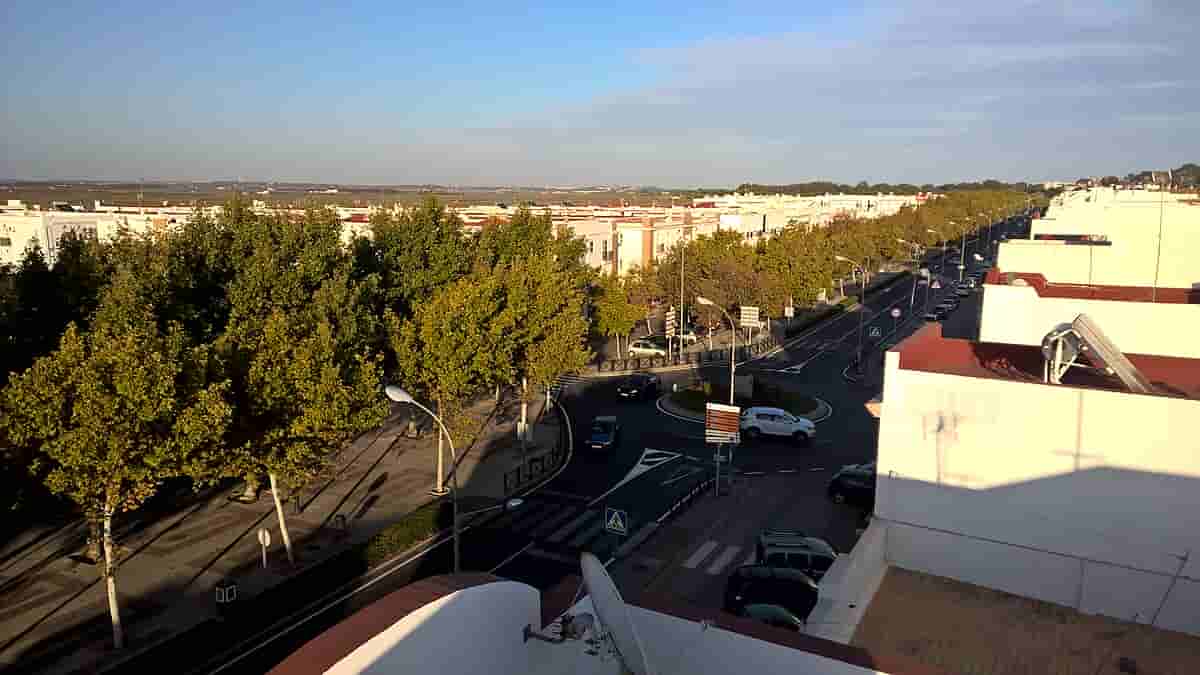
Isla Cristina
Coastal town known for its seafood and salt marshes.
Playa de Punta Umbría
Stunning sandy beach with clear waters and beautiful natural landscapes.
Marismas del Odiel Nature Reserve
Vast wetland habitat home to diverse bird species and tranquil hiking trails.
Palacio de Deportes de Huelva
Modern sports complex hosting a variety of events and activities.
🏘️ Neighborhoods
Centro (City Center)
The historic and commercial heart, home to the cathedral, main squares (Plaza de las Monjas), shopping streets, and many museums. Compact and walkable.
Isla Chica
A modern, residential and commercial area across the river. Features newer apartment blocks, shopping centers, parks, and a concentration of bars and restaurants.
Barrio Reina Victoria (Barrio Obrero)
A historic district of charming, colorful houses built for British mining workers. Unique Anglo-Andalusian architecture and a quiet, picturesque atmosphere.
Punta Umbría
A popular seaside resort town accessible by ferry from Huelva port. Known for its long sandy beach, seafood restaurants, and holiday atmosphere.
Zafra / El Torrejón
Residential areas to the north of the center, quieter with local shops and good transport links. Offers a more authentic local living experience.
El Conquero
A hilltop area west of the center, home to the Santuario de Nuestra Señora de la Cinta and the University. Offers panoramic views over the city and marshes.
🍽️ Local Cuisine
Huelva's cuisine is a paradise for seafood lovers, heavily influenced by its Atlantic coast and the bounty of its estuaries. Signature dishes include 'choco' (cuttlefish), often served fried or in a rich sauce, 'gambas blancas de Huelva' (prized white prawns), and 'langostinos' (king prawns). Don't miss the local 'jamón de Jabugo', one of Spain's finest cured hams, from the nearby Sierra. A must-try is 'pescaíto frito' (mixed fried fish) and 'tortillitas de camarones' (shrimp fritters). Dining culture is relaxed and social, with lunch being the main meal. For an authentic experience, head to the bars in the city center or the fishing neighborhoods for tapas. The Mercado del Carmen is a great spot to see fresh local produce. Price ranges are reasonable: a tapas plate can cost €3-6, a menú del día (set lunch) €10-15, and a fine seafood dinner €25-40 per person. Etiquette is informal; it's common to share dishes and a leisurely pace is expected.
💡 Local Tips
🚗 Day Trip Ideas
Doñana National Park
UNESCO World Heritage site, Europe's largest wetland, home to lynx, flamingos, and imperial eagles. Requires guided 4x4 tour.
Moguer & La Rábida Monastery
Historic town of Moguer, birthplace of poet Juan Ramón Jiménez, and the monastery where Columbus planned his voyage.
Seville
The magnificent capital of Andalusia, with its cathedral, Alcázar palace, and vibrant Triana district. Easy by train or car.
Aracena & Gruta de las Maravillas
Picturesque town in the Sierra de Aracena, famous for its jamón ibérico and a stunning network of underground caves.
Portugal's Algarve (Tavira/Faro)
Cross the border to explore the charming towns and beautiful beaches of the Eastern Algarve in Portugal.
El Rocío & Almonte
Visit the unique pilgrimage village of El Rocío, with sandy streets and the famous shrine, and the town of Almonte.
🛡️ Safety Tips
Huelva is generally a very safe city with a low crime rate. Violent crime against tourists is rare. Standard precautions apply: be aware of pickpockets in crowded areas like markets or during festivals, and don't leave valuables unattended on beaches. The city center is safe to walk at night in populated areas. There are no specific high-risk neighborhoods for tourists, but it's always wise to stay alert in less-lit areas. The main health recommendation is to use sunscreen diligently, as the Andalusian sun is strong even outside summer. Tap water is safe to drink. Emergency numbers are the standard European 112 for all emergencies. For non-urgent police matters, the National Police can be reached at 091. Driving near Doñana requires caution for wildlife crossings.
💰 Budget Guide
Huelva is a budget-friendly destination compared to other Spanish coastal cities. A budget traveler can manage on $50-70 per day: a hostel bed ($20-30), meals from markets and tapas bars ($15-20), public transport and walking ($5), and free/low-cost activities like beaches and city walks. Mid-range travelers should budget $100-150 daily: a comfortable hotel room ($70-90), sit-down meals with wine ($30-40), taxi rides and car rental for a day ($20-30), and paid attractions like Muelle de las Carabelas ($10). Luxury spending starts at $200+ per day: boutique hotels ($120+), fine dining seafood experiences ($60+), private tours of Doñana ($80+), and car rental. Money-saving tips: opt for the 'menú del día' for lunch, use the ferry to Punta Umbría as a cheap scenic cruise, visit many free natural attractions (beaches, marshes), and travel in the shoulder seasons for better hotel rates.