Welcome to Hong Kong
Hong Kong is a dazzling paradox where ancient traditions meet futuristic ambition, a vertical cityscape rises against misty green peaks, and East-West fusion creates a cultural dynamism unlike anywhere else. Officially the Hong Kong Special Administrative Region of China, this former British colony has evolved into a global financial hub while fiercely preserving its Cantonese soul. The city's energy is palpable from the moment you arrive—the symphony of MTR trains, the fragrant steam from dai pai dongs, the neon glow reflecting on Victoria Harbour. With its compact geography, you can ascend Victoria Peak for breathtaking panoramas, explore centuries-old temples, and shop in bustling markets all in one day. Accommodation is plentiful, with 922 hotels ranging from hostels in Mong Kok to five-star luxury in Central, averaging around $152 per night, catering to every traveler's style and budget. A recommended 4-5 day stay allows you to scratch beyond the glittering surface and discover the true rhythm of this 'Pearl of the Orient.'
Overview
Hong Kong's story is one of dramatic transformation. From a modest fishing village to a British colony acquired after the Opium Wars, and finally its 1997 handover to China under the 'one country, two systems' principle, its history is etched into its urban fabric. The city is famous as a global financial center, a shopping paradise, and a culinary capital. Culturally, it's a fascinating blend: Chinese traditions like feng shui and ancestor worship coexist with British-era legacies like double-decker trams and a common law system. The main districts each have distinct personalities. Hong Kong Island is the financial and administrative heart, with Central's skyscrapers and the residential slopes of Mid-Levels. Across Victoria Harbour, Kowloon offers gritty, authentic energy in places like Mong Kok and Yau Ma Tei, alongside the tourist-friendly Tsim Sha Tsui promenade. The New Territories provide a glimpse of traditional village life, while outlying islands like Lantau offer serene escapes. The city is renowned for its efficient public transport, its iconic skyline, and its status as a gateway to mainland China.
🗓️ Best Time to Visit
The best time to visit Hong Kong is during the autumn months (October to early December) and spring (March to April). Autumn brings clear blue skies, comfortable temperatures in the low to mid-20s°C (70s°F), and low humidity, making it ideal for hiking and outdoor exploration. Spring is pleasant but can be foggy. Winter (December–February) is cool and dry, perfect for city sightseeing, though temperatures can dip, requiring a light jacket. This period includes festive Chinese New Year celebrations (January/February), a vibrant but busy time. The summer (May–September) is the least comfortable season, characterized by high heat, oppressive humidity, and the threat of typhoons and torrential rain. This is the low season for tourism, though hotel rates are cheaper. Major events are spread throughout the year: the Hong Kong Arts Festival in February/March, the Dragon Boat Festival in June, the Mid-Autumn Festival in September, and the spectacular New Year's Eve fireworks over Victoria Harbour.
🌤️ Weather & Climate
Hong Kong has a humid subtropical climate, characterized by hot, wet summers and mild, dry winters. The city experiences distinct seasonal changes with a pronounced rainy season from May to September.
Seasons
Spring
💨 Humidity: high
Warming temperatures with increasing humidity and fog. Pleasant but can be unpredictable with occasional showers.
Summer
💨 Humidity: very high
Hot, humid, and rainy with frequent thunderstorms and the risk of typhoons. The least comfortable season for outdoor activities.
Autumn
💨 Humidity: moderate
The most pleasant season with clear skies, sunshine, and lower humidity. Ideal for all types of travel and hiking.
Winter
💨 Humidity: low
Cool and dry, sometimes chilly with occasional cold fronts. Perfect for city exploration and festive celebrations.
Monthly Weather Details
January Weather
Best for: sightseeing, cultural visits
February Weather
Best for: Chinese New Year festivities
March Weather
Best for: hiking, outdoor activities
April Weather
Best for: outdoor activities, beach start
May Weather
Best for: indoor attractions, early hikes
June Weather
Best for: museum visits, shopping
July Weather
Best for: indoor activities, typhoon watching
August Weather
Best for: indoor activities, shopping
September Weather
Best for: indoor attractions, Mid-Autumn Festival
October Weather
Best for: hiking, all outdoor activities
November Weather
Best for: sightseeing, hiking, ideal travel
December Weather
Best for: sightseeing, Christmas celebrations
🎒 What to Pack
All Year Round
- comfortable walking shoes
- lightweight layers
- umbrella or compact raincoat
- power adapter (UK-style)
🚗 Getting Around
Hong Kong boasts one of the world's most efficient and affordable public transportation systems. The Mass Transit Railway (MTR) is the backbone, clean, fast, and connecting almost all major districts. Purchase an Octopus card for seamless travel on the MTR, buses, trams, and ferries. Iconic double-decker trams (Ding Dings) on Hong Kong Island offer a cheap, scenic ride. For harbor crossings, the historic Star Ferry is a must-do for its unbeatable views. Buses and minibuses cover areas the MTR doesn't. Taxis are relatively inexpensive and color-coded: red for urban areas, green for the New Territories, blue for Lantau. Ride-hailing apps like Uber are also available. Walking is excellent in concentrated areas like Central, Tsim Sha Tsui, and Causeway Bay, though be prepared for footbridges and steep hills. Biking is not practical in the urban core but possible in the New Territories. From Hong Kong International Airport (HKG), the Airport Express train is the fastest way to the city (24 minutes to Central), while buses and taxis offer cheaper alternatives.
🎯 Top Attractions
Temple Street Night Market
Experience the vibrant energy of this bustling night market, featuring a wide array of street food, handicrafts, and local culture.
Yau Ma Tei MTR Station
A major subway station providing easy access to all of Hong Kong's key districts.
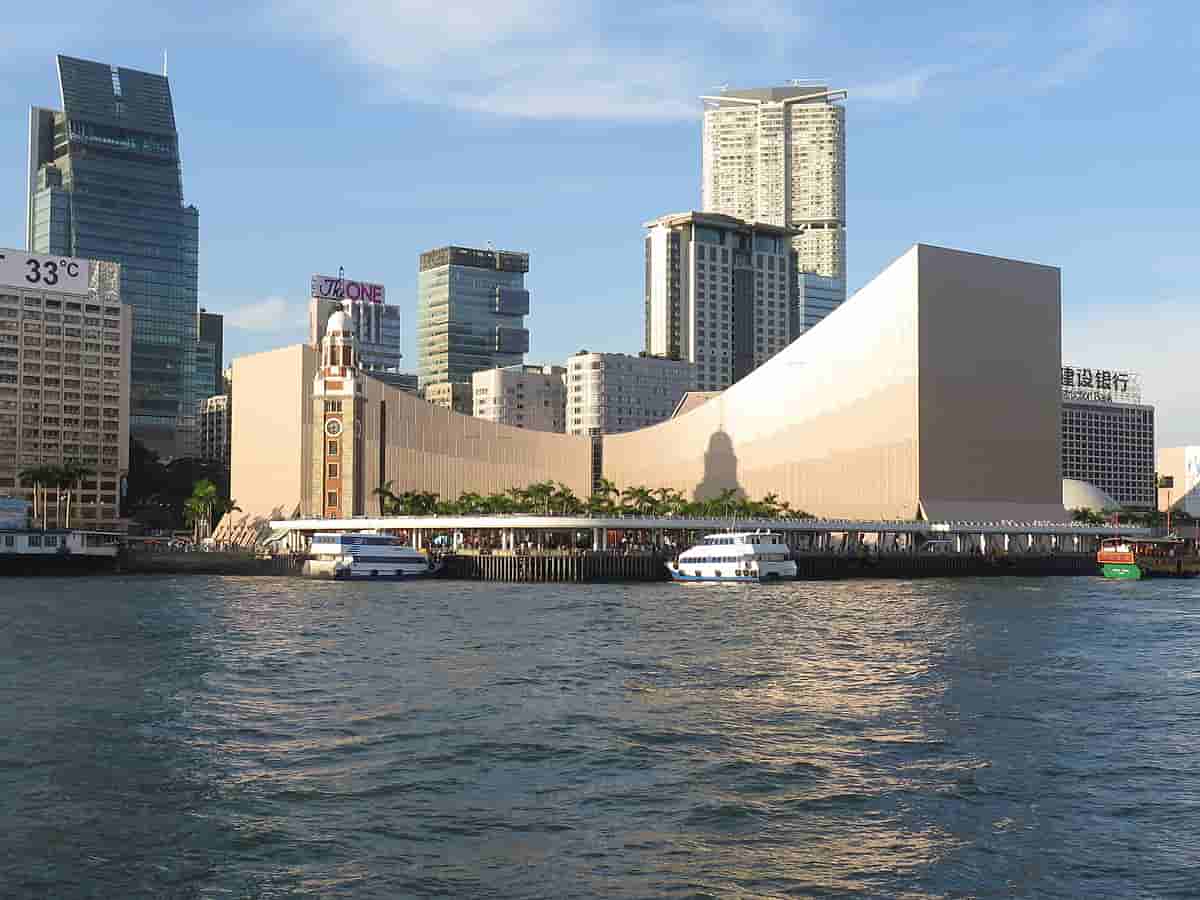
Hong Kong Cultural Centre
Venue for performances, exhibitions, and events overlooking Victoria Harbour.
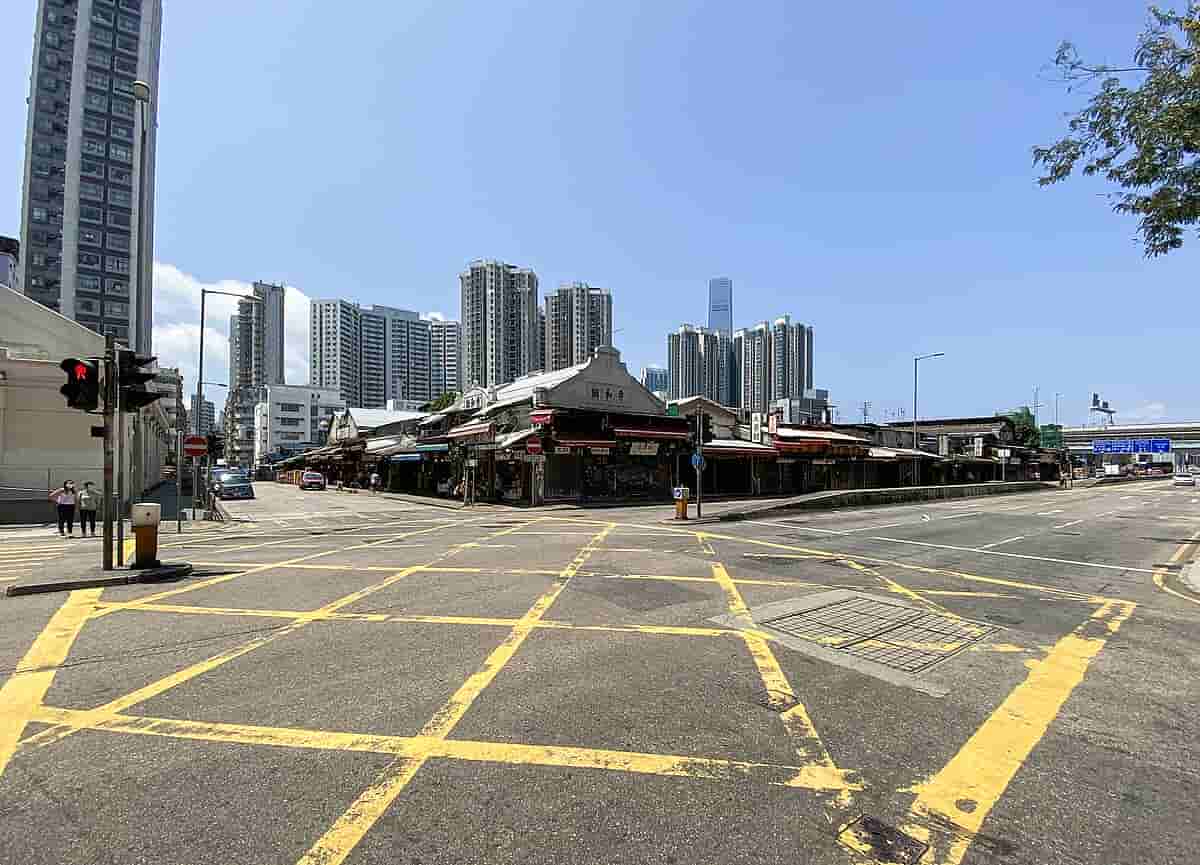
Yau Ma Tei Fruit Market
Busy wholesale market with fresh produce and lively atmosphere
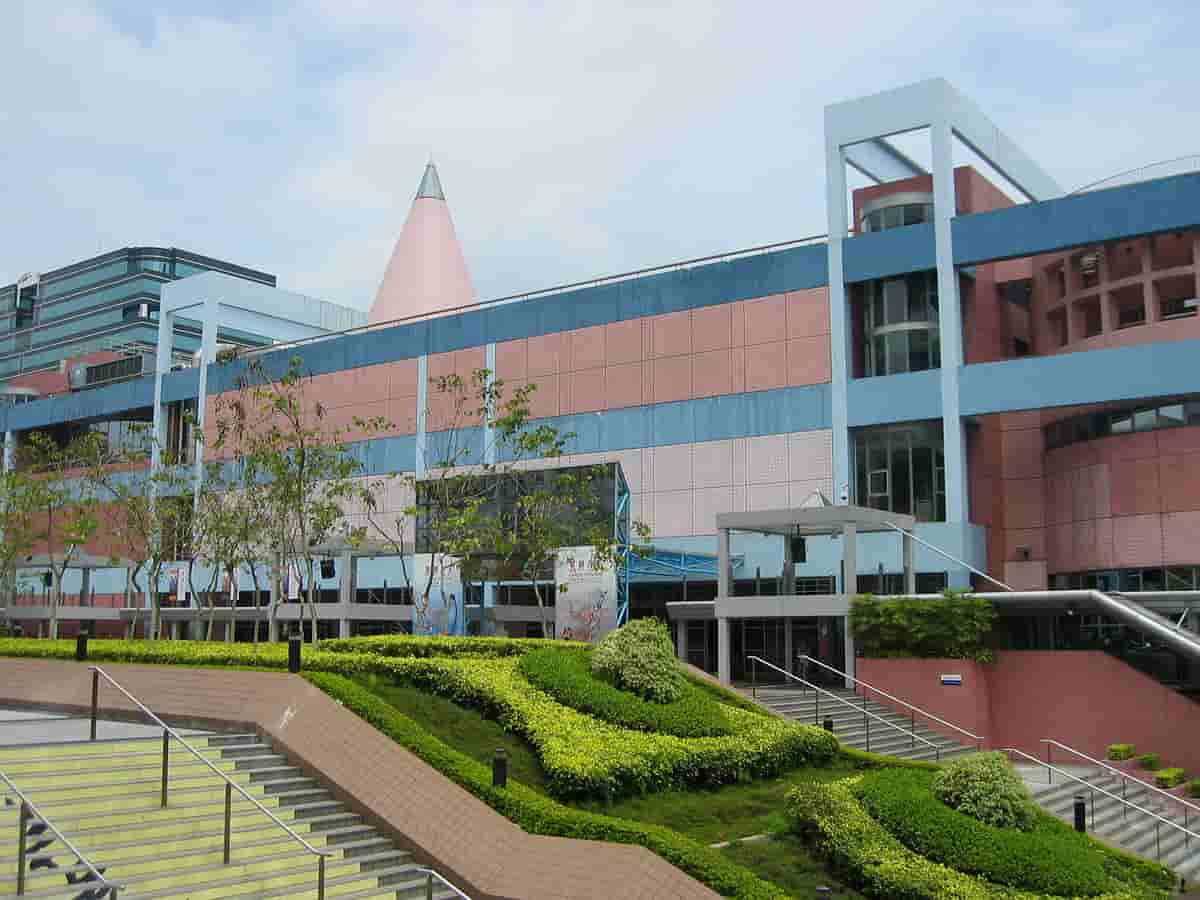
Hong Kong Science Museum
Interactive exhibits for all ages on science and technology
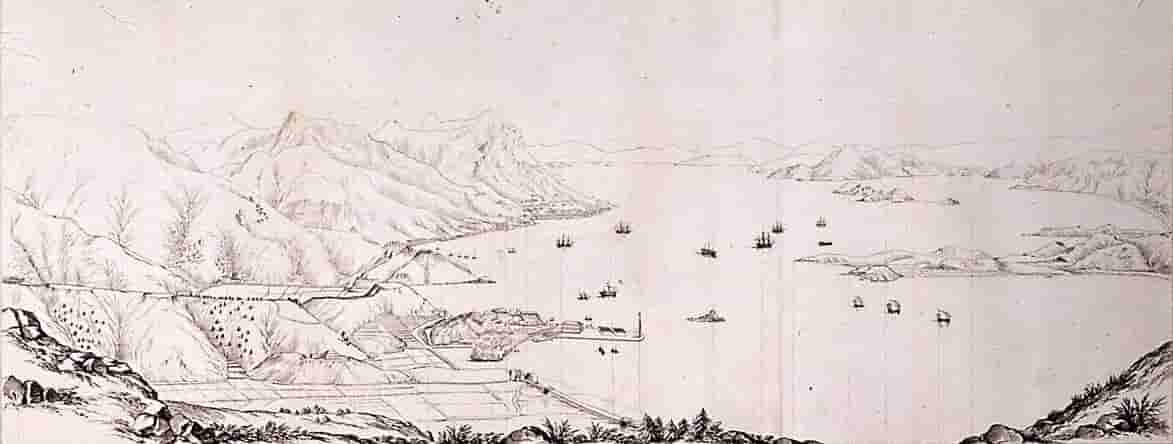
Victoria Harbour
A bustling waterfront with stunning views of the Hong Kong skyline, offering a variety of dining, entertainment, and sightseeing options.
Tsim Sha Tsui Promenade
A scenic waterfront promenade with stunning views of Victoria Harbour, ideal for evening strolls and watching the Symphony of Lights.
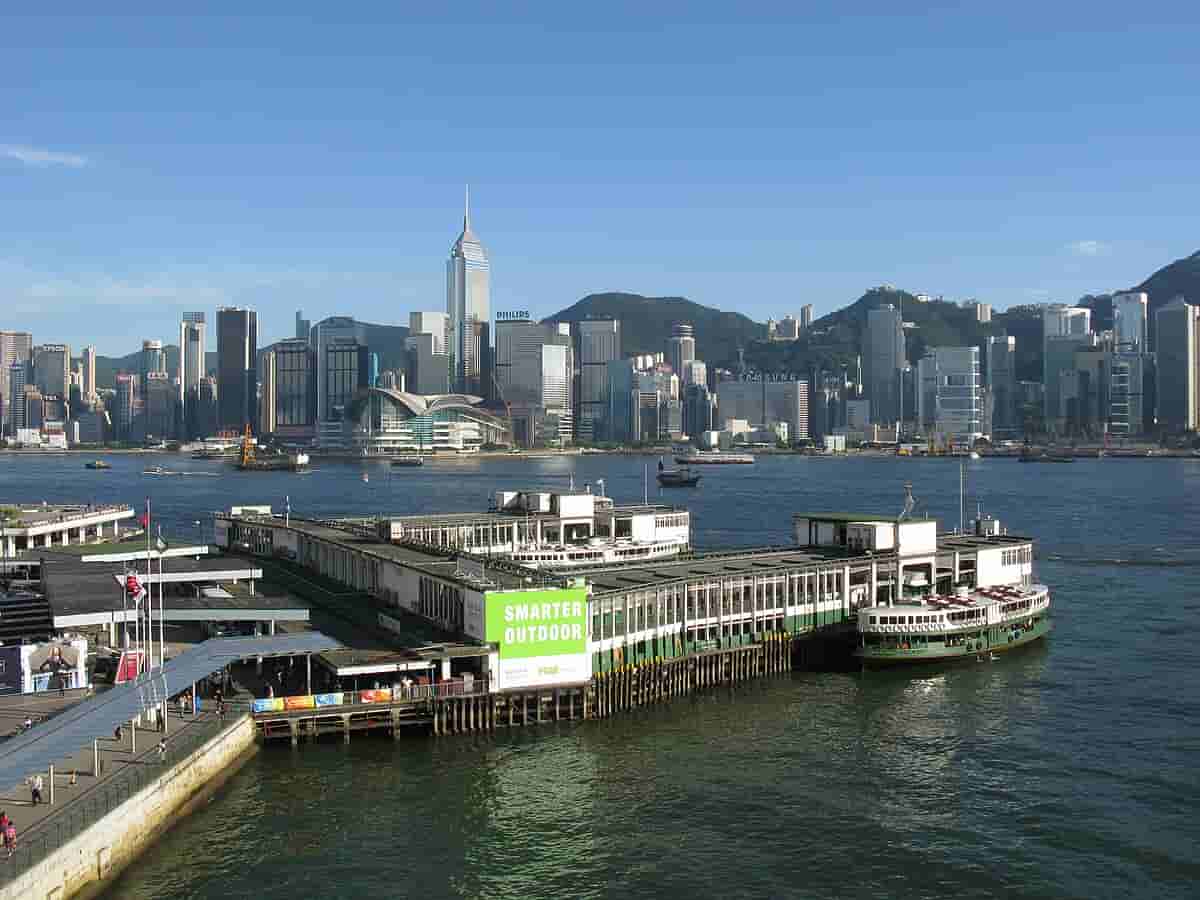
Star Ferry
An iconic ferry service providing scenic rides across Victoria Harbour between Hong Kong Island and Kowloon.
Ladies Market
Bustling street market selling clothing, accessories, and souvenirs.
Mong Kok MTR Station
Busy metro station providing easy access to Hong Kong's major districts.
Langham Place
A large shopping mall with a wide range of international brands and a cinema.
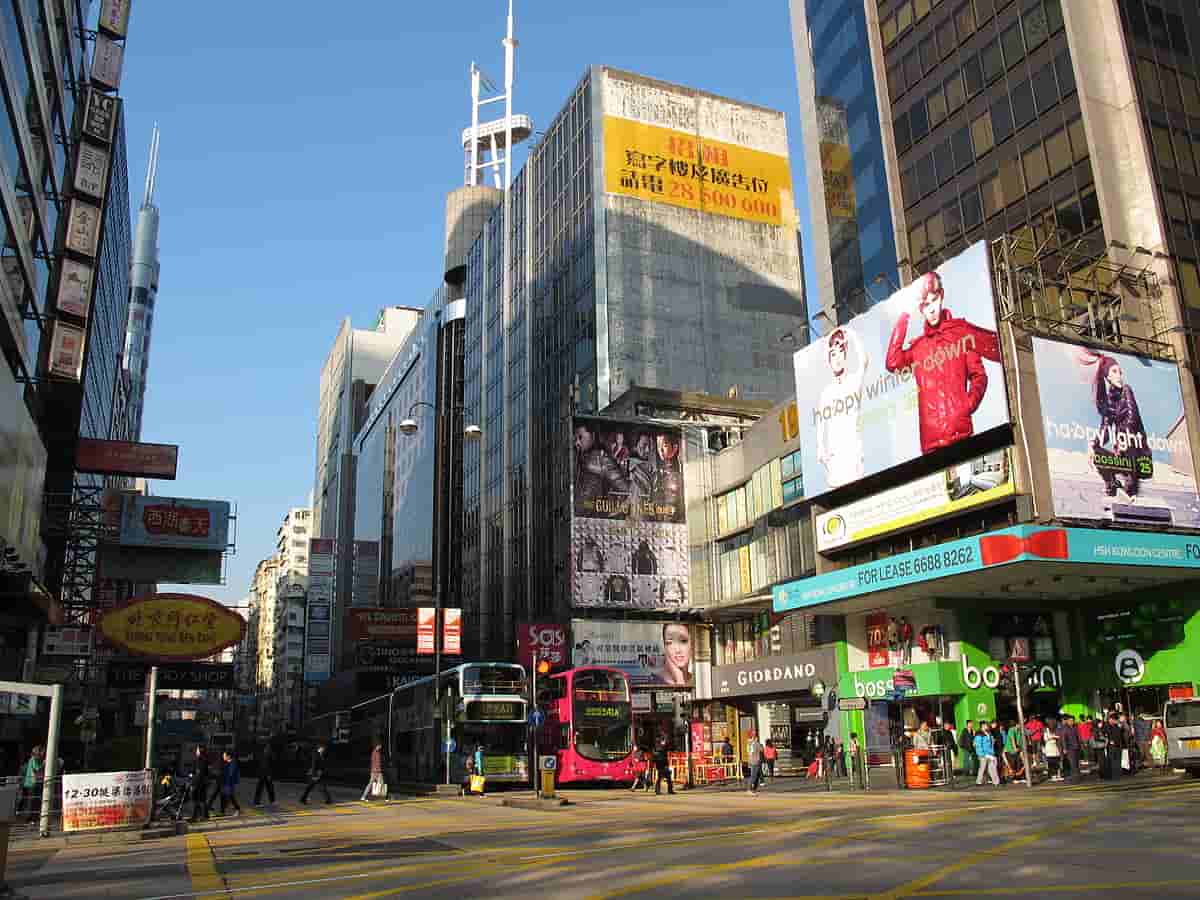
Nathan Road
Bustling shopping and entertainment district known for its historic buildings and lively markets.
🏘️ Neighborhoods
Central & Admiralty
The financial and administrative heart of Hong Kong Island, packed with skyscrapers, luxury malls, high-end dining, and historic landmarks like the Man Mo Temple.
Tsim Sha Tsui
The bustling tourist hub on Kowloon side, famous for its harborfront promenade, museums, colonial-era clock tower, and dense concentration of hotels and shops.
Wan Chai
A dynamic district blending old and new, with traditional wet markets, the iconic Blue House cluster, convention center, and vibrant nightlife along Lockhart Road.
Causeway Bay
One of the world's most crowded shopping districts, a neon-lit maze of department stores, Japanese boutiques, cinemas, and endless dining options.
Mong Kok
The quintessential, densely packed Kowloon neighborhood, pulsating with energy from its street markets, local eateries, and the famous 'Mong Kok' pedestrian scramble.
Sheung Wan
A trendy, up-and-coming area on Hong Kong Island known for its antique shops, hip cafes, art galleries, and the historic Hollywood Road.
Yau Ma Tei
An authentic, gritty neighborhood home to the Temple Street Night Market, historic fruit market, and the Jade Market, offering a slice of old Hong Kong.
Aberdeen & Ap Lei Chau
A southern waterfront district famous for its floating restaurants, typhoon shelter, and the massive Horizon Plaza outlet mall. A contrast to the central urban bustle.
🍽️ Local Cuisine
Hong Kong is a food lover's paradise, celebrated for its Cantonese cuisine and incredible diversity. The dining culture ranges from humble street stalls to Michelin-starred temples of gastronomy. Must-try signature dishes include dim sum (har gow, siu mai), roasted meats like char siu (barbecued pork) and crispy pork belly, wonton noodle soup, and comforting congee. For a unique local experience, visit a cha chaan teng (tea restaurant) for Hong Kong-style milk tea, pineapple buns with butter, and French toast. Seafood is superb, especially on outlying islands. Popular food areas are everywhere: Temple Street Night Market for open-air dining, Central's Graham Street for dai pai dongs, and Causeway Bay for trendy eateries. Price ranges are vast: a bowl of noodles can cost under $5 USD, a mid-range restaurant meal $15-$30, and high-end dining $100+. Etiquette is generally informal, though at nicer restaurants, it's polite to wait to be seated. Using chopsticks is standard, and it's customary to pour tea for others before yourself. Tipping is not expected but leaving small change is appreciated.
💡 Local Tips
🚗 Day Trip Ideas
Lantau Island
Visit the Tian Tan Buddha (Big Buddha), explore the Po Lin Monastery, and ride the Ngong Ping 360 cable car for spectacular views. Option to visit the traditional fishing village of Tai O.
Macau
A fascinating blend of Portuguese and Chinese cultures. Explore historic Senado Square, ruins of St. Paul's, and try Macanese egg tarts. Known for its casino resorts.
Shenzhen, China
A modern megacity in mainland China, perfect for tech shopping, theme parks like Window of the World, and experiencing the rapid development of the Pearl River Delta. Requires a visa for most nationalities.
Cheung Chau Island
A car-free island with a relaxed pace, famous for its seafood, hiking trail to the Mini Great Wall, and Bun Festival (if timed right). Great for cycling and beach time.
The New Territories (Sai Kung & Hong Kong UNESCO Global Geopark)
Explore the volcanic rock formations and sea caves of the Geopark by boat from Sai Kung town, followed by a seafood feast on the waterfront.
Ocean Park Hong Kong
A major marine-life theme park featuring animal exhibits, thrill rides, and aquarium shows. A great option for families.
🛡️ Safety Tips
Hong Kong is generally a very safe city for travelers, with low violent crime rates. However, standard precautions apply. Be vigilant against petty theft in crowded areas like markets and on public transport. Common scams include overcharging in some tourist-area bars or tailors, and 'tea house scams' where individuals befriend tourists and lead them to exorbitantly priced drinks. Be cautious in the dense, dark backstreets of Mong Kok and Yau Ma Tei late at night. Political demonstrations can occur; avoid large gatherings for safety. Emergency numbers are 999 for police, fire, and ambulance. Health-wise, tap water is safe to drink but has a different mineral content; bottled water is preferred. Air pollution can be high on some days; those with respiratory issues should check indices. Healthcare is excellent but expensive; ensure you have comprehensive travel insurance.
💰 Budget Guide
Hong Kong can be experienced on any budget, though it leans toward the expensive side. A budget traveler can manage on $50-75 USD per day: staying in hostels or guesthouses ($25-40), eating at cha chaan tengs and street food ($15), using public transport ($5), and enjoying free attractions like hiking and harbor views. Mid-range travelers should budget $150-250 daily: a comfortable hotel ($100-150), meals at nice local restaurants ($40), occasional taxis, and paid attractions like Peak Tram or museum entries. Luxury travel exceeds $400+ per day for five-star hotels, fine dining, private tours, and high-end shopping. Money-saving tips are key: get an Octopus card for transport discounts, eat where locals eat, visit free museums (many are free on Wednesdays), take the Star Ferry instead of harbor tours, hike the many free trails, and avoid drinking in Lan Kwai Fong where prices are inflated. Consider visiting in the humid summer for lower hotel rates.