Welcome to Hobart
Hobart, the captivating capital of Tasmania, is a city where history, wilderness, and avant-garde art collide at the edge of the world. Nestled on the banks of the Derwent River and cradled by the towering kunanyi / Mount Wellington, Hobart offers a unique blend of convict-era sandstone, vibrant markets, and a world-class museum that defies convention. As Australia's second-oldest city, its compact, walkable streets tell tales of maritime adventure and colonial ambition, while its modern soul is fiercely creative and deeply connected to the island's pristine environment. With a remarkable 111 hotels ranging from heritage stays to contemporary waterfront lodgings, averaging around $130 per night, finding a base to explore this southern gem is both accessible and varied. Whether you're here to wander the storied lanes of Battery Point, marvel at the provocative collections of MONA, or savor the freshest seafood imaginable, Hobart promises an experience that is intimate, surprising, and profoundly memorable.
Overview
Founded in 1804 as a penal colony, Hobart is a city steeped in layered history, visible in its beautifully preserved Georgian and Victorian architecture in areas like Battery Point and Salamanca Place. It is the gateway to Tasmania's wild landscapes and a hub for a culture defined by its isolation, resulting in a fiercely independent and creative spirit. The city is famously known for the Salamanca Market, a Saturday institution showcasing local produce and crafts, and the Museum of Old and New Art (MONA), an underground labyrinth of provocative art that has put Hobart firmly on the global cultural map. The city's districts each offer a distinct flavor: the waterfront bustles with ferries and fresh fish, the CBD blends shopping with historic sites, and the foothills of Mount Wellington provide access to breathtaking wilderness within minutes. Hobart's identity is intrinsically linked to the sea, the mountain, and a thriving food and drink scene that celebrates Tasmania's clean, cool-climate bounty.
🗓️ Best Time to Visit
The best time to visit Hobart is during the summer and early autumn months (December to March), when days are long, sunny, and warm, perfect for outdoor activities, festivals, and ferry rides. This is peak tourist season, with the city buzzing during events like the Sydney to Hobart Yacht Race finish (late December) and the iconic Taste of Tasmania food festival. Spring (September to November) brings blooming gardens and milder weather, ideal for hiking Mount Wellington, though conditions can be changeable. Winter (June to August) is the off-peak season, characterized by crisp, cold days, occasional snow on the mountain, and lower accommodation rates. This season hosts the renowned Dark Mofo winter festival, a celebration of art, music, and food that embraces the cold and dark with fiery spectacle. While winter requires warm clothing, it offers a uniquely atmospheric and less crowded experience.
🌤️ Weather & Climate
Hobart has a temperate maritime climate with four distinct seasons. Summers are mild and pleasant, while winters are cool with occasional frosts. Weather can change rapidly, especially on Mount Wellington.
Seasons
Summer
💨 Humidity: moderate
Warmest and driest season with long daylight hours. Ideal for outdoor activities and festivals.
Autumn
💨 Humidity: moderate
Mild and settled weather with beautiful foliage. A great time for hiking and wine tasting.
Winter
💨 Humidity: high
Cold and damp, with snow on Mount Wellington. Perfect for cozy pub visits and winter festivals.
Spring
💨 Humidity: moderate
Unpredictable mix of sunny, windy, and showery days. Gardens bloom and wildlife is active.
Monthly Weather Details
January Weather
Best for: festivals, beaches, sightseeing
February Weather
Best for: outdoor activities, hiking
March Weather
Best for: wine tours, hiking
April Weather
Best for: autumn foliage, sightseeing
May Weather
Best for: museum visits, cozy dining
June Weather
Best for: winter festivals, indoor art
July Weather
Best for: Dark Mofo, pub culture
August Weather
Best for: wildlife watching, history
September Weather
Best for: spring blooms, hiking
October Weather
Best for: garden visits, sightseeing
November Weather
Best for: outdoor markets, cycling
December Weather
Best for: yacht race, Christmas festivities
🎒 What to Pack
All Year Round
- layered clothing
- waterproof jacket
- comfortable walking shoes
- sunglasses
- sunscreen
🚗 Getting Around
Hobart is a compact city where the central areas, waterfront, and Battery Point are easily explored on foot. The Metro Tasmania bus network provides public transport to suburbs and major attractions like the Botanic Gardens; a Greencard offers cheaper fares than cash. For trips to MONA, the dedicated MR-1 fast ferry from Brooke Street Pier is a memorable experience and part of the attraction. Taxis and ride-sharing services like Uber are readily available in the city center. Renting a car is highly recommended for day trips to surrounding regions like the Huon Valley or Tasman Peninsula, offering the ultimate flexibility. Hobart International Airport is about a 20-minute drive from the city; the Airporter shuttle bus provides a cost-effective transfer, while taxis and ride-shares offer door-to-door convenience. Biking is a growing option, with some dedicated paths, though the city's hills can be challenging.
🎯 Top Attractions
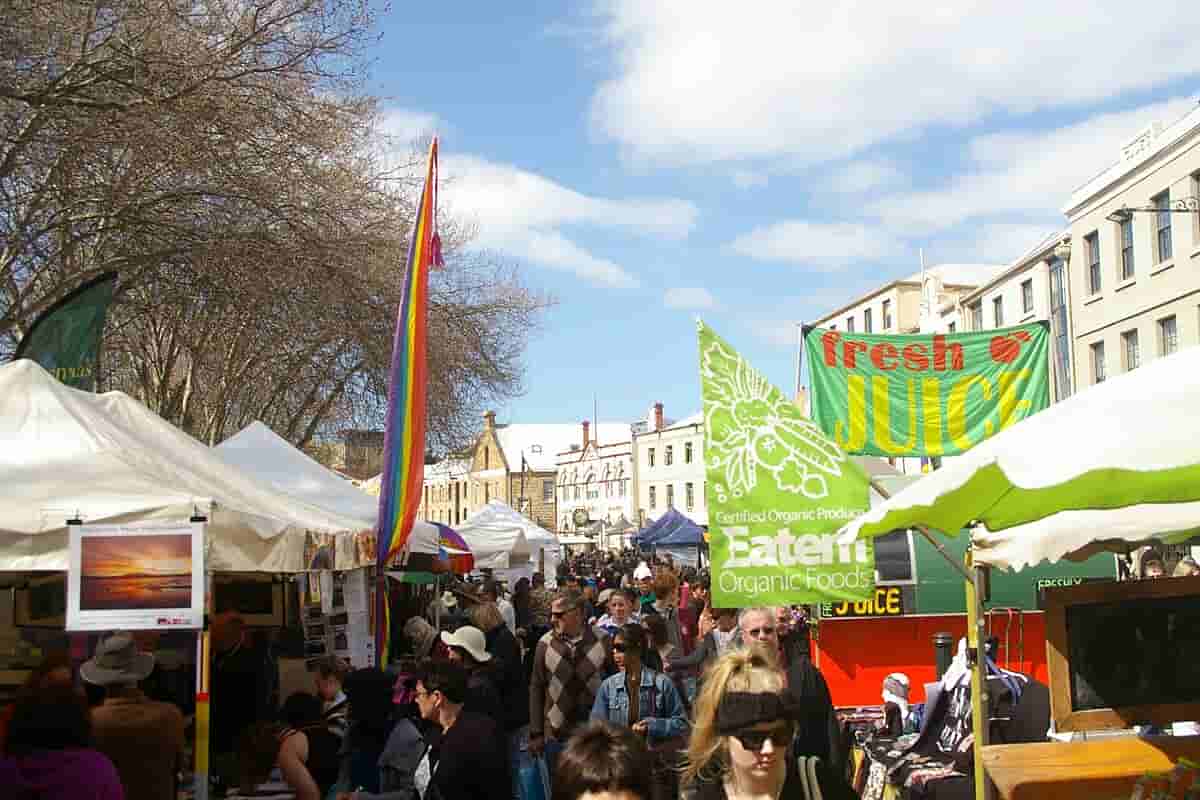
Salamanca Market
Explore the vibrant Salamanca Market, one of the largest outdoor markets in Australia, featuring local artisans, fresh produce, and live music.
Mount Wellington
Majestic mountain offering panoramic views of Hobart and the surrounding landscape, with hiking trails and scenic lookouts.
MONA (Museum of Old and New Art)
Discover cutting-edge contemporary art and experience the unique architecture of this world-renowned museum.
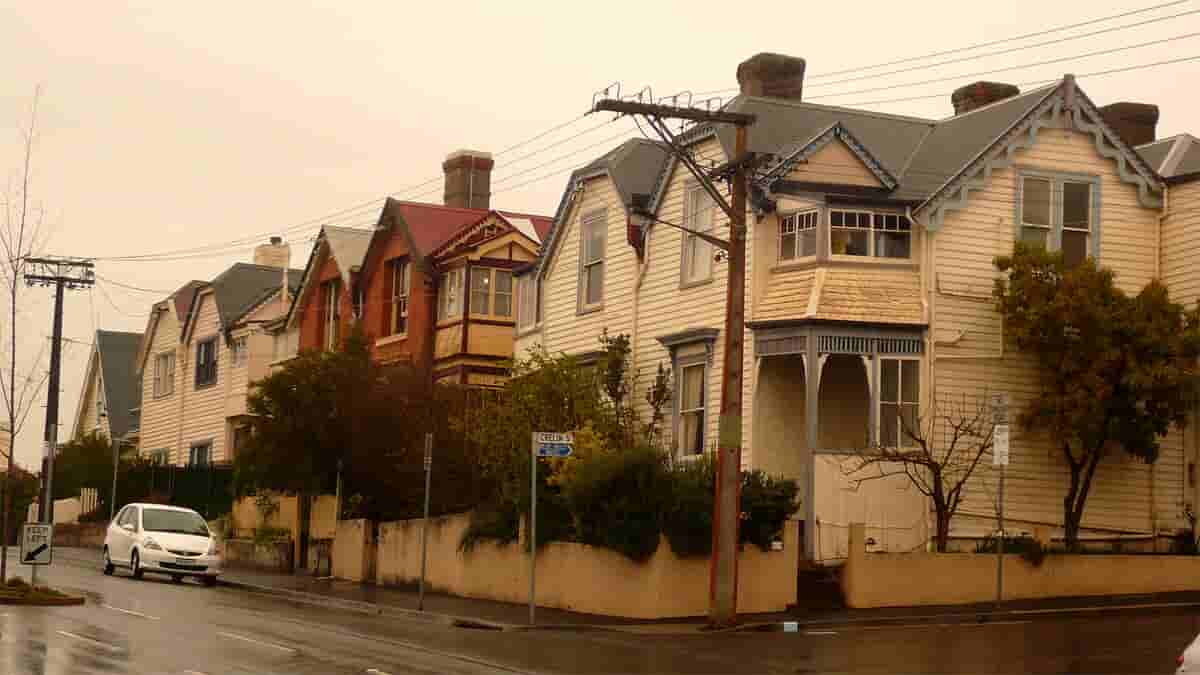
Battery Point
A charming historic suburb with beautifully preserved colonial cottages, quaint cafes, and stunning waterfront walks.
MONA Ferry Terminal
Gateway to the Museum of Old and New Art via scenic river cruise

MONA Ferry
Ferry to Museum of Old and New Art with scenic rides
MONA
Museum of Old and New Art, known for its controversial and innovative exhibits.
Kangaroo Bluff
Historic battery site with stunning views of the Derwent River.
Mona Museum
A world-renowned art museum with contemporary exhibits.
MONA Museum
Museum of Old and New Art with contemporary exhibits and underground galleries.
Kings Park and Garden
A majestic urban park with views of the harbor and botanical gardens.
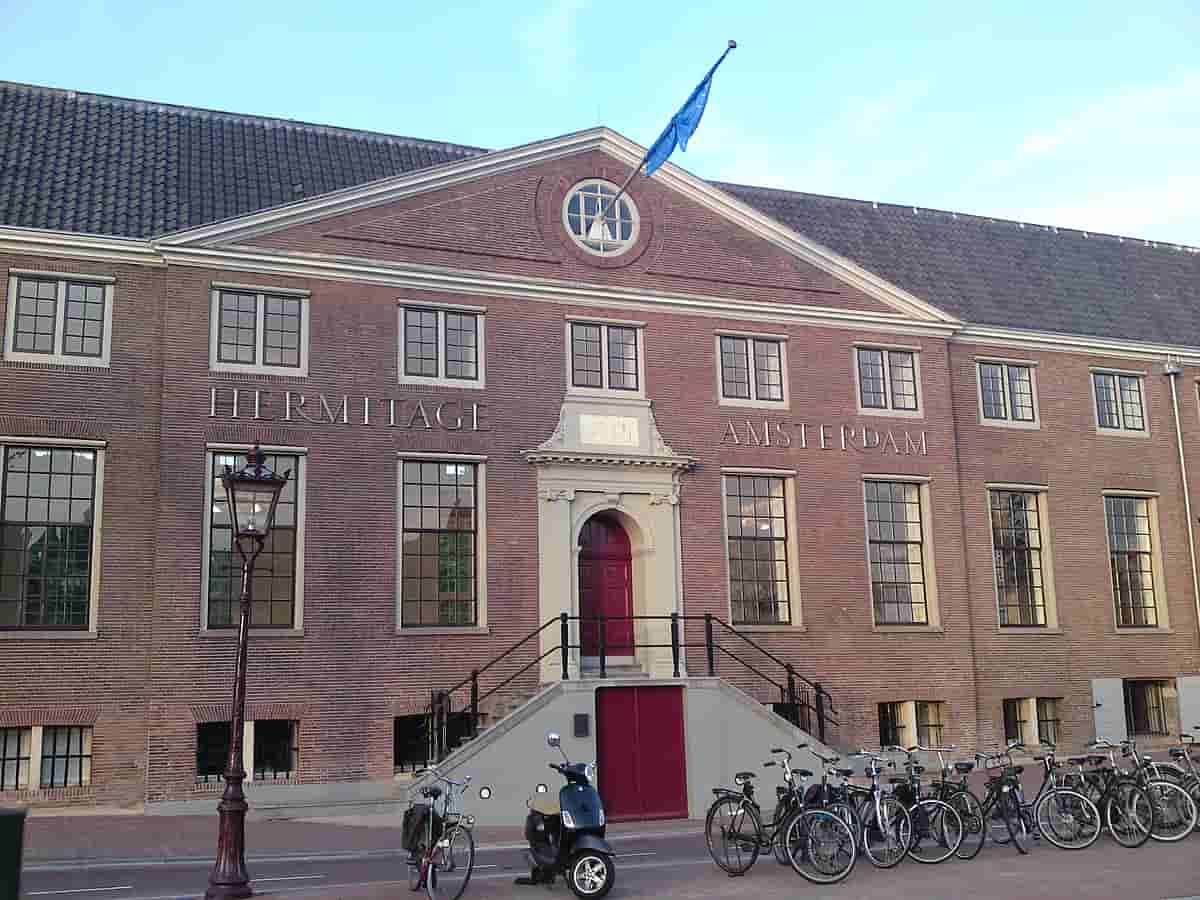
Hobart Museum
A cultural hub displaying Tasmania's rich history and heritage.
🏘️ Neighborhoods
City Centre (CBD)
The commercial heart with shopping streets, historic landmarks like the Town Hall, and a mix of hotels and eateries. Compact and walkable.
Waterfront & Salamanca
The historic soul of Hobart, featuring the Constitution Dock, fishing boats, Salamanca Place's Georgian warehouses, galleries, and the Saturday market.
Battery Point
A charming, historic residential village on a hill overlooking the harbor, with quaint cottages, narrow lanes, and cozy cafes.
North Hobart (NoHo)
A vibrant, eclectic strip known for its diverse international restaurants, independent cinemas, live music venues, and trendy bars.
Sandy Bay
A leafy, upscale suburb close to the city and university, featuring the Royal Tasmanian Botanical Gardens and views of the Derwent River.
New Town
A residential area with a lovely village feel, good local cafes and shops, and proximity to the Queen Victoria Museum at Inveresk.
Bellerive & Eastern Shore
Residential suburbs across the Tasman Bridge offering stunning views back to the city and Mount Wellington, with a relaxed pace.
🍽️ Local Cuisine
Hobart's cuisine is a celebration of Tasmania's pristine environment, focusing on ultra-fresh, local produce. Signature dishes include wild abalone, leatherwood honey, Bruny Island oysters, and wallaby. Must-try experiences are fish and chips with scallops from the waterfront, a cheese platter featuring local varieties, and a meal at a gastropub paired with a craft beer or cool-climate wine from the nearby Coal River Valley. The dining culture ranges from casual waterfront sheds to award-winning fine dining restaurants. Salamanca Place and the waterfront are major food hubs, while the city center and North Hobart ("NoHo") strip offer diverse, trendy options. Price ranges vary from affordable bakery pasties and market stalls to high-end tasting menus. Etiquette is generally relaxed; booking is essential for popular restaurants. Tipping is appreciated but not mandatory.
💡 Local Tips
🚗 Day Trip Ideas
Port Arthur Historic Site
A UNESCO-listed convict settlement with hauntingly beautiful ruins and a rich, somber history.
Bruny Island
An island of stunning coastal scenery, wildlife (fur seals, penguins), gourmet food producers, and the famous Neck lookout.
Richmond
A charming historic village home to Australia's oldest bridge and gaol, with lovely cafes, galleries, and nearby vineyards.
Huon Valley
The heart of Tasmania's apple country, offering cider tasting, the Tahune AirWalk in the forest, and picturesque towns like Cygnet.
Mount Field National Park
Home to Russell Falls, tall swamp gum forests, and alpine landscapes. Great for easy walks or more challenging hikes.
Coal River Valley Wine Region
A compact wine region close to the city, perfect for a relaxed afternoon of cool-climate wine tasting at cellar doors.
🛡️ Safety Tips
Hobart is generally a very safe city with a low crime rate. Standard precautions apply: be aware of your surroundings at night, especially in quieter areas, and secure your valuables. There are no prevalent tourist scams, but always use licensed taxis or recognized ride-sharing apps. When hiking on Mount Wellington or in other wilderness areas, be prepared for sudden weather changes; tell someone your plans, carry water, and wear appropriate gear. The sun can be strong even on cool days, so use sunscreen. Emergency number is 000 for police, fire, or ambulance. Tap water is safe to drink. Medical facilities are excellent, but travel insurance is still recommended.
💰 Budget Guide
Hobart can cater to various budgets. A budget traveler can manage on roughly AUD $80-120 per day by staying in hostel dorms (from $35), enjoying market food and cheap eats (meal $10-20), using public transport, and visiting free attractions like the Botanic Gardens and hiking. Mid-range travelers should budget AUD $150-300 daily for a comfortable hotel room (around the $130 average), cafe lunches and nice dinners ($30-60 per meal), occasional taxis, and paid attractions like MONA ferry entry. A luxury budget of AUD $400+ per day covers boutique hotels, fine dining, private tours, and car rental. Money-saving tips: visit in the off-peak winter for lower rates, utilize the free city shuttle bus (when operating), self-cater using produce from Salamanca Market, and prioritize free walks and museum entry times.