Welcome to Hamamatsu
Nestled along the Pacific coast in Shizuoka Prefecture, Hamamatsu is a dynamic city that masterfully blends industrial innovation with serene natural beauty. Often called the 'City of Music' for its storied instrument manufacturing and the 'City of Gyoza' for its beloved dumplings, Hamamatsu offers a multifaceted experience far beyond the typical tourist trail. It serves as a gateway to the stunning Lake Hamana, a vast brackish lagoon famous for its eel and oysters, and is framed by views of the distant Southern Alps. The city's skyline is dominated by the sleek Act Tower, a symbol of its modern aspirations, while its history is preserved in the stone walls of Hamamatsu Castle. With a comfortable and accessible accommodation scene offering 101 hotels at an average of $92.51 per night, visitors can easily find a base to explore this compelling mix of culture, cuisine, and coastline over a recommended 2-3 day stay.
Overview
Hamamatsu's history is deeply intertwined with power and craftsmanship. It rose to prominence in the 16th century under Tokugawa Ieyasu, who expanded Hamamatsu Castle, using it as a crucial base before unifying Japan. This samurai legacy is palpable in the city's layout and historical sites. In the modern era, Hamamatsu became an industrial powerhouse, home to global giants like Yamaha, Suzuki, and Kawai, earning its musical and mechanical reputation. Culturally, the city is vibrant, hosting Japan's largest kite festival every May. The main districts include the bustling area around JR Hamamatsu Station, the commercial and administrative hub near City Hall and Act City, and the relaxed resort zones around Lake Hamana and the Nakatajima Sand Dunes. Hamamatsu is famous for its unagi (freshwater eel), gyoza, and as a center for motor and musical instrument production, creating a unique identity where tradition and technology harmonize.
🗓️ Best Time to Visit
The best times to visit Hamamatsu are spring (March to May) and autumn (October to November). Spring offers mild temperatures and the spectacular blooming of Hamamatsu Flower Park, culminating in the world-renowned Hamamatsu Festival (Kite Fighting Festival) in early May, a vibrant cultural spectacle. Autumn provides crisp, clear skies, comfortable weather perfect for exploring castles and dunes, and stunning fall foliage around Lake Hamana. Summer (June to September) is hot, humid, and rainy, with the rainy season (tsuyu) in June/July, though it's peak season for lake activities and fireworks festivals. Winter (December to February) is cool and dry, ideal for onsen (hot springs) around Lake Hamana and crowd-free sightseeing, but some outdoor attractions may be less vibrant. Peak tourist seasons align with major festivals and Golden Week (late April/early May).
🌤️ Weather & Climate
Hamamatsu has a humid subtropical climate with four distinct seasons. Summers are hot and humid with significant rainfall, while winters are generally mild and dry. The region is also prone to typhoons in late summer and early autumn.
Seasons
Spring
💨 Humidity: moderate
Pleasant and mild, perfect for cherry blossoms and outdoor festivals. Evenings can be cool.
Summer
💨 Humidity: high
Hot, humid, and rainy. The rainy season (tsuyu) occurs in June/July. Risk of typhoons in August/September.
Autumn
💨 Humidity: moderate
Warm and comfortable early on, becoming crisp and cool. Ideal for sightseeing and fall colors.
Winter
💨 Humidity: low
Cool and dry with plenty of sunny days. Rarely snows in the city. Great for onsen visits.
Monthly Weather Details
January Weather
Best for: castle visits, onsen
February Weather
Best for: indoor museums, early plum blossoms
March Weather
Best for: flower park, hiking
April Weather
Best for: cherry blossoms, general sightseeing
May Weather
Best for: Hamamatsu Festival, sand dunes
June Weather
Best for: hydrangea viewing, indoor activities
July Weather
Best for: beach, lake activities, fireworks
August Weather
Best for: festivals, lake swimming, risk of typhoons
September Weather
Best for: grape picking, early autumn sights
October Weather
Best for: outdoor exploration, food tours
November Weather
Best for: fall foliage, temple visits
December Weather
Best for: illuminations, onsen, year-end shopping
🎒 What to Pack
All Year Round
- comfortable walking shoes
- umbrella or compact raincoat
- power adapter
- reusable water bottle
🚗 Getting Around
Hamamatsu is efficiently navigated by public transport. The JR Tokaido Shinkansen and local JR lines connect major areas, with Hamamatsu Station as the primary hub. The Enshu Railway line services areas north of the station. Buses, operated by Enshu Bus, cover extensive routes, including to Lake Hamana and Air Park. For flexibility, renting a bicycle is excellent for exploring the flat city center and coastal dunes, with rental shops near the station. Taxis are readily available but expensive; ride-sharing apps are not prevalent. Walking is pleasant in central districts. For airport transfers, Hamamatsu is roughly 90 minutes by bus or train from Chubu Centrair International Airport (NGO) via Nagoya. A rental car is highly recommended for exploring the Lake Hamana area and for day trips, offering the most freedom. Public transport costs are moderate; a one-day bus pass is a cost-effective option.
🎯 Top Attractions
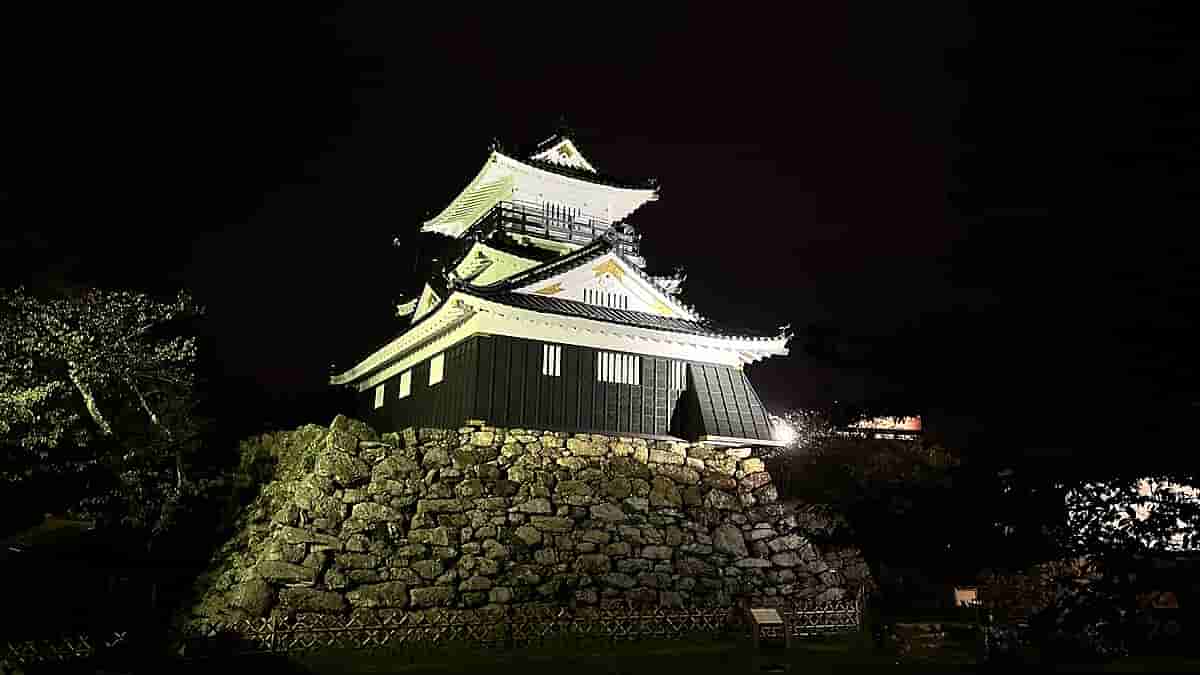
Hamamatsu Castle
Impressive historic castle with beautiful gardens and panoramic views of the Tenryu River.
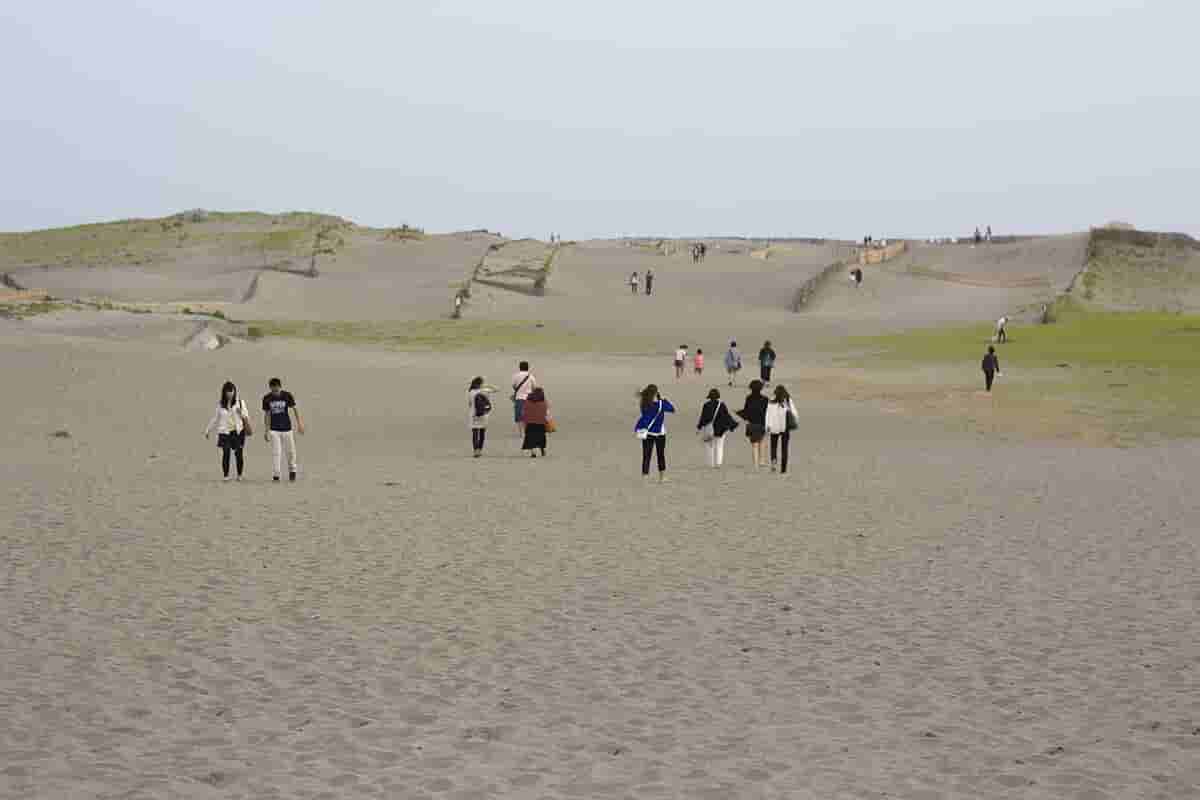
Nakatajima Sand Dunes
Sand dunes along the coast, important for sea turtle nesting and scenic walks.
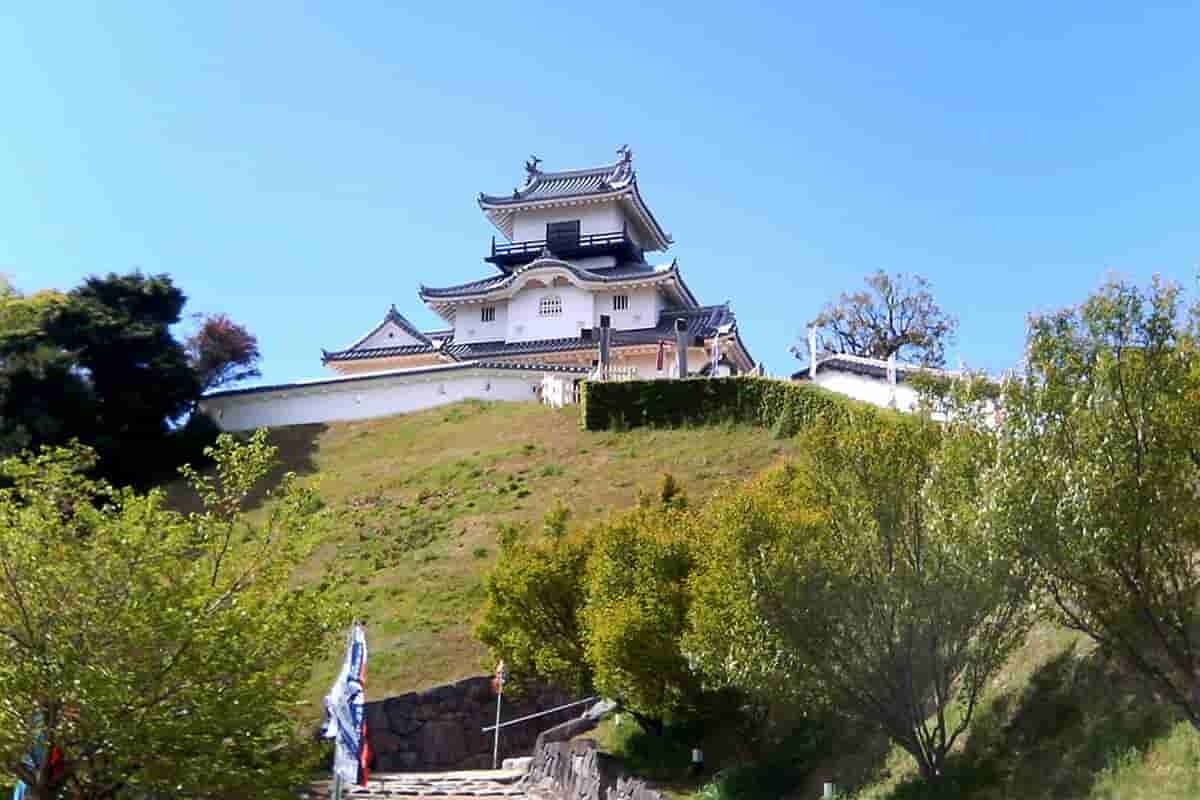
Kakegawa Castle
A reconstructed castle offering panoramic views and historical exhibits.
Act City Hamamatsu
Concert hall and observation deck in a distinctive skyscraper, hosting cultural events.
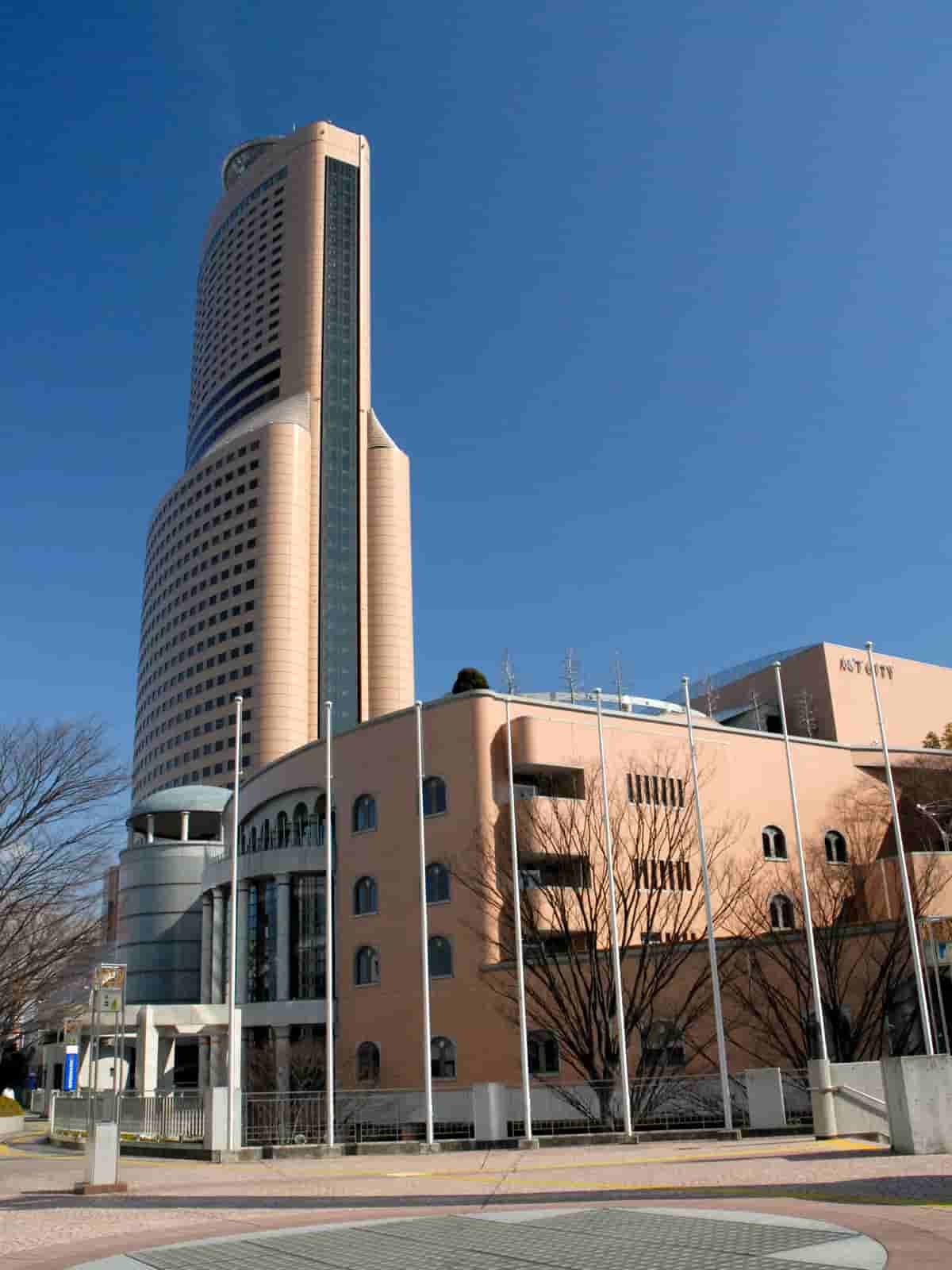
Act Tower
A skyscraper with an observation deck offering views of Hamamatsu and the Enshu Sea.
Hamamatsu Flower Park
Expansive botanical gardens featuring vibrant seasonal flower displays and picturesque ponds.
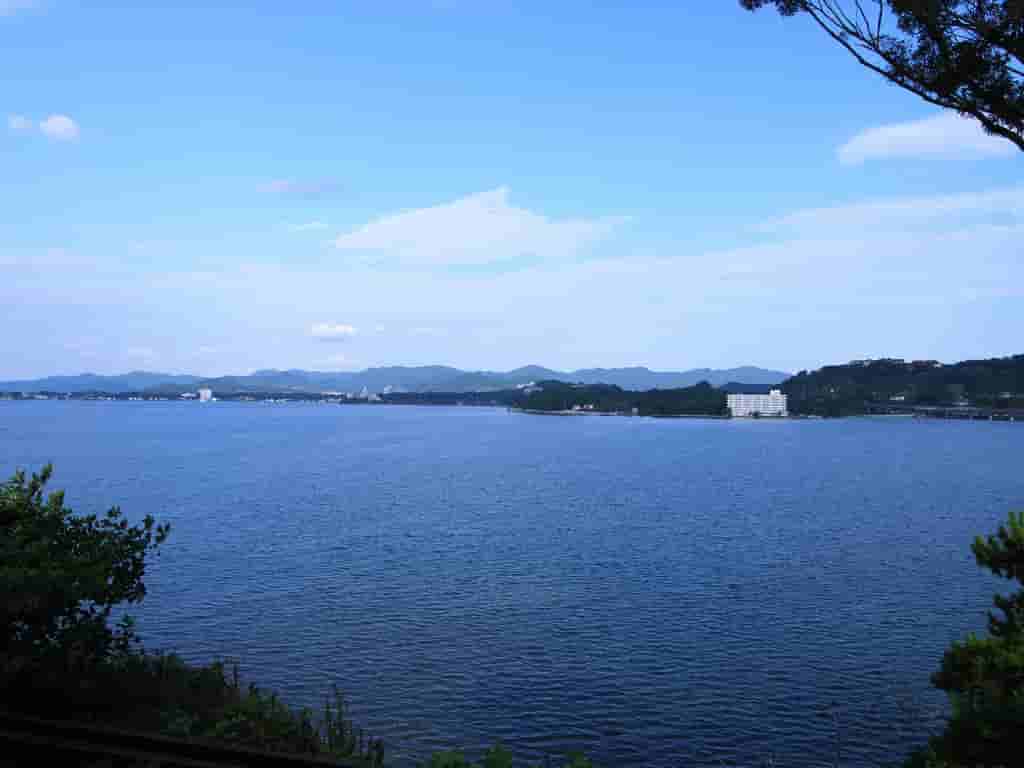
Lake Hamana
Scenic freshwater lake surrounded by beautiful natural landscapes and walking trails.
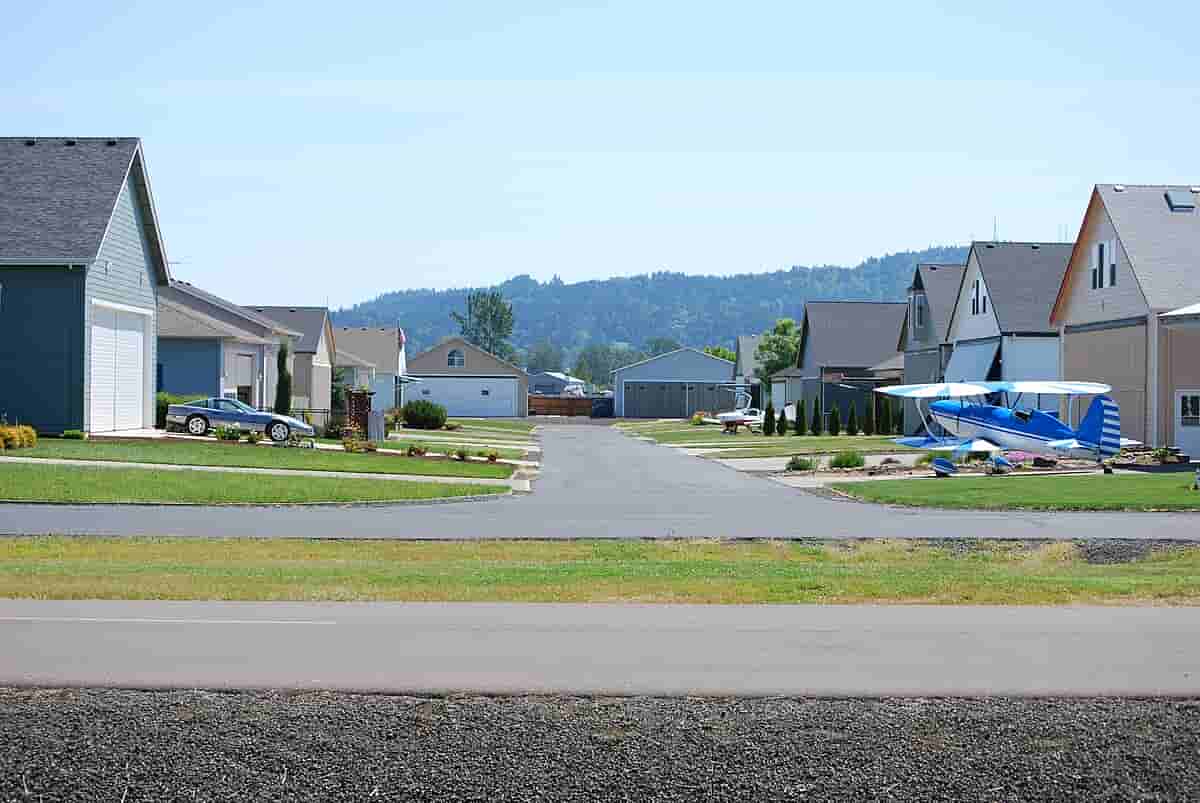
Air Park
An aviation museum with aircraft exhibits and flight simulators.
Hamanako Garden Park
A scenic park with seasonal flowers, walking paths, and lake views.
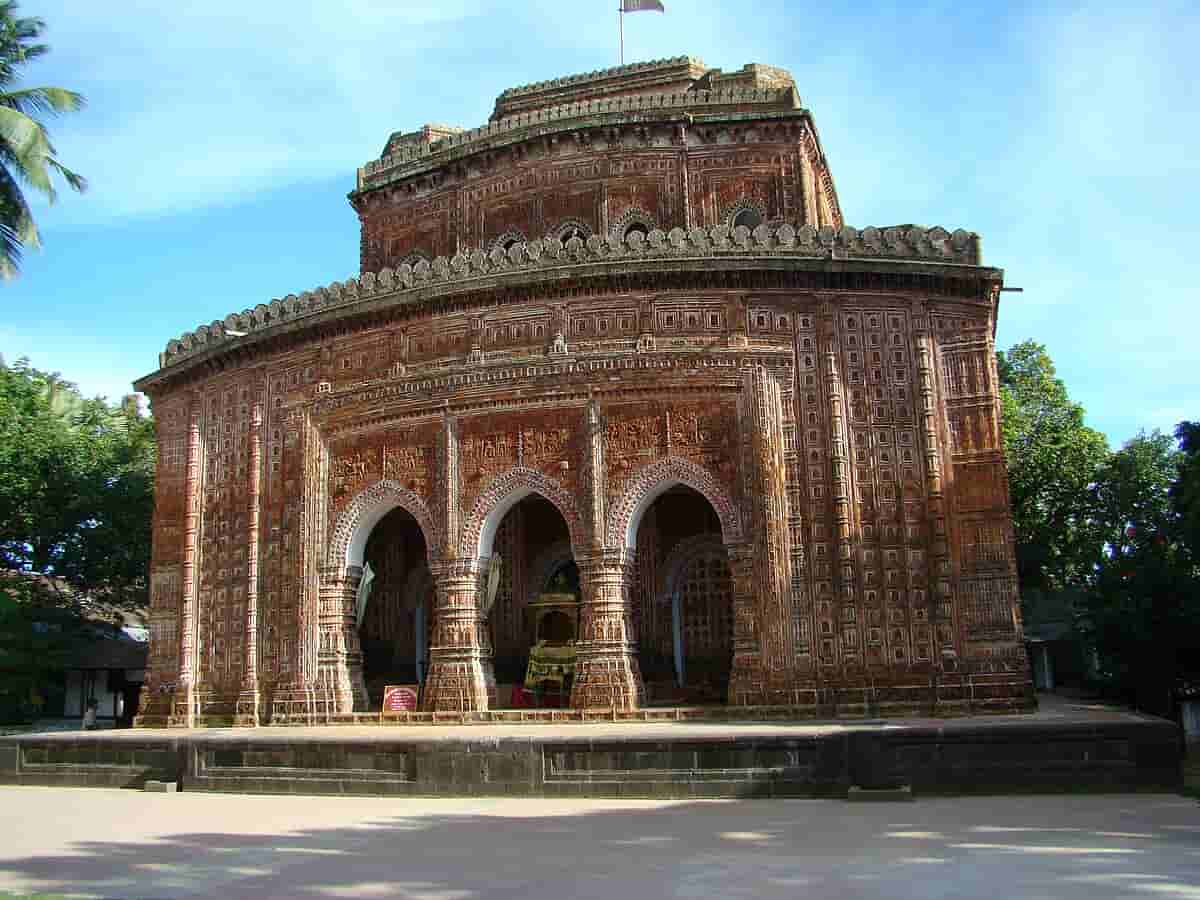
Kanzanji Temple
A historic temple with beautiful architecture and gardens.
Hamanako Pal Pal
An amusement park with rides and attractions for all ages.
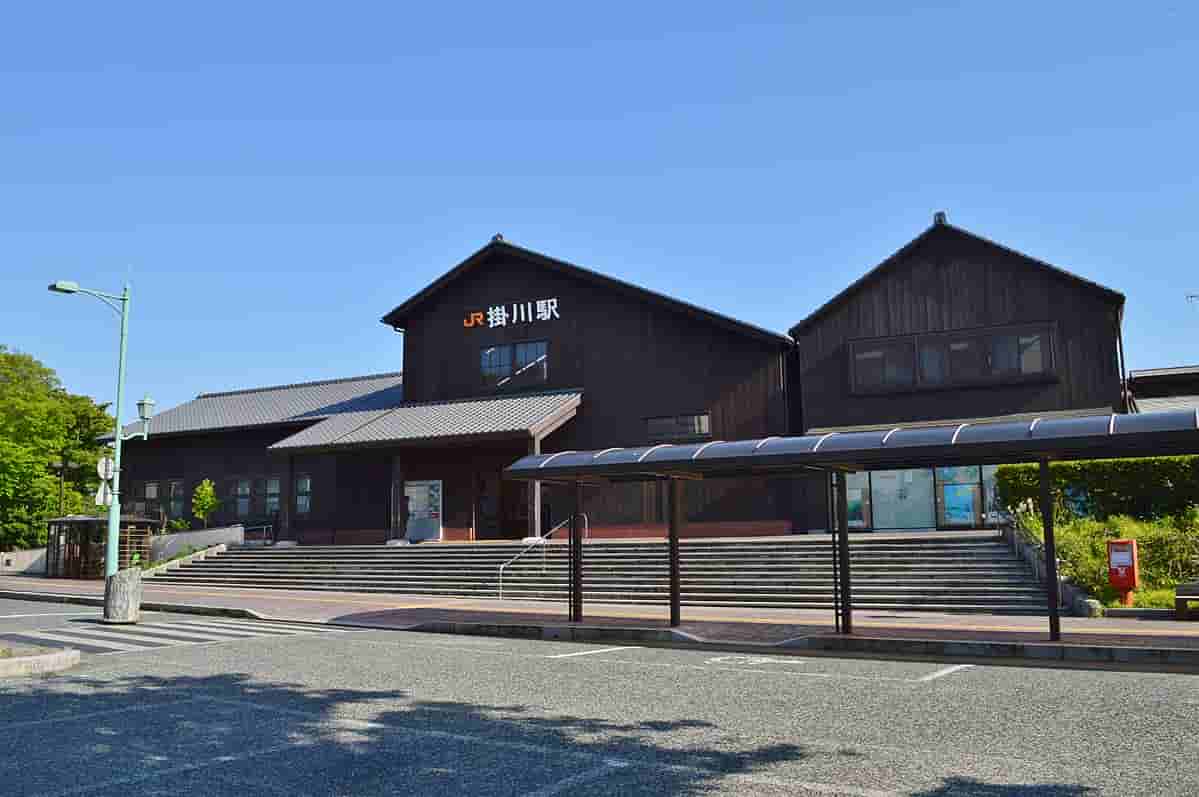
Kakegawa Station
Transport hub with access to Shinkansen and local trains.
🏘️ Neighborhoods
Hamamatsu Station Area
The bustling transportation and commercial heart of the city. Packed with department stores, hotels, restaurants, and entertainment options. Extremely convenient for arrivals and departures.
Act City & City Hall Area
The modern business and cultural district, dominated by the iconic Act Tower. Home to concert halls, convention centers, museums, and upscale hotels. A symbol of Hamamatsu's contemporary face.
Nakatajima Sand Dunes Area
A unique coastal zone featuring some of Japan's largest sand dunes, stretching along the Pacific. Offers dramatic landscapes, birdwatching, and a glimpse at the endangered loggerhead turtle nesting grounds.
Kanzanji Onsen (Lake Hamana)
A popular hot spring resort area on the shores of Lake Hamana. Known for its relaxing ryokan, public baths, lakeside promenade, temple, and panoramic views from the Kanzanji Ropeway.
Air Park / JASDF Hamamatsu Air Base Area
Located north of the center, this area is dominated by the Air Park museum, a must for aviation enthusiasts. The surrounding neighborhood is residential with some local eateries.
Hamamatsu Castle & Flower Park Area
A green and historical district featuring the reconstructed Hamamatsu Castle and the expansive Hamamatsu Flower Park. Offers a blend of samurai history and seasonal floral displays in a park-like setting.
🍽️ Local Cuisine
Hamamatsu is a paradise for food lovers, most famous for two dishes: unagi (freshwater eel) and gyoza (pan-fried dumplings). Lake Hamana's unagi, prized for its rich flavor, is typically grilled over charcoal and served over rice (unaju or unadon). The city boasts the highest gyoza consumption per household in Japan, served in sets with rice and soup, often at lively, specialized restaurants. Other must-tries include Hamana-ko oysters, eel pie, and locally caught sakura shrimp. The dining culture ranges from casual gyoza halls and standing bars to upscale unagi restaurants. Key food areas include the streets around Hamamatsu Station, the Entetsu Department Store food hall, and the lakeside restaurants in Kanzanji. Price ranges from ¥800-¥1,500 for a gyoza set to ¥3,000+ for a quality unagi meal. Etiquette is standard Japanese: say "itadakimasu" before eating, don't stick chopsticks upright in rice, and settle bills at the register.
💡 Local Tips
🚗 Day Trip Ideas
Kakegawa
Visit the beautifully reconstructed Kakegawa Castle and its stunning traditional gardens (Kakegawa Kachoen), a flower and bird park.
Shizuoka City / Miho no Matsubara
Explore the historic Sunpu Castle ruins, Kunozan Toshogu Shrine, and the famous pine-tree-lined seashore of Miho no Matsubara, a UNESCO site.
Izu Peninsula (Shuzenji / Atami)
Head into the hot spring haven of Izu. Visit the historic Shuzenji temple town or the coastal onsen resort of Atami for relaxation and ocean views.
Nagoya
Take the Shinkansen to this major metropolis to see Nagoya Castle, the Toyota Museum, and indulge in hitsumabushi (another style of eel dish).
Okazaki
Birthplace of Tokugawa Ieyasu, featuring Okazaki Castle and a beautiful park, offering deeper historical context to Hamamatsu's own castle story.
Lake Hamana Loop
Not a single town, but a scenic day trip by car or bus around the entire lake, exploring small towns, fishing ports, temples, and observation decks.
🛡️ Safety Tips
Hamamatsu is an exceptionally safe city with very low crime rates. Violent crime against tourists is extremely rare. Standard precautions apply: keep valuables secure, be mindful of belongings in crowded areas like train stations or festivals, and use hotel safes. There are no notable tourist-targeted scams, but always use licensed taxis. Areas to be cautious are minimal; simply exercise normal awareness at night, especially in quieter entertainment districts. For health, tap water is safe to drink. Emergency numbers are 110 for police and 119 for fire and ambulance. It's advisable to have travel insurance. During summer, stay hydrated and protect against heatstroke. If driving, note that bicycles have right of way on sidewalks, and always cross at pedestrian crossings.
💰 Budget Guide
Hamamatsu offers good value. A daily budget can be broken down as follows: Budget (¥6,000-¥8,000): Dorm bed/business hotel (¥4,000-¥6,000), convenience store meals/gyoza sets (¥1,500), bus/bike rental (¥500-¥1,000), free sights (dunes, castle park). Mid-Range (¥12,000-¥20,000): Comfortable hotel/ryokan (¥8,000-¥15,000), sit-down restaurant meals including unagi (¥3,000-¥5,000), taxi for short trips/train day pass (¥1,000-¥2,000), paid attractions (¥1,000). Luxury (¥30,000+): High-end lakeside hotel (¥20,000+), gourmet multi-course meals (¥10,000+), private taxi tours, premium experiences. Money-saving tips: Purchase a one-day Enshu Bus pass; visit during off-peak seasons for lower hotel rates; enjoy lunch specials at unagi restaurants; explore free attractions like Nakatajima Dunes and Hamamatsu Castle park; rent a bicycle for efficient, cheap transport.