Welcome to Gyumri
Nestled in the highlands of Armenia's Shirak region, Gyumri is a city that wears its history with a poignant, resilient grace. As Armenia's second-largest city, it offers a profound contrast to the bustle of Yerevan, presenting visitors with a deeply authentic and soulful encounter with the nation's cultural heart. The city is a living museum of 19th-century architecture, its historic center a captivating labyrinth of black and red tuff stone buildings adorned with intricate ironwork balconies and carved details, a legacy of its time as a prosperous trading hub known as Alexandropol. While the devastating 1988 earthquake left deep scars, the city's spirit is unbroken, with restoration efforts breathing new life into its architectural gems. With a manageable scale that invites intimate exploration, Gyumri is perfect for a focused visit, and its welcoming atmosphere is complemented by a selection of around 10 hotels, offering comfortable stays at an average of $60 a night. This is a destination for travelers seeking to connect with Armenia's artistic soul, its resilient people, and a slower, more contemplative pace of life.
Overview
Gyumri, historically known as Alexandropol and later Leninakan, is the cultural capital of Armenia, renowned for its distinct humor, vibrant arts scene, and rich architectural heritage. Its history is one of prosperity, tragedy, and remarkable resilience. As a key outpost of the Russian Empire, it flourished in the 19th century, resulting in the magnificent stone buildings that define its historic districts. The catastrophic 1988 Spitak earthquake, however, devastated the city, a trauma from which it continues to rebuild and recover. This history is palpable in its streets, where restored mansions stand alongside vacant lots and memorials. The city is famous for its school of painting, its traditional crafts like pottery and blacksmithing, and its residents, known as 'Gyumretsis,' celebrated for their sharp wit and hospitality. The main areas for visitors are the compact Gyumri Historic Center and Old Town, centered around Vardanants Square, where you'll find key landmarks, museums, and cafes. Beyond the city center, the surrounding Shirak plain is dotted with ancient monasteries like Marmashen, offering a glimpse into Armenia's medieval Christian heritage.
🗓️ Best Time to Visit
The best time to visit Gyumri is from late spring to early autumn, specifically May through September. During these months, the weather is most pleasant, with warm, sunny days and cool evenings ideal for exploring the city's outdoor attractions and historic streets. Summer (June-August) is peak season, with temperatures comfortable for sightseeing, though occasional rain showers can occur. This period also sees cultural festivals and events. Autumn (September-October) is particularly beautiful, with crisp air and golden foliage providing a stunning backdrop for photography, especially at sites like Marmashen Monastery. Winters (November-March) are harsh, with heavy snow and temperatures often well below freezing; while this offers a starkly beautiful, quiet experience, some sites may have limited access. Spring (April-May) is a shoulder season with melting snow and blooming landscapes, but can be muddy. Major events include the Gyumri Biennial of Contemporary Art (typically in autumn) and various cultural festivals in the summer, making these vibrant times to experience the city's artistic pulse.
🌤️ Weather & Climate
Gyumri has a highland continental climate characterized by cold, snowy winters and warm, relatively dry summers. Temperature variations between day and night, as well as between seasons, can be significant.
Seasons
Winter
💨 Humidity: moderate
Very cold with consistent snow cover. Days are short, and temperatures often remain below freezing. Ideal for experiencing a quiet, winter-wonderland atmosphere.
Spring
💨 Humidity: moderate
Unpredictable weather with melting snow, rain, and increasing sunshine. Temperatures rise steadily, and nature begins to bloom by late April.
Summer
💨 Humidity: low
The most pleasant season with warm, sunny days and cool, comfortable nights. Occasional thunderstorms can occur. Perfect for all outdoor activities and exploration.
Autumn
💨 Humidity: moderate
Crisp, clear days and chilly nights. September is often ideal, with October bringing vibrant fall colors and a rapid cooldown towards November.
Monthly Weather Details
January Weather
Best for: indoor cultural sites, winter scenery
February Weather
Best for: indoor cultural sites, winter scenery
March Weather
Best for: early spring walks, museums
April Weather
Best for: sightseeing as snow melts
May Weather
Best for: outdoor exploration, monastery visits
June Weather
Best for: all outdoor activities, festivals
July Weather
Best for: peak sightseeing, hiking
August Weather
Best for: peak sightseeing, hiking
September Weather
Best for: ideal sightseeing, photography
October Weather
Best for: fall foliage, cultural visits
November Weather
Best for: museums, early winter atmosphere
December Weather
Best for: indoor cultural sites, winter scenery
🎒 What to Pack
All Year Round
- comfortable walking shoes
- layered clothing
- sunglasses
- power adapter
🚗 Getting Around
Gyumri is a highly walkable city, especially its compact Historic Center and Old Town, where the main attractions, restaurants, and hotels are concentrated. Walking is the best way to appreciate the architectural details and atmosphere. For longer distances, the city has a network of marshrutkas (shared minibuses) that follow set routes; these are very inexpensive (around 100 AMD) but require some familiarity with the system. Taxis are plentiful and affordable; always agree on a fare before getting in, as meters are rarely used. A short cross-town ride typically costs 600-1000 AMD. Ride-sharing apps like GG are operational and often more convenient. There is no metro or extensive bike-sharing system, though some hotels may rent bicycles. For airport transfers, Gyumri's Shirak Airport is just a short taxi ride (10-15 minutes) from the city center. For day trips to monasteries like Marmashen, hiring a taxi for a few hours is the most practical option, with negotiated rates.
🎯 Top Attractions
Gyumri Historic Center
The old town area with traditional Armenian architecture and churches.
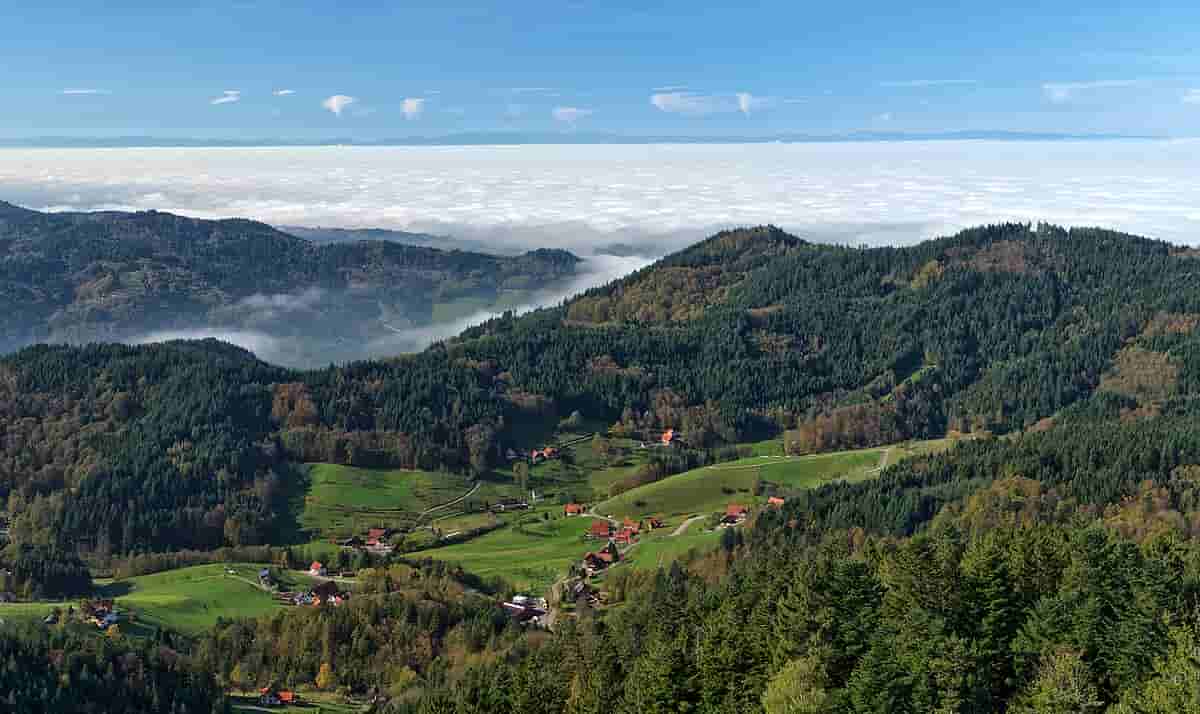
Black Fortress
A 19th-century Russian fortress offering panoramic city views.
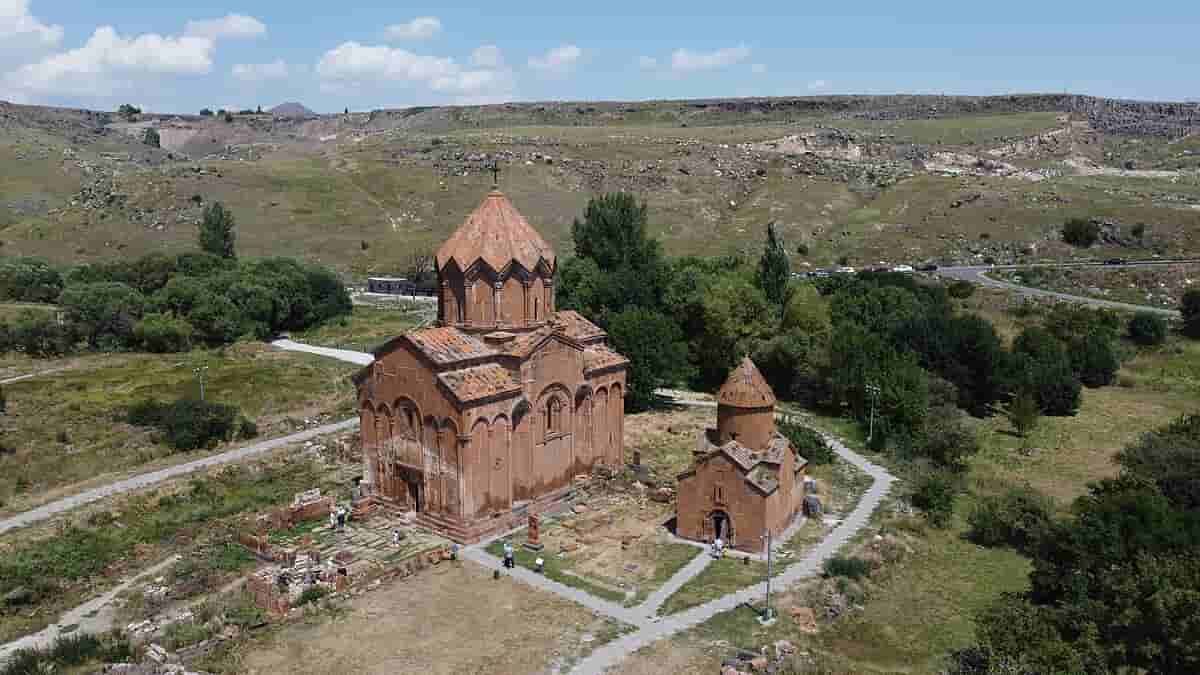
Marmashen Monastery
A medieval monastic complex with red tuff buildings near the Akhurian River.
Gyumri Old Town
Historic district with traditional Armenian architecture.
Gyumri Central Square
Historic square surrounded by 19th-century buildings.
Mother Armenia Statue
A prominent Soviet-era monument with a museum and city views.
Gyumri Central Park
A large public park with walking paths and historical monuments.
Gyumri Historic District
Area known for its 19th-century Russian architecture and cobblestone streets.
🏘️ Neighborhoods
Historic Center (Kumayri)
The heart of old Gyumri, a protected open-air museum of 19th-century architecture with cobbled streets, stone houses, and key museums. The soul of the city.
Vardanants Square & Surrounds
The modern central square and main pedestrian thoroughfares. Bustling with cafes, restaurants, hotels, and the main tourist amenities. The commercial and social hub.
Ani District
A central residential area with a mix of Soviet-era buildings and newer constructions. More local in feel, with everyday shops and services.
Shirakatsi District
A quieter, predominantly residential area on the city's edges. Offers a glimpse of everyday life away from the tourist center.
Central Park Area
Adjacent to the large city park, this area is greener and quieter, with some guesthouses and a more relaxed vibe. Close to the Mother Armenia statue.
Station District
Centered around the historic railway station. An area with a distinct character, mixing transport links, some older buildings, and commercial activity.
🍽️ Local Cuisine
Gyumri's cuisine is hearty, flavorful, and deeply rooted in Armenian traditions, with a few local twists. Signature dishes you must try include 'khorovats' (Armenian barbecue, often pork in this region), 'harissa' (a rich porridge of wheat and meat, a winter comfort food), and 'Gyumri-style basturma' (air-dried cured beef). Dining is a social, leisurely affair. For an authentic experience, visit a 'tonratun' (tavern) where locals gather for food, drink, and conversation. Vardanants Square and the surrounding pedestrian streets are lined with cafes and restaurants offering both local and international fare. A meal at a mid-range restaurant costs around 3000-6000 AMD per person. Don't miss trying local dairy products like 'matsun' (yogurt) and 'chechil' (braided string cheese). Etiquette is warm and welcoming; toasting with local vodka or wine is common during meals. For a quick, cheap bite, look for 'lahmajun' (Armenian pizza) shops or bakeries selling 'gata' (sweet bread).
💡 Local Tips
🚗 Day Trip Ideas
Marmashen Monastery
A stunning 10th-century monastic complex on the banks of the Akhurian River, featuring beautiful red tuff stone churches in a serene setting.
Harichavank Monastery
A large and important 7th-13th century monastery complex with a famous scriptorium, set against a dramatic mountain backdrop.
Aghin Village
A traditional village renowned for its centuries-old pottery craft. Visit workshops to see artisans at work and purchase unique ceramics.
Black Fortress (Sev Berd)
While on the city's edge, it feels like a trip. A massive 19th-century Russian imperial fortress offering panoramic views of Gyumri and Mount Aragats.
Lake Arpi National Park
A high-altitude lake and wetland ecosystem, perfect for birdwatching, hiking, and experiencing Armenia's raw, natural beauty. (Best in summer).
Artik & Yereruyk Basilica
Visit the town of Artik, known for its tuff stone quarries, and see the ruins of the 4th-5th century Yereruyk Basilica, one of Armenia's oldest churches.
🛡️ Safety Tips
Gyumri is generally a very safe city for travelers, with low rates of violent crime. Common sense precautions are sufficient. Be cautious of uneven sidewalks and potholes, especially in the historic district. Petty theft is rare but keep valuables secure in crowded areas. There are no major tourist scams, but always agree on taxi fares upfront. Some areas on the outskirts, still showing earthquake damage, are best visited during daylight. Emergency numbers are 102 (police), 103 (ambbulance), and 101 (fire). Tap water is not recommended for drinking; stick to bottled water. Healthcare facilities are adequate for minor issues, but serious medical concerns may require transfer to Yerevan, so comprehensive travel insurance is advised. The people are famously hospitable and will often go out of their way to help a visitor.
💰 Budget Guide
Gyumri is an affordable destination. A budget traveler can manage on 15,000-20,000 AMD ($35-$50) per day, staying in hostels or guesthouses (from 10,000 AMD/night), eating at local bakeries and cheap eateries, and using marshrutkas. A mid-range traveler should budget 25,000-40,000 AMD ($60-$100) per day, covering a comfortable hotel (around the $60 average), meals at nice local restaurants, taxi rides, and entrance fees to museums. A luxury budget of 50,000+ AMD ($125+) allows for the best hotels, fine dining, private guides, and car hires. Major costs: Accommodation averages 25,000 AMD/night, a restaurant meal is 3,000-6,000 AMD, a museum ticket is 1,000-2,000 AMD, and a taxi across town is 600-1,000 AMD. Money-saving tips: Walk everywhere in the center, eat 'lahmajun' for lunch, stay in a guesthouse with breakfast included, and visit free attractions like the historic streets and churches.