Welcome to Guadalupe
Nestled in the verdant hills of Extremadura, the historic town of Guadalupe is a hidden gem that offers a profound journey into Spain's spiritual and cultural heart. Far from the bustling crowds of major cities, this UNESCO World Heritage site is centered around its magnificent Royal Monastery, a masterpiece of Gothic-Mudéjar architecture that has been a pivotal pilgrimage destination for centuries. The town's cobbled streets, lined with traditional whitewashed houses adorned with wrought-iron balconies, exude a timeless charm. With a compact and walkable layout, Guadalupe is perfect for a focused, immersive visit, and its intimate scale is complemented by a selection of 7 hotels, offering comfortable lodging with an average nightly rate of around $89, ensuring a restful base for exploring its rich tapestry of history, art, and natural beauty. Whether you're drawn by faith, history, or the serene landscapes of the surrounding geopark, Guadalupe promises an authentic and unforgettable Spanish experience.
Overview
Guadalupe's history is inextricably linked to its monastery, the Real Monasterio de Santa María de Guadalupe. Founded in the 14th century after the discovery of a hidden statue of the Virgin, it became one of the most important monasteries in Spain, a spiritual hub for monarchs like the Catholic Kings, and a crucial site during the Reconquista. The town grew around this religious nucleus, developing a rich culture deeply rooted in faith, craftsmanship, and rural tradition. Guadalupe is famous for its exquisite embroidery, a centuries-old craft preserved in local workshops and the Museo de los Bordados. The town's main districts are compact, radiating from the grand Plaza Mayor, the social and architectural centerpiece. Beyond the historic core, the stunning landscapes of the Villuercas-Ibores-Jara Geopark, often referred to as the Guadalupe area, offer dramatic mountains, forests, and reservoirs. The town is a living museum of Mudéjar, Gothic, and Renaissance architecture, offering a profound sense of place and history.
🗓️ Best Time to Visit
The best times to visit Guadalupe are during the spring (April to June) and autumn (September to October). These seasons offer mild, pleasant temperatures perfect for exploring the town on foot and hiking in the surrounding geopark, with landscapes blooming in spring or adorned with autumn colors. Summer (July and August) brings hot, dry days, but the town's elevation keeps it more comfortable than the plains of Extremadura; it's a popular time for Spanish tourists. Winter (December to February) is cool and quiet, with occasional frosts, offering a serene atmosphere and the chance to see the monastery without crowds. Major events include the vibrant Holy Week (Semana Santa) processions, a deeply traditional affair. The town's patron saint festivities in early September honor the Virgen de Guadalupe with religious ceremonies, music, and local fairs. Visiting in the off-peak seasons of late autumn and winter provides the most tranquil experience.
🌤️ Weather & Climate
Guadalupe experiences a continental Mediterranean climate with influences from its mountainous setting. Summers are warm and dry, while winters are cool with occasional cold snaps. Spring and autumn are mild and pleasant.
Seasons
Spring
💨 Humidity: moderate
Mild and pleasant with blooming landscapes. Ideal for sightseeing and hiking.
Summer
💨 Humidity: low
Warm to hot days with abundant sunshine. Evenings are cooler. Peak tourist season.
Autumn
💨 Humidity: moderate
Mild temperatures and beautiful fall colors. A perfect time for outdoor activities.
Winter
💨 Humidity: moderate
Cool and quiet, with possible frosts and rare snowfall in the hills. Peaceful for cultural visits.
Monthly Weather Details
January Weather
Best for: cultural sightseeing, monastery visits
February Weather
Best for: cultural sightseeing
March Weather
Best for: early spring walks
April Weather
Best for: hiking, sightseeing
May Weather
Best for: hiking, sightseeing
June Weather
Best for: outdoor activities
July Weather
Best for: summer festivals, early hikes
August Weather
Best for: summer festivals
September Weather
Best for: hiking, cultural visits
October Weather
Best for: autumn scenery, sightseeing
November Weather
Best for: cultural sightseeing
December Weather
Best for: Christmas atmosphere, monastery
🎒 What to Pack
All Year Round
- comfortable walking shoes
- layered clothing
- sun hat
- sunscreen
- reusable water bottle
🚗 Getting Around
Guadalupe is an exceptionally walkable town. Its historic center, including the Plaza Mayor, monastery, and main museums, is best explored on foot along its charming, pedestrian-friendly cobblestone streets. For visiting sights on the outskirts, such as certain viewpoints or trailheads in the geopark, a car is highly recommended, as public bus services within the town are limited. Taxis are available for local trips or transfers from the bus station. There is no train station or major airport in Guadalupe itself. The nearest airports are in Madrid (approx. 2.5 hours by car) or Badajoz. Travelers typically rent a car at the airport or take a bus to nearby towns like Navalmoral de la Mata or Trujillo, then transfer by taxi or local bus to Guadalupe. Biking can be enjoyable in the surrounding countryside, but the town's steep, narrow streets are challenging for cyclists. For most visitors, walking suffices for the town, and a rental car is essential for day trips.
🎯 Top Attractions
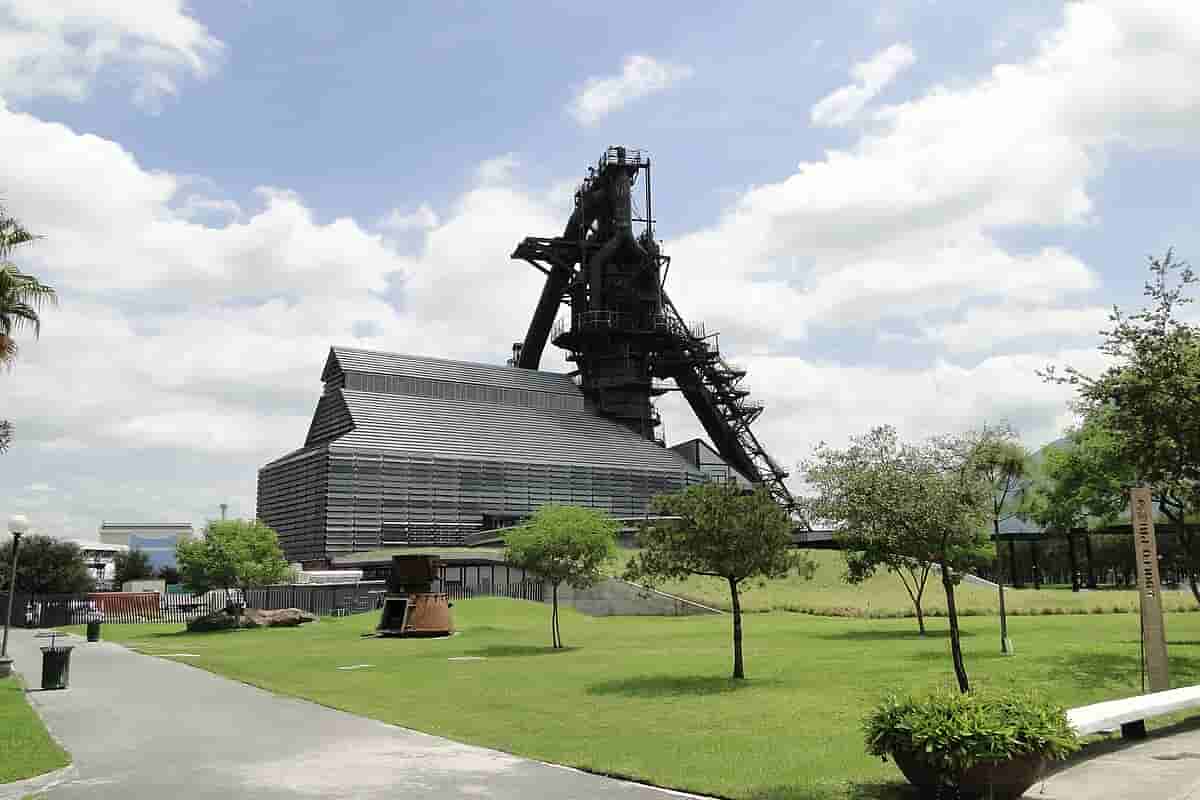
Fundidora Park
Urban park with museums and events
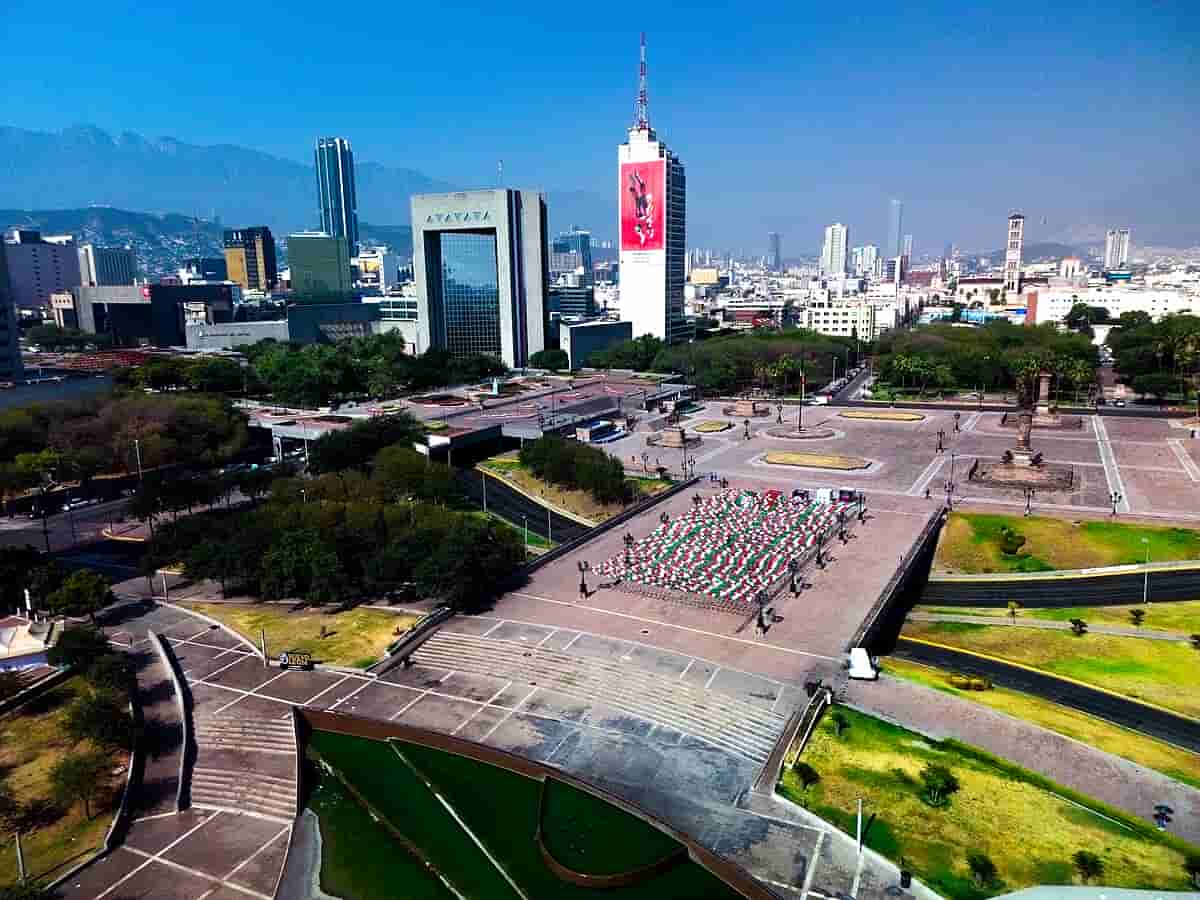
Macroplaza
Large public square in Monterrey
Museo de Historia Mexicana
Museum showcasing Mexican history
Monastery of Guadalupe
A UNESCO World Heritage site with rich history.
Plaza Mayor de Guadalupe
The main square lined with traditional buildings.
Museo de los Bordados
A museum showcasing embroidery and textiles.
Guadalupe Monastery
Historic 14th-century monastery featuring beautiful architecture and religious art.
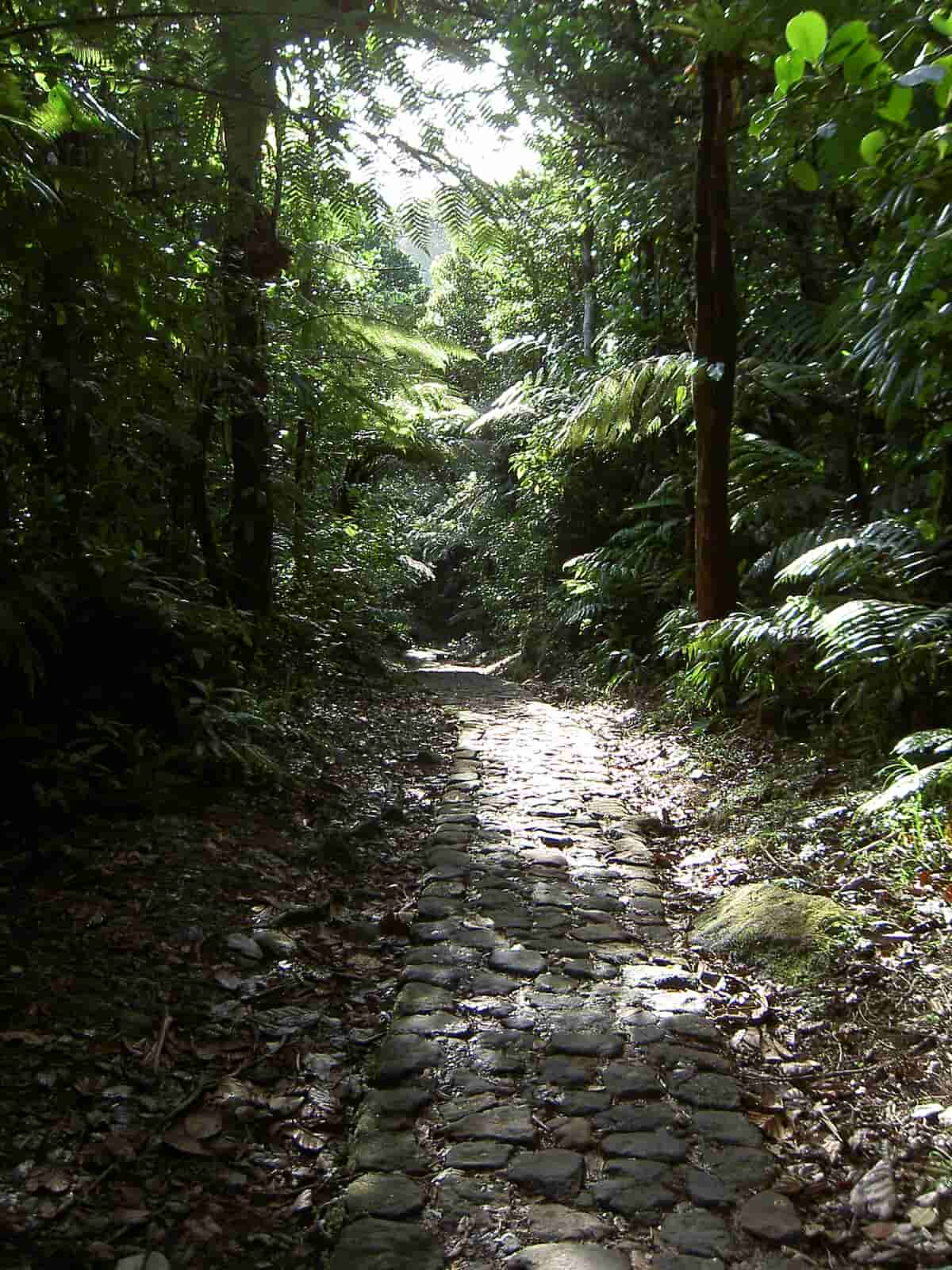
Guadalupe National Park
Stunning natural landscape with hiking trails, wildlife, and scenic overlooks.
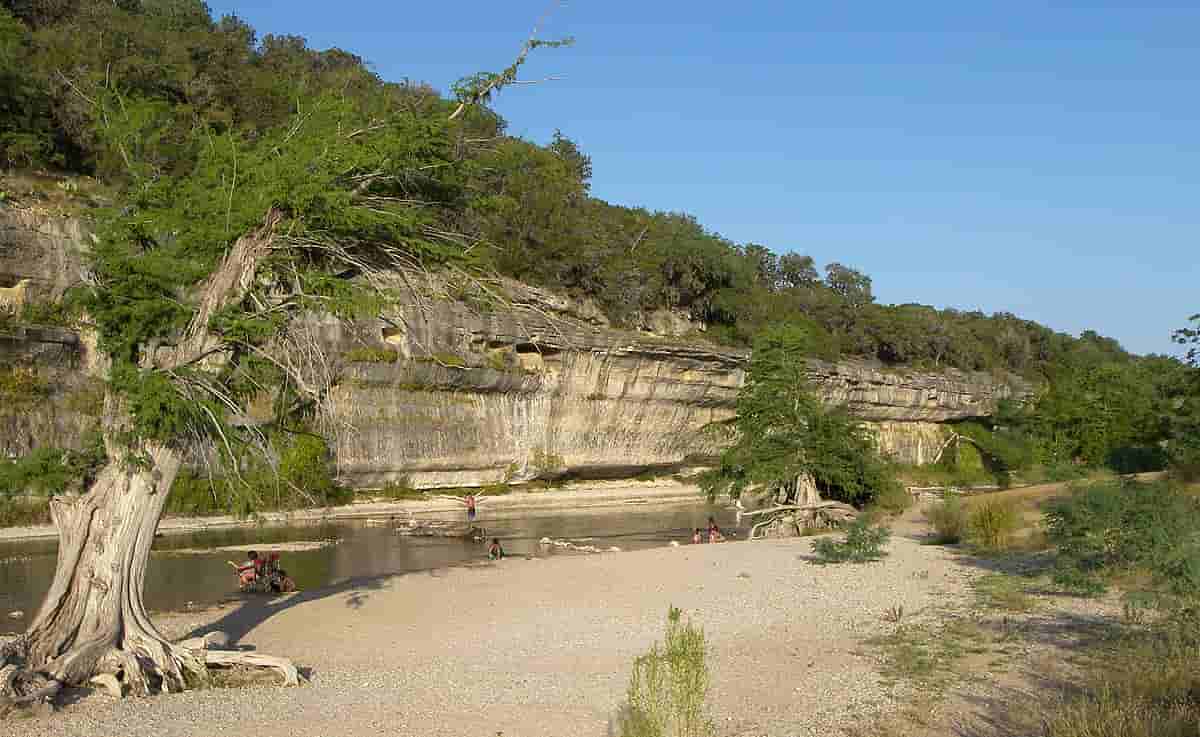
Guadalupe River State Park
Tranquil park offering opportunities for swimming, fishing, and nature exploration.
Lindavista Neighborhood
Residential and commercial area in Guadalupe.
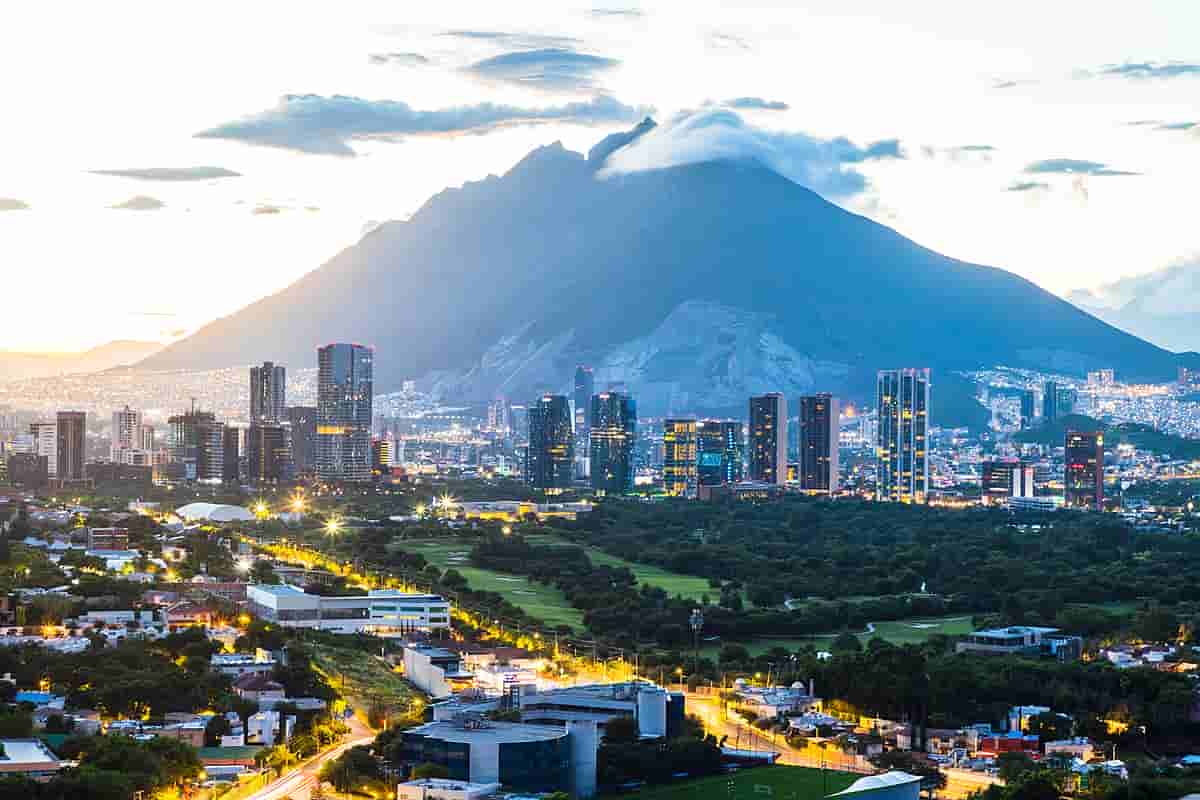
Monterrey Metropolitan Area
Access to the broader city's attractions and businesses.
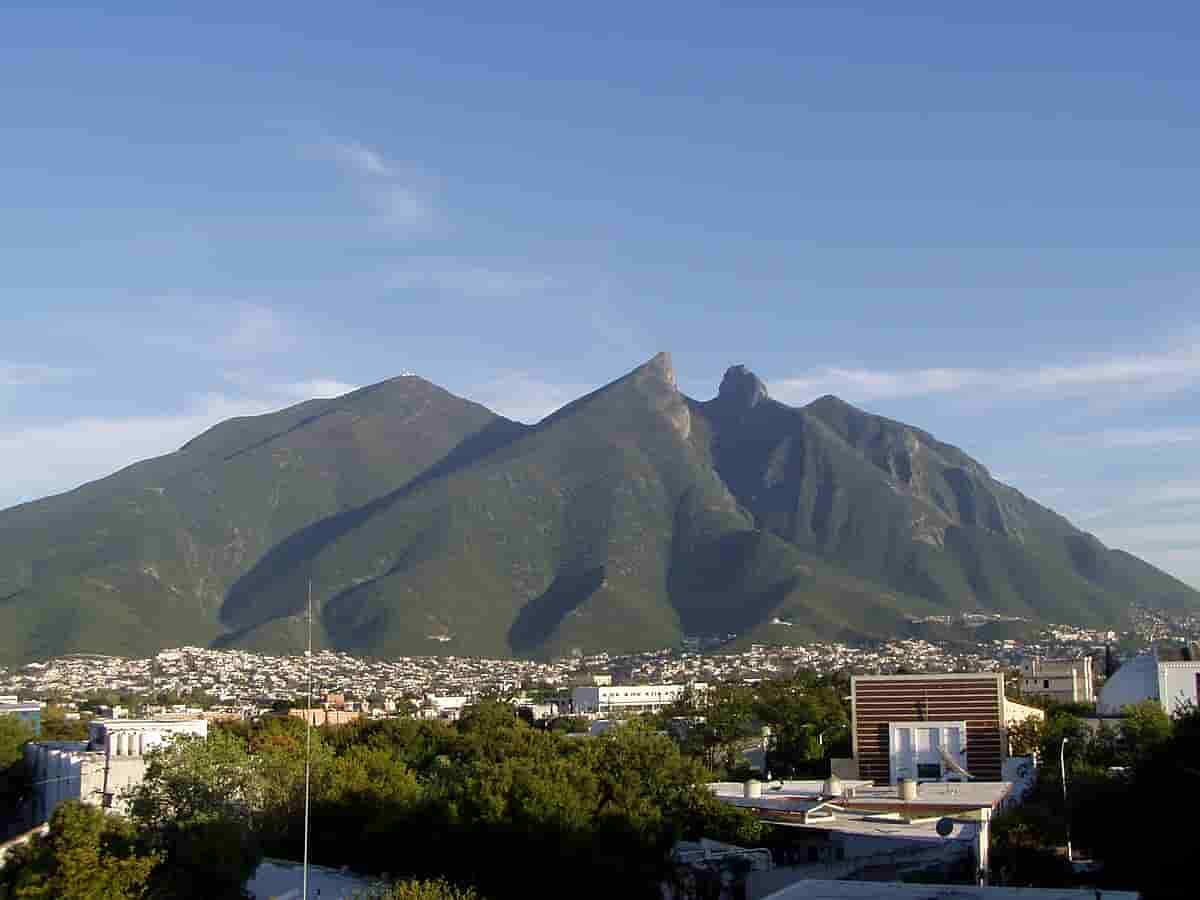
Cerro de la Silla
Iconic saddle-shaped mountain, a symbol of Monterrey.
🏘️ Neighborhoods
Centro Histórico (Plaza Mayor)
The historic heart surrounding the main square, home to the monastery, town hall, and main tourist facilities. Cobbled streets and traditional architecture.
Barrio de Abajo
The lower town area, with quieter streets and some guesthouses. Offers a more local residential feel while still being within easy walking distance of the center.
Areas near the Monasterio
Immediate vicinity of the Royal Monastery, with some of the oldest buildings and pilgrim accommodations. The most iconic and atmospheric location.
Lindavista Neighborhood
A more modern residential area on the outskirts, offering different perspectives and views of the town and monastery from above.
Commercial Streets (Calle Sevilla)
The main shopping and dining artery leading from the town entrance towards the plaza, lined with shops, restaurants, and services.
Rural Surroundings
The countryside and small villages in the Villuercas Geopark just outside town. Offers agrotourism stays and direct access to nature trails.
🍽️ Local Cuisine
Guadalupe's cuisine is hearty, rustic, and deeply rooted in the produce of Extremadura. Signature dishes include *migas* (fried breadcrumbs with paprika and pork), *caldereta de cordero* (a rich lamb stew), and *caza* (game) such as wild boar or partridge. The region is famous for its superb *pimentón de la Vera* (smoked paprika), which flavors many dishes, and its world-class sheep's milk cheeses like Torta del Casar. Meals are a social affair, often enjoyed leisurely. Must-try foods also include *embutidos* (cured meats) like *jamón ibérico* and *morcilla*. For dessert, try *perrunillas* (almond cookies) or *miel* (honey) from the local hills. Dining centers around the Plaza Mayor and nearby streets, with *mesones* (traditional taverns) offering excellent value. A typical *menú del día* (set lunch) costs €12-€18, while a la carte dinners range from €25-€40 per person. Etiquette is relaxed; lunch is late (2-4 PM) and dinner even later (9-11 PM).
💡 Local Tips
🚗 Day Trip Ideas
Trujillo
A magnificent historic town famous as the birthplace of conquistadors, with a stunning main plaza and castle.
Cáceres
A UNESCO-listed old town with an incredibly well-preserved ensemble of medieval and Renaissance architecture.
Villuercas-Ibores-Jara Geopark
Explore the stunning natural landscapes surrounding Guadalupe, with hiking trails, viewpoints, and picturesque villages.
Monfragüe National Park
A paradise for birdwatchers, home to one of Europe's largest concentrations of raptors including imperial eagles and vultures.
Yuste Monastery
The final retreat and burial place of Emperor Charles V, set in the peaceful hills of northern Extremadura.
Medellín
Birthplace of Hernán Cortés, featuring a formidable castle and Roman theater, rich in historical significance.
🛡️ Safety Tips
Guadalupe is an exceptionally safe and tranquil town with low crime rates. Violent crime is extremely rare. The primary concerns are minor issues like pickpocketing, which is uncommon but possible in crowded tourist spots like the monastery courtyard or during festivals. Always secure your belongings. The town's steep, cobbled streets can be slippery, especially when wet, so wear sturdy shoes with good grip. There are no specific areas to avoid, but as always, be aware of your surroundings at night, though the streets are generally quiet and safe. Emergency number is 112. For health, ensure you have travel insurance. Pharmacies (*farmacias*) are well-stocked for minor ailments. Tap water is safe to drink. The main health recommendation is to pace yourself on the hilly streets and stay hydrated in summer.
💰 Budget Guide
Guadalupe is a moderately priced destination. A budget traveler can manage on €40-€60 per day by staying in a hostel or budget guesthouse (€25-€40), enjoying *menús del día* for lunch (€12-€15), and visiting free attractions like the town's plazas and churches. Mid-range travelers should budget €80-€120 per day, covering a comfortable hotel (€60-€90), meals at nice restaurants, entrance fees to the monastery and museums (€5-€10 each), and perhaps a guided tour. Luxury spending of €150+ per day includes upscale *parador* accommodation, fine dining, and private excursions. Money-saving tips: Visit the monastery during free hours (usually Sunday afternoons for EU citizens), share tapas, drink the excellent local house wine, and explore the stunning natural surroundings for free. Traveling in a small group can reduce accommodation and transport costs. Many hotels include breakfast.