Welcome to Greymouth
Greymouth, the largest town on New Zealand's wild West Coast, is a rugged gateway where the Grey River meets the Tasman Sea. This is a place of raw, elemental beauty, where dramatic coastlines, lush rainforests, and a rich gold-mining heritage converge. Don't be fooled by its industrial roots; Greymouth is the perfect, unpretentious basecamp for exploring some of the South Island's most iconic natural wonders, from the geological marvels of Punakaiki to the serene turquoise waters of Hokitika Gorge. With a practical and welcoming spirit, the town offers a comfortable stay with 19 hotels catering to various budgets, ensuring you have a cozy haven after days filled with adventure. Whether you're watching seals bask on rocky shores, stepping back in time at a heritage park, or simply feeling the salt spray on your face along the breakwater, Greymouth offers an authentic slice of West Coast life.
Overview
Founded during the 1860s West Coast Gold Rush, Greymouth (Māori: Māwhera) grew from a Māori settlement into a bustling port and coal-mining hub. Its history is etched into the landscape, from the historic railway station to the meticulously recreated Shantytown. The town's culture is defined by resilience, community, and a deep connection to its dramatic environment. It's famously the western terminus of the TranzAlpine railway, one of the world's great train journeys crossing the Southern Alps from Christchurch. Greymouth is primarily known as a strategic service center for the region and the launchpad for exploring the Paparoa National Park coastline, including the must-see Punakaiki Pancake Rocks and blowholes. The compact town center is focused along Mackay and Tainui Streets, with the industrial port area and the scenic river mouth offering contrasting vistas. It's a town that serves adventure, not glamour, making it beloved by travelers seeking genuine experiences.
🗓️ Best Time to Visit
The best time to visit Greymouth is during the Southern Hemisphere summer and early autumn, from December through April. This period offers the warmest and driest weather (by West Coast standards), with longer daylight hours ideal for hiking and sightseeing. Summer (Dec-Feb) is peak season, coinciding with school holidays and vibrant local events like the January Buller Marathon and various agricultural shows. Autumn (Mar-May) brings stunning foliage in the surrounding forests and fewer crowds. Winter (Jun-Aug) is the off-peak season; days are shorter, cooler, and wetter, but this is when the rainforest is at its most lush and dramatic, and you'll find the best accommodation rates. Spring (Sep-Nov) sees increasing sunshine and blooming native flowers. Be prepared for rain at any time of year, as the West Coast is one of the wettest regions in New Zealand.
🌤️ Weather & Climate
Greymouth has a temperate maritime climate characterized by mild temperatures year-round and high rainfall, especially in winter. It's known for its changeable weather, where 'four seasons in one day' is a common experience.
Seasons
Summer
💨 Humidity: moderate
Mild and pleasant with the most consistent sunshine. Long daylight hours perfect for outdoor activities, though rain showers are still frequent.
Autumn
💨 Humidity: high
Temperatures gradually cool. Rainfall increases, creating lush, vibrant rainforests. A beautiful time for photography with fewer tourists.
Winter
💨 Humidity: high
Cool, wet, and windy. The wettest season, but snow is rare at sea level. Dramatic storm watching on the coast. Shortest daylight hours.
Spring
💨 Humidity: high
Unpredictable weather with a mix of rain, wind, and increasing sunny spells. Native flora blooms and daylight lengthens.
Monthly Weather Details
January Weather
Best for: sightseeing, hiking, beach walks
February Weather
Best for: sightseeing, hiking, beach walks
March Weather
Best for: photography, hiking
April Weather
Best for: photography, forest walks
May Weather
Best for: indoor attractions, storm watching
June Weather
Best for: indoor attractions, storm watching
July Weather
Best for: indoor attractions, storm watching
August Weather
Best for: indoor attractions, forest walks
September Weather
Best for: wildflower viewing, hiking
October Weather
Best for: wildflower viewing, hiking
November Weather
Best for: hiking, sightseeing
December Weather
Best for: sightseeing, hiking, beach walks
🎒 What to Pack
All Year Round
- waterproof jacket
- layered clothing
- sturdy walking shoes
- umbrella
🚗 Getting Around
Greymouth is a very walkable town, with most services, hotels, and restaurants within a 15-minute stroll of the central grid. For attractions further afield, you'll need your own transport or to join a tour. Renting a car is highly recommended for maximum flexibility to explore the Coast. Taxis are available but not abundant; pre-booking is advised. Ride-sharing services like Uber are not currently operational in Greymouth. Local bus services are limited and primarily serve commuter routes rather than tourist attractions. The InterCity coach network provides regional connections to towns like Hokitika, Franz Josef, and Christchurch. For the iconic TranzAlpine train, the station is centrally located. Bike rentals are available for exploring the town and nearby trails like the Point Elizabeth Walkway. Airport transfers from Hokitika's small regional airport (a 30-minute drive south) are best arranged via shuttle services or pre-booked taxis.
🎯 Top Attractions
Greymouth Seal Colony
Coastal area where seals can often be seen basking on rocks.
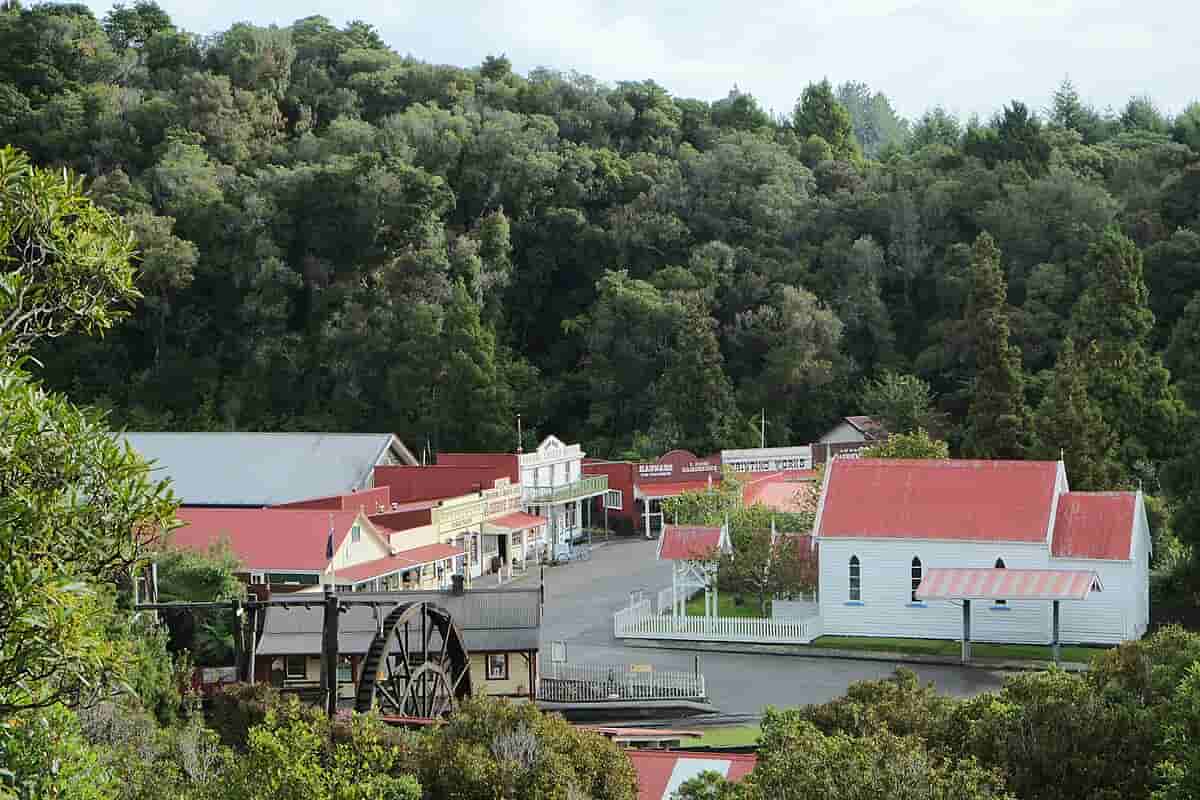
Shantytown Heritage Park
A recreated 1860s gold mining town with steam train rides and gold panning.
Punakaiki Pancake Rocks
Unique limestone formations with blowholes and coastal walks.
Greymouth Beach
Wild beach popular for walks and watching dramatic sunsets.
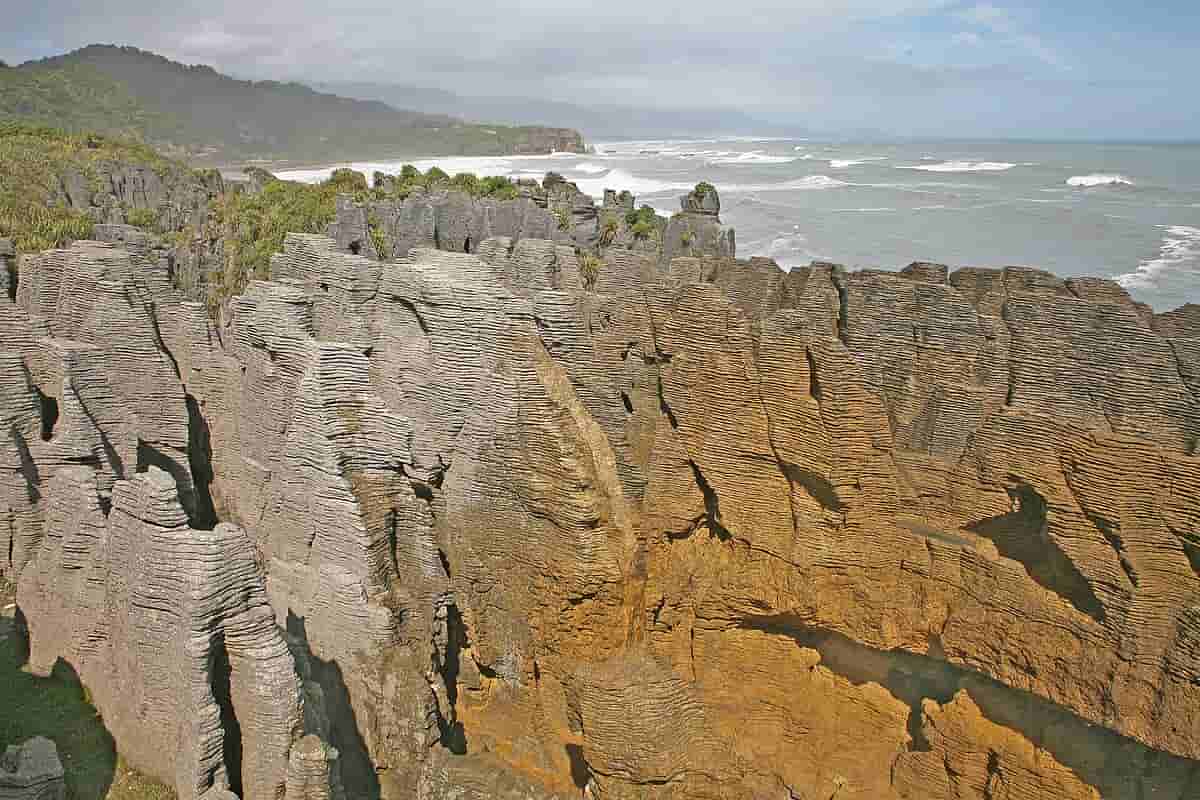
Pancake Rocks
Unique limestone rock formations carved by the sea over millennia.
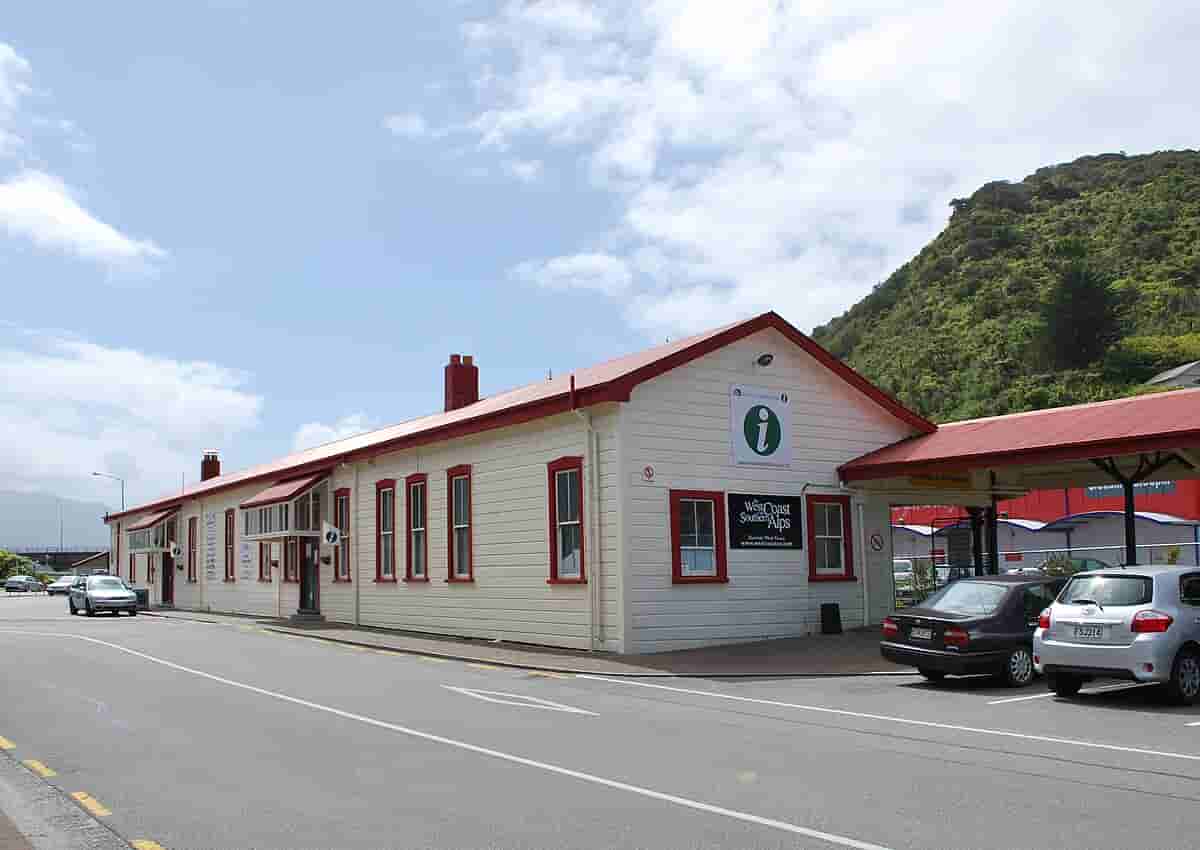
Greymouth Railway Station
The terminus for the famous TranzAlpine scenic train journey across the Southern Alps.
Shantytown
Historic theme park with gold mining exhibits.
Point Elizabeth Walkway
A coastal walking track offering stunning views of the Tasman Sea and cliffs.
Greymouth River
River for fishing and scenic walks
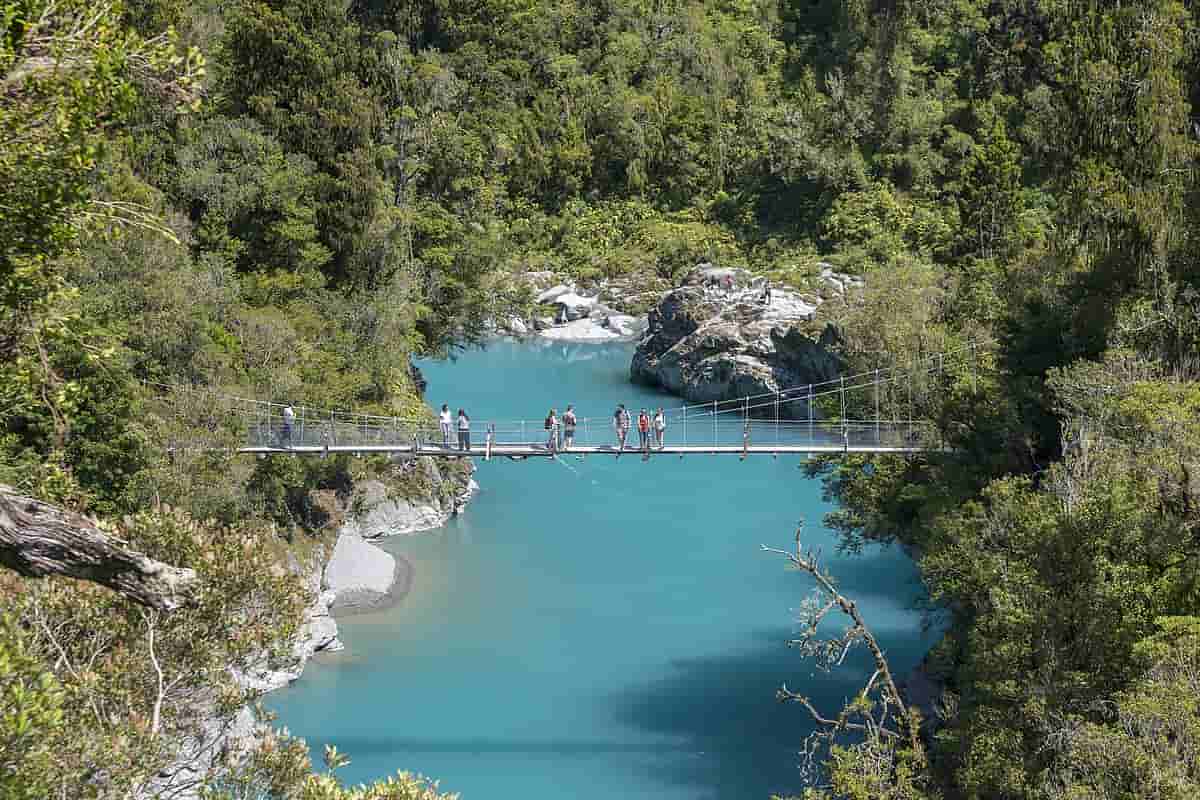
Hokitika Gorge
Stunning turquoise-colored gorge surrounded by lush native forest.
Greymouth History Museum
Museum detailing local gold mining and Maori history.
Greymouth Harbour
Working harbor with fishing and scenic views
🏘️ Neighborhoods
Town Centre
The heart of Greymouth, containing most shops, services, restaurants, hotels, and the railway station. A compact, easily walkable grid.
Blaketown
A residential suburb just north of the town centre, close to the beach and sports fields. Offers quieter accommodation options.
Cobden
Located across the Grey River from the main town, connected by bridges. A historic area with views back towards Greymouth.
Karoro
A southern residential area, home to the local high school and offering some motel accommodations on the main highway into town.
Greymouth Seafront / South Beach
The coastal strip south of the river mouth, featuring the breakwater, seal colony, and beach walks. Sparse accommodation but stunning scenery.
Point Elizabeth Area
North of the town centre along the coast, this is the access point for the famous walkway. More remote, with a few scattered accommodations.
🍽️ Local Cuisine
Greymouth's dining scene reflects its location: expect superb, fresh seafood. Must-try local specialties include whitebait fritters (a West Coast delicacy, especially in season from September to November), Bluff oysters, and green-lipped mussels. Hearty pub fare is also a staple, perfect after a day of exploring. Don't miss trying a traditional meat pie from a local bakery. The town has a relaxed, no-frills dining culture, with most restaurants clustered in the town center. For a true local experience, visit a classic Kiwi pub. Price ranges are moderate; a main course at a mid-range restaurant typically costs between NZ$25-$40. Casual takeaways and bakery items offer budget-friendly options. Etiquette is informal; table service is standard in restaurants, but ordering at the bar in pubs is common. Tipping is not expected but appreciated for exceptional service.
💡 Local Tips
🚗 Day Trip Ideas
Punakaiki Pancake Rocks and Blowholes
Iconic limestone rock formations stacked like pancakes, with thunderous blowholes. The heart of Paparoa National Park.
Hokitika
A vibrant arts and crafts town famous for its stunning, turquoise Hokitika Gorge and greenstone (pounamu) carvers.
Shantytown Heritage Park
A living-history museum recreating a 1860s gold rush town with a steam train, sawmill, and gold panning.
Lake Brunner (Moana)
A serene, beautiful lake perfect for fishing, kayaking, walking, and enjoying peaceful mountain reflections.
Charleston & Nile River Glowworm Caves
Take a guided tour to see spectacular glowworm displays in underground caves near the coastal village of Charleston.
Point Elizabeth Walkway
A spectacular coastal track starting near Greymouth, offering cliffs, rainforest, and sea views. Can be done as a shorter return walk.
🛡️ Safety Tips
Greymouth is generally a very safe town with low crime rates. Standard travel precautions apply: secure valuables, especially in unattended vehicles. The primary risks are environmental. Always heed warning signs at beaches and coastal walks; the Tasman Sea has strong currents and unpredictable waves. Never turn your back on the ocean. When hiking, stick to marked tracks, inform someone of your plans, and be prepared for rapid weather changes. There are no specific tourist scams to worry about. Emergency services can be reached by dialing 111. The local hospital is on High Street. Tap water is safe to drink. There are no required vaccinations for New Zealand. Sandflies can be a nuisance near water; insect repellent is recommended.
💰 Budget Guide
Greymouth is moderately priced. A budget traveler can manage on NZ$80-120 per day by staying in hostel dorm rooms (NZ$30-45), self-catering, using free walks, and visiting low-cost attractions like the seal colony. Mid-range travelers spending NZ$150-250 per day can enjoy a private hotel/motel room (averaging NZ$120/night), dining at cafes and pubs, and paying for key attractions like Shantytown (approx NZ$35) and guided tours. A luxury budget of NZ$300+ allows for premium accommodation, fine dining, and private tours. Saving tips: book accommodation in advance during peak season, utilize kitchen facilities, pack a picnic, and focus on free natural attractions. The Greymouth i-SITE offers excellent free advice and maps. Transport costs are minimal if you walk around town, but a rental car is a significant daily expense for exploring the region.