Welcome to Great Barrier Reef
The Great Barrier Reef is not a city in the conventional sense, but a living, breathing marine metropolis stretching over 2,300 kilometers along the Queensland coast. This World Heritage-listed wonder is the planet's largest coral reef system, a vibrant underwater city teeming with over 1,500 species of fish, 400 types of coral, and countless other marine inhabitants. Its significance is both ecological and cultural, representing one of the most biodiverse ecosystems on Earth and holding deep spiritual meaning for the Aboriginal and Torres Strait Islander peoples. Visitors access this aquatic paradise from gateway islands and coastal towns, which offer a combined total of 36 hotels ranging from rustic island retreats to luxurious overwater bungalows, with an average nightly rate of around $187.50. The experience is one of profound awe, whether you're snorkeling through crystal-clear lagoons, sailing to iconic silica sands like Whitehaven Beach, or simply soaking in the views from a hilltop like One Tree Hill. A recommended stay of one day is a mere glimpse; this is a destination that demands immersion to truly appreciate its scale and splendor.
Overview
The Great Barrier Reef is a vast marine park and collection of islands off the coast of Queensland, Australia. It formed over millions of years and has been home to the Aboriginal and Torres Strait Islander peoples for over 60,000 years, who know it as a fundamental part of their living culture. The region is famous globally for its unparalleled biodiversity and stunning natural beauty, drawing millions to witness its underwater gardens. There are no traditional city districts; instead, the area is defined by its gateway hubs and island groups. The Whitsunday Islands, including Hamilton Island, are renowned for sailing and resort luxury. The Northern Islands like Hinchinbrook and Orpheus offer untouched wilderness and secluded beaches. The Cairns and Port Douglas coast provides the most direct access to outer reef sites. The culture is laid-back, aquatic, and deeply connected to conservation, with a strong emphasis on sustainable tourism to protect this fragile ecosystem for future generations.
🗓️ Best Time to Visit
The best time to visit the Great Barrier Reef is during the Australian dry season, from June to October. This period offers sunny days, lower humidity, minimal rainfall, and excellent underwater visibility for diving and snorkeling. It's also the peak season for whale watching (July-September). The shoulder months of May and November provide a good balance of pleasant weather and slightly fewer crowds. The wet season (December to April) brings hot, humid conditions, higher rainfall, and the potential for tropical cyclones. While this is the off-peak season with lower prices, it also coincides with marine stinger season (November-May), requiring protective stinger suits for swimming in many areas. Water temperatures remain warm year-round. Major events are often island-based, like Hamilton Island's Race Week in August, a premier sailing regatta.
🌤️ Weather & Climate
The Great Barrier Reef enjoys a tropical climate with warm temperatures year-round. It has two distinct seasons: a warm, wet summer and a mild, dry winter. Sea temperatures are pleasant for swimming in all months.
Seasons
Wet Season
💨 Humidity: high
Hot, humid, and rainy with the risk of tropical cyclones. Marine stinger season necessitates protective swimwear.
Dry Season
💨 Humidity: moderate
Mild, sunny, and dry with low rainfall. Ideal for all outdoor and marine activities. Peak tourist season.
Shoulder Seasons
💨 Humidity: moderate
Transitional periods with generally good weather. May offers great conditions; November can be unpredictable as wet season begins.
Monthly Weather Details
January Weather
Best for: indoor activities, cultural tours
February Weather
Best for: indoor activities, cultural tours
March Weather
Best for: indoor activities
April Weather
Best for: snorkeling, sightseeing
May Weather
Best for: snorkeling, diving, beach
June Weather
Best for: diving, sailing, beach
July Weather
Best for: diving, whale watching, beach
August Weather
Best for: diving, whale watching, beach
September Weather
Best for: diving, sailing, beach
October Weather
Best for: snorkeling, diving, beach
November Weather
Best for: snorkeling, sightseeing
December Weather
Best for: sightseeing, cultural tours
🎒 What to Pack
All Year Round
- swimsuit
- reef-safe sunscreen
- sunglasses
- hat
- light cover-up
- waterproof camera
🚗 Getting Around
Transport revolves around boats and small aircraft. There is no public transportation connecting the islands or reef sites. Getting around requires pre-booked tours and transfers. Ferries and water taxis service popular island chains like the Whitsundays from ports like Airlie Beach. Seaplane and helicopter transfers offer spectacular aerial views to resorts and sandbars. On larger resort islands like Hamilton, golf buggies are the primary mode of transport for guests. Walking is perfect for exploring individual islands. Airport transfers are typically arranged through your accommodation or tour operator from mainland airports (Hamilton Island Airport, Cairns Airport). Costs are high; a ferry transfer can be $50-$100 AUD one-way, while scenic flights start at several hundred dollars. Booking multi-day passes or package tours can offer some savings on transport.
🎯 Top Attractions
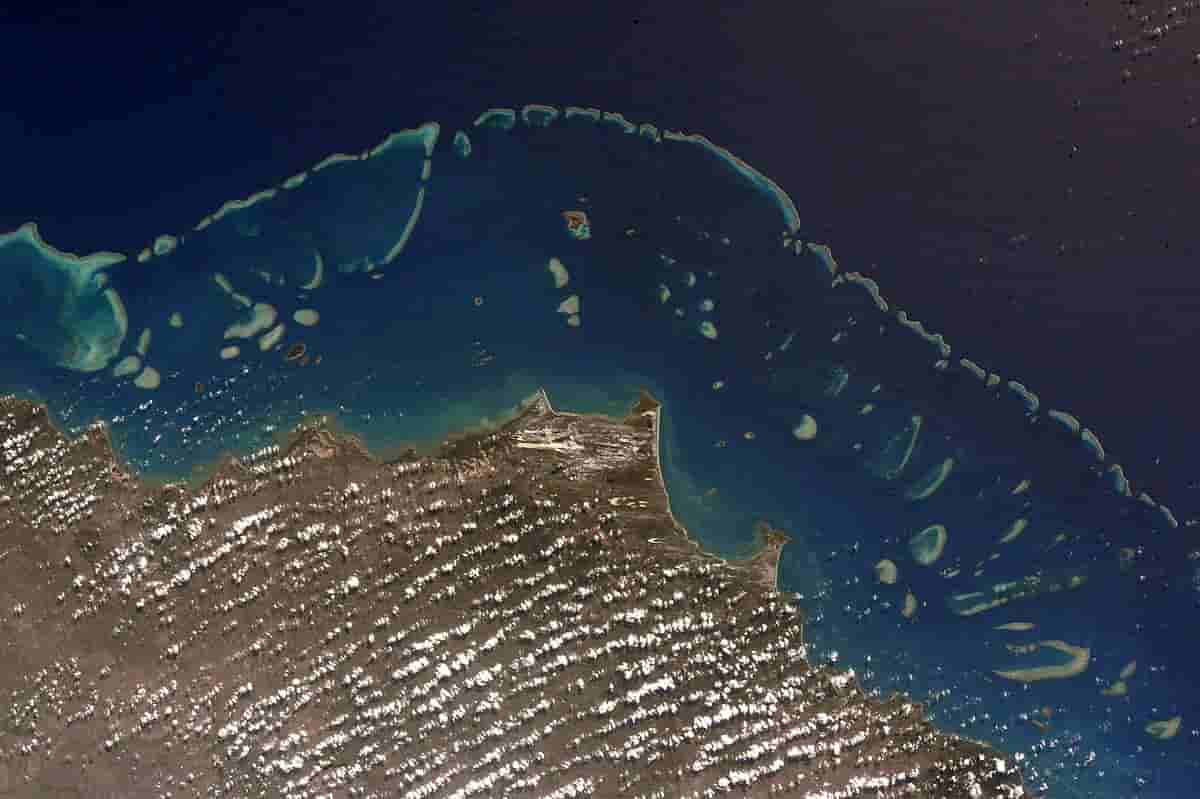
Great Barrier Reef
Explore the world-famous Great Barrier Reef, a vibrant underwater ecosystem teeming with colorful marine life.
Orpheus Island Beaches
Secluded beaches with crystal-clear waters and coral gardens.
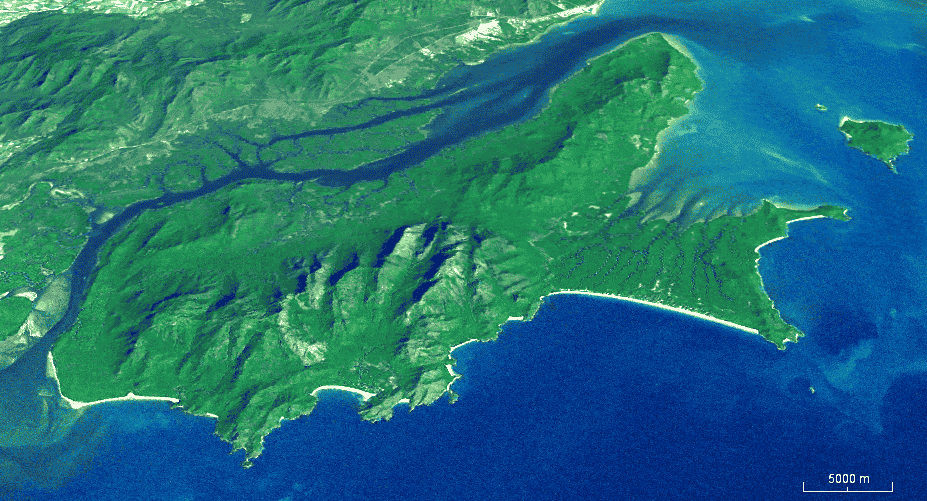
Hinchinbrook Island
A nearby island known for rugged landscapes and hiking trails.
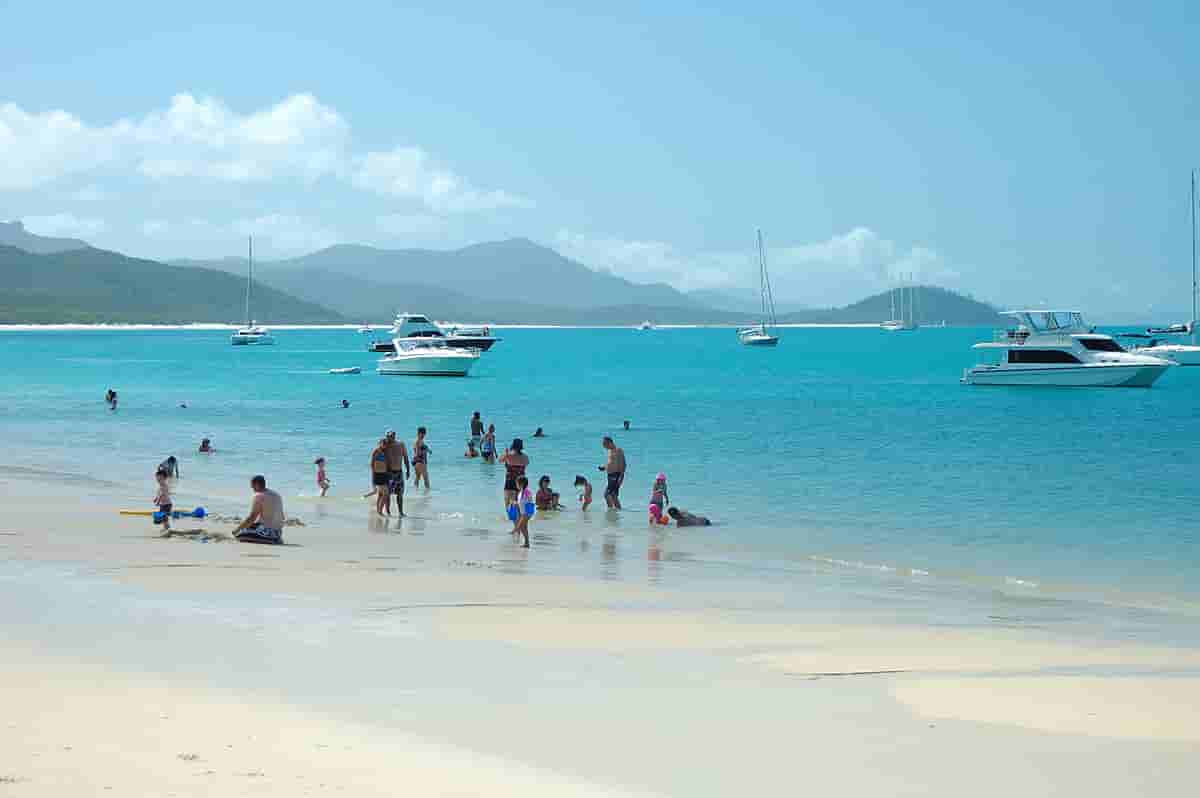
Whitehaven Beach
Known for its pristine white sand and turquoise waters, Whitehaven Beach is a must-visit destination during your stay.
Hamilton Island Marina
Explore the vibrant marina, home to boutique shops, restaurants, and stunning views of the Whitsunday Islands.
Catseye Beach
Beautiful beach on Hamilton Island with water sports and lounging areas.
One Tree Hill
Popular spot for sunset views over the Whitsunday Islands.
Hamilton Island Wildlife Park
Park featuring native Australian animals like koalas and wallabies.

Passage Peak
Hike to the top of Passage Peak for panoramic vistas of the surrounding islands and Great Barrier Reef.
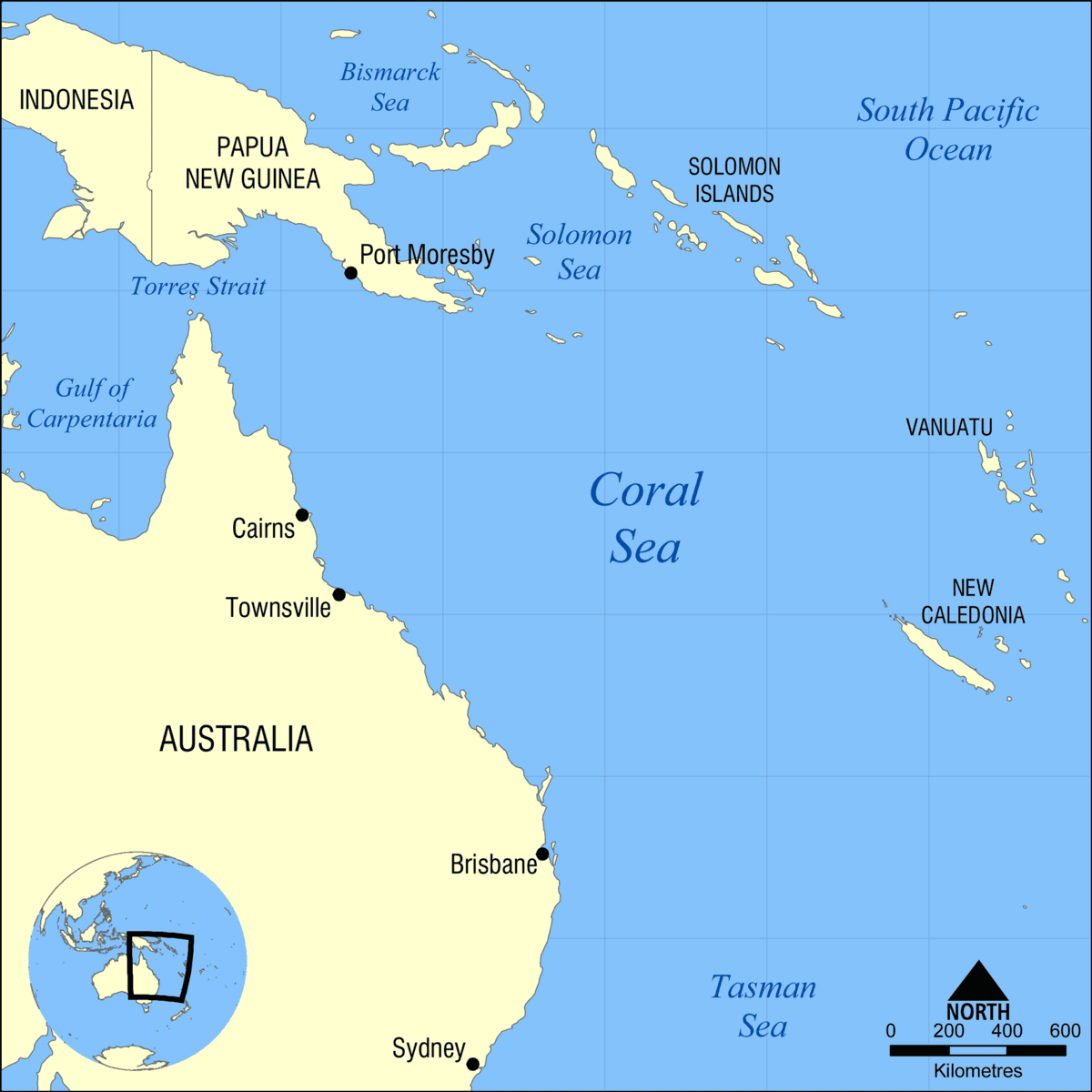
Coral Sea
Marginal sea of the South Pacific with rich marine ecosystems
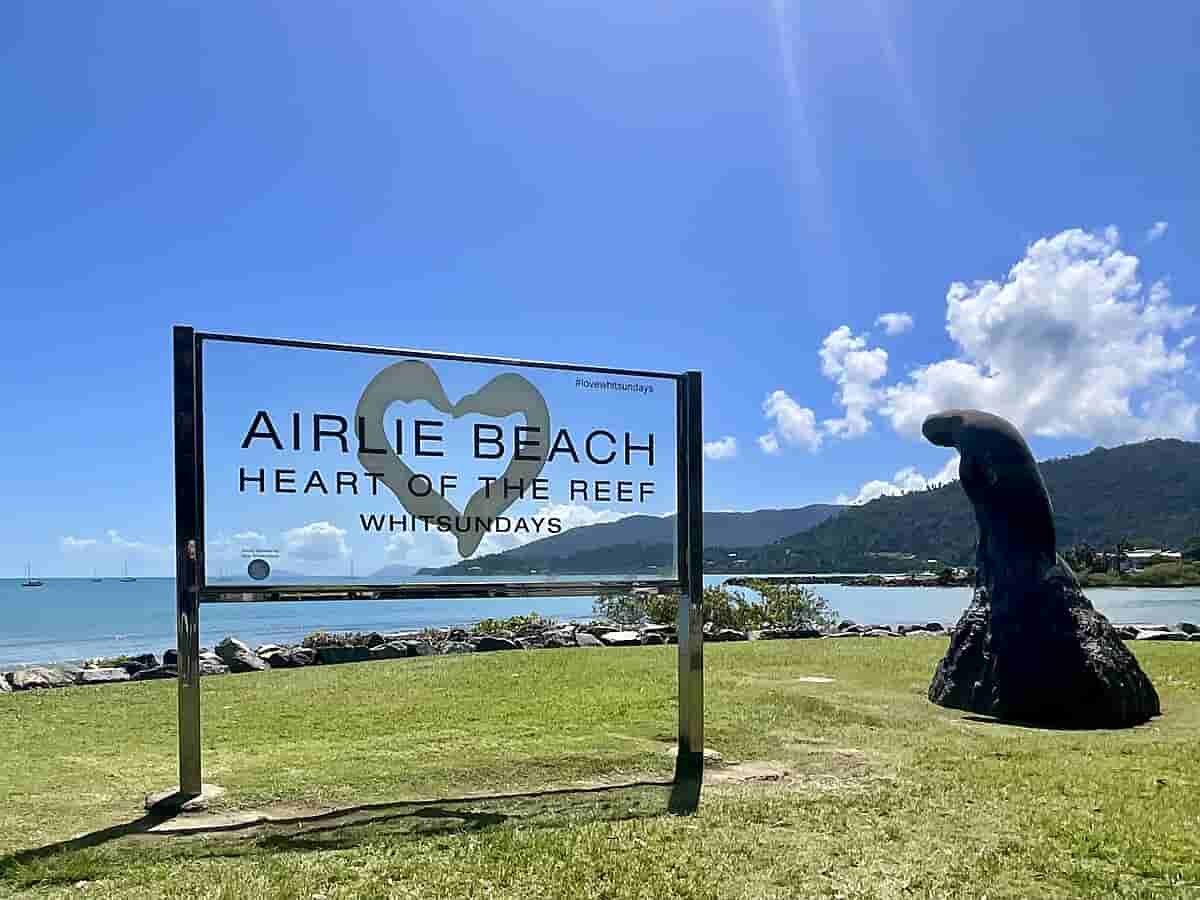
Airlie Beach
Coastal town serving as gateway to the Whitsunday Islands
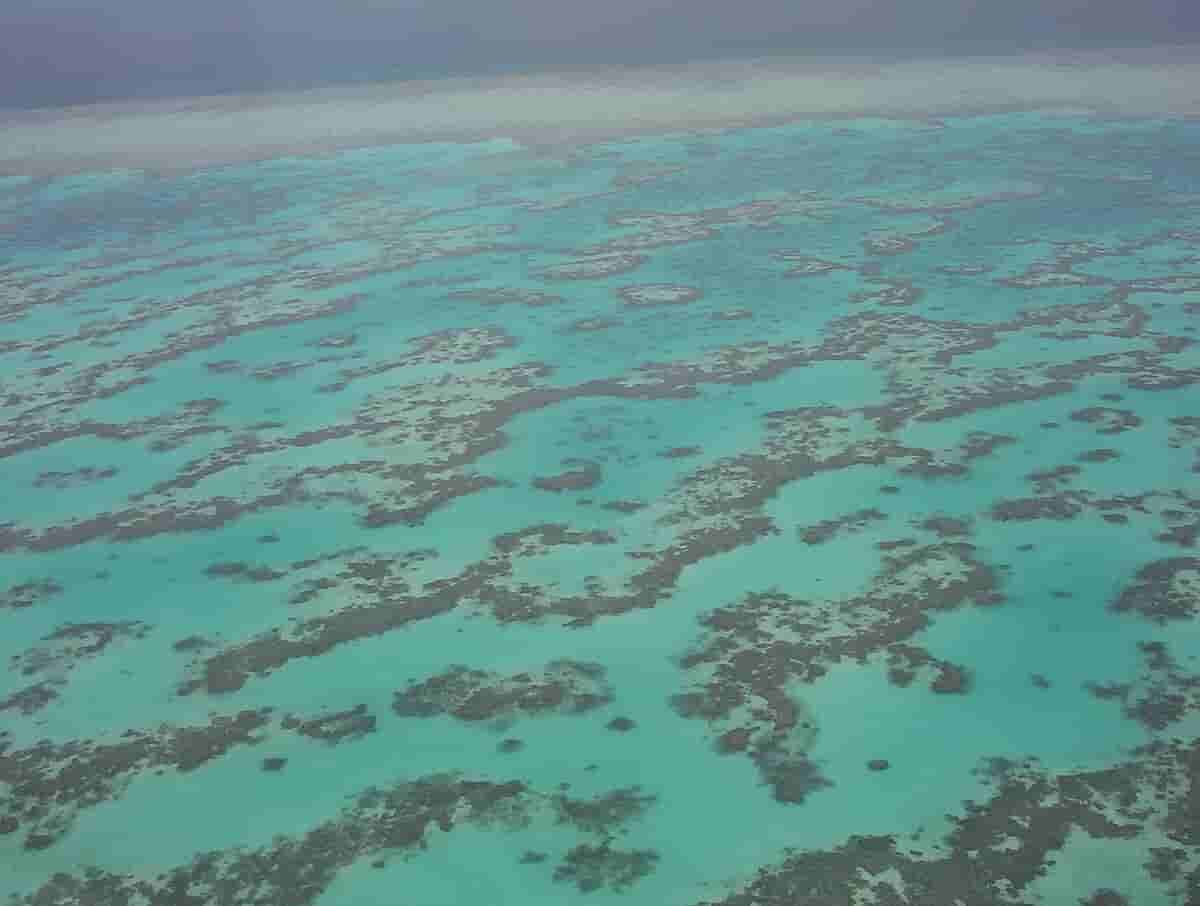
Great Barrier Reef Marina
Main departure point for reef tours and cruises
🏘️ Neighborhoods
Hamilton Island
The largest and most developed resort island in the Whitsundays. Features a marina village, numerous restaurants, and a range of accommodations. Serves as a major hub for Reef and island tours.
The Whitsunday Islands
A collection of 74 islands, most uninhabited, known for stunning beaches like Whitehaven and excellent sailing conditions. Offers resort stays and secluded anchorage.
Cairns & Northern Gateway
The vibrant coastal city of Cairns and nearby Port Douglas are the primary jump-off points for the northern Reef. Bustling with tour operators, hotels, and a lively esplanade.
Airlie Beach & The Mainland Coast
The lively mainland gateway to the Whitsundays. A budget-friendly base with hostels, bars, and a lagoon pool. Where most sailing trips depart from.
Hinchinbrook & Orpheus Islands
Wild, untouched national park islands offering extreme seclusion and pristine nature. Limited, eco-focused accommodation. Access is by light aircraft or boat.
The Outer Reef Pontoons
Not a neighborhood per se, but permanent platforms moored on the outer reef. Offer day trips and sometimes overnight stays for the most immersive reef access.
🍽️ Local Cuisine
The cuisine is a celebration of fresh, local seafood and tropical produce. Signature dishes include succulent mud crab, Moreton Bay bugs (a type of slipper lobster), barramundi fish, and giant tiger prawns. Dining culture is casual and alfresco, emphasizing the connection to the ocean. Must-try foods include fresh oysters from the Whitsundays and tropical fruit like mango and pawpaw. Many resorts offer sophisticated dining, but the best local flavor is often at waterfront taverns in coastal gateway towns. Popular food areas are the marina precincts on Hamilton Island or the esplanades in Cairns and Port Douglas. Price ranges are broad, from affordable fish and chips ($20 AUD) to fine dining degustations ($150+ AUD). Etiquette is relaxed, but booking is essential at popular restaurants. Embrace the 'farm (and reef) to table' philosophy.
💡 Local Tips
🚗 Day Trip Ideas
Whitehaven Beach & Hill Inlet
Visit the famous 7km stretch of pristine white silica sand and the stunning swirling sands of Hill Inlet lookout.
Outer Great Barrier Reef (from Cairns)
Journey to permanent pontoon platforms on the outer reef for world-class snorkeling and diving among vibrant coral gardens.
Whitsunday Islands Sailing Adventure
Spend a day sailing through the iconic islands, stopping at multiple snorkel spots and secluded bays.
Low Isles (from Port Douglas)
A perfect family-friendly day trip to a coral cay with a lighthouse, calm lagoon snorkeling, and beach relaxation.
Hinchinbrook Island
A wilderness day trip for hiking a section of the Thorsborne Trail, spotting wildlife, and experiencing untouched beauty.
Reefsleep Experience (Hardy Reef)
An overnight day trip extension. Spend a day snorkeling and then stay overnight on a reef pontoon under the stars.
🛡️ Safety Tips
The Great Barrier Reef is generally safe, but the environment itself requires respect. The primary risks are natural. Always follow marine safety guidelines: never touch coral, maintain a safe distance from wildlife (including sharks and jellyfish), and during stinger season (Nov-May), wear provided protective suits. Be sun-smart; the Australian sun is intense. Dehydration is a risk, so drink plenty of water. On boats, follow crew instructions. There are few urban scams, but be cautious of overly cheap tour operators who may compromise on safety or environmental standards. Book through reputable companies. Emergency number is 000. Ensure you have adequate travel insurance that covers marine activities and medical evacuation. Check for any current weather warnings before embarking on tours.
💰 Budget Guide
The Great Barrier Reef is a premium destination. A budget traveler focusing on mainland access and a single reef day trip can manage on $150-$200 AUD per day, staying in hostels and self-catering. Mid-range travelers staying in island or coastal resorts, with several tours and meals out, should budget $300-$500 AUD daily. Luxury, including liveaboard dive boats, helicopter tours, and high-end resorts, easily exceeds $700+ AUD per day. Accommodation drives costs, with the average hotel at $187.50/night. Food ranges from $15 for a casual meal to $100+ for fine dining. Transport and tours are the biggest expenses; a basic outer reef day trip starts at $200 AUD, while diving packages and scenic flights cost more. Money-saving tips: visit in shoulder seasons, book multi-day or package deals, stay on the mainland (Cairns/Airlie Beach) and do day trips, bring your own snorkel gear, and utilize free activities like hiking and beachcombing.