Welcome to Gozo
Gozo, Malta's serene sister island, offers a captivating escape where time seems to slow to the rhythm of the Mediterranean. Located just a 25-minute ferry ride northwest of mainland Malta, Gozo is a world apart, characterized by rugged coastlines, rolling hills dotted with ancient farmhouses, and a deep sense of history that permeates its quiet villages. Known as the 'Island of Calypso' from Homer's Odyssey, it promises mythic beauty and authentic Maltese culture far removed from the bustle. With its compact size, Gozo is perfect for a short but immersive getaway, offering a surprisingly robust choice of 78 hotels, from charming farmhouse stays to boutique guesthouses, ensuring every traveler finds their ideal base to explore this tranquil gem. Whether you're drawn to its prehistoric temples, dramatic sea arches, or simply the promise of a slower pace, Gozo delivers an unforgettable and deeply restorative experience.
Overview
Gozo, the second-largest island in the Maltese archipelago, is steeped in a history that stretches back over 7,000 years, home to the UNESCO-listed Ġgantija Temples, which are older than the pyramids of Egypt. The island's culture is deeply rooted in agriculture, fishing, and religious tradition, evident in its many festas (village feasts) and baroque churches. Victoria, also known as Rabat, is the island's historic capital, crowned by the magnificent Citadel offering panoramic views. Beyond the capital, Gozo is a patchwork of quaint villages like Xagħra, Nadur, and Marsalforn, each with its own character. The island is famous for its stunning natural features: the red sands of Ramla Bay, the dramatic inland sea and former Azure Window site at Dwejra, and the secluded coves along its coastline. It's a haven for diving, hiking, and cultural exploration, offering a more rustic and tranquil counterpart to Malta.
🗓️ Best Time to Visit
The best time to visit Gozo is during the shoulder seasons of spring (April to June) and autumn (September to October). These months offer pleasantly warm temperatures, ideal for sightseeing and outdoor activities, with fewer crowds and comfortable swimming conditions. Summer (July and August) is peak season, characterized by hot, dry weather and a lively atmosphere due to local festas and an influx of tourists; however, it can be very crowded and expensive. Winter (November to March) is the off-peak season, with mild temperatures, occasional rain and wind, and significantly fewer tourists, making it perfect for a quiet retreat, though some tourist services may have reduced hours. Major events include the Carnival in February/March, the Santa Marija feast in mid-August in Victoria, and the Nadur Carnival, known for its spontaneous and satirical celebrations.
🌤️ Weather & Climate
Gozo enjoys a typical Mediterranean climate with hot, dry summers and mild, wetter winters. Sunshine is abundant year-round, with summer being virtually rain-free.
Seasons
Spring
💨 Humidity: moderate
Pleasantly warm and sunny, ideal for hiking and sightseeing. Sea temperatures begin to warm up by late spring.
Summer
💨 Humidity: moderate to high
Hot, dry, and sunny with long days. Peak beach and swimming season. Can feel intense in the midday sun.
Autumn
💨 Humidity: moderate
Warm and still swimmable sea early in the season, gradually cooling with increased chance of rain later.
Winter
💨 Humidity: moderate
Mild but can be windy and rainy. Few tourists, perfect for a quiet cultural visit. Sea is cold for swimming.
Monthly Weather Details
January Weather
Best for: cultural sightseeing, quiet retreats
February Weather
Best for: carnival, hiking
March Weather
Best for: spring hiking, wildflowers
April Weather
Best for: sightseeing, outdoor activities
May Weather
Best for: beach, swimming, festivals
June Weather
Best for: diving, beach, festas
July Weather
Best for: peak beach season, nightlife
August Weather
Best for: Santa Marija feast, swimming
September Weather
Best for: warm water swimming, hiking
October Weather
Best for: sightseeing, wine tasting
November Weather
Best for: cultural visits, photography
December Weather
Best for: Christmas celebrations, quiet exploration
🎒 What to Pack
All Year Round
- sunscreen
- sunglasses
- comfortable walking shoes
- light jacket
- adapter plug (Type G)
🚗 Getting Around
Getting around Gozo is relatively straightforward due to its small size. The primary public transport is the bus network, operated by Malta Public Transport, with routes connecting Victoria's main terminal to all major villages and attractions; a day ticket offers unlimited travel. Taxis are available but can be expensive; there are no ride-sharing apps like Uber. Renting a car is a popular and convenient option for exploring remote areas, with several rental agencies available. For the active traveler, walking and biking are excellent ways to experience the countryside, though the hilly terrain can be challenging. Scooter and quad bike rentals are also common. The island is served by the Gozo Channel Ferry from Ċirkewwa, Malta; the transfer is quick and efficient. Most attractions outside Victoria require some form of transport, as walking between villages can be lengthy.
🎯 Top Attractions
Victoria Gate
Historic city gate with stunning views of Gozo.
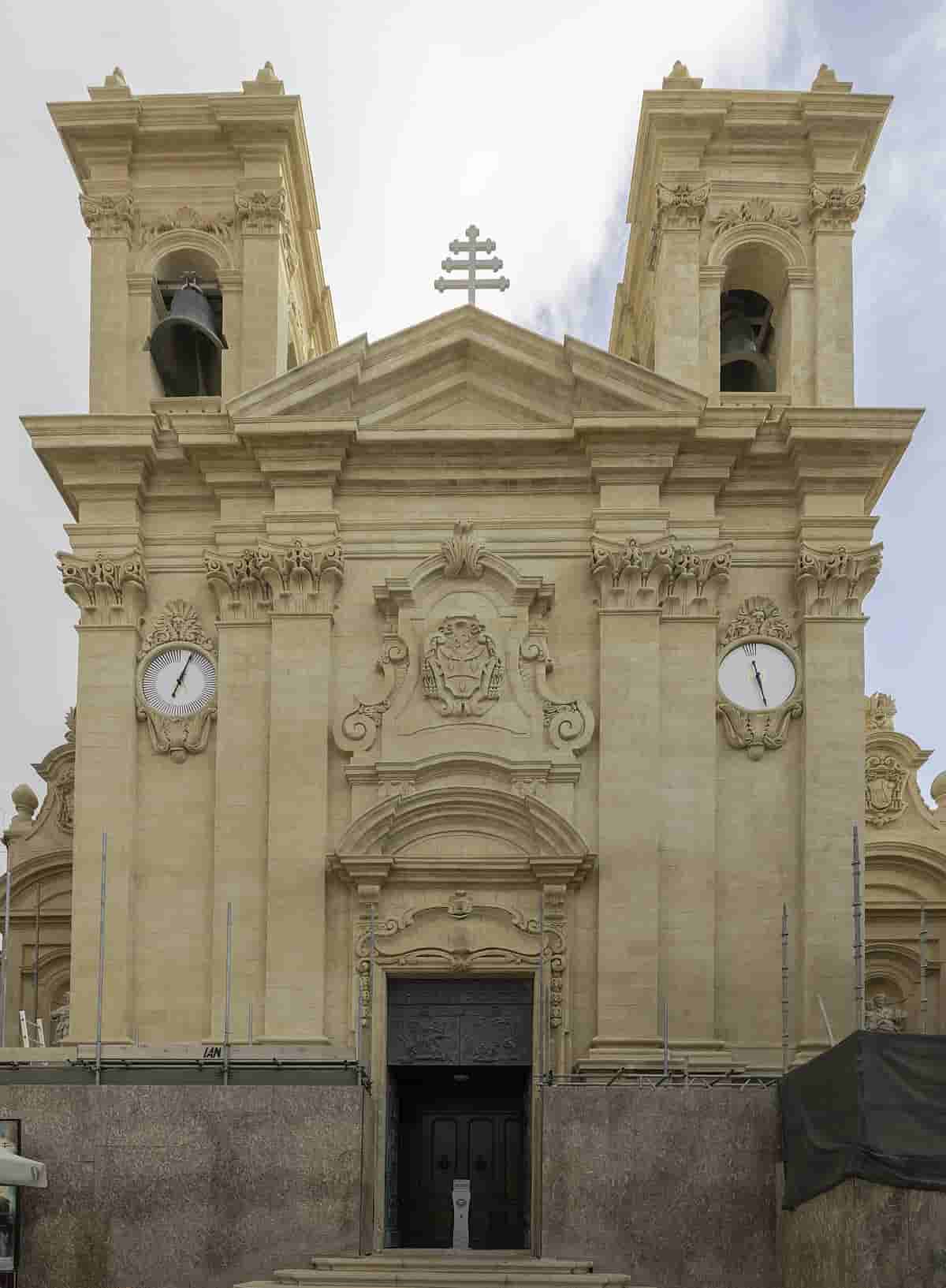
St. George's Basilica
Ornate basilica known for its baroque interior.
Gozo Citadel
A historic fortified city offering panoramic views and museums.
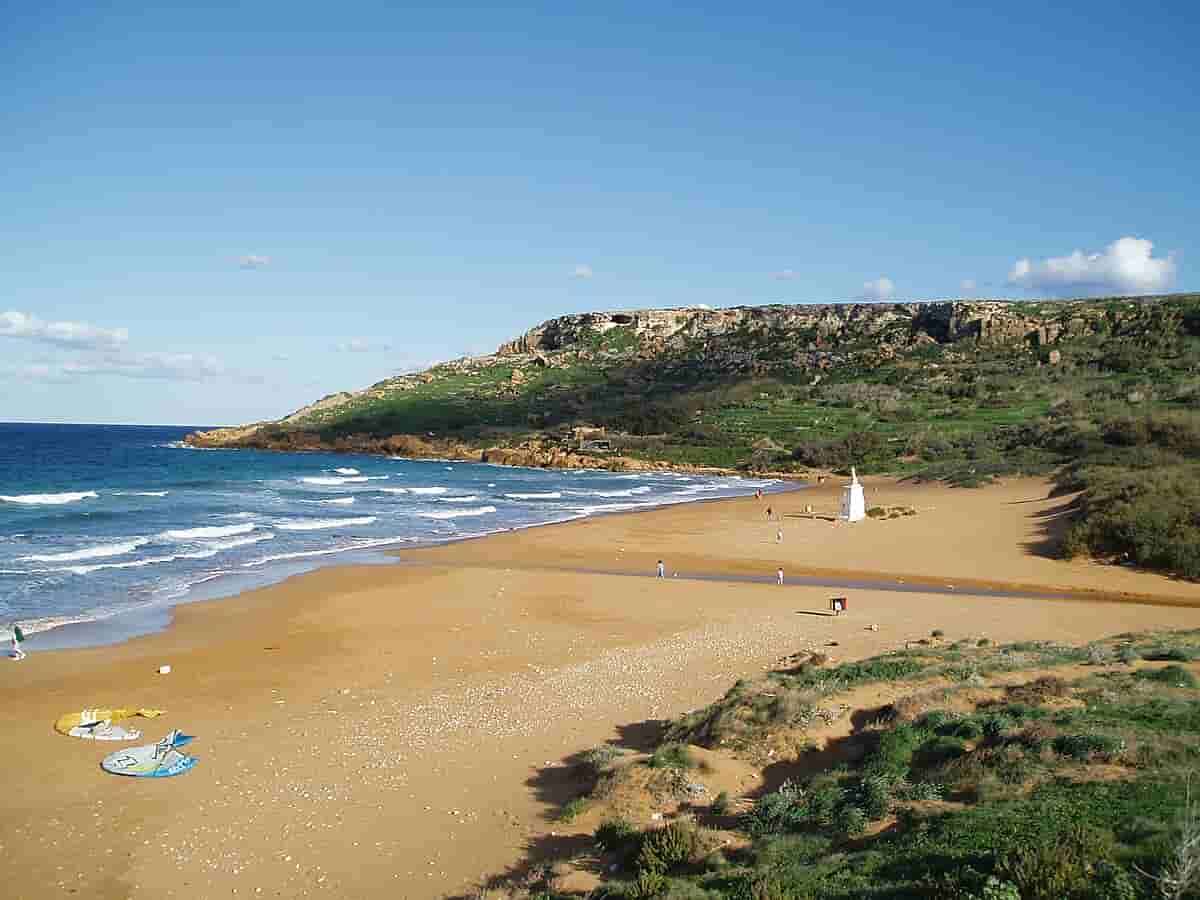
Ramla Bay
A picturesque sandy beach with crystal-clear waters, perfect for swimming, snorkeling, and soaking up the Mediterranean sun.
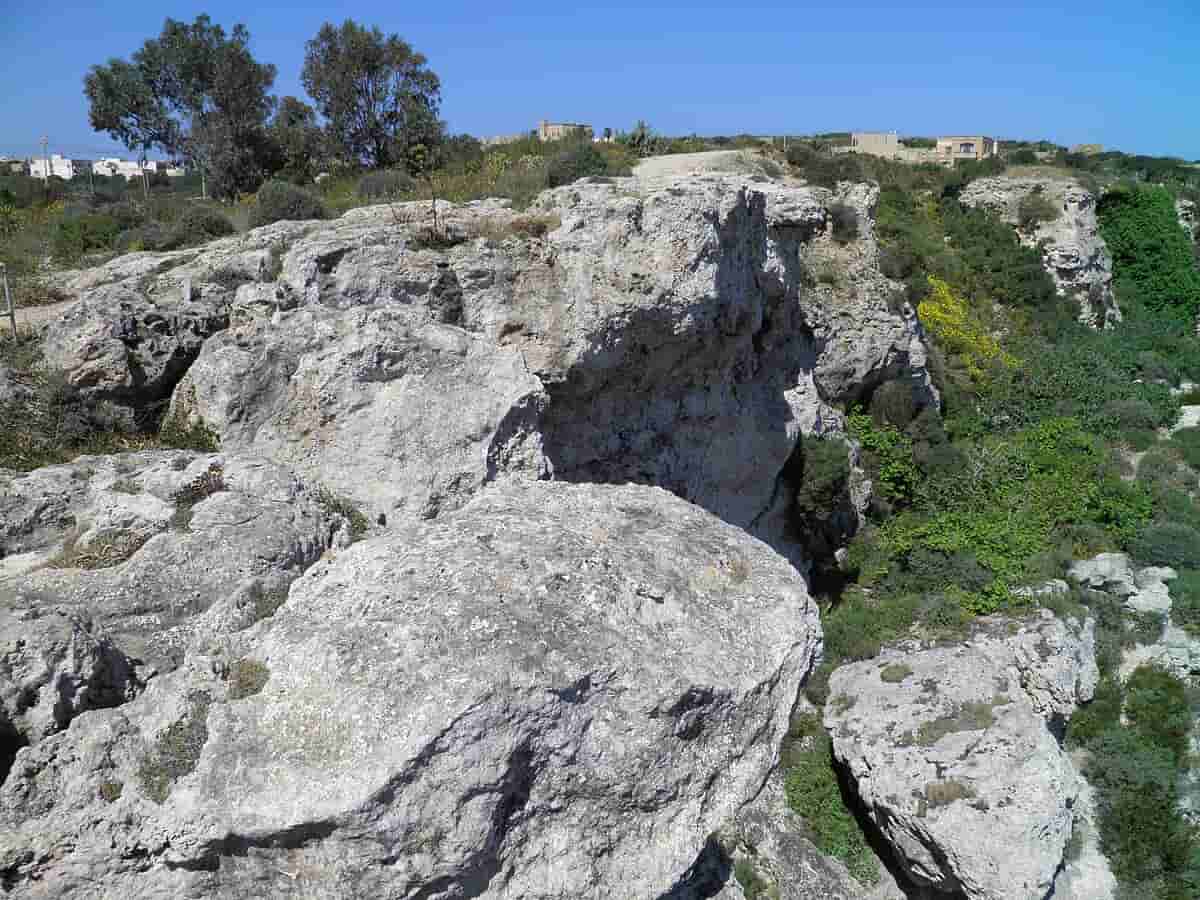
Calypso's Cave
A legendary cave overlooking Ramla Bay, linked to Homer's Odyssey.
Victoria Citadel
A historic fortification in Gozo's capital, providing panoramic island views.
Dwejra Bay
A picturesque coastal area renowned for its stunning natural landscapes, including the iconic Inland Sea and the dramatic Fungus Rock.
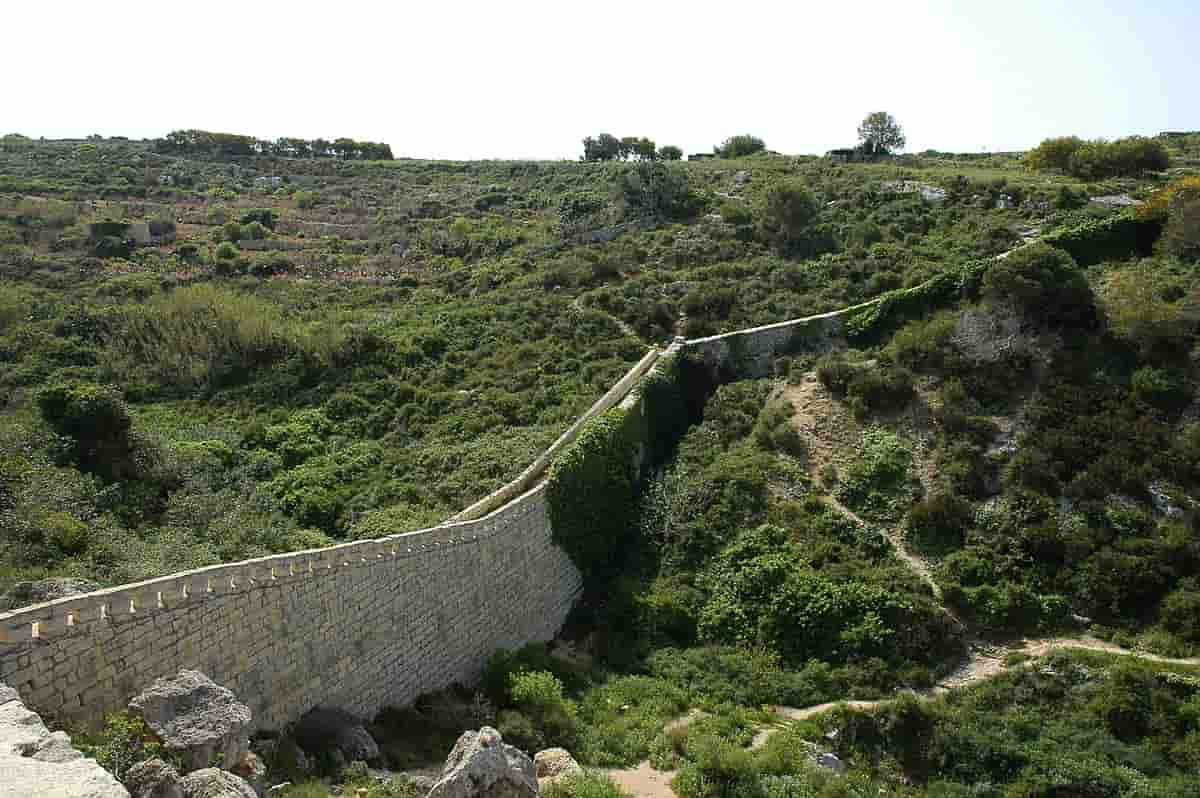
Victoria Lines
A line of fortifications across Malta, offering hiking and historical exploration.
Ġgantija Temples
One of the oldest free-standing monuments in the world, these Neolithic temples offer a glimpse into Malta's fascinating ancient history.
Gozo Cathedral
A Baroque-style cathedral with impressive architecture and historical significance.
Independence Square
Main square in Victoria with cafes and local atmosphere
Victoria (Rabat)
Capital city of Gozo with a historic citadel.
🏘️ Neighborhoods
Victoria (Rabat)
The historic capital and transport hub, dominated by the magnificent Citadel. A maze of narrow streets filled with shops, cafes, and cultural sites.
Marsalforn
A popular seaside resort town with a long, curved bay. Lined with restaurants and bars, it's bustling in summer and quiet in winter.
Xlendi
A picturesque fishing village nestled in a narrow, cliff-lined cove. Excellent for swimming, diving, and enjoying sunset dinners by the water.
Xagħra
A large village perched on a plateau, home to the Ġgantija Temples and the scenic Ramla Bay. Offers rural charm and significant historical sites.
Nadur
Known for its breathtaking views from Ta' Kenuna Tower, its vineyards, and its famously unconventional Carnival. A quieter, more residential base.
Mgarr
The island's ferry port village. A functional area with some good seafood restaurants, useful for quick access to and from Malta.
San Lawrenz
A tranquil village near the dramatic coastline of Dwejra Bay (Inland Sea, Fungus Rock). Ideal for nature lovers and those seeking solitude.
Qala
A peaceful eastern village with stunning harbor views towards Comino. Offers a quiet, authentic experience away from the main tourist tracks.
🍽️ Local Cuisine
Gozitan cuisine is a hearty reflection of its agrarian and maritime heritage. Signature dishes include 'Ġbejna' (small, peppery sheep or goat's cheese), 'Fenkata' (stewed rabbit), and 'Lampuki Pie' (fish pie). Fresh seafood is abundant, with octopus stew and grilled fish being staples. Must-try foods also include 'Hobż biż-żejt' (rustic bread dipped in olive oil and rubbed with tomatoes, topped with tuna, capers, and onions) and pastizzi (flaky pastry filled with ricotta or mushy peas). Dining culture is relaxed and family-oriented. Popular food areas include the Marsalforn and Xlendi waterfronts for seafood, and Victoria's market area for casual bites. Meals at local 'hobż' shops or bars are very affordable, while sit-down restaurant meals are mid-range. A service charge is often included; tipping an extra 5-10% for good service is appreciated but not obligatory.
💡 Local Tips
🚗 Day Trip Ideas
Comino Island & Blue Lagoon
A short boat ride to this tiny, car-free island famous for its stunning, turquoise Blue Lagoon. Perfect for swimming, snorkeling, and hiking.
Valletta, Malta
Take the ferry to Malta and explore the magnificent Baroque capital, a UNESCO World Heritage site, with its fortifications, palaces, and museums.
The Three Cities (Vittoriosa, Senglea, Cospicua)
Discover the historic heart of the Knights of St. John across the Grand Harbour from Valletta, offering incredible maritime history and quieter streets.
Mdina & Rabat, Malta
Visit Malta's ancient, silent city of Mdina and the adjacent town of Rabat, with its Roman catacombs and rich history.
Popeye Village (Anchor Bay)
A fun, family-oriented trip to the original film set of the 1980 musical 'Popeye', now a small theme park and swimming area.
🛡️ Safety Tips
Gozo is an exceptionally safe destination with very low crime rates. Violent crime is rare, and the main concerns are typical of any tourist area: petty theft like pickpocketing in crowded places. Be cautious when leaving valuables in rental cars or on beaches. There are no specific areas to avoid, but standard vigilance is advised at night. Emergency numbers are 112 for police, ambulance, and fire. Health risks are minimal; ensure you have the European Health Insurance Card (EHIC) or travel insurance. The sun can be very strong, so use high-SPF sunscreen and stay hydrated. When swimming, heed warning flags at beaches, as currents can be strong. Road safety is important; drive cautiously on narrow, winding country lanes.
💰 Budget Guide
Gozo can cater to various budgets. A budget traveler can manage on €50-70 per day by staying in hostels or budget guesthouses (€25-40), eating pastizzi and ftira sandwiches (€5-10 per meal), using buses (€1.50/ride, €2.50 day ticket), and enjoying free sights like beaches and citadels. A mid-range traveler should budget €100-150 per day for a comfortable hotel or farmhouse (€60-100), restaurant meals (€15-25), occasional taxis, and paid attractions like Ġgantija (€9). Luxury travelers can spend €200+ per day on boutique hotels, fine dining, private tours, and car rentals. Money-saving tips include visiting in the off-season, self-catering in a farmhouse, purchasing a 7-day Explore Plus card for buses, picnicking with local produce, and enjoying the many free natural and historical sites.