Welcome to Gongju-si
Nestled in the heart of Chungcheongnam-do, Gongju-si is a city where the echoes of ancient royalty whisper through serene landscapes and modern streets. As the former capital of the Baekje Kingdom, one of Korea's Three Kingdoms, Gongju is not merely a destination but a living museum, offering a profound journey into a pivotal era of Korean history. The city masterfully balances its deep historical roots with contemporary comforts, including a selection of 79 hotels that cater to every traveler's need, ensuring a restful stay after days of exploration. Visitors are greeted by the majestic Gongsanseong Fortress, a UNESCO World Heritage site that stands guard over the Geumgang River, and the meticulously reconstructed Baekje Cultural Land, which transports you back 1,500 years. Gongju's unique charm lies in its ability to make history tangible and immersive, from royal tombs to traditional hanok villages, all set against the backdrop of the stunning Gyeryongsan National Park. It's a compact, walkable city where every corner holds a story, making it an essential and enriching stop on any South Korean itinerary.
Overview
Gongju-si served as the capital of the Baekje Kingdom from 475 to 538 AD, a period that left an indelible mark on its identity. Today, the city is globally recognized as part of the Baekje Historic Areas, a UNESCO World Heritage designation that underscores its immense cultural value. The city's fame is intrinsically linked to this ancient kingdom, with its crown jewel being the Royal Tomb of King Muryeong, an archaeological marvel discovered intact with thousands of artifacts. Culturally, Gongju is a guardian of Baekje traditions, which are celebrated through festivals, performances at the Baekje Cultural Land, and exhibits at the superb Gongju National Museum. The city is not large, with its main districts and attractions clustered conveniently. The historic core revolves around Gongsanseong Fortress and the adjacent Hanok Village, while more modern administrative and commercial areas spread outward. The city is also the gateway to the spiritual and natural wonders of Gyeryongsan National Park, a sacred mountain area dotted with temples like Magoksa. Gongju's essence is one of dignified history, peaceful natural beauty, and a proud, preserved heritage that feels both grand and intimate.
🗓️ Best Time to Visit
The best times to visit Gongju are during the mild and colorful seasons of spring (April to early June) and autumn (September to November). Spring brings comfortable temperatures, blooming cherry blossoms around the fortress, and the vibrant Baekje Cultural Festival in October, which is actually held in autumn but celebrates the season's harvest and history. Autumn offers crisp air, stunning fall foliage, especially in Gyeryongsan National Park, and is ideal for hiking and outdoor sightseeing. Summer (July-August) is hot, humid, and rainy due to the monsoon season, which can hinder extensive outdoor exploration, though it's lush and green. Winter (December-February) is cold and dry, with occasional snow, offering a stark, quiet beauty at the historic sites with fewer crowds. Peak tourist seasons align with the spring blossoms, autumn foliage, and major festivals, while off-peak periods in deep summer and winter offer better hotel rates among the city's 79 options and a more solitary experience. Major events are concentrated in fall with the Baekje Cultural Festival, but spring also sees various cultural performances and flower festivals.
🌤️ Weather & Climate
Gongju experiences a temperate climate with four distinct seasons. Summers are hot and humid with significant monsoon rain, while winters are cold and dry with occasional snowfall. Spring and autumn are mild and pleasant.
Seasons
Spring
💨 Humidity: moderate
Mild and pleasant with blooming flowers. Ideal for outdoor sightseeing and festivals.
Summer
💨 Humidity: high
Hot, humid, and rainy, especially during the July monsoon. Best for indoor museums and early morning visits.
Autumn
💨 Humidity: moderate
Cool, crisp air and vibrant fall foliage. Perfect for hiking and outdoor cultural sites.
Winter
💨 Humidity: low
Cold and dry with occasional snow. Historic sites offer stark beauty with few crowds.
Monthly Weather Details
January Weather
Best for: indoor museums, quiet sightseeing
February Weather
Best for: indoor museums, quiet sightseeing
March Weather
Best for: early spring walks, cultural sites
April Weather
Best for: cherry blossom viewing, sightseeing
May Weather
Best for: outdoor activities, festivals
June Weather
Best for: indoor attractions, early hikes
July Weather
Best for: indoor museums, planning for rain
August Weather
Best for: indoor museums, planning for rain
September Weather
Best for: hiking, outdoor sightseeing
October Weather
Best for: fall foliage, major festivals
November Weather
Best for: hiking, cultural sites
December Weather
Best for: indoor museums, quiet sightseeing
🎒 What to Pack
All Year Round
- comfortable walking shoes
- power adapter
- reusable water bottle
🚗 Getting Around
Gongju is a highly walkable city, especially around its main historic cluster of the fortress, museum, and hanok village. For slightly longer distances, the local bus network is efficient and affordable, with most routes connecting the bus terminal, train station, and major attractions; fares are typically around 1,300 KRW per ride. Taxis are plentiful and relatively inexpensive, providing a convenient door-to-door option; base fare starts at approximately 3,800 KRW. Ride-sharing services like Kakao T are widely used and require the app. For cycling enthusiasts, renting a bicycle is a delightful way to explore the riverside paths and historic areas. Gongju does not have its own airport; the nearest major airport is Incheon International Airport (ICN). From there, travelers can take a direct airport bus or a combination of train (to Cheonan-Asan Station) and intercity bus to reach Gongju, with the journey taking about 2.5 to 3 hours. Having a T-money or Cashbee card for public transport is highly recommended for convenience.
🎯 Top Attractions
Gongsanseong Fortress
A UNESCO World Heritage site, this mountain fortress offers historical ruins and scenic hikes.
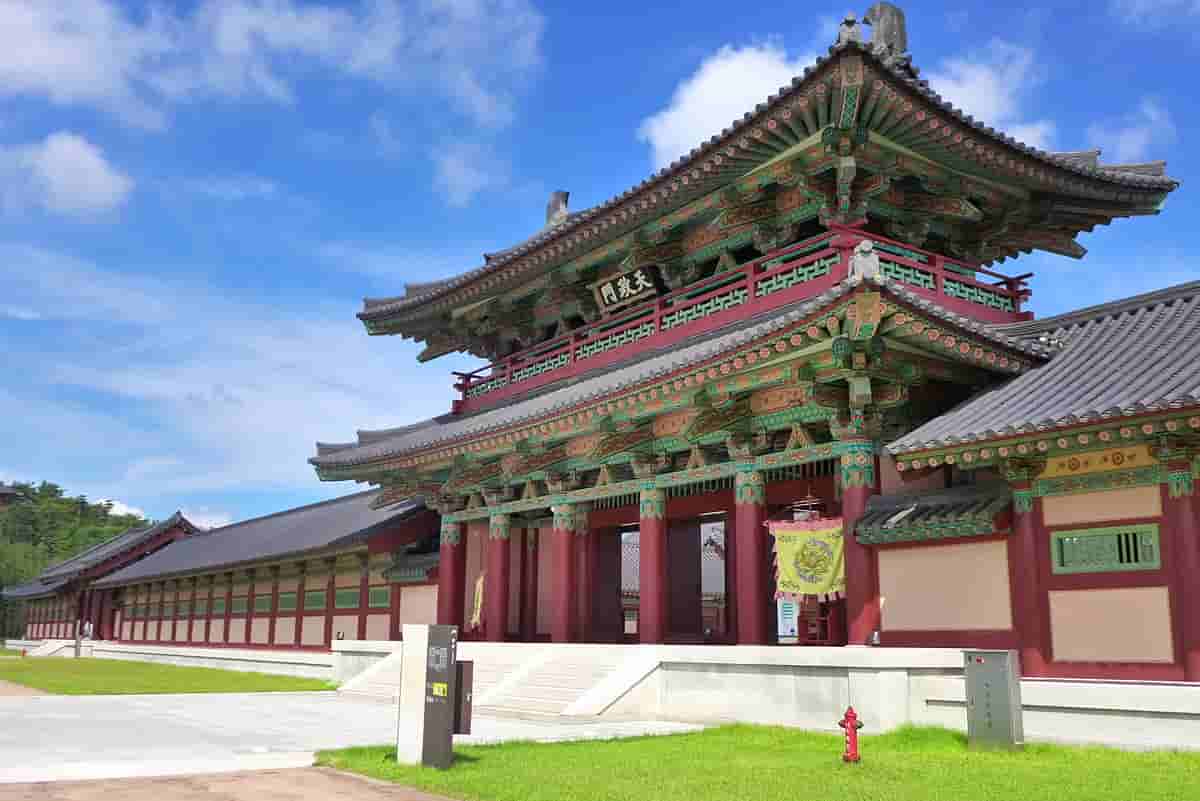
Baekje Cultural Land
A large historical theme park recreating the atmosphere of the Baekje era.
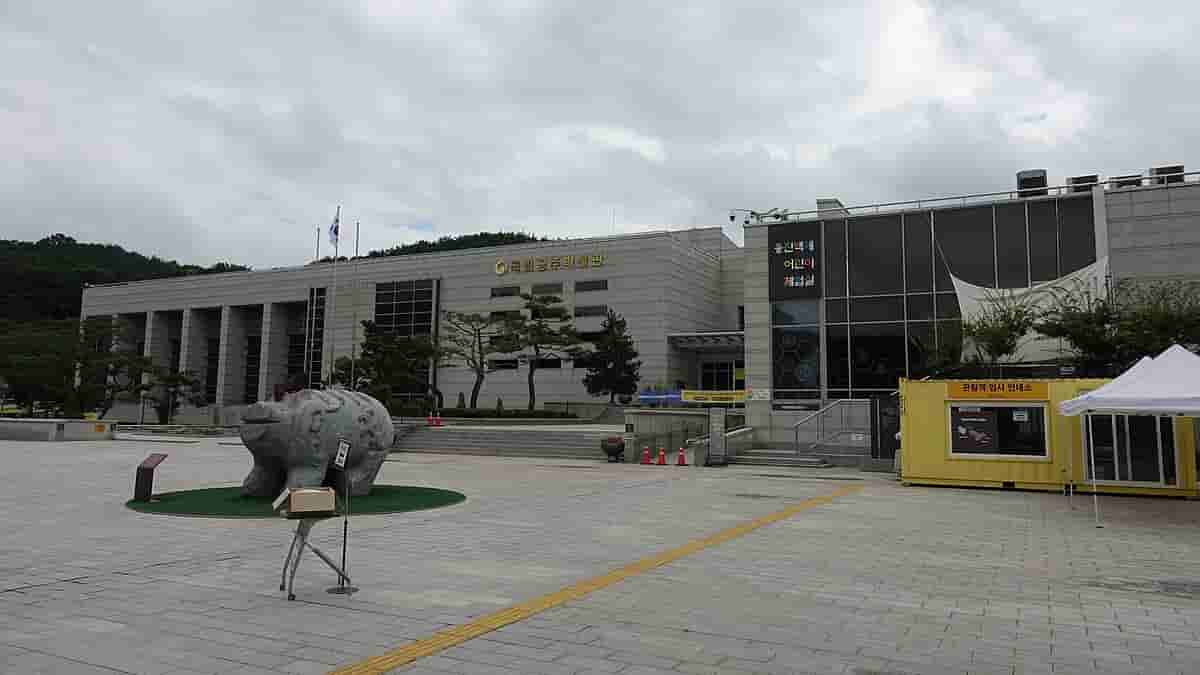
Gongju National Museum
Museum housing relics from the Baekje Kingdom, including the King Muryeong's tomb artifacts.
Magoksa Temple
Beautiful Buddhist temple nestled in the mountains with serene atmosphere.
Royal Tombs of King Muryeong
Ancient tumuli from the Baekje period.
Gongju Gwanghallu
A picturesque pavilion and garden complex located by a river.
Royal Tomb of King Muryeong
Ancient Baekje tomb museum showcasing artifacts and history.
Gongju Gongsanseong Fortress
A mountain fortress from the Baekje Kingdom with historical significance and views.
Gongju Hanok Village
A traditional Korean village area with well-preserved hanok houses and cultural experiences.
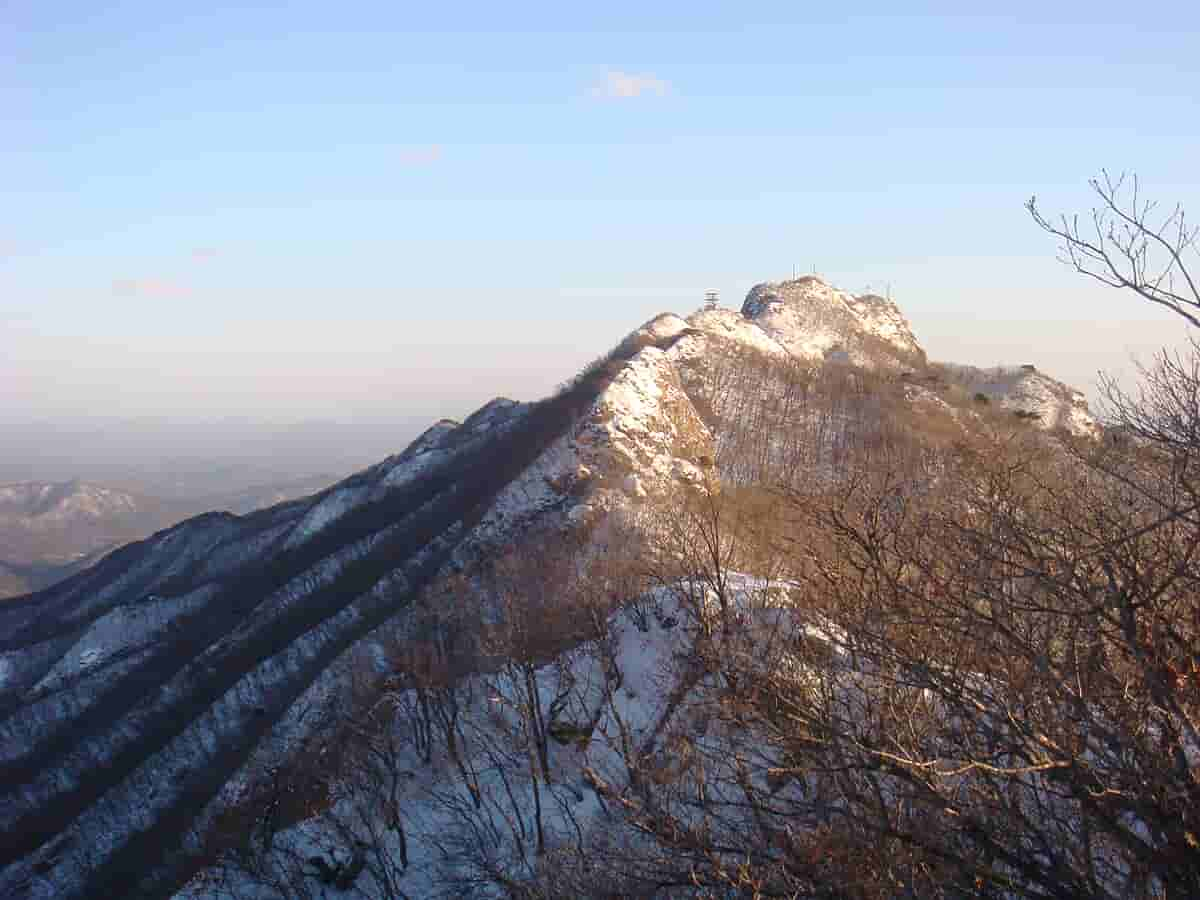
Gyeryongsan National Park
A beautiful national park famous for its rocky peaks, hiking trails, and temples.
Donghaksa Temple
A Buddhist temple located within Gyeryongsan National Park, known for its serene atmosphere.
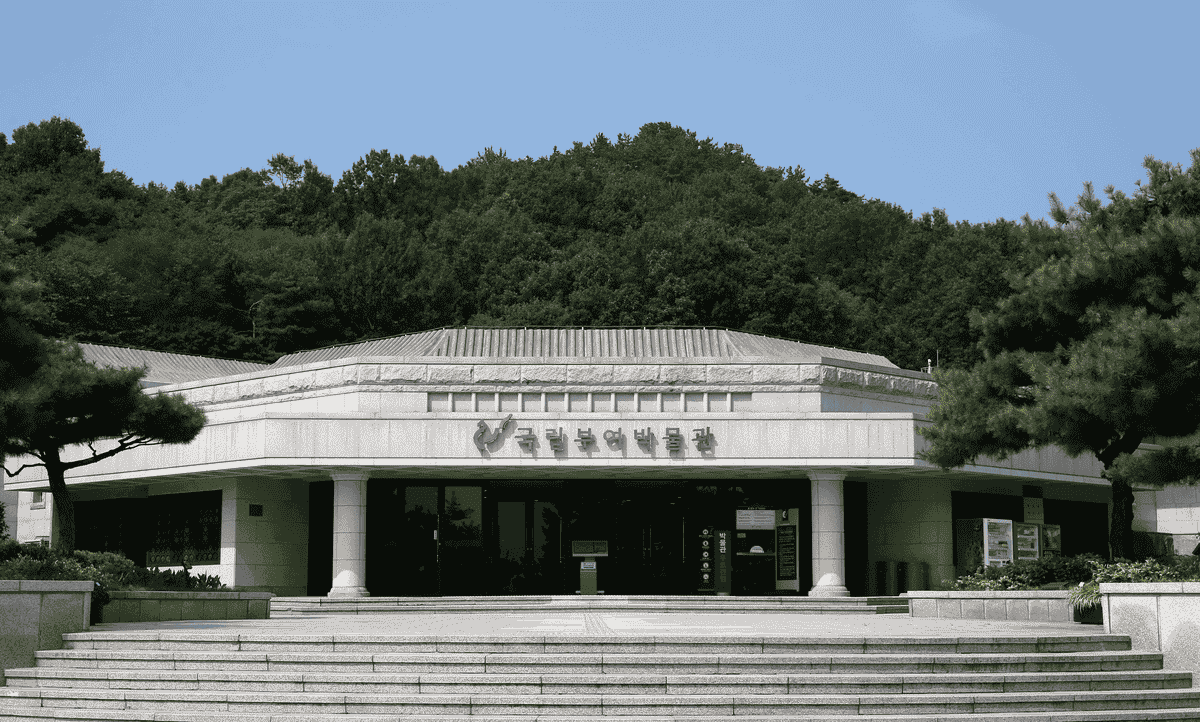
Buyeo National Museum
A major museum showcasing the rich history of the Baekje Kingdom's later capital.
🏘️ Neighborhoods
Gongsanseong Historic Core
The heart of ancient Baekje, encompassing the fortress, national museum, royal tombs, and Hanok Village. Walking distance to major UNESCO sites.
Jungang-dong (Central)
The modern downtown area around the bus terminal and Jungang Market. Bustling with shops, restaurants, and convenient transportation links.
Gyeryongsan Gateway
Areas on the outskirts near the entrance to Gyeryongsan National Park and temples like Magoksa. Surrounded by natural beauty and tranquility.
Baekje Cultural Land Area
The vicinity of the large historical theme park. Offers immersive Baekje-era atmosphere and accommodations themed around the period.
Geumgang Riverside
Districts along the Geum River, featuring parks, walking paths, and scenic views. A peaceful area for relaxation and strolls.
University District
Near Kongju National University. Lively with affordable eateries, cafes, and a youthful vibe. More casual nightlife options.
🍽️ Local Cuisine
Gongju's cuisine is hearty and rooted in the agricultural and royal traditions of the Baekje region. A must-try signature dish is Gongju Ttukbaegi Bulgogi, sizzling marinated beef cooked in a traditional clay pot, which is both flavorful and a cultural experience. Other local specialties include dishes featuring freshwater fish from the Geumgang River and wild greens from Gyeryongsan Mountain. Dining culture ranges from casual street food stalls near markets to traditional restaurants serving hanjeongsik (Korean table d'hôte). The Jungang Market is the best area to sample diverse, affordable street food and local ingredients. For a more curated experience, the Baekje Cultural Land has restaurants offering historical-themed meals. Price ranges are reasonable: a street food snack can cost 2,000-5,000 KRW, a simple meal 8,000-15,000 KRW, and a full-course traditional meal 20,000-40,000 KRW per person. Basic etiquette applies: wait to be seated, use both hands when receiving or giving items, and do not stick chopsticks upright in rice. It's polite to try a bit of every side dish offered.
💡 Local Tips
🚗 Day Trip Ideas
Buyeo
The other Baekje capital, home to more UNESCO sites like Busosanseong Fortress and the beautiful Baekje Royal Tombs.
Daejeon
A major metropolitan hub with science museums, Expo Park, vibrant shopping districts, and a diverse food scene.
Gyeryongsan National Park
A full day of hiking to serene temples like Donghaksa and Gapsa, with stunning mountain scenery and waterfalls.
Cheongyang
Famous for its apples and the picturesque Cheongyang Alps Village, offering seasonal fruit picking and scenic views.
Boryeong
Known for its famous mud festival (in July) and beautiful beaches like Daecheon Beach for a coastal escape.
Seosan
Visit the stunning Ganwolam Temple on a seaside cliff and the important bird sanctuary at Seosan Birdland.
🛡️ Safety Tips
Gongju is an exceptionally safe city with very low crime rates. Violent crime against tourists is extremely rare. Standard precautions apply: be aware of your surroundings in crowded places like markets, secure your valuables, and use hotel safes. There are no notable tourist-targeted scams, but always confirm taxi fares or use the meter. No specific areas require heightened caution. For emergencies, dial 112 for police and 119 for fire and medical services. English-speaking operators may be limited, so having your hotel's address written in Korean is helpful. Health-wise, tap water is generally safe but most locals drink bottled or filtered water; it's advisable for visitors to do the same. Pharmacies ("yakguk") are widely available for minor ailments. Ensure you have comprehensive travel insurance. The roads are safe, but be cautious when crossing, as pedestrian right-of-way is not always observed.
💰 Budget Guide
Gongju is a very affordable destination compared to major Korean cities. A budget traveler can manage on 50,000-70,000 KRW per day, staying in hostels or budget hotels (from 40,000 KRW/night), eating at markets and casual eateries, and using public transport. Mid-range travelers should budget 100,000-150,000 KRW per day, covering a comfortable hotel (around the 113 USD/night average), meals at sit-down restaurants, taxi rides, and entrance fees to major attractions. A luxury daily budget of 250,000+ KRW affords high-end hotels, fine dining, private tours, and premium experiences. Key costs: a museum entry is 1,500-2,000 KRW, Gongsanseong Fortress is free, a local bus ride is 1,300 KRW, and a hearty meal is 8,000-15,000 KRW. Money-saving tips: purchase a combined ticket for Baekje Cultural Land attractions, take advantage of free admission days at museums (often last Wednesday of the month), walk between close historic sites, and eat at Jungang Market for cheap, authentic food. Staying 1-2 days as recommended keeps overall costs low.