Welcome to Gifu
Nestled in the heart of Japan's main island, Gifu is a city where history flows as steadily as the Nagara River that bisects it. This is a place of dramatic landscapes and ancient traditions, offering a profound escape from the neon-lit frenzy of Japan's megacities. Gifu's significance is anchored in its role as a historic crossroads and its preservation of 'ukai,' the mesmerizing art of cormorant fishing, a practice dating back over 1,300 years. The city's skyline is dominated by Mount Kinka, crowned by the formidable Gifu Castle, accessible by a scenic ropeway. With its blend of natural beauty, deep cultural heritage, and accessible urban comforts—including a selection of 57 hotels catering to various tastes and budgets—Gifu presents an authentic and captivating slice of Japan. Whether you're watching master fishermen work with their avian partners under the glow of lantern light or exploring serene Japanese gardens, Gifu promises an experience that is both tranquil and deeply memorable.
Overview
Gifu, the capital of Gifu Prefecture, is a city steeped in the samurai era, famously associated with the warlord Oda Nobunaga who made Gifu Castle his base in the 16th century. The city's identity is intrinsically linked to the Nagara River and the ancient practice of cormorant fishing (ukai), a symbolic tradition that continues every summer night. Culturally, Gifu is known for its traditional crafts, including Mino ware pottery and Gifu lanterns and umbrellas. The main districts include the area around JR Gifu Station, a modern transit hub with shopping and dining, and the historic riverfront near the Cormorant Fishing Viewing area and Gifu Park. The city is also a gateway to the scenic Hida region. Gifu is famous for its castle, its unique fishing method, beautiful parks like Shirotori Garden, and as a center for high-quality cutlery and paper products. It offers a quieter, more historical counterpoint to the bustling metropolises nearby.
🗓️ Best Time to Visit
The best time to visit Gifu is during spring (March to May) and autumn (September to November). Spring brings mild temperatures and the stunning cherry blossoms in Gifu Park, creating a magical atmosphere. Autumn offers crisp air and vibrant fall foliage, especially beautiful from the heights of Mount Kinka. Summer (June to August) is the peak season due to the cormorant fishing viewing events, which run from May to October, but it can be hot and humid. The summer also features lively festivals. Winter (December to February) is the off-peak season; it's cold but less crowded, and seeing Gifu Castle against a snowy backdrop is spectacular. Major seasonal events include the Gifu Festival in April, the Nagara River Ukai (cormorant fishing) season from May to October, and autumn leaf-viewing events in November.
🌤️ Weather & Climate
Gifu has a humid subtropical climate with four distinct seasons. Summers are hot and humid, while winters are cold with occasional snowfall. The region experiences a noticeable rainy season in early summer.
Seasons
Spring
💨 Humidity: moderate
Mild and pleasant, perfect for cherry blossom viewing and outdoor exploration. Evenings can be cool.
Summer
💨 Humidity: high
Hot, humid, and rainy, especially during the June-July rainy season. Ideal for cormorant fishing viewing on the river.
Autumn
💨 Humidity: moderate
Crisp, comfortable weather with stunning fall foliage, especially in November. A prime time for visiting.
Winter
💨 Humidity: moderate
Cold with occasional snow, particularly in January and February. Clear skies offer beautiful views of the snow-capped castle.
Monthly Weather Details
January Weather
Best for: castle views, indoor museums
February Weather
Best for: winter scenery, onsen visits
March Weather
Best for: early spring walks
April Weather
Best for: cherry blossom viewing
May Weather
Best for: outdoor activities, start of ukai
June Weather
Best for: rainy season, lush greenery
July Weather
Best for: cormorant fishing, summer festivals
August Weather
Best for: festivals, river activities
September Weather
Best for: late summer ukai
October Weather
Best for: pleasant sightseeing
November Weather
Best for: autumn foliage
December Weather
Best for: illuminations, year-end visits
🎒 What to Pack
All Year Round
- comfortable walking shoes
- power adapter
- portable Wi-Fi or SIM card
🚗 Getting Around
Gifu has an efficient public transportation system centered on buses and trains. The main JR Gifu Station and Meitetsu Gifu Station are hubs for regional rail travel. City buses, particularly the Gifu Bus and Meitetsu Bus networks, are the primary way to reach major attractions like Gifu Park and the Mount Kinka Ropeway. A one-day bus pass is a cost-effective option for tourists. Taxis are readily available but expensive. Ride-sharing services like Uber are limited. Walking is pleasant in the central areas, especially along the Nagara River and in the park. Biking is also a great option, with rental cycles available. For airport transfers, Chubu Centrair International Airport (NGO) is about 90 minutes away via Meitetsu train and bus. Nagoya Airport (NKM) is closer, about an hour by bus. Average bus fare within the city is around 200-300 yen.
🎯 Top Attractions
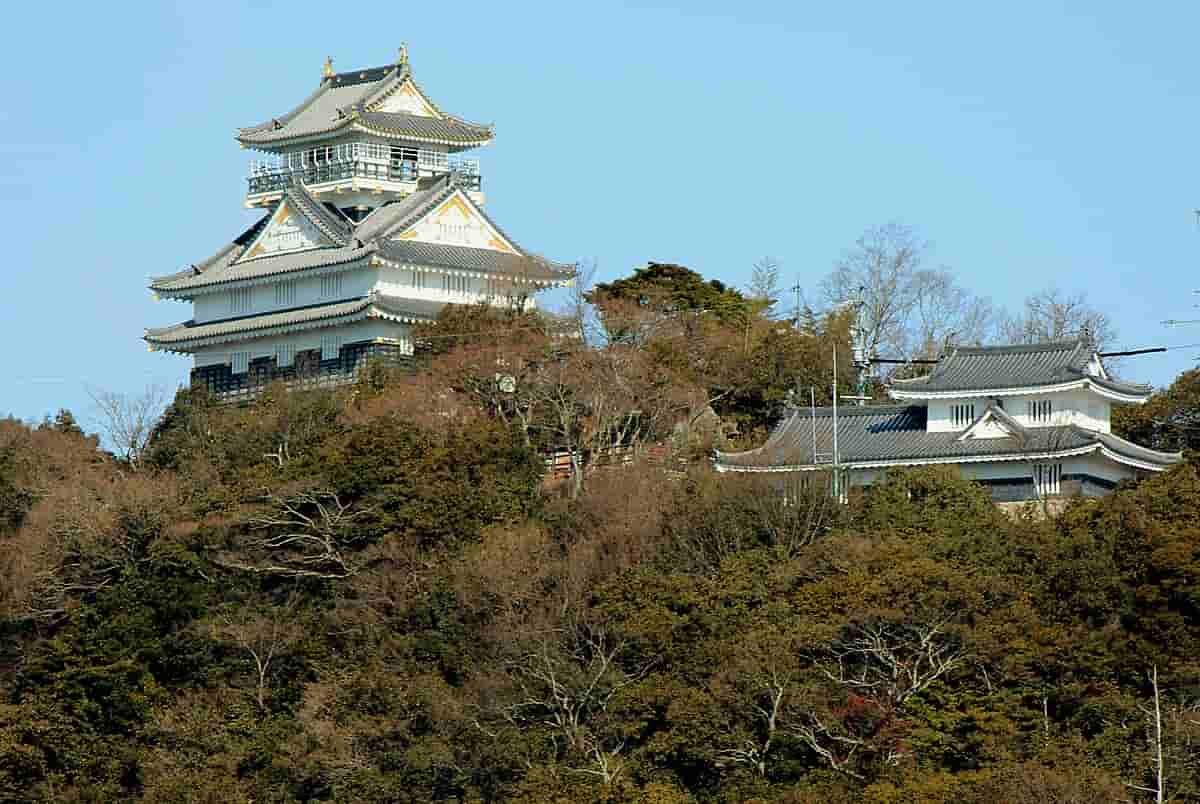
Gifu Castle
A historical castle with a museum and stunning views of Gifu city and the surrounding mountains.
Cormorant Fishing Site
Traditional fishing method demonstrations on the Nagara River.
Mount Kinka
Mountain accessible by cable car, offering panoramic views of the city.
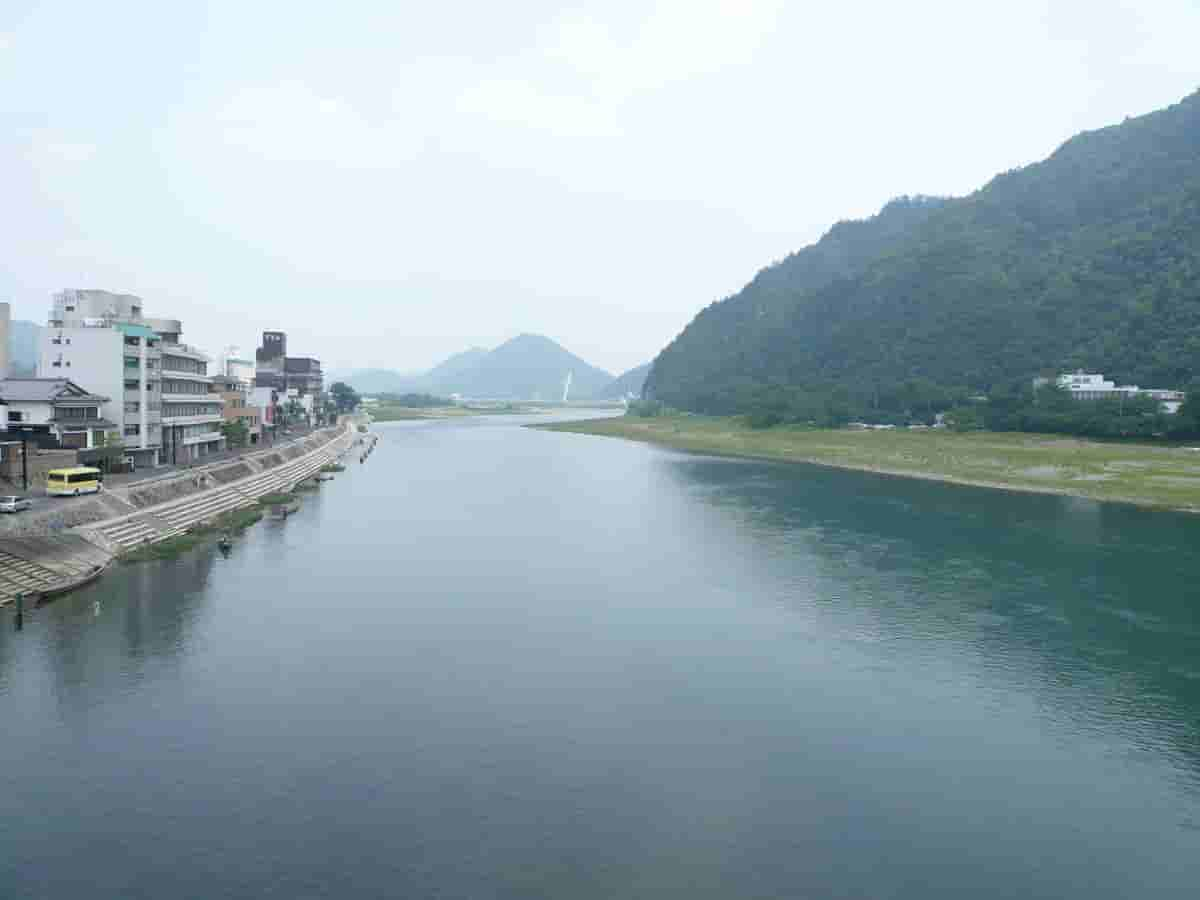
Nagara River
Famous for traditional cormorant fishing (Ukai) in the summer evenings.
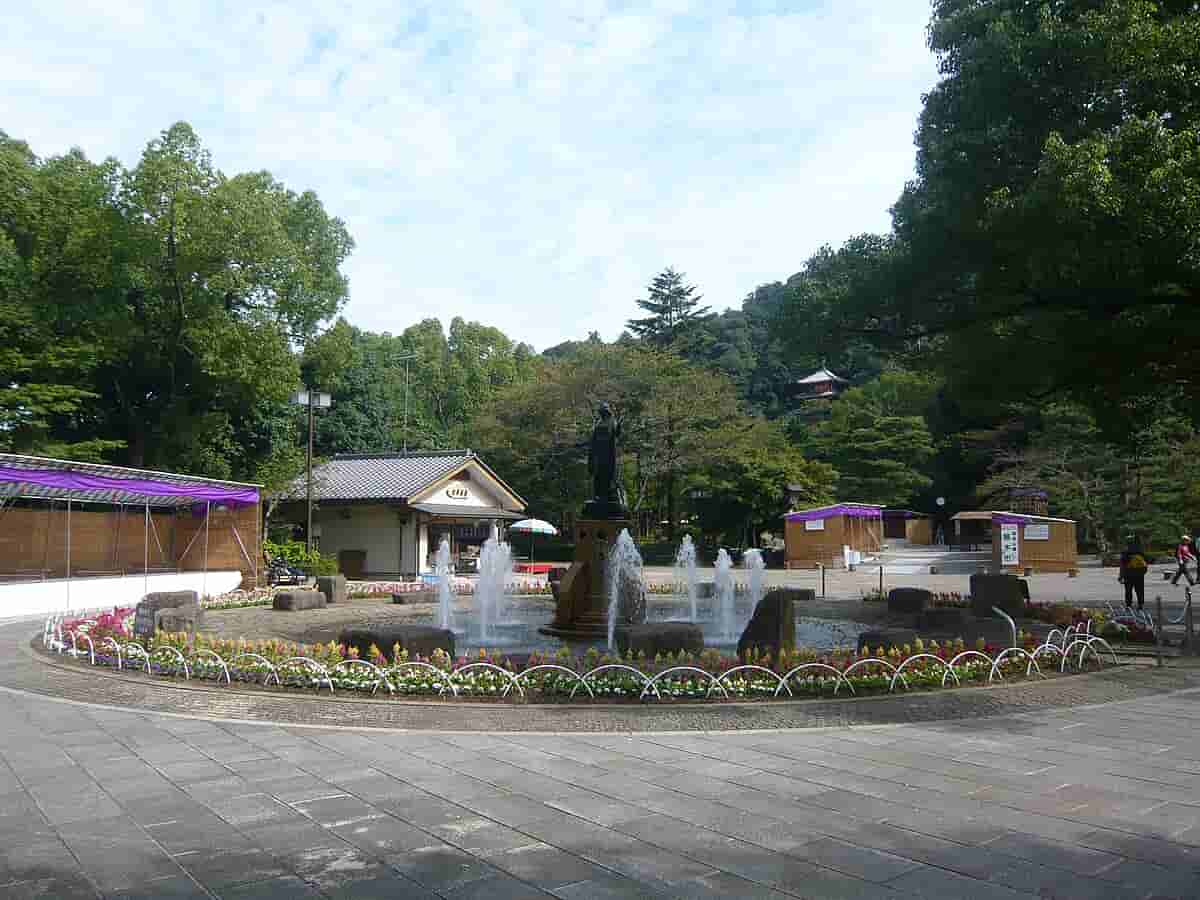
Gifu Park
Lush urban park featuring beautiful gardens, walking trails, and the historic Shogun's Palace.
Cormorant Fishing Viewing
Traditional fishing method on Nagara River
Shirotori Garden
Beautiful Japanese landscape garden
Ogaki Castle
Picturesque 16th-century castle with beautiful gardens and panoramic views
Suito Hakuun Museum
Museum dedicated to a local poet.
JR Ogaki Station
Major transportation hub for the region.
Shoho-ji Temple
Known for its large wooden statue of Buddha, one of the largest in Japan.
Nagara River Cormorant Fishing
Traditional ukai fishing using trained cormorants, a summer evening spectacle.
🏘️ Neighborhoods
Gifu Station Area
The modern transportation and commercial hub, featuring department stores, hotels, and numerous restaurants. Convenient for arrivals and departures.
Nagaragawa (Riverfront)
The historic and scenic heart of Gifu, home to the cormorant fishing viewing boats, Gifu Park, Mount Kinka, and the ropeway station.
Kano Area
A historic merchant district with preserved streets, close to the Gifu Great Buddha and traditional craft shops. Offers a glimpse into old Gifu.
Yanagase
A covered shopping arcade near the station, bustling with local shops, eateries, and everyday life. A great place to feel the local pulse.
North of Station (Kitagata)
A quieter residential and business area with local izakayas and hotels. Less touristy but still well-connected.
Gifu Park Surroundings
A serene, green area with museums, the Nawa Insect Museum, and easy access to the castle ropeway. Peaceful and picturesque.
🍽️ Local Cuisine
Gifu's cuisine is defined by freshwater delicacies and regional specialties. The star is ayu (sweetfish), famously caught by cormorants and best enjoyed salt-grilled (shioyaki) during summer. Hida beef, a premium marbled beef from the northern mountains, is a must-try for steak, sushi, or croquettes. Kei-chan is a local comfort food of stir-fried chicken and cabbage with a savory sauce. For noodles, try Gifu's unique 'kishimen,' flat udon noodles served in a broth. Dining culture ranges from casual izakayas to upscale riverside restaurants. The area around JR Gifu Station and the Nagara River waterfront offers concentrated dining options. A budget meal can cost 800-1,500 yen, mid-range 2,000-5,000 yen, and high-end Hida beef dining 8,000 yen+. Etiquette is standard Japanese: say 'itadakimasu' before eating, don't stick chopsticks upright in rice, and try to finish what you order.
💡 Local Tips
🚗 Day Trip Ideas
Seki City
World-renowned center for Japanese cutlery. Visit knife museums, watch craftsmen at work, and shop for high-quality blades.
Gujo Hachiman
A picturesque castle town known as the 'City of Water' for its clean rivers and canals. Famous for its summer dance festival (Gujo Odori).
Inuyama City
Home to Japan's oldest original castle, Inuyama Castle, and the Meiji Mura open-air architectural museum. Close to the Kiso River.
Nagoya
Japan's fourth-largest city, offering major attractions like Nagoya Castle, the Toyota Museum, Osu Shopping Street, and vibrant nightlife.
Shirakawa-go (Gifu side)
UNESCO World Heritage site famous for its traditional gassho-zukuri farmhouses. A longer trip but possible in a long day by bus.
Ibigawa Town
A scenic area along the Ibi River, known for its beautiful gorges (Ibigawa Keikoku), hot springs, and outdoor activities like rafting.
🛡️ Safety Tips
Gifu is an exceptionally safe city with very low crime rates. Violent crime against tourists is extremely rare. Standard precautions apply: keep valuables secure and be aware of your surroundings in crowded areas. Scams are uncommon, but be cautious with overly persistent touts (rare). The main safety concerns are natural: be mindful of river currents if engaging in water activities and heed weather warnings during typhoon season (late summer). For health, tap water is safe to drink. Emergency numbers are 110 for police and 119 for fire/ambulance. It's advisable to have travel insurance. Pharmacies ("yakkyoku") are widely available, but bringing any necessary prescription medications is recommended.
💰 Budget Guide
Gifu is a moderately priced destination. A budget traveler can manage on 5,000-7,000 yen per day, staying in hostels or business hotels (from 4,000 yen/night), eating at convenience stores or cheap noodle shops, and using bus passes. Mid-range travelers should budget 10,000-15,000 yen daily for comfortable business or boutique hotels (6,000-12,000 yen/night), meals at casual restaurants, taxi trips, and paid attractions like the ropeway and castle. A luxury budget of 25,000+ yen per day covers high-end hotels, multi-course Hida beef dinners, private tours, and premium experiences. Money-saving tips include purchasing a one-day Gifu Bus pass, visiting free attractions like Gifu Park and Shirotori Garden (free entry to parts), eating set lunches (teishoku), and using IC cards (Toica, Manaca) for transport. The Gifu City Memorial Museum offers discounted combo tickets with the ropeway.