Welcome to Gangneung-si
Nestled along South Korea's rugged eastern coast in Gangwon Province, Gangneung-si is a captivating city where ancient tradition meets modern coastal cool. This destination masterfully balances its rich 1,500-year history as a center of Confucian scholarship with a vibrant contemporary culture centered on art, coffee, and stunning seaside vistas. Framed by the Taebaek Mountains and the deep blue of the East Sea, Gangneung offers a distinctly different rhythm from Seoul's frenetic pace, inviting travelers to slow down and savor. It's famous for its pristine beaches like Gyeongpo and Anmok, its status as the birthplace of Korea's coffee culture, and its deep connection to historic figures like scholar Yulgok Yi I and artist Heo Nanseolheon. With over 520 hotels and accommodations catering to every style and budget, averaging around $98 per night, the city is perfectly equipped to welcome visitors seeking both relaxation and cultural immersion. A recommended stay of 4-5 days allows you to fully experience its unique blend of serene lake views, bustling markets, artistic enclaves, and the unforgettable sight of the sun rising over the sea from Jeongdongjin, home to one of the world's closest railways to the ocean.
Overview
Gangneung is a city of profound cultural heritage and natural beauty, serving as the administrative and economic heart of the Gangwon region's east coast. Its history is palpable in sites like Ojukheon, the birthplace of the revered Confucian scholar Yulgok Yi I and his mother, the poet Heo Nanseolheon, offering a glimpse into Korea's Joseon Dynasty past. The city is famously divided by the Gyeongpo Lake, creating distinct northern and southern areas with unique characters. Gangneung is nationally celebrated for several reasons: it's the epicenter of Korea's coffee culture, with Anmok Coffee Street lining the harbor where beans first entered the country; it hosts the vibrant Gangneung Danoje Festival, a UNESCO Intangible Cultural Heritage event; and it's a premier destination for beach tourism and fresh seafood. The cityscape seamlessly integrates historic pavilions like Gyeongpodae, traditional markets such as Gangneung Central Market, and modern art spaces like Haslla Art World. Its identity is a compelling mix of scholarly tradition, artistic innovation, and a laid-back, surf-ready coastal vibe that draws both domestic tourists and international travelers year-round.
🗓️ Best Time to Visit
The best time to visit Gangneung is during the pleasant shoulder seasons of spring (May to early June) and autumn (September to October). Spring brings mild temperatures, blooming flowers around Gyeongpo Lake, and the famous Gangneung Danoje Festival in May or June, a vibrant cultural extravaganza. Autumn offers crisp, sunny days with stunning foliage in the surrounding mountains, perfect for hiking and coastal walks. Summer (July-August) is the peak tourist season, especially for beachgoers heading to Gyeongpo and Anmok beaches. While warm and lively, it can be humid with occasional rain showers and crowded accommodations. Winter (December-February) is the off-peak season, characterized by cold, dry weather and strong winds from the East Sea. It's ideal for travelers seeking solitude, lower prices, and unique experiences like seeing the 'snowy beach' scenery or celebrating the New Year's sunrise at Jeongdongjin. Major events include the Danoje Festival in spring, various beach and coffee festivals in summer, and the Sunrise Festival at Jeongdongjin on January 1st.
🌤️ Weather & Climate
Gangneung has a temperate climate with four distinct seasons, heavily influenced by the East Sea and the Taebaek Mountains. It experiences colder, drier winters and warmer, wetter summers compared to Korea's west coast, with a notable microclimate that can bring significant snowfall.
Seasons
Spring
💨 Humidity: moderate
Mild and pleasant with blooming flowers. A great time for sightseeing and festivals.
Summer
💨 Humidity: high
Warm, humid, and rainy, especially during the July monsoon. Peak beach season.
Autumn
💨 Humidity: low
Crisp, sunny, and dry with beautiful fall foliage. Ideal for outdoor activities.
Winter
💨 Humidity: moderate
Cold, dry, and windy with occasional heavy snowfall. A quiet, scenic time to visit.
Monthly Weather Details
January Weather
Best for: sunrise viewing, winter scenery
February Weather
Best for: indoor cultural sites
March Weather
Best for: early spring walks
April Weather
Best for: sightseeing, lake views
May Weather
Best for: festivals, outdoor activities
June Weather
Best for: beach start, coffee culture
July Weather
Best for: beach activities (between rains)
August Weather
Best for: peak beach season
September Weather
Best for: hiking, coastal walks
October Weather
Best for: foliage viewing, photography
November Weather
Best for: cultural exploration
December Weather
Best for: quiet getaways, New Year prep
🎒 What to Pack
All Year Round
- comfortable walking shoes
- power adapter
- reusable water bottle
🚗 Getting Around
Gangneung is a spread-out city best navigated using a combination of transport. The public bus network is extensive and affordable, with fares around 1,300 KRW ($1) per ride, connecting major attractions, beaches, and neighborhoods. Taxis are plentiful and relatively inexpensive for shorter trips; a ride across the city center typically costs 8,000-15,000 KRW ($6-$12). Ride-sharing apps like Kakao T are widely used. For the most scenic and flexible exploration, renting a bicycle is highly recommended, especially for touring the flat paths around Gyeongpo Lake and the connected beach area; rentals are readily available. Walking is enjoyable in concentrated areas like Gangneung Central Market, Coffee Street, and the Jeongdongjin precinct. The city is served by the Gangneung KTX (high-speed rail) station, providing quick links to Seoul (about 90 minutes), and Yangyang International Airport (YNY) is approximately a 40-minute drive or bus ride away, offering both domestic and limited international flights. For airport transfers, airport limousine buses and taxis are the most convenient options.
🎯 Top Attractions
Gyeongpo Beach
One of the most famous beaches on the east coast, known for its clear water and pine tree forest.
Gangneung Coffee Street
A trendy area filled with specialty coffee shops and cafes in renovated hanok buildings.
Anmok Beach
A coastal area famous for its coffee shops and beautiful sunrise views over the East Sea.
Ojukheon House
A historic house and museum, the birthplace of scholar Yulgok and known for its black bamboo grove.
Gangneung Central Market
A large traditional market offering fresh seafood, street food, and local products.
Haslla Art World
A unique museum and sculpture park built on a cliffside, blending art with nature and ocean views.
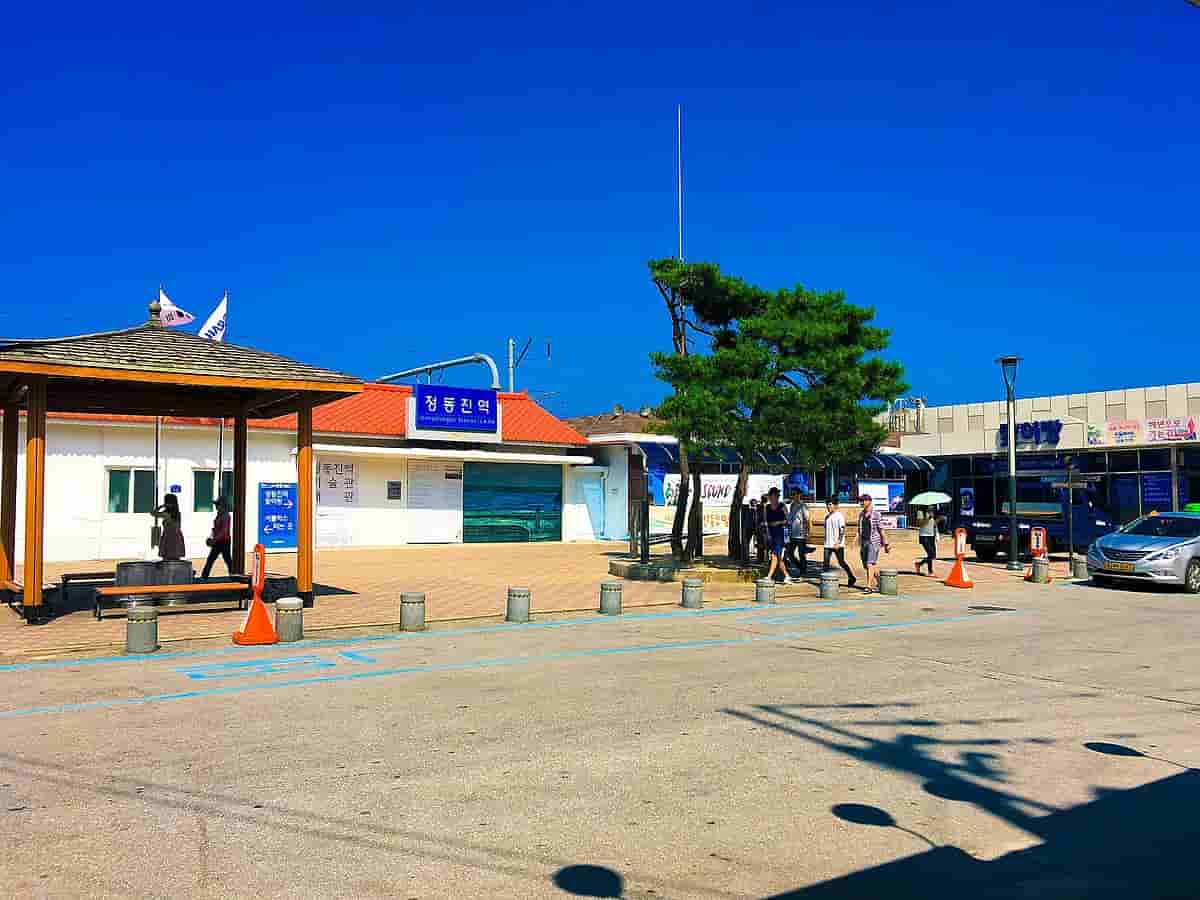
Jeongdongjin Station
A train station famous for being the closest to the sea, with a scenic beach nearby.
Gyeongpodae Pavilion
A historic pavilion famous for its view of the moon rising over the sea, a designated scenic spot.
Gyeongpo Lake
A large freshwater lake surrounded by walking paths and cherry blossoms in spring.
Anmok Coffee Street
Street lined with trendy cafes along the coast, offering sea views and specialty coffee.
Gangmun Beach
A calm beach area popular for swimming and water sports during the summer.
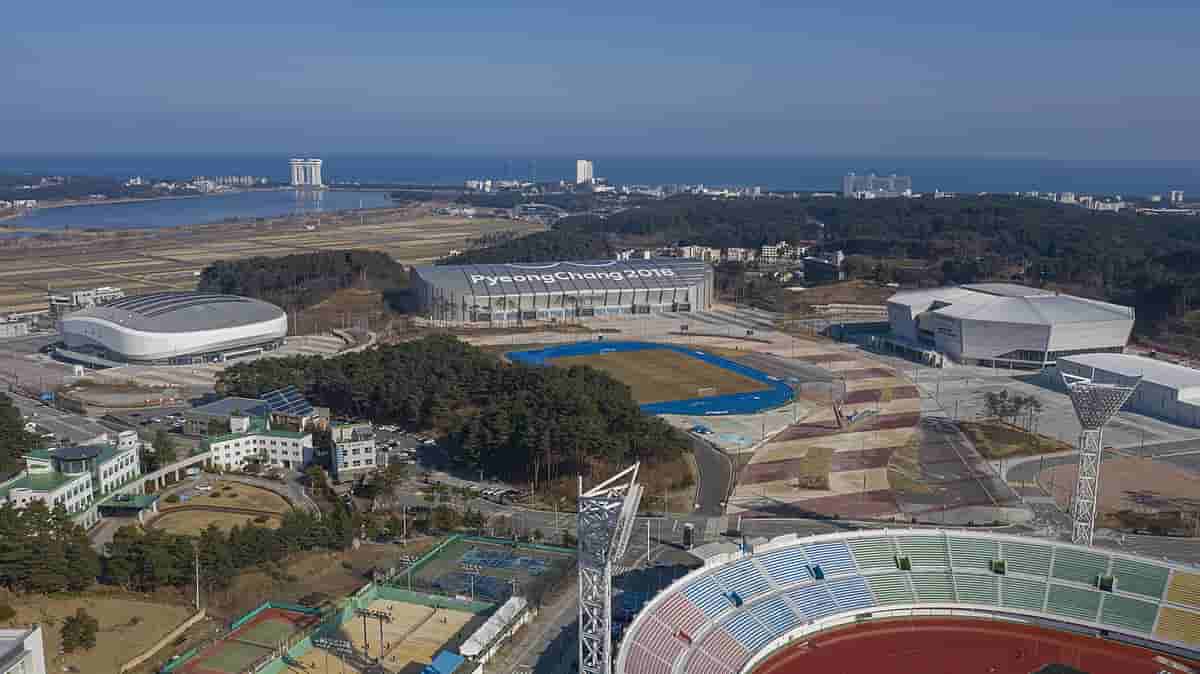
Gangneung Olympic Park
A modern park built for the 2018 Winter Olympics, featuring sports facilities and walking paths.
🏘️ Neighborhoods
Gyeongpo/Anmok Beach Area
The heart of Gangneung's beach tourism, featuring Gyeongpo Beach, Gyeongpo Lake, and the famous Anmok Coffee Street. A vibrant mix of resorts, cafes, and seafood restaurants.
Jungang (Central) Market Area
The bustling traditional downtown centered around the massive Gangneung Central Market. Full of energy, street food, and local commerce, close to the intercity bus terminal.
Ojukheon & Gangmun
A historic and cultural district housing the Ojukheon House, Gangneung Municipal Museum, and traditional hanok stays. Offers a quieter, more educational atmosphere.
Jeongdongjin
A unique coastal area south of the city famous for its railway station mere meters from the beach, sunrise park, and themed hotels like the Sun Cruise Resort.
Hongje-dong (Downtown)
The modern administrative and commercial center with department stores, standard hotels, and a more urban nightlife scene of bars and restaurants.
Sacheonjin/Haslla Area
A scenic area on the southern outskirts, home to the stunning Haslla Art World museum and rocky coastal views. More secluded and artistic.
🍽️ Local Cuisine
Gangneung's cuisine is a glorious celebration of the East Sea's bounty. The signature dish is 'Gangneung Makguksu,' a refreshing buckwheat noodle dish served in a chilled, tangy broth with vegetables and a spicy kick—perfect for summer. Fresh raw seafood, or 'hoe,' is a must-try, with sashimi plates featuring flounder, squid, and sea pineapple available at the Jungang Market or Anmok Harbor. 'Chodang Sundubu' (soft tofu) is another local specialty, known for its silky texture. The dining culture ranges from bustling market stalls to sophisticated cafes. Key food areas include Gangneung Central Market for traditional street food, Anmok Harbor for seafood restaurants with ocean views, and the Coffee Street areas for cafe-hopping. A meal at a market stall can cost as little as 8,000 KRW ($6), while a full seafood dinner may run 30,000-50,000 KRW ($25-$40) per person. Etiquette is similar to the rest of Korea: use both hands when receiving or giving items, and don't stick chopsticks upright in rice. Tipping is not customary.
💡 Local Tips
🚗 Day Trip Ideas
Seoraksan National Park (Sokcho)
Explore Korea's most famous mountain park with dramatic peaks, ancient temples like Sinheungsa, and stunning hiking trails.
Samcheok
Discover coastal caves like Hwanseongul, the scenic Haesindang Park, and beautiful beaches along the southern Gangwon coast.
Yangyang & Surfyy Beach
Experience Korea's growing surf culture at Surfyy Beach, visit Naksansa Temple, and enjoy the laid-back vibe of this coastal town.
Pyeongchang (Alpensia Resort)
Visit the site of the 2018 Winter Olympics. Enjoy seasonal activities, botanical gardens, and the peaceful highland scenery.
Odaesan National Park
A serene mountain park known for the beautiful Woljeongsa Temple, ancient fir tree forests, and gentle hiking paths.
🛡️ Safety Tips
Gangneung is an exceptionally safe city for travelers, with low crime rates. Violent crime against tourists is rare. Standard precautions apply: be mindful of your belongings in crowded markets like Jungang Market, and use hotel safes for valuables. Common scams are minimal, but always confirm taxi fares or use the meter. The main safety concerns are natural: be cautious of strong currents and waves at Gyeongpo Beach, especially outside of designated swimming areas and lifeguard seasons. In winter, roads and sidewalks can be icy. Emergency numbers are 112 for police and 119 for fire and medical services. For general tourist assistance, dial 1330 for the Korea Travel Hotline, which offers English support. Health-wise, tap water is safe but most locals drink bottled or filtered water. No special vaccinations are required. Pharmacies ('yakguk') are widely available for minor ailments.
💰 Budget Guide
Gangneung can suit a range of budgets. A budget traveler can manage on 50,000-70,000 KRW ($40-$55) per day: stay in a hostel or guesthouse (25,000-40,000 KRW), eat at market stalls and casual restaurants, use public buses, and enjoy free attractions like beaches and parks. A mid-range budget of 100,000-150,000 KRW ($80-$120) per day allows for a comfortable hotel (80,000-120,000 KRW), nice meals at local restaurants, occasional taxis, and paid entry to museums or Haslla Art World. Luxury travel starts at 250,000+ KRW ($200+) per day for high-end resorts, fine dining on seafood, private tours, and car rentals. Money-saving tips: visit in the off-season (winter) for lower accommodation rates, purchase a T-money card for bus discounts, take advantage of the many free beaches and walking trails, and fill up on affordable, delicious meals at the central market. Many museums have free or low-cost admission days.