Welcome to Gabrovo
Nestled in the heart of Bulgaria, Gabrovo is a city of sharp wit and sharper mountain air, cradled by the dramatic slopes of the Balkan Range. Known as the 'Bulgarian Manchester' for its industrial heritage and the self-proclaimed world capital of humor, Gabrovo offers a unique blend of history, craft, and a famously frugal sense of humor that is celebrated annually. This compact city, serving as the administrative center of its region, is your gateway to exploring pristine nature and remarkable open-air museums that preserve the spirit of the Bulgarian National Revival. With its manageable size, Gabrovo is perfect for a focused one-day immersion, offering convenient access to its treasures from a selection of 8 hotels, averaging a comfortable $82.88 per night. Whether you're drawn to the whirring water wheels of Etar or the serene spirituality of its mountain monasteries, Gabrovo presents an authentic slice of Bulgaria beyond the well-trodden tourist paths.
Overview
Gabrovo's story is one of resilience and ingenuity. Founded in the Middle Ages as a craftsmen's settlement along the Yantra River, it flourished during the Bulgarian National Revival (18th-19th centuries) as a hub for leatherworking, wool processing, and metalcraft. This industrious spirit earned it its nickname and shaped its character. The city is famously associated with the Gabrovo joke, a genre of humor centered on extreme thrift and cleverness, celebrated with a House of Humor and Satire and a biennial carnival. Gabrovo is not a city of distinct, sprawling districts for tourists; rather, its compact center is where you'll find administrative buildings, shops, and the Gabrovo History Museum. The city's true fame lies in its proximity to the stunning Balkan Mountains (Stara Planina) and its role as the access point for the extraordinary Etar Architectural-Ethnographic Complex, an open-air museum that is the crown jewel of the region. It's a city that proudly bridges its artisanal past with its natural surroundings.
🗓️ Best Time to Visit
The ideal time to visit Gabrovo is late spring through early autumn, from May to September. During these months, the weather in the Balkan Mountains is pleasantly warm and perfect for hiking and exploring the open-air museums. Summer (June-August) offers the most reliable sunshine, with average highs in the mid-70s °F (mid-20s °C), making it peak tourist season, especially for day trips to Etar and the Sokolski Monastery. Shoulder seasons like May and September provide milder temperatures and fewer crowds. The city comes alive with events like the Gabrovo Biennale of Humor and Satire in Art (typically in May of odd-numbered years), a vibrant celebration of its comedic legacy. Winter (December-February) is cold and snowy, transforming the surrounding mountains into a destination for winter sports enthusiasts, though some outdoor attractions may have limited access. The city itself is quieter during this time.
🌤️ Weather & Climate
Gabrovo experiences a humid continental climate with four distinct seasons. Winters are cold and snowy, while summers are warm and relatively wet, with thunderstorms common in the mountains.
Seasons
Winter
💨 Humidity: moderate
Cold with frequent snowfall, especially in the surrounding mountains. Ideal for winter sports but chilly for city sightseeing.
Spring
💨 Humidity: moderate
Unpredictable, transitioning from cool and wet to pleasantly warm by May. Nature blooms, making it beautiful for hiking.
Summer
💨 Humidity: moderate
Warm and sunny days with occasional heavy afternoon thunderstorms, especially in the mountains. Peak tourist season.
Autumn
💨 Humidity: moderate
Crisp, cool air and stunning fall foliage in the mountains. September is particularly pleasant before temperatures drop.
Monthly Weather Details
January Weather
Best for: winter sports, indoor museums
February Weather
Best for: winter sports, indoor museums
March Weather
Best for: early hiking, cultural visits
April Weather
Best for: hiking, sightseeing
May Weather
Best for: hiking, outdoor museums, festivals
June Weather
Best for: all outdoor activities
July Weather
Best for: all outdoor activities
August Weather
Best for: all outdoor activities
September Weather
Best for: hiking, sightseeing, ideal weather
October Weather
Best for: foliage viewing, cultural visits
November Weather
Best for: indoor attractions, quiet visits
December Weather
Best for: winter sports, Christmas markets
🎒 What to Pack
All Year Round
- comfortable walking shoes
- layered clothing
- rain jacket or umbrella
🚗 Getting Around
Gabrovo is a highly walkable city, with its main attractions, hotels, and restaurants concentrated in the compact center. For exploring the city itself, walking is the best and most enjoyable option. To reach major attractions like the Etar Complex (8km south) or the Sokolski Monastery (15km southeast), you will need transport. Local buses connect the city center to these key sites; check schedules at the main bus station. Taxis are plentiful, reliable, and inexpensive by Western standards; always ensure the meter is running or agree on a fare beforehand. Ride-sharing apps are not prevalent. There is no major airport in Gabrovo; the nearest international airports are in Sofia (200km) and Plovdiv (150km). Transfers are typically done via pre-booked shuttle, rental car, or bus. Renting a car provides the greatest flexibility for exploring the surrounding Balkan Mountains and nearby towns like Tryavna.
🎯 Top Attractions
Etar Open-Air Museum
Ethnographic museum showcasing traditional Bulgarian crafts and architecture.
Gabrovo History Museum
Museum detailing the history and development of the town and its famous humor.
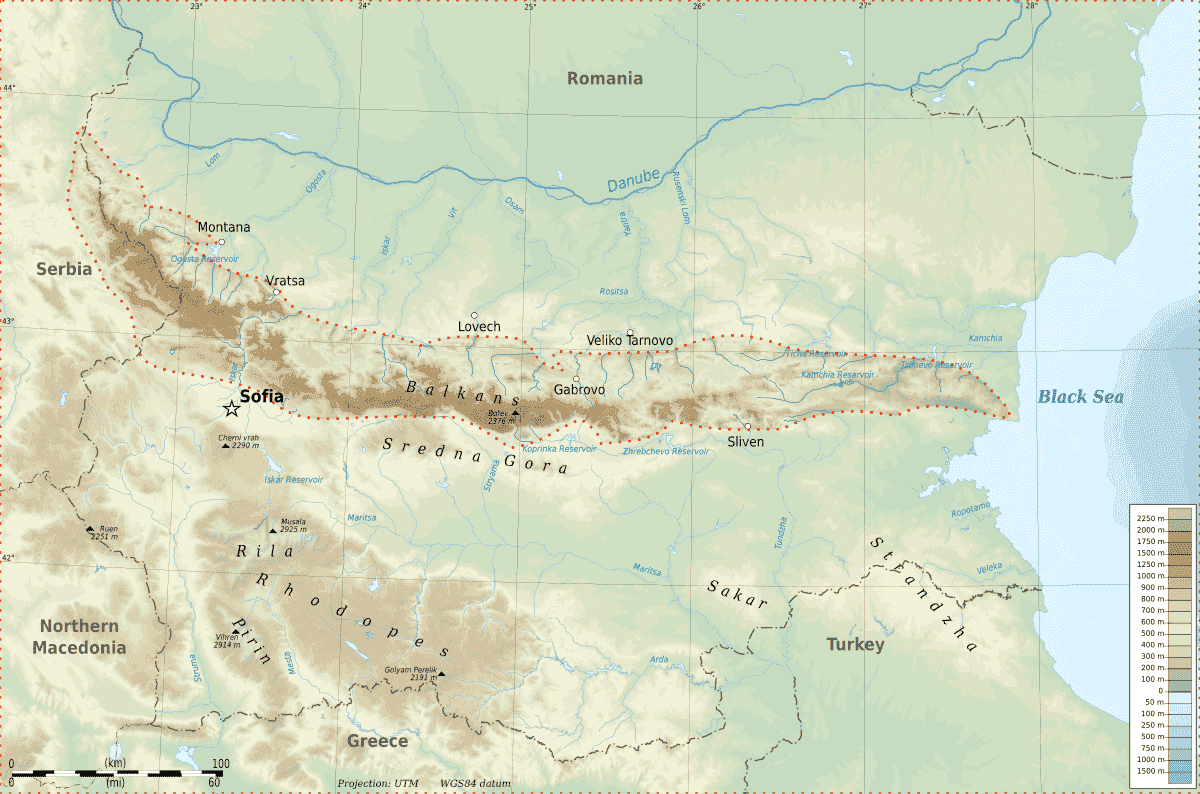
Balkan Mountains
Nearby mountain range offering numerous hiking trails and scenic natural beauty.
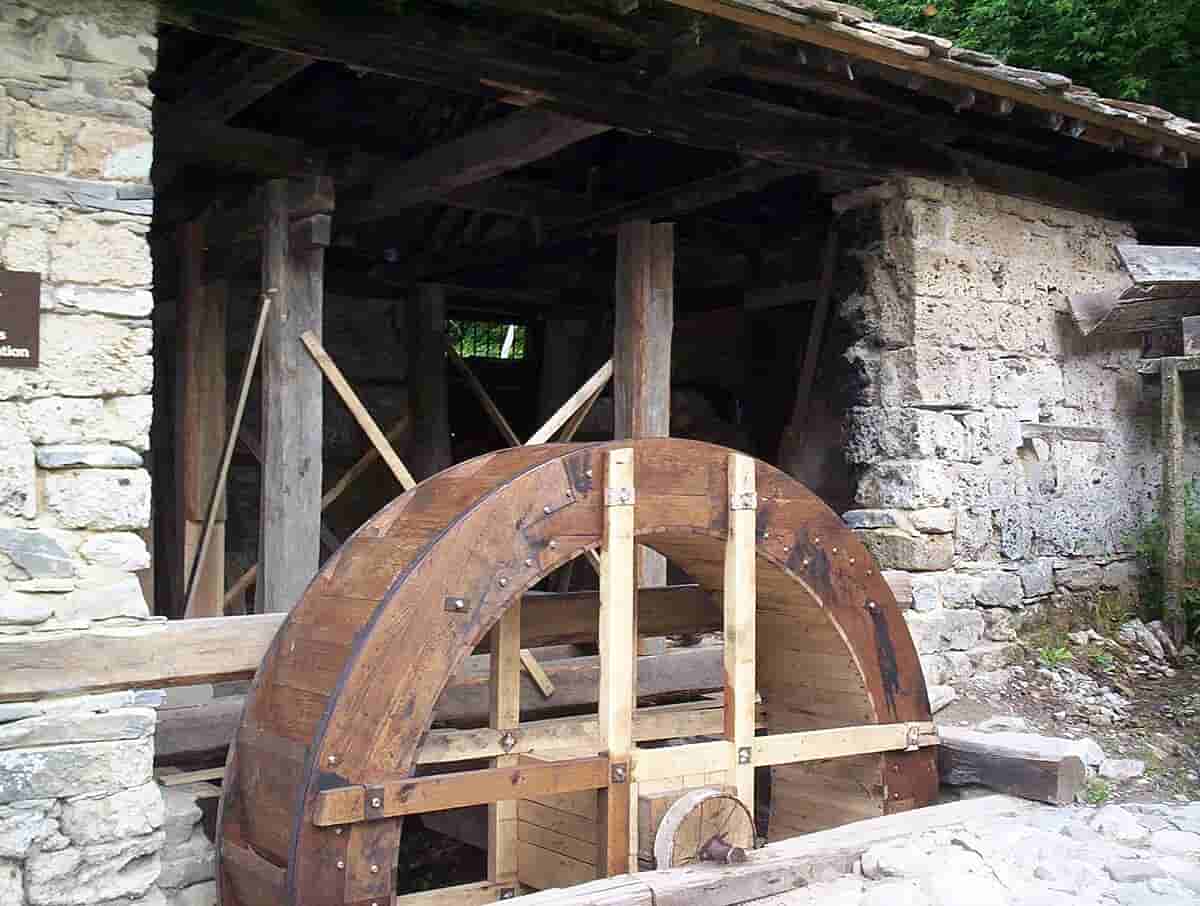
Etar Architectural-Ethnographic Complex
Open-air museum showcasing traditional Bulgarian crafts, architecture, and lifestyle.
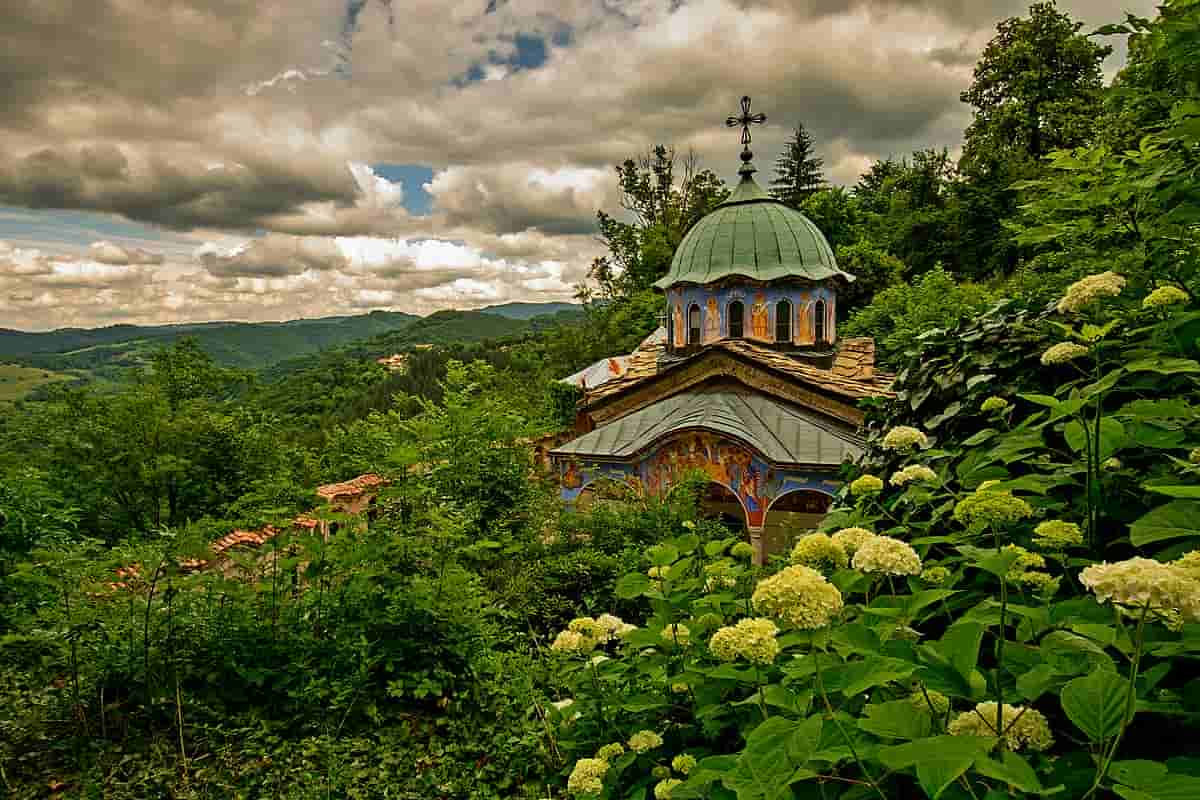
Sokolski Monastery
Historic monastery nestled in the Balkan Mountains with scenic views.
Gabrovo Historical Museum
Museum detailing the local history and cultural heritage of Gabrovo.
🏘️ Neighborhoods
City Center (Centura)
The historic and administrative heart of Gabrovo, home to main squares, shops, museums like the History Museum, and most hotels. Compact and highly walkable.
Etar Area
Not a residential neighborhood, but the zone surrounding the famous open-air museum, 8km from the center. Features some guesthouses and restaurants with a focus on traditional ambiance.
Vazrazhdane Square Area
The bustling commercial and social hub within the center, featuring pedestrian streets, cafes, and the iconic clock tower. The main gathering point.
Vidin District
A primarily residential area across the Yantra River, offering a more local feel and some accommodation options with views of the city and mountains.
Balkan Mountain Foothills
The outskirts and villages immediately entering the Stara Planina. Offers guesthouses, eco-lodges, and direct access to hiking trails and nature.
Industrial Zone (South)
The historical industrial area reflecting Gabrovo's manufacturing past. Of interest mainly for historical context, not for tourist accommodation.
🍽️ Local Cuisine
Gabrovo's cuisine is hearty mountain fare, reflecting its Balkan location. Must-try dishes include 'kavarma' (a clay-pot stew with meat and vegetables), 'patatnik' (a savory potato and cheese pie, similar to a gratin), and various grilled meats. Given its history, offal dishes are also traditional. Dining is a social, relaxed affair. For an authentic experience, seek out a traditional 'mehana' (tavern) in the city center or near the Etar museum, where live folk music might accompany your meal. Meals are often accompanied by the famous Bulgarian yogurt and shopska salad, topped with sirene cheese. Price ranges are very reasonable: a budget meal can be found for under $10, a mid-range restaurant meal for $15-25, and a fine dining experience (less common) for $30+. Tipping 5-10% is customary for good service in restaurants. Don't leave without trying 'rakia' (fruit brandy) or local wines from the nearby Rose Valley.
💡 Local Tips
🚗 Day Trip Ideas
Tryavna
A charming town renowned for its woodcarving and icon-painting school, historic clock tower, and Old Town. A key center of Bulgarian Revival architecture.
Bozhentsi Architectural Reserve
A perfectly preserved village-museum from the National Revival period, with stone houses and cobbled streets nestled in forested hills.
Shipka Pass & Memorial Church
A historic mountain pass with a stunning Russian-style memorial church and a towering freedom monument commemorating the 1877-78 war.
Dryanovo Monastery
A historic monastery built into a cliffside near the Dryanovo River, with a museum and caves associated with Bulgarian revolutionary history.
Veliko Tarnovo
The medieval capital of Bulgaria, famous for its Tsarevets Fortress, dramatic hillside setting, and vibrant artisan scene. A longer but essential trip.
Uzana Area (Balkan Mountains)
The geographic center of Bulgaria, offering superb hiking, mountain biking, and in winter, skiing and snowboarding on gentle slopes.
🛡️ Safety Tips
Gabrovo is generally a very safe city with low crime rates, especially against tourists. Standard precautions apply: be aware of your belongings in crowded public areas or on buses. Violent crime is rare. There are no specific areas to avoid, but as in any city, it's wise to be cautious in quieter, poorly lit streets at night. Common scams are minimal, but always confirm taxi fares or use the meter. Emergency numbers are 112 (general EU emergency) and 166 (police). Tap water is generally safe to drink, but many locals and visitors prefer bottled water. Medical facilities are adequate for minor issues, but travel insurance is recommended. The main health consideration is related to outdoor activities: ensure you have appropriate footwear for hiking and be prepared for sudden weather changes in the Balkan Mountains.
💰 Budget Guide
Gabrovo is an affordable destination. A budget traveler can manage on $40-50 per day: staying in a hostel or budget guesthouse ($20-30), eating at bakeries and cheap mehanas ($10-15), using public transport and walking ($5). A mid-range daily budget of $80-120 covers a comfortable hotel ($60-80), restaurant meals with drinks ($25-35), taxi trips to Etar, and museum entry fees ($15). A luxury day ($150+) allows for the best hotels, fine dining, private guides, and car rental. Money-saving tips: visit multiple museums (some offer combined tickets), eat the daily menu ('denno meniu') at local restaurants for lunch, walk everywhere in the city center, and travel in a small group to split taxi costs to outlying attractions. Accommodation is your largest expense, with an average of $82.88 per night across the city's 8 hotels.