Welcome to Franschhoek
Nestled in a lush valley of the Western Cape, Franschhoek is a storybook village where French heritage meets South African soul. Founded by French Huguenot refugees in the late 17th century, this 'French Corner' of South Africa has evolved into a world-renowned epicenter of gastronomy and viticulture, all framed by the dramatic peaks of the Wemmershoek and Franschhoek mountains. It's a place where you can spend your morning sipping award-winning wines at a historic estate, your afternoon exploring art galleries on a sun-dappled main street, and your evening indulging in a world-class culinary masterpiece. Despite its global reputation, Franschhoek retains an intimate, village-like charm, with its oak-lined streets and Cape Dutch architecture. With approximately 55 hotels and guesthouses offering an average nightly rate of around $163, visitors can find a range of accommodations from cozy B&Bs to opulent luxury lodges, making it an accessible yet exclusive retreat. Whether you're a foodie, a wine connoisseur, or simply a seeker of breathtaking landscapes, Franschhoek offers a concentrated dose of the Cape's most refined pleasures.
Overview
Franschhoek's story begins in 1688 with the arrival of French Huguenots, who were granted land by the Dutch East India Company to cultivate vines. Their legacy is indelibly stamped on the town's name, architecture, and its world-famous wine industry. Today, Franschhoek is synonymous with the 'Franschhoek Wine Valley,' a compact region boasting some of the country's most prestigious wine estates, many of which offer exceptional restaurants. The town itself revolves around its picturesque Main Road (also called Main Street), a vibrant thoroughfare lined with art galleries, boutique shops, cafes, and acclaimed restaurants. Culturally, it's a hub for the arts and fine living, hosting annual events like the Franschhoek Literary Festival and the Bastille Festival. The Huguenot Monument and Museum stand as poignant tributes to its founders, while the surrounding natural beauty of the Mont Rochelle Nature Reserve offers hiking and panoramic views. Franschhoek is not a large, sprawling city but a walkable village district where luxury, history, and natural beauty are seamlessly interwoven.
🗓️ Best Time to Visit
The best time to visit Franschhoek is during the shoulder seasons of autumn (March to May) and spring (September to November). Autumn offers warm, sunny days, cool evenings, and the stunning visual spectacle of vineyards turning gold and red. It's harvest time, making it a vibrant period in the winelands. Spring brings mild temperatures, blooming flowers, and lush green landscapes. Summer (December to February) is peak season, with hot, dry weather and a bustling, festive atmosphere. This is when major events occur, but accommodation books up quickly and prices are at their highest. Winter (June to August) is the off-peak season, characterized by cool, rainy weather. While some vineyards may be quieter, it's an excellent time for cozy fireside wine tastings, lower rates, and enjoying the town without the crowds. Key events include the Franschhoek Literary Festival (May), the Bastille Festival (July), and the Cap Classique and Champagne Festival (December).
🌤️ Weather & Climate
Franschhoek enjoys a Mediterranean climate with warm, dry summers and cool, wet winters. The valley is sheltered by mountains, which can create microclimates, but generally, the weather is ideal for vineyard cultivation and outdoor exploration.
Seasons
Summer
💨 Humidity: low
Hot, dry, and sunny days with very little rain. Peak tourist season. Evenings are warm but can be cool. Ideal for outdoor dining and vineyard visits.
Autumn
💨 Humidity: moderate
Pleasant, warm days and cooler nights. The landscape turns beautiful autumn colors. Rainfall increases towards May. A perfect time for visiting.
Winter
💨 Humidity: high
Cool and wet, with the majority of the annual rainfall. Days can be crisp and sunny or overcast and rainy. Mountain peaks may be dusted with snow. Cozy, quiet season.
Spring
💨 Humidity: moderate
Mild and variable weather with increasing sunshine. The valley bursts into bloom with wildflowers. A beautiful, fresh time to visit before the summer heat.
Monthly Weather Details
January Weather
Best for: wine tasting, outdoor dining
February Weather
Best for: wine tasting, outdoor dining
March Weather
Best for: hiking, photography
April Weather
Best for: wine harvest visits
May Weather
Best for: literary festival, cozy tastings
June Weather
Best for: indoor wine tastings, spa visits
July Weather
Best for: Bastille Festival, fireside dining
August Weather
Best for: wildflower viewing, art galleries
September Weather
Best for: spring hiking, garden tours
October Weather
Best for: outdoor activities, wine tasting
November Weather
Best for: picnics, vineyard tours
December Weather
Best for: festive season, champagne celebrations
🎒 What to Pack
All Year Round
- sunscreen
- sunglasses
- hat
- comfortable walking shoes
- layered clothing
🚗 Getting Around
Franschhoek is a highly walkable village, with most attractions, restaurants, and shops concentrated along Main Road and its immediate surroundings. For exploring the surrounding wine estates, the iconic Franschhoek Wine Tram is the premier and most enjoyable mode of transport. This hop-on, hop-off system on vintage trams and open-sided buses follows several color-coded routes to multiple estates, eliminating the need for a designated driver. Taxis and ride-sharing services like Uber are available for point-to-point travel but can be scarce during peak times; it's advisable to book in advance. Renting a bicycle is a popular and scenic option for the fit, though be mindful of hilly terrain and traffic on some roads. For airport transfers, pre-booked shuttles or private taxis from Cape Town International Airport (a 75-minute drive) are the most reliable options. Renting a car offers maximum flexibility for day trips but is unnecessary for staying within the village core.
🎯 Top Attractions
Franschhoek Wine Tram
A unique hop-on-hop-off tram and bus tour through the valley's most prestigious wine farms.
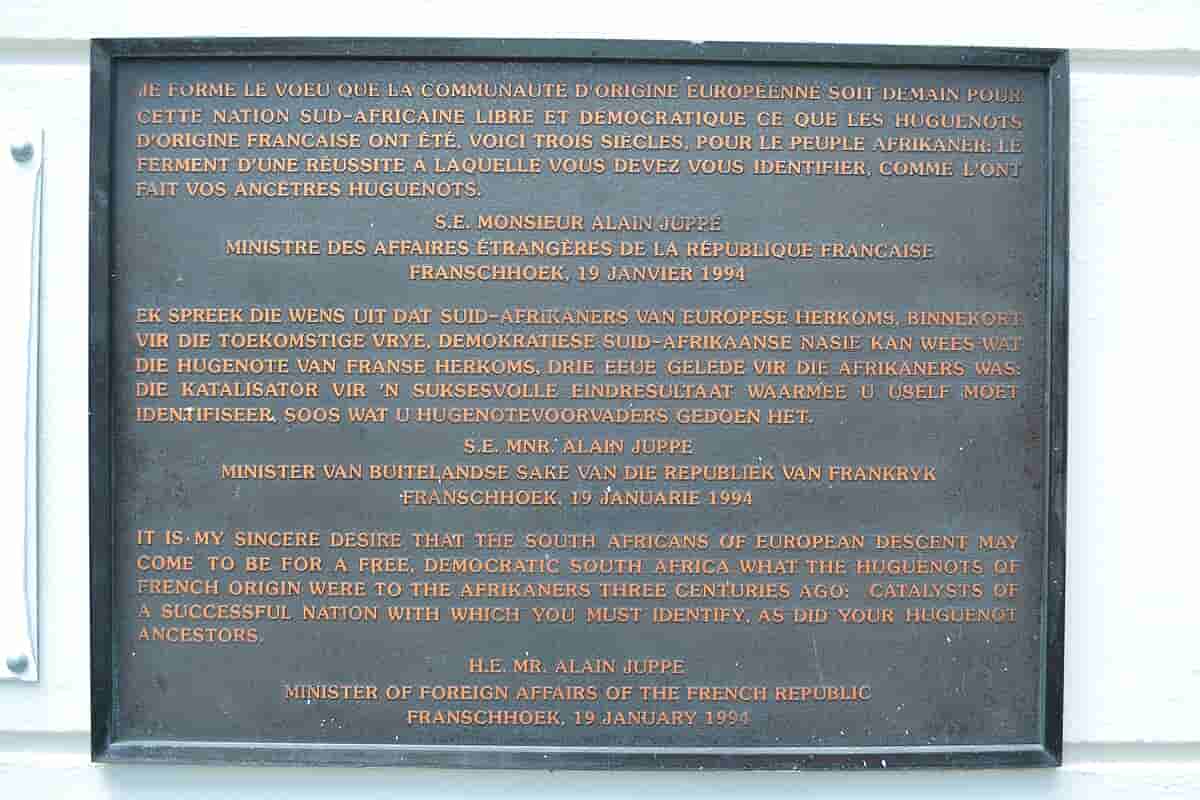
Huguenot Monument
A significant monument and museum dedicated to the French Huguenot settlers of the region.
Mont Rochelle Nature Reserve
A stunning nature reserve with hiking trails offering spectacular views over the valley.
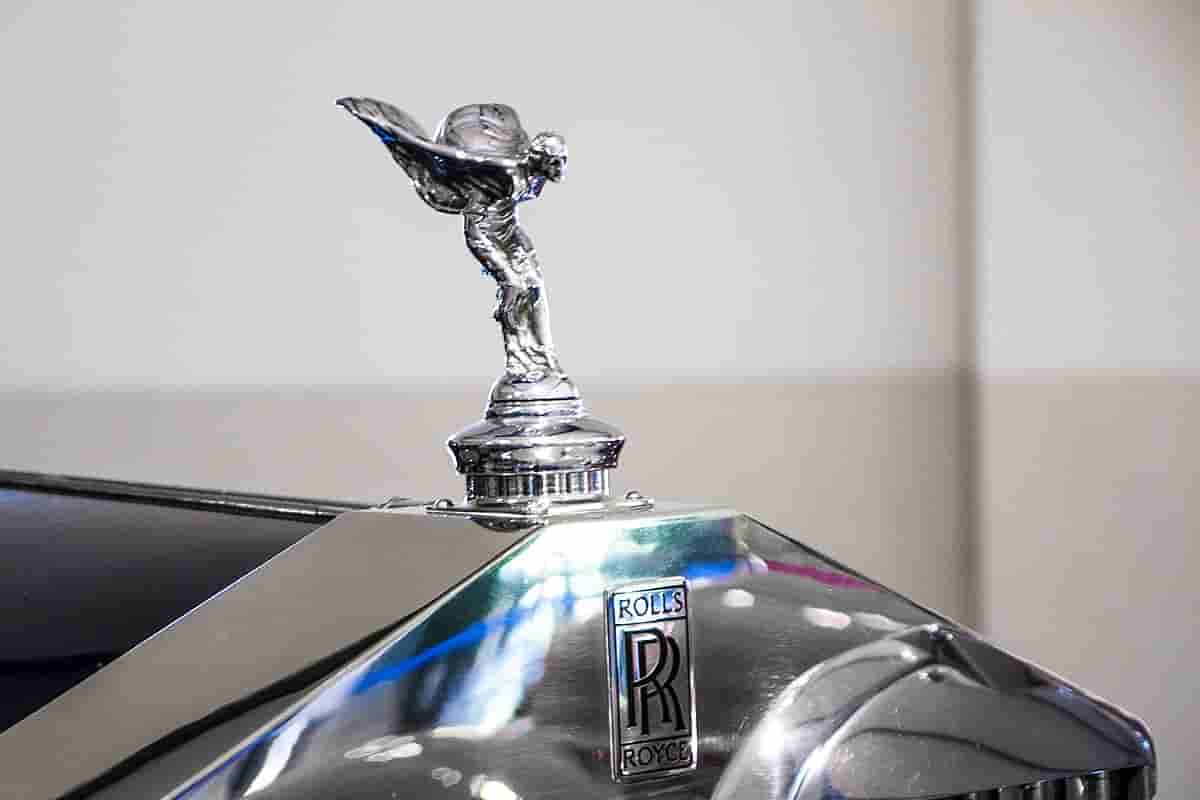
Franschhoek Motor Museum
A world-class collection of over 220 vintage, classic, and modern automobiles.
La Motte Wine Estate
A renowned wine farm offering tastings, a celebrated restaurant, and beautiful gardens.
Main Road Franschhoek
The charming main street lined with top-rated restaurants, art galleries, and boutique shops.
Main Street Franschhoek
Charming street lined with art galleries, boutique shops, and top-rated restaurants.
Quinta Rooibos Wine Cellar
Historic winery offering tastings of South Africa's iconic wines in a rural setting.
Ceres Mountain Nature Reserve
Protected area showcasing South African fynbos flora and fauna with guided bush walks.
Franschhoek Art and Wine Trail
Network of galleries and vineyards showcasing local South African artists and producers.
Franschhoek Wine Route
World-renowned wine region with cellar tours and vineyard tastings.
Stellenbosch University
A prestigious institution with historic architecture.
🏘️ Neighborhoods
Main Road / Village Centre
The historic heart of Franschhoek, lined with oak trees, restaurants, galleries, and shops. Everything is within walking distance, offering the quintessential village experience.
Huguenot Road & Surrounds
A quieter, more residential area stretching from the Huguenot Monument. Features upscale guesthouses, B&Bs, and easy access to the monument and museum.
The Wine Estates
Not a traditional neighborhood, but the surrounding farms and vineyards that house luxury lodges and hotels. Offers seclusion, stunning views, and direct access to wine tastings.
La Provence / La Cotte
Residential areas on the outskirts of the village centre, offering self-catering cottages and guest farms. Provides more space and a rural feel while being a short drive from town.
Dassenberg Road Area
Located towards the northern end of the valley, this area is closer to some renowned wine estates like La Motte and offers tranquil accommodation with mountain views.
Klapmuts Road / R45 Approach
The eastern gateway into Franschhoek from Stellenbosch. Features a mix of entry-level accommodations, smaller wine farms, and is convenient for day trippers.
🍽️ Local Cuisine
Franschhoek is often called the 'Gourmet Capital of South Africa,' and its dining scene is a major attraction. The cuisine is a sophisticated fusion of French techniques with South African ingredients. Signature experiences include fine dining at estate restaurants like La Petite Colombe or The Tasting Room, where multi-course tasting menus are paired with exceptional wines. Must-try local foods include Karoo lamb, springbok, and fresh line fish, often prepared with a French twist. For a more casual bite, sample boerewors (farm sausage), biltong (dried cured meat), or a classic Cape Malay curry. The village also boasts excellent artisanal chocolatiers, bakeries, and cheesemongers. Dining is a leisurely affair, and reservations are essential for top restaurants. Price ranges are wide: a casual cafe meal may cost $10-20, while a world-class tasting menu with wine pairings can exceed $150 per person. The main concentration of restaurants is on and around Main Road.
💡 Local Tips
🚗 Day Trip Ideas
Stellenbosch
Explore the historic university town and its famed wine route, with oak-lined streets and Cape Dutch architecture.
Paarl
Visit the Paarl Rock and the Taal Monument, and explore another major wine region in the Cape Winelands.
Cape Town
A full-day excursion to the Mother City for Table Mountain, V&A Waterfront, and Robben Island.
Hermanus
Drive along the spectacular coastal route for whale watching (in season), cliffs, and seaside charm.
The Cape of Good Hope
A long but rewarding day trip to the southwestern tip of Africa through stunning Chapman's Peak Drive.
🛡️ Safety Tips
Franschhoek is generally considered a very safe destination for tourists, with a low crime rate in the village center. Standard precautions apply: be aware of your surroundings, especially at night, and don't leave valuables visible in parked cars. The main safety concern is road safety; drive cautiously on winding mountain roads and be mindful of pedestrians on Main Road. There are no specific tourist scams to be wary of, but as anywhere, use licensed taxis. Emergency numbers are 10111 for police, 10177 for ambulance, and 112 from a mobile phone. Tap water is safe to drink. Medical facilities are available, but for serious issues, you would be transferred to a larger hospital in Stellenbosch or Cape Town. It's advisable to have comprehensive travel insurance.
💰 Budget Guide
Franschhoek is a premium destination, but budgets can be managed. A budget traveler could manage on $70-100 per day by staying in a guesthouse or B&B ($50-80), eating casual meals ($15-25), and using the Wine Tram for estate visits ($25). A mid-range budget of $150-250 per day allows for a nicer hotel ($100-150), a good restaurant meal ($40-60), Wine Tram tickets, and perhaps a spa treatment. A luxury experience starts at $400+ per day, covering five-star lodges, fine dining with wine pairings, private tours, and chauffeur services. Money-saving tips: Visit in the winter off-season for lower accommodation rates, look for lunch specials at top restaurants (often better value than dinner), share tasting platters, enjoy free activities like hiking in Mont Rochelle or visiting the Huguenot Monument, and consider a Wine Tram pass for cost-effective vineyard hopping.