Welcome to Danyang-gun
Nestled in the heart of Chungcheongbuk-do, Danyang-gun is a breathtaking canvas of natural wonders where the Namhan River carves its way through dramatic limestone cliffs and serene valleys. This destination is less a conventional city and more a sprawling, scenic county that serves as South Korea's premier adventure and spiritual retreat. Renowned for the legendary 'Danyang Eight Scenic Views,' a collection of vistas celebrated for centuries in poetry and art, Danyang offers a profound escape into landscapes that feel both ancient and exhilaratingly alive. From the dizzying heights of the Mancheonha Skywalk to the subterranean marvels of Gosu Cave, every turn reveals a new spectacle. With a focus on outdoor recreation and tranquil beauty, the area is perfectly equipped for visitors, offering a selection of 145 hotels and accommodations to suit every style, ensuring a comfortable base from which to explore its vast, open-air gallery of mountains, rivers, and sky.
Overview
Danyang-gun's history is deeply intertwined with its dramatic geography. For centuries, it has been a place of inspiration, with its Eight Scenic Views immortalized by scholars of the Joseon Dynasty. The region's culture is a blend of serene Buddhist heritage, evident in temples nestled on mountainsides, and a vibrant modern spirit of adventure. It is famously known as the 'Paragliding Capital of Korea,' drawing thrill-seekers to its thermal winds. The main hub is Danyang-eup, the county seat, which offers essential services, accommodations, and access to the riverfront. The area is most famous for its staggering natural attractions: the mystical rock formations of Dodamsambong Peaks rising from the river, the vast Sobaeksan National Park offering pristine hiking, and the fascinating Suyanggae Light Tunnel, an archaeological site turned into a captivating light display. This is a destination where culture is experienced not in museums, but through immersive interaction with awe-inspiring landscapes.
🗓️ Best Time to Visit
The best times to visit Danyang are during the temperate shoulder seasons of spring (April to June) and autumn (September to November). Spring brings mild weather, blooming flowers, and the vibrant green of new foliage, perfect for hiking. Autumn is arguably the peak season, when the mountains of Sobaeksan National Park erupt in a spectacular display of fiery red and gold foliage, drawing large crowds. Summers (July-August) are hot, humid, and rainy, but the river becomes a hub for water sports and cooling off. This is also when the Danyang Summer Festival often takes place. Winters (December-March) are cold and dry, with occasional snow transforming the landscape into a quiet, crystalline wonderland, ideal for those seeking solitude and stark beauty. The off-peak seasons of winter and the height of summer offer fewer crowds, while spring and autumn provide the most comfortable and visually stunning conditions.
🌤️ Weather & Climate
Danyang-gun experiences a temperate continental climate with four distinct seasons. Winters are cold and dry, while summers are hot, humid, and receive the majority of the annual rainfall.
Seasons
Spring
💨 Humidity: moderate
Mild and pleasant with blooming flowers. Ideal for outdoor activities and hiking as nature awakens.
Summer
💨 Humidity: high
Hot, humid, and rainy, especially during the July monsoon. Good for water activities but prepare for sudden downpours.
Autumn
💨 Humidity: moderate
Crisp, cool air and brilliant fall foliage, especially in the mountains. The most popular and picturesque season.
Winter
💨 Humidity: low
Cold and dry with occasional snowfall. Landscapes are stark and beautiful, but some facilities may have reduced hours.
Monthly Weather Details
January Weather
Best for: winter scenery, quiet retreats
February Weather
Best for: winter scenery, quiet retreats
March Weather
Best for: early spring hikes
April Weather
Best for: spring hiking, sightseeing
May Weather
Best for: ideal outdoor conditions
June Weather
Best for: green landscapes, early summer visits
July Weather
Best for: water activities, monsoon season caution
August Weather
Best for: water activities, humid hikes
September Weather
Best for: pleasant hiking, start of foliage
October Weather
Best for: peak fall foliage viewing
November Weather
Best for: late autumn hikes, cool weather
December Weather
Best for: winter landscapes, indoor relaxation
🎒 What to Pack
All Year Round
- comfortable walking shoes
- layered clothing
- power adapter
- reusable water bottle
🚗 Getting Around
Getting around Danyang-gun requires planning, as attractions are spread across the county. The most flexible option is renting a car, which provides direct access to trailheads and remote sites. Public buses connect Danyang-eup to major attractions like Gosu Cave and the Dodamsambong Peaks, but schedules can be infrequent, especially for deeper park entries. Taxis are available in town and can be hired for round-trips to specific sites, which is cost-effective for small groups. Ride-sharing apps are not prevalent here. For the central riverfront area in Danyang-eup, walking and biking are pleasant options, with rental bikes sometimes available. The nearest major airport is Cheongju International Airport (CJJ), about a 90-minute drive away, requiring a taxi or pre-booked transfer. Daegu International Airport (TAE) is about two hours away. Intercity buses to Danyang Terminal are the primary way to arrive from cities like Seoul or Daejeon.
🎯 Top Attractions
Danyang Eight Scenic Views
A collection of stunning natural landmarks along the Namhan River, including Gudambong Peak.
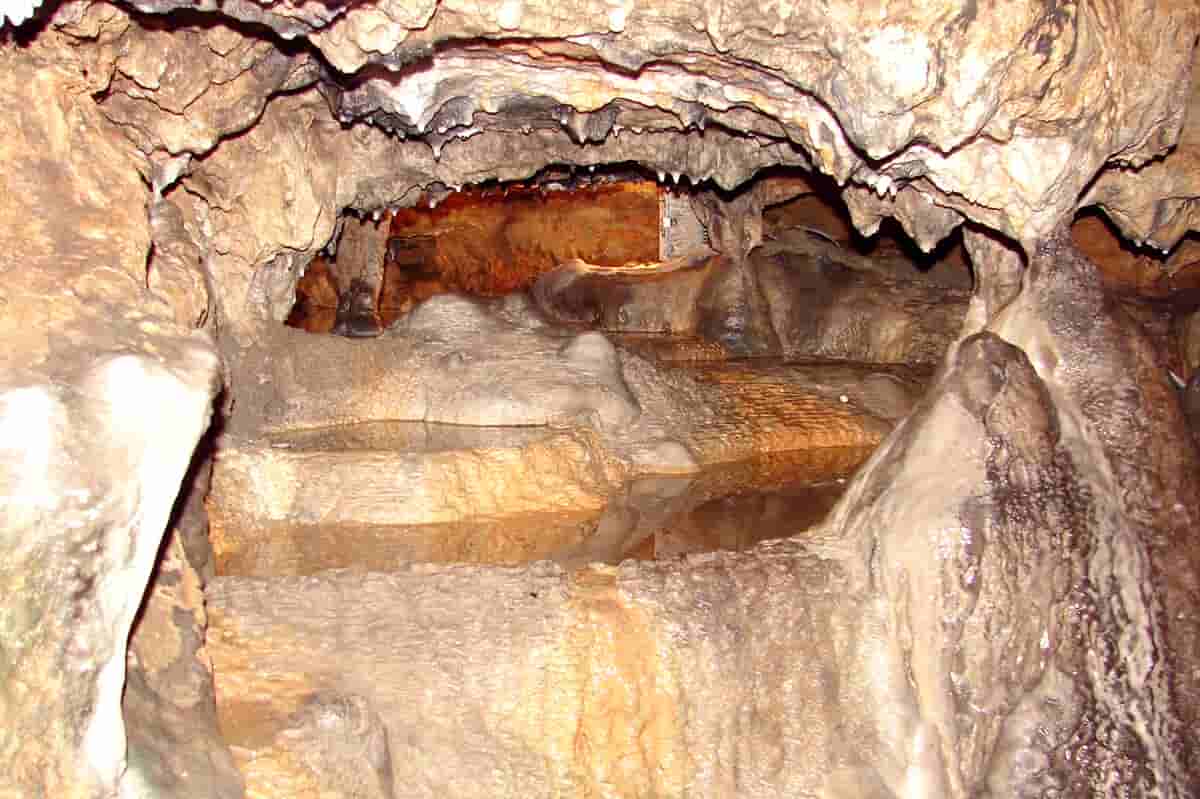
Gosu Cave
A natural limestone cave with impressive stalactites and stalagmites, and guided tours.
Mancheonha Skywalk
A glass skywalk extending over a cliff, offering thrilling views of the river valley below.
Danyang Dodam Sambong Peaks
Three iconic peaks offering hiking and photography opportunities.
Suyanggae Light Tunnel
A colorful light display inside a tunnel, popular at night.
Danyang Paragliding Site
A popular spot for paragliding with tandem flights available for breathtaking aerial views.
Dodamsambong Peaks
Three iconic rock formations rising from the river, with walking paths and observation decks.
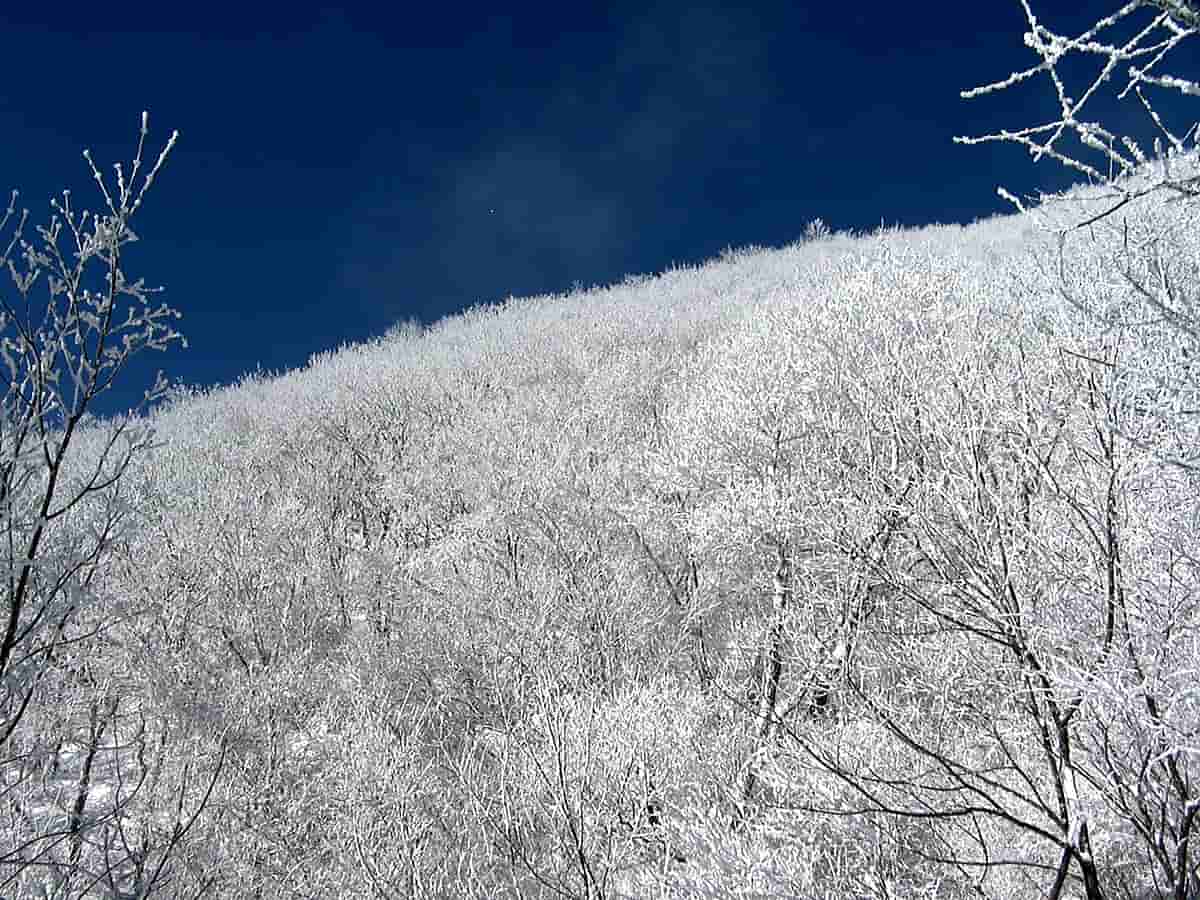
Sobaeksan National Park
Mountainous national park famous for its peaks, hiking trails, and royal azaleas.
Dodam Sambong Peaks
Three iconic rock peaks rising from the river, a famous landmark.
Danyang Paragliding
A popular spot for paragliding with breathtaking views of the river valley.
Danyanggang River
Scenic river offering rafting, walks, and picturesque bridges.
Danyang Pine Forest
A serene forest area perfect for hiking and picnics.
🏘️ Neighborhoods
Danyang-eup
The administrative and commercial heart of the county, located along the Namhan River. This is where you'll find the bus terminal, most hotels, restaurants, and access to the riverwalk.
Dodam-ri (Dodamsambong Area)
Centered around the iconic three rock peaks in the river. This area is picturesque, with walkways, observation points, and accommodations offering stunning views of the natural landmark.
Gosu-dong (Gosu Cave Area)
The neighborhood surrounding the famous Gosu Cave, one of Korea's natural monuments. It's a bit removed from the main town but offers a cluster of inns and eateries catering to cave visitors.
Sobaeksan National Park (Entry Areas)
Not a traditional neighborhood, but the gateways to the park like the Seseong Ranger Station area. Features pensions, minbaks, and hiking gear shops for those seeking immediate mountain access.
Mancheonha Skywalk Area
The vicinity of the dramatic glass skywalk over the river gorge. Accommodations here are often geared towards providing easy access to this major attraction and the surrounding cliff views.
Jeokseong Area
A quieter area known for its riverside scenery and proximity to some of the Eight Scenic Views. Offers a more rural, laid-back atmosphere compared to the bustling eup.
🍽️ Local Cuisine
Danyang's cuisine is defined by its clean mountain air and fresh river waters. The undisputed signature dish is 'Danyang Makguksu,' buckwheat noodles served in a chilled, tangy broth made from radish water kimchi (dongchimi), often topped with fresh vegetables and a boiled egg—a perfect, refreshing meal after a day of hiking. River fish, particularly 'Sancheoneo' (mountain trout), is a must-try, grilled simply with salt or served as 'Sancheoneo Gui.' 'Dakhanmari' (whole boiled chicken) is another local comfort food, featuring a tender chicken stuffed with rice, ginseng, and jujubes in a savory broth. Dining is casual and focused on the quality of ingredients. Most restaurants are clustered in Danyang-eup or near major attractions. A meal at a local noodle or chicken restaurant typically ranges from 8,000 to 15,000 KRW per person. Etiquette is standard Korean; sharing side dishes is common, and it's polite to wait for the eldest to start eating.
💡 Local Tips
🚗 Day Trip Ideas
Sobaeksan National Park - Birobong Peak
Hike to the highest peak in the park for breathtaking panoramic views of the Baekdu-daegan mountain range. The area is famous for its alpine flora and the historic Birosa Temple.
Cheongpung Lake & Cultural Complex
A scenic man-made lake with a cultural village showcasing traditional Korean houses relocated before flooding. Offers boat tours, museums, and beautiful lakeside walks.
Jecheon City
A nearby city known for its medicinal herb market, Uirimji Reservoir, and the scenic Cheongpung Land. A good option for a more urban contrast with diverse dining.
Tanyang Paragliding Site
For adventure seekers, spend a day at the launch site. Even if not flying, watching the colorful gliders soar over the river valley is a spectacular sight.
Guinsa Temple
The spectacular headquarters of the Cheontae Buddhist order, nestled deep in a narrow valley. The massive, multi-story temple complex is an architectural marvel.
Mungyeong Saejae Provincial Park
A historic mountain pass with three gates, offering a walk along an old royal path. Rich in history and surrounded by beautiful forested scenery.
🛡️ Safety Tips
Danyang-gun is an exceptionally safe destination with low crime rates. The primary safety concerns are related to outdoor activities. Always stay on marked hiking trails in Sobaeksan National Park, as weather can change rapidly. Be cautious on the Mancheonha Skywalk and other viewing platforms, especially if you have a fear of heights. When paragliding, only use licensed operators with proper safety certifications. There are no notable scams targeting tourists, but standard vigilance with belongings is advised. Road conditions on mountain passes can be challenging in winter; drive carefully or use experienced local drivers. Emergency numbers are 112 for police and 119 for fire and medical services. English may not be widely spoken by emergency operators, so having your accommodation call for you can help. Tap water is generally safe, but bottled water is widely available.
💰 Budget Guide
Danyang can suit various budgets, with nature being the main free attraction. A budget traveler can manage on 50,000-70,000 KRW per day: stay in a hostel or minbak (40,000 KRW), eat at local noodle shops (8,000-10,000 KRW per meal), and use public buses (1,500 KRW per ride). Mid-range travelers spending 100,000-150,000 KRW daily can enjoy a comfortable hotel (avg. $96/night), dine at sit-down restaurants, take taxis to attractions, and pay for entry fees to caves or the skywalk (5,000-10,000 KRW each). Luxury budgets of 250,000+ KRW cover high-end resorts, private tours, fine dining, and adventure activities like paragliding (80,000-120,000 KRW). Money-saving tips: visit multiple scenic views in one trip as they are often free, pack a picnic for hikes, travel in a small group to split taxi costs, and visit during weekdays or off-peak seasons for better accommodation rates.