Welcome to Damyang-gun
Nestled in the verdant heart of Jeollanam-do, Damyang-gun is a serene escape where South Korea's soul slows to the gentle rustle of bamboo. This picturesque county, often called the 'Bamboo Capital,' offers a profound contrast to the nation's bustling metropolises. Here, time is measured by the growth of bamboo shoots and the dappled light filtering through ancient metasequoia trees. Damyang's significance lies in its preservation of traditional Korean aesthetics and its deep connection to nature, which has inspired poets and artists for centuries. Its unique landscape, dominated by vast bamboo groves and tranquil lakes, provides a sensory retreat where visitors can immerse themselves in forest bathing, traditional tea ceremonies, and scenic walks along iconic tree-lined paths. With a focus on eco-tourism and cultural heritage, the county provides a perfectly curated getaway, supported by a range of 37 hotels that cater to every preference, from rustic hanok stays to modern comforts, ensuring your immersion in this green paradise is both authentic and comfortable.
Overview
Damyang-gun is a county renowned for its breathtaking natural beauty and deep cultural roots in Korea's Jeolla region. Historically, it has been celebrated in literature and art for its idyllic landscapes, with bamboo cultivation dating back over a thousand years. The county is famous for its vast bamboo forests, most notably Juknokwon, and the stunning Metasequoia Road, a breathtaking lane lined with towering dawn redwoods. Culturally, Damyang is a guardian of traditional Korean arts, cuisine, and the slow, contemplative way of life associated with *seon* (Zen) philosophy. The main areas of interest for visitors are centered around these natural attractions: the Juknokwon Bamboo Garden area, the scenic precincts of Damyang Lake and its park, and the cultural hub near the Damyang Art Museum. The county is also celebrated for its annual Bamboo Festival, which highlights the versatile plant's role in food, craft, and culture. It's a destination where nature is the main attraction, offering a peaceful reprieve and a chance to engage with Korea's pastoral heritage.
🗓️ Best Time to Visit
The best time to visit Damyang is during the spring (April to June) and autumn (September to November) seasons. Spring brings mild temperatures, blooming azaleas, and the vibrant green of new bamboo shoots, creating incredibly lush and photogenic landscapes. Autumn offers a spectacular display of foliage, with the Metasequoia Road and surrounding forests turning brilliant shades of gold and red under crisp, sunny skies. These periods provide ideal weather for extensive walking and outdoor exploration. Summer (July-August) is hot, humid, and rainy, though it's the peak season for domestic tourism, coinciding with school holidays and the vibrant Damyang Bamboo Festival, usually held in May. Winter (December-February) is cold and quiet, with occasional snow adding a magical, serene quality to the bamboo forests, making it an off-peak season perfect for those seeking solitude. Major seasonal events include the Damyang Bamboo Festival in spring, various lantern festivals, and autumn foliage viewings.
🌤️ Weather & Climate
Damyang-gun experiences a temperate climate with four distinct seasons. Summers are hot and humid with significant rainfall, while winters are cold and dry with occasional snowfall. Spring and autumn are mild and pleasant.
Seasons
Spring
💨 Humidity: moderate
Mild and pleasant with blooming flowers. Ideal for outdoor activities and festivals.
Summer
💨 Humidity: high
Hot, humid, and rainy, especially during the July monsoon. Lush green landscapes.
Autumn
💨 Humidity: moderate
Crisp air and stunning fall foliage. The most popular and comfortable season for sightseeing.
Winter
💨 Humidity: low
Cold and dry with occasional snow. Quiet season with a stark, beautiful landscape.
Monthly Weather Details
January Weather
Best for: quiet contemplation, indoor museums
February Weather
Best for: winter landscapes, cultural sites
March Weather
Best for: early spring walks
April Weather
Best for: cherry blossoms, outdoor activities
May Weather
Best for: festivals, bamboo forest visits
June Weather
Best for: lush greenery, early summer hikes
July Weather
Best for: monsoon season, indoor attractions
August Weather
Best for: hot weather activities, lake visits
September Weather
Best for: pleasant hiking, start of foliage
October Weather
Best for: peak autumn foliage, photography
November Weather
Best for: late autumn walks, cultural tours
December Weather
Best for: winter scenery, year-end reflections
🎒 What to Pack
All Year Round
- comfortable walking shoes
- power adapter
- reusable water bottle
🚗 Getting Around
Getting around Damyang-gun requires a mix of transportation modes. The county itself is not served by a subway system. The most efficient way to reach major attractions like Juknokwon or Metasequoia Road is by local bus from the Damyang Intercity Bus Terminal or by taxi. Local buses are infrequent but affordable, with fares around 1,300 KRW per ride. Taxis are readily available and recommended for convenience, especially for small groups; base fare starts at approximately 3,800 KRW. Ride-sharing apps like Kakao T are widely used. For the active traveler, walking and biking are excellent options within specific park areas—Juknokwon and the paths around Damyang Lake are perfect for strolls. Renting a bicycle (approx. 5,000-10,000 KRW/hour) is a delightful way to explore Metasequoia Road. For airport transfers, visitors typically fly into Gwangju Airport (KWJ), about a 40-minute drive away, accessible via airport limousine bus or taxi (approx. 40,000-50,000 KRW). Renting a car provides the ultimate flexibility for exploring the county's scattered attractions.
🎯 Top Attractions
Damyang Bamboo Forest
Serene forest with bamboo groves, walking paths, and traditional pavilions.
Metasequoia Road
Picturesque road lined with tall metasequoia trees, especially beautiful in autumn.
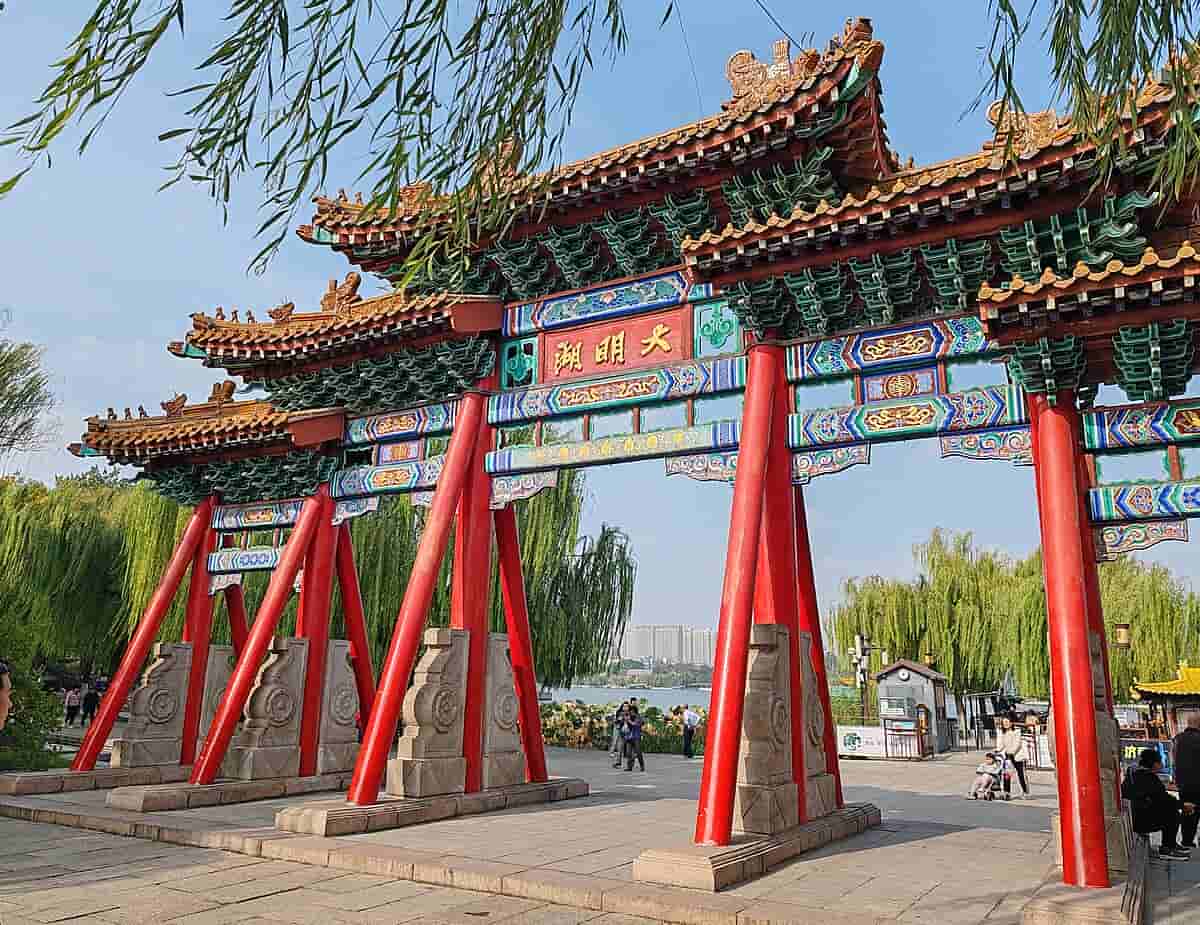
Damyang Lake
A scenic lake offering boat rides and waterfront walking paths.
Damyang Lake Park
A peaceful park around a lake, ideal for walking and picnics.
Juknokwon
Well-maintained bamboo garden offering peaceful strolls and cultural experiences.
Damyang Juknokwon
Bamboo garden park with themed paths, pavilions, and cultural experiences.
Gwangju Lake
Lake offering boating and picnic spots
Damyang Art Museum
Features contemporary and traditional Korean artworks.
Damyang Bamboo Museum
Dedicated to bamboo crafts and cultural history.
Damyang Rose Garden
A colorful garden with various rose species and photo spots.
Gangcheonsan Mountain
Popular hiking destination with scenic trails
Damyang Ecological Park
A park with diverse flora and fauna, ideal for eco-tours.
🏘️ Neighborhoods
Juknokwon Area
The epicenter of tourism, home to the famous bamboo forest garden, museums, and traditional tea houses. Lined with shops and restaurants.
Metasequoia Road & Gwangju Lake
A scenic area defined by the stunning tree-lined road and the expansive Gwangju Lake. Offers resorts, parks, and water activities.
Damyang Lake Park Vicinity
A family-friendly zone with the serene Damyang Lake, walking trails, playgrounds, and picnic areas. More residential and peaceful.
Damyang-eup (Downtown)
The administrative and commercial heart of the county. Features the bus terminal, local markets, everyday shops, and practical services.
Buk-myeon (Northern Villages)
Rural area with traditional hanok villages, bamboo fields, and agricultural landscapes. Offers homestays and agritourism experiences.
Yong-myeon Area
Features the Damyang Rose Garden and other smaller, specialized gardens. A quieter alternative with floral displays and seasonal festivals.
🍽️ Local Cuisine
Damyang's cuisine is a highlight of the famed Jeolla-do culinary tradition, known for its bold flavors and generous portions. The signature dish is *Damyang Dakjuk* (bamboo chicken porridge), a creamy, savory porridge made with finely ground rice, chicken, and bamboo shoots, renowned for its health benefits. Another must-try is *Bamboo Rice* (Jukjukbap), rice steamed inside a bamboo stalk with various nuts and dates, imparting a subtle, sweet fragrance. Meals are often accompanied by an impressive array of *banchan* (side dishes). Dining culture here is relaxed and communal. Popular food areas are found near the main attractions, like the streets leading to Juknokwon, which are lined with traditional restaurants and tea houses. For a unique experience, visit a bamboo-themed cafe for desserts and drinks. Price ranges are moderate: a hearty meal at a local restaurant costs 10,000-20,000 KRW per person. Etiquette is standard Korean: wait to be seated, use both hands when receiving or giving items, and don't stick chopsticks upright in rice. Tipping is not customary.
💡 Local Tips
🚗 Day Trip Ideas
Gwangju
The nearest metropolitan city, famous for its vibrant art scene, 5.18 Democracy Cemetery, and bustling street food markets.
Suncheon
Visit the breathtaking Suncheon Bay Wetland Reserve, a UNESCO ecological park, and the beautiful Suncheonman Bay Garden.
Boseong Green Tea Fields
Walk through the iconic, rolling green tea plantations of Boseong, a stunning and fragrant landscape.
Mokpo
A historic port city with a maritime museum, Gatbawi Rock, and ferry connections to nearby islands.
Nagan Eupseong Folk Village
A beautifully preserved Joseon-era walled village offering a glimpse into traditional Korean life.
🛡️ Safety Tips
Damyang-gun is an exceptionally safe destination with very low crime rates. Violent crime against tourists is virtually unheard of. Standard precautions apply: secure your valuables, especially in crowded festival settings. There are no specific tourist-targeted scams to worry about. The main safety considerations are environmental: wear proper footwear for walking on sometimes uneven forest paths, be cautious of slippery surfaces after rain or in winter, and stay on marked trails. For health, tap water is safe to drink, but bottled water is universally available. Mosquito repellent is advisable in summer. Emergency numbers are 112 for police and 119 for fire and medical services. English-speaking operators may not always be available, so having your accommodation's phone number or using a translation app is helpful. Overall, visitors can feel completely at ease exploring Damyang day or night.
💰 Budget Guide
Damyang is a moderately priced destination. A budget traveler can manage on 50,000-70,000 KRW per day, staying in a hostel or minbak (40,000 KRW), eating at local markets or casual eateries (10,000 KRW per meal), and using public buses. A mid-range budget of 100,000-150,000 KRW per day covers a comfortable hotel (avg. $105/night or ~120,000 KRW), meals at sit-down restaurants, taxi trips, and attraction entry fees (e.g., Juknokwon is 3,000 KRW). A luxury experience (200,000+ KRW/day) includes high-end resorts, fine dining, private tours, and car rentals. Money-saving tips: visit free attractions like Metasequoia Road and Damyang Lake Park, purchase a T-money card for bus discounts, opt for set menus at restaurants, and travel during the off-peak winter season for lower accommodation rates. Many museums have free or low-cost admission. Purchasing a Damyang Tour Pass, if available, can bundle attraction entries.