Welcome to Coromandel
Nestled on the eastern coast of New Zealand's North Island, the Coromandel Peninsula is a breathtaking realm of pristine beaches, lush native forests, and a rich, rugged history. The town of Coromandel, perched on the peninsula's western shore, serves as the charming gateway to this coastal paradise. Known for its laid-back, artistic vibe and stunning natural attractions, it's a place where you can dig your own spa pool in the sand at Hot Water Beach or hike through ancient pohutukawa forests to the iconic Cathedral Cove. With a cozy and intimate accommodation scene, visitors can choose from a selection of 7 hotels, offering an average nightly rate that makes an escape here surprisingly accessible. Whether you're seeking adventure, relaxation, or a deep dive into New Zealand's gold-mining past, Coromandel delivers an unforgettable, quintessentially Kiwi experience in a compact, easily explored package.
Overview
Coromandel Town is the historic and cultural heart of the peninsula, a former gold rush settlement that now thrives on tourism, arts, and conservation. Founded in the 1850s after the discovery of gold, its heritage is preserved in beautifully restored colonial buildings along the main street, now housing galleries, cafes, and craft shops. The town is famous for its connection to the Coromandel Forest Park and the innovative Driving Creek Railway, a narrow-gauge mountain railway built by potter Barry Brickell. The region's culture is a blend of Maori heritage, pioneering history, and a strong contemporary arts scene. While the town itself is small, the surrounding peninsula is famed for its dramatic coastal scenery, including the must-visit Cathedral Cove and the geothermal wonder of Hot Water Beach. It's a destination that champions eco-tourism and outdoor adventure, from kayaking and diving to hiking the spectacular Coromandel Coastal Walkway.
🗓️ Best Time to Visit
The best time to visit Coromandel is during the Southern Hemisphere summer and early autumn, from December through April. This period offers long, sunny days with warm temperatures ideal for beach activities, hiking, and coastal exploration. Summer (Dec-Feb) is the peak tourist season, with bustling towns and vibrant energy, perfect for enjoying the famous beaches. However, it's also the busiest and most expensive time. The shoulder seasons of spring (Sept-Nov) and autumn (March-May) provide a wonderful balance of pleasant weather, fewer crowds, and lower accommodation rates. Winter (June-Aug) is the off-peak season; while cooler and wetter, it offers a serene, misty atmosphere and the chance to have iconic spots nearly to yourself. Major events include the Coromandel Gold Festival in October, celebrating the region's history, and various summer markets and arts events. Note that some tourist services may have reduced hours outside of summer.
🌤️ Weather & Climate
Coromandel enjoys a temperate maritime climate with warm, humid summers and mild, wet winters. The region receives abundant rainfall, which contributes to its lush, green landscapes. Coastal areas are generally a few degrees warmer than inland spots.
Seasons
Summer
💨 Humidity: moderate
Warm and sunny, ideal for beach days and hiking. Can be humid with occasional rain showers.
Autumn
💨 Humidity: moderate
Pleasant, mild weather with less humidity. Sea remains warm for swimming early in the season.
Winter
💨 Humidity: high
Coolest and wettest time of year. Days can be crisp and clear or overcast with rain. Fewer tourists.
Spring
💨 Humidity: moderate
Increasing sunshine and warmer temperatures. Flowers bloom, but weather can be changeable with rain.
Monthly Weather Details
January Weather
Best for: beach, hiking, all outdoor activities
February Weather
Best for: beach, hiking, all outdoor activities
March Weather
Best for: beach, hiking, sightseeing
April Weather
Best for: sightseeing, hiking, forest walks
May Weather
Best for: sightseeing, driving tours
June Weather
Best for: indoor activities, museums, cozy cafes
July Weather
Best for: indoor activities, museums, cozy cafes
August Weather
Best for: indoor activities, early spring walks
September Weather
Best for: sightseeing, garden visits, hiking
October Weather
Best for: sightseeing, hiking, outdoor activities
November Weather
Best for: beach, hiking, outdoor activities
December Weather
Best for: beach, hiking, all outdoor activities
🎒 What to Pack
All Year Round
- rain jacket
- layered clothing
- sturdy walking shoes
- sunscreen
- swimsuit
- reusable water bottle
🚗 Getting Around
Getting around the Coromandel Peninsula requires planning, as public transport is limited. The most flexible and recommended option is having your own car or renting one. This allows you to explore remote beaches, forests, and coastal roads at your own pace. Taxis are available in Coromandel Town but are not a widespread service for peninsula-wide travel. Ride-sharing apps like Uber are not reliably operational here. For specific attractions like the Driving Creek Railway, tickets include a ride from the town center. Walking is excellent within Coromandel Town itself and for short coastal paths. Biking is a popular way to explore, with rentals available, though be prepared for hilly terrain. There is no major airport on the peninsula; the nearest airports are in Auckland (approx. 2.5 hours drive) and Tauranga. Shuttle services and pre-booked transfers operate from these airports to Coromandel Town, with costs varying from NZD $80-$150 per person one-way. Local bus services are very infrequent and not designed for tourist sightseeing.
🎯 Top Attractions
Cathedral Cove
Famous natural rock arch and beach accessible by walking track
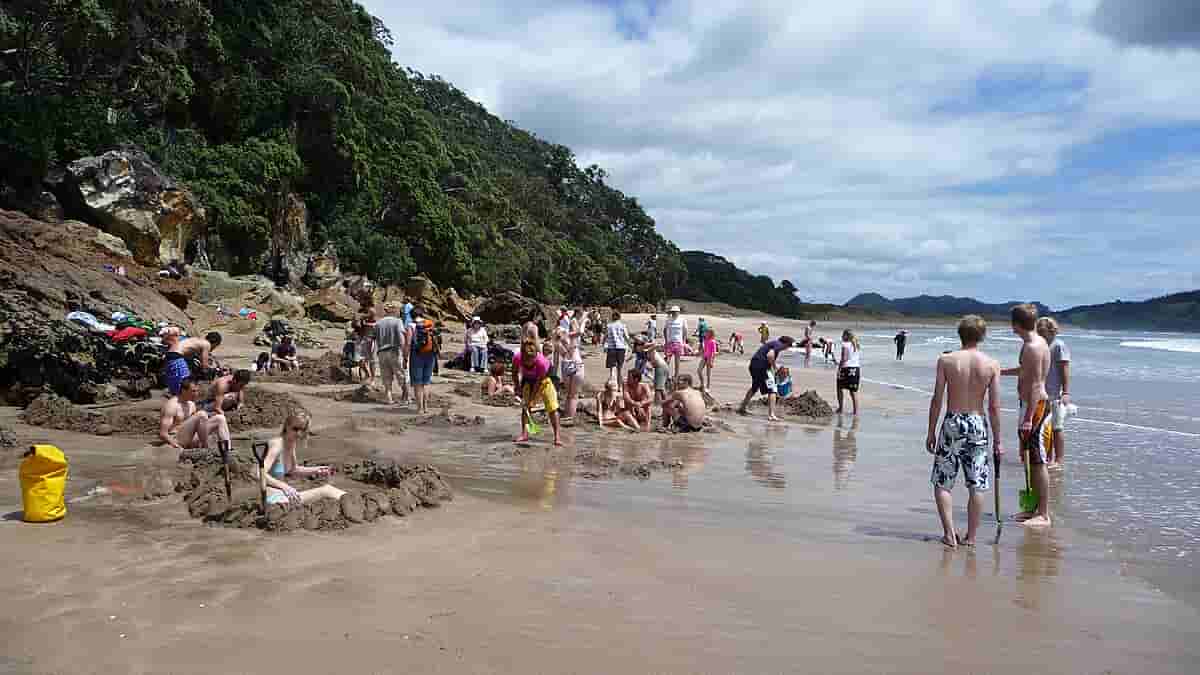
Hot Water Beach
Unique beach where you can dig your own hot pool in the sand
Coromandel Coastal Walkway
Scenic trail offering coastal views and native bush.
Coromandel Town Wharf
Historic wharf with fishing and views
Coromandel Mining Museum
Exhibits on gold mining history
Long Bay
Secluded beach for picnics
Coromandel Peninsula
A scenic area with beaches, forests, and hiking trails.
Coromandel Town
Quaint town with art galleries and cafes.
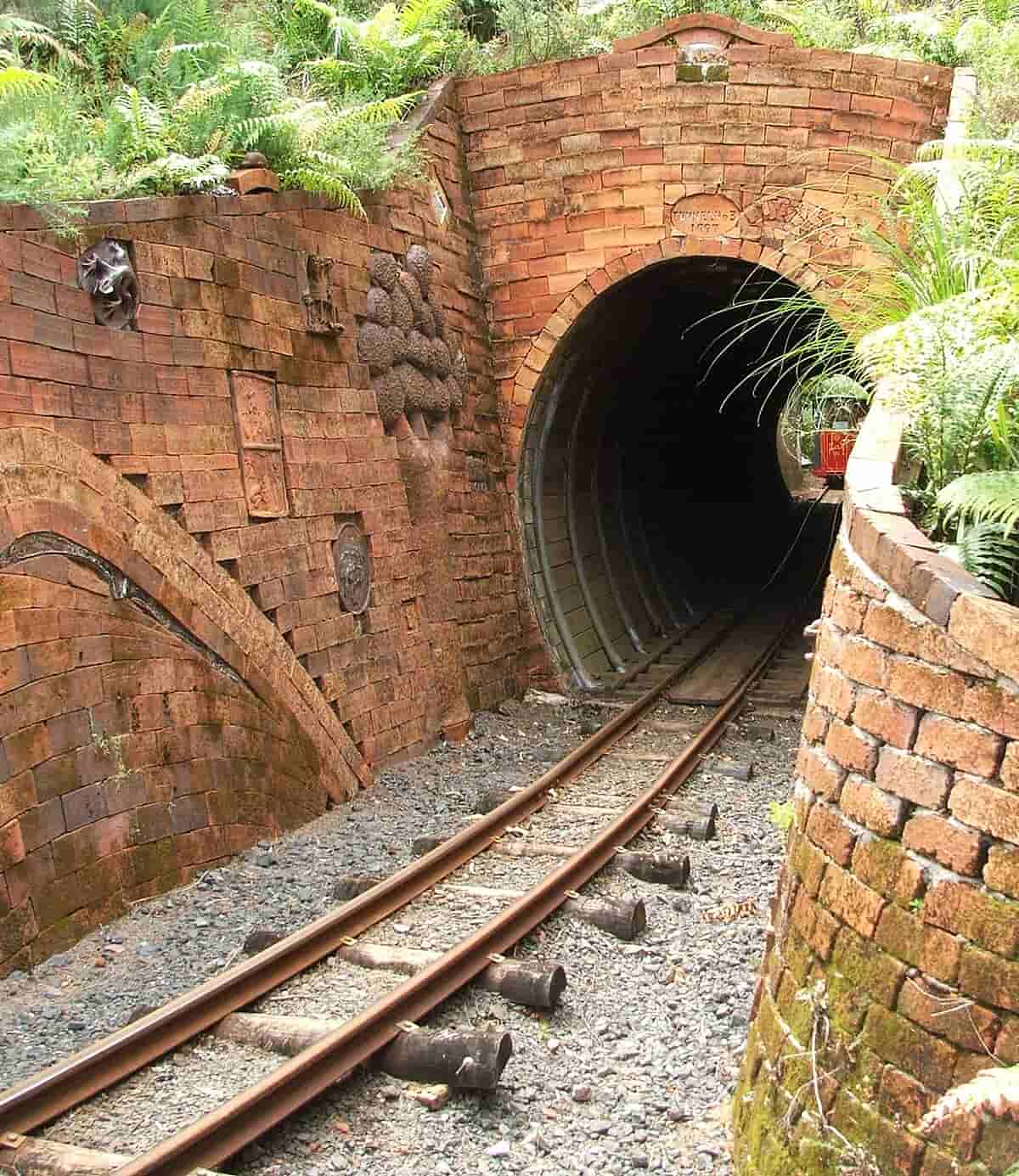
Driving Creek Railway
Narrow-gauge railway through pottery studios and forests.
Deep Water Marina
Excellent for fishing, boating, and water sports.
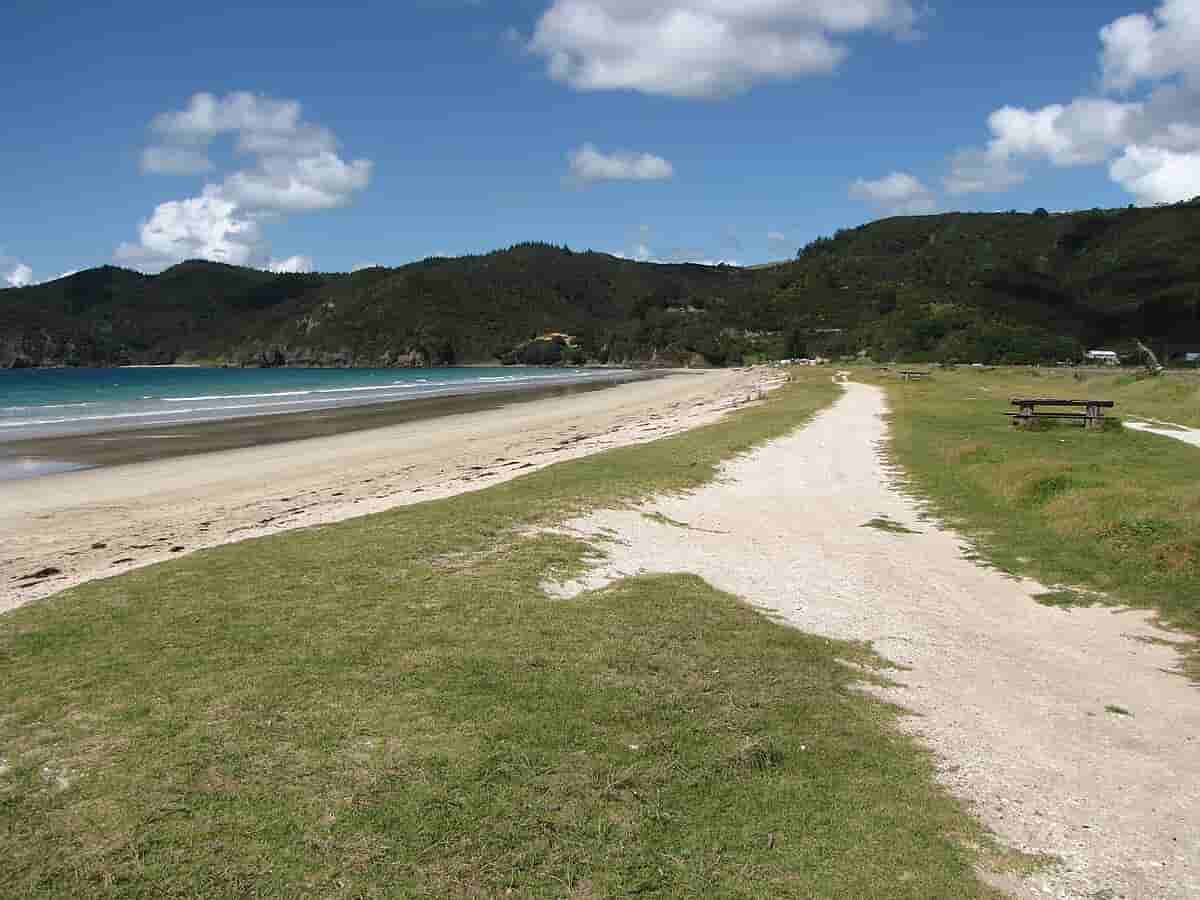
Matauri Bay
Famous surfing spot and wildlife reserve.
Shelly Beach
Sandy beach ideal for swimming and picnics
🏘️ Neighborhoods
Coromandel Town Centre
The historic heart, featuring colonial buildings, art galleries, cafes, and the main wharf. This is the hub for services, shopping, and dining.
Long Bay & Oamaru Bay
Residential areas just north of the town centre, offering quiet accommodation with beautiful beachfront and views over the Firth of Thames.
Driving Creek Area
Forested hillside area home to the famous railway and pottery. Offers secluded stays surrounded by native bush and artistic energy.
Whangapoua & Kennedy Bay
Remote, stunning beaches on the eastern coast, accessible via winding roads. Offers a true escape and incredible coastal scenery.
Colville & Northern Tip
The rugged, remote northern end of the peninsula. A haven for alternative lifestyles, with basic facilities and untouched natural beauty.
Coromandel Harbour Foreshore
The waterfront area near the Deep Water Marina and town wharf. Features some newer accommodations and direct water access.
🍽️ Local Cuisine
Coromandel's cuisine is a celebration of its coastal location and fertile land. Fresh seafood is the star, with green-lipped mussels, snapper, scallops, and oysters featuring prominently on menus. Don't miss trying a classic Kiwi fish and chips, best enjoyed by the wharf. The region is also known for its artisan producers, including local cheeses, honey, and olives. Dining is casual and relaxed, with most eateries being cafes, pubs, and fish shops. For a unique experience, visit a roadside stall selling fresh produce or homemade preserves. The Coromandel Smoking Company is famous for its smoked fish. A typical meal at a cafe might cost NZD $15-$25, while a dinner at a good restaurant ranges from NZD $30-$50 for a main. Etiquette is informal; tipping is not expected but appreciated for exceptional service. The main dining hubs are along Kapanga Road in Coromandel Town and in the villages of Whitianga and Hahei.
💡 Local Tips
🚗 Day Trip Ideas
Hahei & Cathedral Cove
Visit the famous marine reserve and iconic natural archway. Hike from Hahei beach or take a water taxi.
Hot Water Beach
Dig your own natural hot pool in the sand. A unique geothermal experience timed with low tide.
Thames
Explore the historic gold mining town at the base of the peninsula, with excellent museums and heritage walks.
Whitianga & Mercury Bay
A larger coastal town with great dining, shopping, and access to boat tours, including to Cathedral Cove.
The 309 Road
A scenic inland drive past the Waiau Falls, a kauri grove, and the quirky Waterworks attraction.
New Chums Beach
Voted one of the world's best beaches, reached by a scenic 30-minute walk from Whangapoua Beach.
🛡️ Safety Tips
Coromandel is generally a very safe destination with low crime rates. The primary risks are related to nature and outdoor activities. Always check tide times before visiting Hot Water Beach or Cathedral Cove, as access can be cut off. When digging at Hot Water Beach, be cautious of scalding hot water and unstable sand. On hikes, stick to marked tracks, carry water, and inform someone of your plans. There are no dangerous animals, but be aware of sunburn and dehydration. Petty crime like theft from cars can occur at remote car parks; never leave valuables visible. Emergency services can be reached by dialing 111. The tap water is safe to drink. There is a medical center in Coromandel Town for minor issues; serious emergencies require transfer to a larger hospital in Thames or Auckland.
💰 Budget Guide
Coromandel can suit a range of budgets, though costs peak in summer. A budget traveler can manage on NZD $80-$100 per day by staying in hostel dorm rooms (NZD $30-$40), self-catering, using a car for transport sharing, and enjoying free natural attractions like beaches and walks. Mid-range travelers should budget NZD $150-$250 per day, covering a private hotel room (averaging NZD $75-$120), eating at cafes and pubs for most meals (NZD $15-$30 per meal), renting a car, and paying for some activities like the Driving Creek Railway (NZD $45). A luxury day could exceed NZD $350, with boutique lodge accommodation, fine dining, private tours, and kayak or boat trips. Money-saving tips: visit in the shoulder seasons, book accommodation well in advance for summer, utilize holiday parks with kitchen facilities, pack a picnic, and focus on the many incredible free natural experiences.