Welcome to Chuncheon-si
Nestled in the heart of Gangwon Province, Chuncheon-si is a captivating city of water and mountains, often called the 'City of Lakes.' Its unique geography, defined by the Soyang River and Lake Uiam, creates a serene yet vibrant atmosphere distinct from the bustle of Seoul. Chuncheon is a beloved escape for South Koreans, famous as the setting for the iconic drama 'Winter Sonata,' which put its romantic landscapes on the international map. Beyond its scenic beauty, the city pulses with youthful energy from its many universities and a thriving arts scene centered around animation. With 246 hotels offering an average nightly rate of around $98, visitors have a wide range of comfortable and affordable accommodations to choose from, making it an accessible destination for a memorable 3 to 4-day stay. Whether you're pedaling along the Gongjicheon Stream, exploring quirky museums, or indulging in its legendary local cuisine, Chuncheon offers a perfect blend of natural relaxation and cultural discovery.
Overview
Chuncheon, the capital of Gangwon Province, is a city built around water, with the Soyang River and Lake Uiam forming its stunning central features. Historically, it served as a strategic transportation hub, and today it's a major educational center with several universities infusing the city with a dynamic, youthful vibe. The city is internationally renowned as the primary filming location for the early-2000s K-drama 'Winter Sonata,' which sparked a lasting Korean Wave (Hallyu) tourism boom, particularly to nearby Nami Island. Culturally, Chuncheon embraces its title as 'Animation City,' hosting an annual international animation festival and housing a dedicated museum. It's famously the birthplace of 'dakgalbi' (spicy stir-fried chicken), and Chuncheon Makguksu Town is a dedicated district for another local noodle specialty. The cityscape seamlessly blends urban districts like Chuncheon Myeongdong Street for shopping and dining with expansive natural attractions such as Gubongsan Mountain for hiking and the peaceful Gongjicheon Stream, creating a destination that satisfies both adventure seekers and those looking for a leisurely retreat.
🗓️ Best Time to Visit
The best times to visit Chuncheon are during the mild and colorful seasons of spring (April to early June) and autumn (September to October). Spring brings comfortable temperatures, blooming cherry blossoms along the Gongjicheon Stream, and vibrant festivals like the Chuncheon International Mime Festival. Autumn offers crisp, cool air, stunning fall foliage painting the mountains and Nami Island in reds and golds, and is perfect for outdoor activities. Summer (July-August) is warm and humid, with the monsoon season in July bringing heavy rainfall, though it's also when the city buzzes with lake activities. Winter (December-February) is cold and snowy, transforming the area into a serene, picturesque winter wonderland ideal for fans of 'Winter Sonata,' but some outdoor attractions may have limited access. Peak tourist seasons align with spring blossoms, autumn foliage, and summer holidays, while weekdays in late autumn and early spring offer quieter experiences.
🌤️ Weather & Climate
Chuncheon experiences a temperate climate with four distinct seasons. Winters are cold and dry with occasional snowfall, while summers are hot and humid with a pronounced monsoon rainy season in July.
Seasons
Spring
💨 Humidity: moderate
Mild and pleasant with blooming flowers. Ideal for outdoor sightseeing and festivals.
Summer
💨 Humidity: high
Hot, humid, and rainy, especially during the July monsoon. Good for water activities on the lake.
Autumn
💨 Humidity: moderate
Cool, crisp air and spectacular fall foliage. The most popular and comfortable season for tourism.
Winter
💨 Humidity: low
Cold and dry with occasional snow, creating picturesque snowy landscapes.
Monthly Weather Details
January Weather
Best for: winter scenery, indoor activities
February Weather
Best for: winter festivals, cultural sites
March Weather
Best for: early spring walks
April Weather
Best for: cherry blossoms, outdoor sightseeing
May Weather
Best for: hiking, festivals
June Weather
Best for: lake activities
July Weather
Best for: indoor museums, rainy day cuisine
August Weather
Best for: water sports, evening strolls
September Weather
Best for: outdoor activities, hiking
October Weather
Best for: fall foliage photography
November Weather
Best for: cool-weather sightseeing
December Weather
Best for: Christmas lights, winter sonata tours
🎒 What to Pack
All Year Round
- comfortable walking shoes
- power adapter
- portable charger
🚗 Getting Around
Chuncheon is a very walkable city in its central areas, especially around Myeongdong Street and Gongjicheon Stream. For longer distances, the local bus network is extensive, reliable, and affordable, with most rides costing around 1,300 KRW (about $1). Taxis are plentiful and reasonably priced; a short cross-town trip might cost 5,000-8,000 KRW. Ride-sharing apps like Kakao T are widely used. A unique and fun way to explore is by renting a bicycle; dedicated paths along the stream and lake make cycling a pleasure. The city is also a major rail hub. The Chuncheon Rail Park offers a popular pedal-powered rail bike experience on old tracks, and the ITX-Cheongchun express train provides a fast, scenic 1-hour connection to Seoul's Cheongnyangni Station. For airport transfers, direct limousine buses run from Incheon and Gimpo airports to Chuncheon, taking approximately 2-2.5 hours.
🎯 Top Attractions
Gongjicheon Stream
A scenic streamside path popular for walking, cycling, and cherry blossoms.
Gubongsan Mountain
Known for its beautiful sunset views and hiking trails.
Chuncheon Myeongdong Street
A lively street known for its dakgalbi (spicy stir-fried chicken) restaurants and local shops.
Uiamho Lake
A scenic reservoir lake with a waterside path popular for walking, jogging, and cycling.
Chuncheon Makguksu Town
An area famous for its buckwheat noodle restaurants, a local specialty.

Animation Museum
A museum dedicated to the history and art of animation.
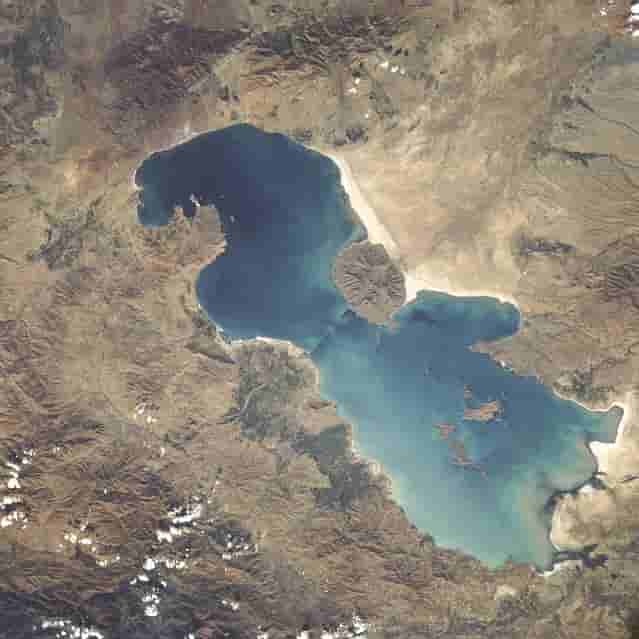
Lake Uiam
Popular lake for water sports, cycling, and scenic walks
Chuncheon Rail Park
Fun rail bike experience through scenic routes.
Nami Island
A picturesque half-moon shaped island known for its tree-lined lanes, popularized by Korean dramas.
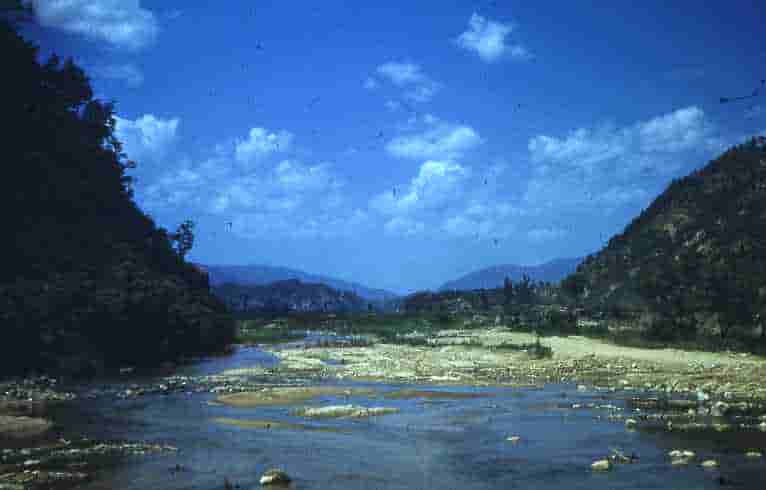
Soyang River
A major river in Chuncheon, ideal for leisurely walks and boat tours.
Chuncheon Makguksu Street
An area dedicated to Chuncheon's other famous dish: buckwheat noodles (makguksu) in cold broth.
KT&G Sangsangmadang Chuncheon
A cultural complex with art galleries, design shops, a cinema, and performance spaces.
🏘️ Neighborhoods
Downtown (Myeongdong/Jungang-dong)
The bustling commercial heart of the city, centered around Myeongdong Street and Jungang Market. Packed with shops, restaurants, and cafes, and close to Gongjicheon Stream.
Gongjicheon Stream Area
A scenic, park-like linear neighborhood following the beautiful stream. Features walking/cycling paths, public art, and outdoor performance spaces. Peaceful yet central.
Soyang River & Lake Uiam Area
The city's picturesque waterfront district. Offers stunning lake views, water sports, ferry docks, and resorts. Home to the Animation Museum.
Chuncheon Station Area
A major transportation hub with the train station, bus terminals, and an underground shopping center. Functional and convenient for arrivals/departures.
Makguksu Town (Near Soyanggang Station)
A specialized food district dedicated to Chuncheon's cold buckwheat noodle dish. Dozens of restaurants compete to serve the best makguksu in a festive atmosphere.
University Districts (Near Kangwon Nat'l Univ.)
Energetic areas filled with students. Features affordable eateries, casual bars, cafes, and a youthful, vibrant street life.
Gubongsan Mountain Area
Residential foothills leading to one of Chuncheon's most popular hiking destinations. Offers quieter accommodations and immediate access to nature trails.
🍽️ Local Cuisine
Chuncheon is a culinary destination in its own right, most famous for being the birthplace of 'dakgalbi.' This iconic dish features marinated chicken pieces stir-fried on a large iron plate with sweet potatoes, cabbage, rice cakes, and spicy gochujang sauce, often finished with a layer of melted cheese or a fried rice stir-in. The other must-try is 'Chuncheon makguksu,' buckwheat noodles served in a chilled, tangy broth with vegetables and a spicy kick, perfect for summer. For a true local experience, head to Chuncheon Myeongdong Street or the dedicated Chuncheon Makguksu Town, where rows of restaurants specialize in these dishes. Dining is casual and communal, with dakgalbi often cooked right at your table. Expect to pay 10,000-15,000 KRW per person for a hearty meal. Etiquette is standard Korean: wait for elders to eat first, and don't lift your rice bowl. Don't miss trying 'ongsimi' (potato dough dumplings) and local Gangwon-do soju.
💡 Local Tips
🚗 Day Trip Ideas
Nami Island (Namiseom)
A picturesque half-moon shaped island famous for its tree-lined lanes, gardens, and as a 'Winter Sonata' filming location. Accessible by ferry.
Gapyeong
A neighboring county offering attractions like the Garden of Morning Calm (stunning themed gardens), Petite France (French cultural village), and rail bike courses.
Seoul
South Korea's vibrant capital is easily accessible for a day of palace tours, shopping in Myeongdong or Gangnam, and exploring modern and traditional culture.
Yangyang & Sokcho (Gangwon Coast)
Head east to the coast to visit beautiful beaches, the serene Seoraksan National Park, and the traditional Daepo Port fish market.
Hongcheon
A nearby area known for its clean environment, Ildong Lake Resort, and opportunities for strawberry picking in season.
🛡️ Safety Tips
Chuncheon is an exceptionally safe city with low crime rates. Violent crime against tourists is rare. Standard precautions apply: be aware of your belongings in crowded areas like Myeongdong Street or festivals. Scams are uncommon, but always confirm taxi fares or use the meter. When hiking on trails like Gubongsan, stay on marked paths and check weather conditions. South Korea's emergency number is 112 for police and 119 for fire/medical. For tourist assistance, dial 1330 for the Korea Travel Hotline, which offers English support. Tap water is generally safe to drink, but most locals and visitors prefer bottled water. Pharmacies ('yakguk') are widely available for minor ailments. During the hot, humid summer, stay hydrated and use sunscreen. In winter, be prepared for icy sidewalks.
💰 Budget Guide
Chuncheon is a very affordable destination compared to Seoul. A budget traveler can manage on 50,000-70,000 KRW ($40-$55) per day by staying in hostels or budget hotels (from 40,000 KRW), eating at local markets and casual dakgalbi joints, and using public buses. Mid-range travelers spending 100,000-150,000 KRW ($80-$120) per day can enjoy comfortable 3-star hotels (around 80,000-120,000 KRW), dining at popular restaurants, taking taxis occasionally, and visiting paid attractions like the Rail Park. A luxury budget of 250,000+ KRW ($200+) allows for upscale lakeside resorts, fine dining, private tours, and spa treatments. Major attractions are reasonably priced (5,000-15,000 KRW). Save money by purchasing a T-money card for bus discounts, visiting free sites like Gongjicheon Stream, hiking public mountains, and enjoying set lunch menus ('jeongshik'). Many museums have free or low-cost admission.