Welcome to Cheongju-si
Nestled in the heart of the Korean peninsula, Cheongju-si is the unassuming capital of Chungcheongbuk-do, a city where deep historical roots intertwine seamlessly with modern Korean life. Far from the frenetic pace of Seoul, Cheongju offers a more measured, authentic experience, inviting travelers to discover its legacy as the birthplace of the world's oldest extant book printed with movable metal type, the Jikji. This city of gentle mountains, serene parks, and cultural pride is a gateway to understanding Korea's scholarly and artistic traditions. With a welcoming atmosphere and a manageable scale, Cheongju is perfectly suited for a 2-3 day immersion. Visitors will find a comfortable base among its 128 hotels, which offer an average nightly rate that provides excellent value, allowing you to invest more in experiences rather than just a place to sleep. Whether you're drawn to ancient fortress walls, contemplative temple sites, or the vibrant local arts scene, Cheongju presents a compelling chapter in any South Korean itinerary.
Overview
Cheongju's significance is profoundly historical. It was here in 1377 that the Buddhist document 'Jikji' was printed using movable metal type, predating Gutenberg by 78 years—a fact celebrated at the superb Cheongju Early Printing Museum. The city served as a provincial capital during the Joseon Dynasty, with remnants of its past visible at the Heungdeok Temple Site and the commanding Sangdangsanseong Fortress, which snakes along a mountain ridge offering panoramic views. Culturally, Cheongju is a hub for traditional Korean alcohol (sool), with a famous brewing culture, and hosts prestigious events like the Cheongju Craft Biennale. The city is administratively divided into four main districts (Gu): Heungdeok-gu (a bustling modern center with City Hall and the station), Sangdang-gu (the historic northern area housing the fortress), Cheongwon-gu (a more residential and governmental zone), and Seowon-gu (home to Chungbuk National University, lending a youthful energy). It's famous for its balanced mix of education, history, and green spaces like Gagyeong Lake Park, providing a high quality of life that is palpable to visitors.
🗓️ Best Time to Visit
The best times to visit Cheongju are during the mild and colorful spring (April to early June) and the crisp, clear autumn (September to November). Spring brings comfortable temperatures, blooming cherry blossoms, and festivals like the Cheongju International Craft Biennale in odd-numbered years. Autumn offers stunning foliage, particularly around Sangdangsanseong Fortress, and perfect weather for hiking and outdoor exploration. Summer (July-August) is hot, humid, and rainy, coinciding with the East Asian monsoon, which can disrupt outdoor plans but features fewer crowds. Winter (December-February) is cold and dry, with occasional snow, ideal for those interested in indoor museums and experiencing Korean winter cuisine. Peak tourist seasons align with spring blooms, autumn colors, and major festivals, while off-peak periods in deep summer and winter offer better hotel rates and a more local pace.
🌤️ Weather & Climate
Cheongju experiences a temperate continental climate with four distinct seasons. Winters are cold and dry, while summers are hot, humid, and rainy due to the East Asian monsoon.
Seasons
Spring
💨 Humidity: moderate
Mild and pleasant with blooming flowers. Ideal for outdoor sightseeing and festivals.
Summer
💨 Humidity: high
Hot, humid, and wet with heavy monsoon rains in July. Good for indoor museums and cultural centers.
Autumn
💨 Humidity: low
Cool, crisp, and sunny with vibrant fall foliage. Perfect for hiking and fortress visits.
Winter
💨 Humidity: low
Cold and dry with occasional snow. Best for indoor historical sites and enjoying warm stews.
Monthly Weather Details
January Weather
Best for: indoor museums, temple visits
February Weather
Best for: indoor museums, early spring festivals
March Weather
Best for: early spring walks, cultural sites
April Weather
Best for: cherry blossom viewing, outdoor sightseeing
May Weather
Best for: festivals, hiking, park visits
June Weather
Best for: indoor activities, early summer outings
July Weather
Best for: indoor museums, craft centers
August Weather
Best for: indoor attractions, evening markets
September Weather
Best for: outdoor activities, fortress hikes
October Weather
Best for: fall foliage viewing, outdoor exploration
November Weather
Best for: cultural sites, park walks
December Weather
Best for: historical museums, winter cuisine
🎒 What to Pack
All Year Round
- comfortable walking shoes
- power adapter
- portable charger
🚗 Getting Around
Cheongju is a very navigable city. The backbone of public transport is an efficient local bus network, with most routes converging near Cheongju Station and the downtown area; a T-money or Cashbee card is essential for seamless travel. Taxis are plentiful, affordable, and a convenient option, with ride-hailing apps like Kakao T widely used. For exploring central areas like the arts center or City Hall, walking is pleasant. Biking is also a great option, with rental stations around Gagyeong Lake Park. Cheongju International Airport (CJJ) is conveniently located, with a local bus and taxi line providing easy transfers to the city center in under 30 minutes. For intercity travel, Cheongju Station offers regular train services, and the express bus terminal provides comprehensive coach links. Costs are reasonable: bus fares start around 1,300 KRW, taxi base fare is approximately 4,800 KRW, and a taxi from the airport to downtown costs about 15,000-20,000 KRW.
🎯 Top Attractions
Cheongju National Museum
A museum featuring artifacts from Korean history, including the Cheongju Early Printing Museum.
Sangdangsanseong Fortress
A historic mountain fortress offering hiking trails and panoramic views of Cheongju.
Heungdeok Temple Site
An archaeological site known for the discovery of the Jikji, the oldest extant book printed with movable metal type.
Cheongju City Hall
Central administrative area with parks and public facilities.
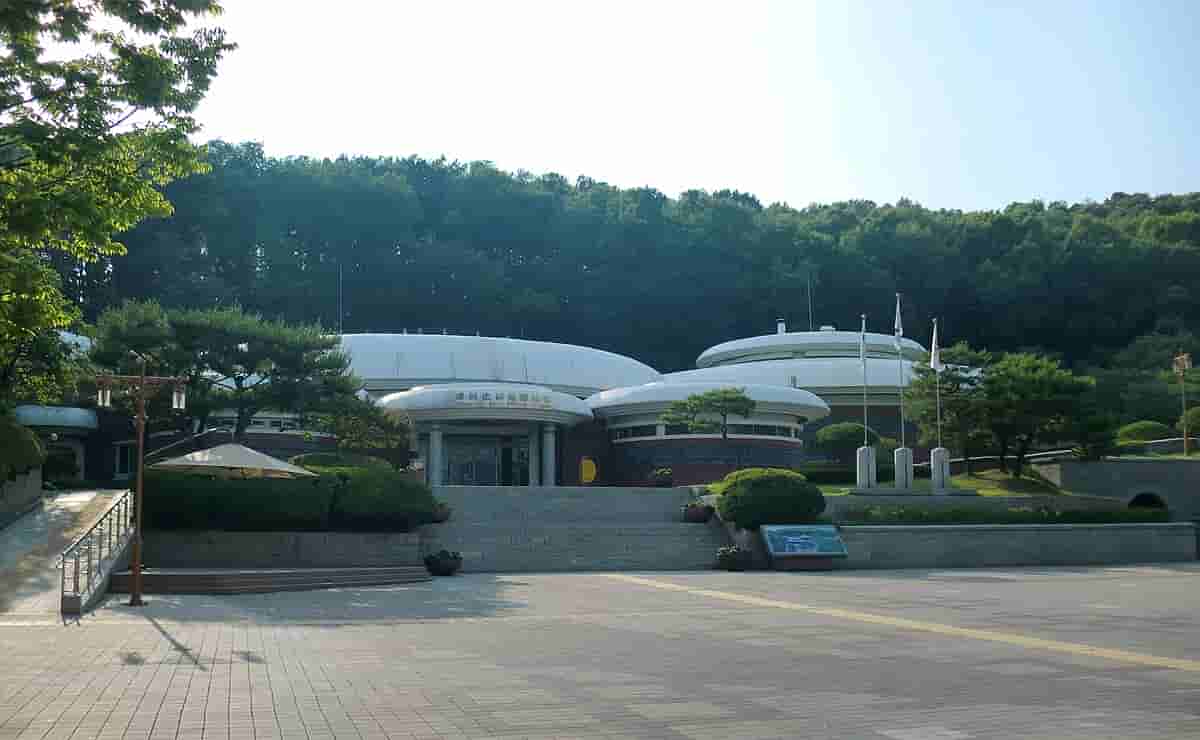
Cheongju Early Printing Museum
Museum dedicated to the history of printing, featuring Jikji, the oldest extant book printed with movable metal type.
Cheongju Station
A railway station providing train services to major cities.
Cheongju Castle
A well-preserved fortress with historical significance and beautiful gardens.
Gagyeong Lake Park
A scenic park centered around a lake, ideal for strolls.
Cheongnamdae Presidential Villa
Former presidential retreat set in a scenic forest area, now open to the public.
Cheongju Arts Center
A cultural venue hosting performances, exhibitions, and events.
Uam Historical Park
A park dedicated to the scholar Uam Song Si-yeol, featuring traditional gardens.
Heungdeoksa Temple Site
The site of the temple where the Jikji, the oldest extant book printed with movable metal type, was printed.
🏘️ Neighborhoods
Heungdeok-gu (City Center)
The modern downtown hub featuring Cheongju City Hall, the main bus terminal, and major commercial complexes. A convenient base for transport and shopping.
Sangdang-gu
The historic northern district, home to the iconic Sangdangsanseong Fortress and the Cheongju Early Printing Museum. Offers a mix of history and residential calm.
Seowon-gu (University District)
Centered around Chungbuk National University, this area is vibrant with affordable eateries, cafes, and youthful energy. Great for budget dining and casual nightlife.
Cheongwon-gu
A quieter, more administrative and residential area, home to government offices and Cheongnamdae Presidential Villa. Offers peaceful stays near nature.
Near Cheongju Station
A bustling transit-oriented area with many business hotels, the U Square mall, and easy access to trains and buses. Practical for short stays and explorers.
Gagyeong Lake Park Area
A scenic and recreational zone centered around the large artificial lake. Features walking paths, parks, and a more relaxed, family-friendly atmosphere.
🍽️ Local Cuisine
Cheongju is renowned within Korea for its traditional alcohol (sool), particularly Cheongju and Takju (unfiltered rice wine), best sampled at local breweries or traditional pubs (sooljip). The city's signature dish is 'Cheongju Bibimbap', a regional variation of the mixed rice bowl, often featuring wild greens and a unique local sauce. Being in Chungcheong province, hearty dishes like 'Gomtang' (beef bone soup) and 'Sundae' (Korean blood sausage) are also local staples. For a unique experience, visit the 'Jungang Market' or 'Yongam Market' for street food and authentic local eateries. Dining culture ranges from casual street stalls to refined traditional restaurants. A typical meal can cost from 8,000 KRW for a market bowl to 30,000+ KRW per person for a sit-down restaurant. Etiquette is standard Korean: wait to be seated, use both hands when receiving or giving items, and don't stick your chopsticks upright in your rice.
💡 Local Tips
🚗 Day Trip Ideas
Danyang
A scenic town known for the Dodamsambong Peaks, Gosu Cave, and the crystal-clear waters of the Namhan River. Famous for garlic and rafting.
Songnisan National Park
Home to the magnificent Beopjusa Temple with its towering golden Buddha statue. Excellent for hiking, temple stays, and autumn foliage.
Goesan
Visit the serene Woraksan National Park and the historic Suanbo Hot Springs for a relaxing soak in natural spring waters.
Boeun
Explore the UNESCO-listed Magoksa Temple, a beautiful and peaceful Buddhist complex nestled in a valley.
Jeungpyeong
Known for the popular 'E-World' resort complex, featuring a sled slope, gardens, and family-friendly attractions.
🛡️ Safety Tips
Cheongju is an exceptionally safe city with very low violent crime. Standard precautions against petty theft in crowded areas like markets or bus terminals are advised. Scams are rare, but be cautious with overly friendly strangers inviting you to bars or clubs. Traffic is orderly, but always use crosswalks. No specific areas require heightened caution. Emergency numbers are 112 for police and 119 for fire/medical. For tourist assistance, dial 1330 for the Korea Travel Hotline. Health-wise, tap water is safe but most locals drink bottled or filtered water. Medical facilities are excellent; having travel insurance is recommended. Pharmacies (yakguk) are widespread for minor ailments.
💰 Budget Guide
Cheongju is a very affordable destination. A budget traveler can manage on 50,000-70,000 KRW per day, staying in hostels or budget hotels (40,000-70,000 KRW/night), eating at markets and casual eateries, and using public buses. Mid-range travelers spending 100,000-150,000 KRW daily can enjoy comfortable hotels (80,000-120,000 KRW/night), nice restaurant meals, taxi trips, and paid museum entries. A luxury budget of 200,000+ KRW per day covers high-end hotels, fine dining, private tours, and premium experiences. Most major attractions are free or low-cost (under 5,000 KRW). Money-saving tips include purchasing a T-money card for bus discounts, visiting free sites like Gagyeong Lake Park and Cheongju City Hall's observation deck, eating at traditional markets, and taking advantage of the Cheongju City Tour Bus for an efficient overview.