Welcome to Campo Grande
Welcome to Campo Grande, the vibrant capital of Mato Grosso do Sul, Brazil. Known affectionately as 'Cidade Morena' for its reddish-brown soil, this is a city of wide avenues, abundant green spaces, and a uniquely welcoming spirit. As the primary gateway to the legendary Pantanal wetlands, Campo Grande offers more than just a stopover; it's a destination where urban energy meets frontier charm. The city serves as a cultural and economic hub for central-western Brazil, blending indigenous, Paraguayan, and Brazilian influences into a distinct local identity. With its pleasant climate and strategic location, it's an ideal base for exploring one of the world's greatest natural wonders. Travelers will find a comfortable and accessible stay here, with a selection of 18 hotels catering to various preferences and budgets, ensuring a restful night after days filled with discovery.
Overview
Founded in 1877 as a settlement for cattle farmers, Campo Grande has grown into a major metropolis while retaining its connection to the land. The city is famous for its role as the commercial and logistical heart of the Pantanal region. Culturally, it's a melting pot, with strong influences from indigenous Terena and Kadiwéu peoples, as well as immigrants from Japan, the Middle East, and neighboring Paraguay, which is reflected in its food, festivals, and daily life. The city is organized around broad, tree-lined avenues radiating from the central hub. Key districts include the bustling Centro, the more residential and upscale Jardim dos Estados, and the university-centered Vila Planalto. Campo Grande is renowned for its parks, its status as a major beef producer, and its pivotal position for eco-tourism, offering a genuine and less-touristy Brazilian urban experience.
🗓️ Best Time to Visit
The best time to visit Campo Grande is during the dry season, from May to September. This period offers sunny days, low humidity, and minimal rainfall, making it ideal for city exploration and, crucially, for venturing into the Pantanal, as wildlife congregates around receding water sources. Daytime temperatures are pleasant (20-30°C/68-86°F), though nights can be cool. The wet season (October to April) brings intense but brief afternoon thunderstorms, high humidity, and lush greenery. While travel to some wetland areas can be challenging, this is the time for vibrant landscapes. Major events include the Festival de Inverno (Winter Festival) in July, featuring music and food, and the Exposição Agropecuária (Agricultural Expo) in August/September, a massive fair celebrating the region's cattle culture. The off-peak wet season sees fewer tourists and lower prices.
🌤️ Weather & Climate
Campo Grande has a tropical savanna climate with two distinct seasons: a hot, rainy summer and a warm, dry winter. Humidity is generally high, especially during the wet months.
Seasons
Wet Season
💨 Humidity: high
Hot, humid days with frequent and intense afternoon thunderstorms. Lush, green landscapes.
Dry Season
💨 Humidity: moderate
Warm, sunny days with cool, comfortable nights. Very little rainfall, ideal for outdoor activities.
Monthly Weather Details
January Weather
Best for: indoor/cultural activities
February Weather
Best for: indoor/cultural activities
March Weather
Best for: sightseeing
April Weather
Best for: sightseeing
May Weather
Best for: sightseeing, Pantanal trips
June Weather
Best for: sightseeing, Pantanal trips
July Weather
Best for: sightseeing, Pantanal trips
August Weather
Best for: sightseeing, Pantanal trips
September Weather
Best for: sightseeing, Pantanal trips
October Weather
Best for: sightseeing
November Weather
Best for: sightseeing
December Weather
Best for: indoor/cultural activities
🎒 What to Pack
All Year Round
- sunscreen
- sunglasses
- hat
- lightweight clothing
- comfortable walking shoes
- reusable water bottle
🚗 Getting Around
Campo Grande is a sprawling city best navigated by a mix of transport. The public bus system is extensive and inexpensive (around R$4-5 per ride), connecting all major districts, though routes can be confusing for non-Portuguese speakers. Taxis are readily available and relatively affordable for shorter trips. Ride-sharing apps like Uber and 99 are widely used and often the most convenient option. The city is not highly walkable for long distances due to its size and heat, but central areas like the Parque das Nações Indígenas are pleasant for strolling. Biking is possible on some dedicated paths in parks. For airport transfers, taxis and ride-shares are available outside Aeroporto Internacional de Campo Grande (CGN), about a 15-20 minute drive to the city center. Renting a car is a good option for maximum flexibility, especially for day trips.
🎯 Top Attractions
Campo Grande Park
A lush urban park ideal for relaxation and leisurely strolls near the hotel.
Museu de Arte e Ciência de Campo Grande
A cultural hub showcasing local art and science exhibitions.
Zoo Zoo Corporal
A family-friendly zoo with diverse wildlife and interactive exhibits.
Parque das Nacoes Indigenas
A large urban park with lakes, sports facilities, and cultural events.
Shopping Campo Grande
A modern mall with retail stores, dining options, and entertainment venues.
Museu da Imigração
A museum dedicated to the history of immigration in the region.
Parque das Nações Indígenas
A sprawling urban park with lakes, trails, and cultural monuments celebrating indigenous heritage.
Bioparque Pantanal
South America's largest freshwater aquarium showcasing the biodiversity of the Pantanal.
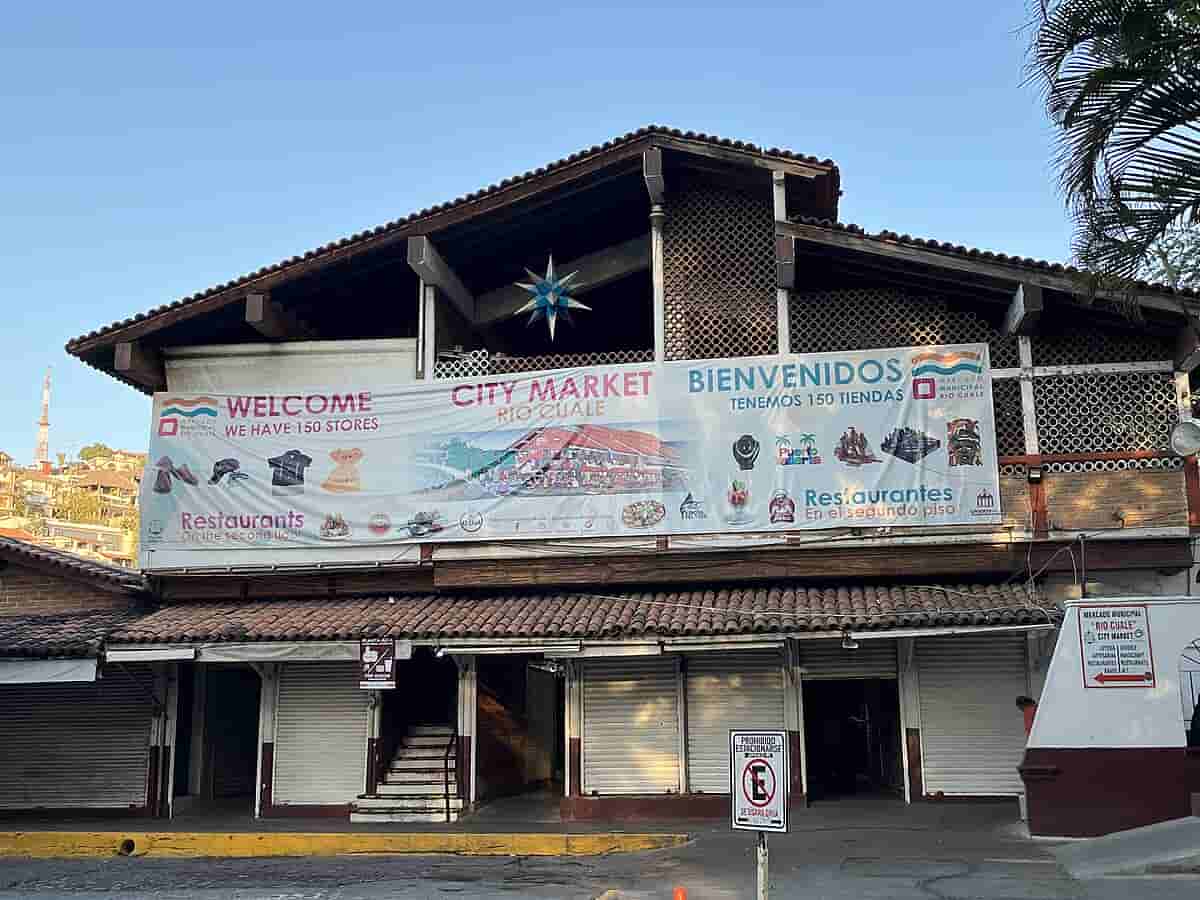
Mercado Municipal
Local market offering fresh produce and regional crafts.
Pantanal Wetlands
Vast wetlands rich in wildlife and eco-tours.
Parque dos Poderes
A park with government buildings, monuments, and green spaces.
Indigenous Culture Museum
Museum dedicated to the history and culture of indigenous peoples.
🏘️ Neighborhoods
Centro
The historic and commercial heart of the city, home to government buildings, the cathedral, Feira Central, and many shops. Bustling by day, quieter at night.
Jardim dos Estados
An affluent, modern district with upscale residences, embassies, high-end restaurants, and shopping malls like Shopping Campo Grande. Wide, planned avenues.
Vila Planalto
A vibrant, youthful area near the Federal University (UFMS). Packed with affordable bars, casual eateries, and student housing. Lively and informal.
Tiradentes
A large, primarily residential neighborhood with good local amenities, parks, and a growing number of entertainment venues and clubs.
Monte Castelo
A pleasant, central residential area known for its quality homes, good schools, and proximity to attractions like Parque das Nações Indígenas.
Guanandi
A developing area near the airport and the massive Bioparque Pantanal. Offers newer hotel options and easy highway access.
Amambaí
A traditional neighborhood with a mix of commerce and residences. Home to the Mercado Municipal and a strong sense of local community.
🍽️ Local Cuisine
Campo Grande's cuisine is a hearty reflection of its cattle-ranching roots and cultural fusion. The undisputed star is churrasco (barbecue), with picanha (rump cap) and costela (beef ribs) being must-tries. Don't miss sobá, a noodle soup of Okinawan origin adapted with local ingredients like beef or pork, a true local comfort food. Other specialties include arroz carreteiro (a rice and jerked beef dish), chipa (cheese bread of Paraguayan influence), and tereré, the region's iconic iced yerba mate drink, often shared socially. For a local experience, visit the Mercado Municipal for casual stalls or the 'soba' restaurants in the vicinity of the Feira Central. Mid-range churrascarias (steakhouses) offer excellent value. Dining is generally casual and late; a tip of 10% is customary if service isn't included. Expect to pay R$30-50 for a substantial meal at a mid-range restaurant.
💡 Local Tips
🚗 Day Trip Ideas
Pantanal Wetlands (Southern Portion)
Explore the world's largest tropical wetland. Take a guided tour for wildlife spotting (caimans, capybaras, birds) and experience the unique ecosystem.
Bonito
World-renowned for crystal-clear rivers, snorkeling, caves, and waterfalls. A paradise for ecotourism and adventure activities.
Aquidauana & Miranda
Charming historic towns on the edge of the Pantanal, offering a glimpse into regional culture and serving as gateways for shorter wetland excursions.
Jardim
A smaller town near Bonito, offering similar stunning natural attractions like the Blue Lake Cave (Gruta do Lago Azul) with fewer crowds.
Corumbá
The 'Capital do Pantanal' on the Paraguay River. A historic port city with forts, museums, and immediate access to wetland tours.
🛡️ Safety Tips
Campo Grande is generally safer than Brazil's major coastal cities, but standard precautions apply. Petty theft like pickpocketing can occur in crowded areas like bus stations, markets, and the Feira Central. Avoid displaying expensive jewelry, phones, or cameras. Be cautious in the city center at night; stick to well-lit, populated areas. Use official taxis or ride-sharing apps rather than hailing cabs on the street. Emergency numbers are 190 (Police), 192 (Ambulance), and 193 (Fire). Health-wise, drink bottled water. The sun is strong, so use high-SPF sunscreen. If visiting the Pantanal, consult a doctor about yellow fever vaccination and malaria prophylaxis, and use strong insect repellent. Overall, staying aware of your surroundings will ensure a safe visit.
💰 Budget Guide
Campo Grande is an affordable destination. A budget traveler can manage on R$150-200 per day, staying in hostels or basic hotels (from R$80/night), eating at markets or lanchonetes, and using buses. Mid-range travelers (R$250-400/day) can enjoy comfortable hotels (R$150-250/night), meals at good churrascarias, occasional taxis, and paid attractions like the Bioparque. Luxury (R$500+/day) covers high-end hotels, fine dining, private tours, and car rentals. Key costs: bus fare R$4.50, taxi start R$6 + R$3/km, museum entry R$10-20, a hearty churrasco meal R$40-60. Money-saving tips: Visit free attractions like parks and the Feira Central, share tereré with locals, eat at the Mercado Municipal, and travel in the wet season for lower accommodation rates. Many cultural experiences are low-cost or free.