Welcome to Caceres
Nestled in the heart of Spain's Extremadura region, Cáceres is a city where time stands still, offering a breathtaking journey through centuries of history. Its crown jewel is the UNESCO-listed Old Town, a remarkably preserved ensemble of medieval and Renaissance architecture where golden-stone palaces, fortified houses, and cobblestone streets transport you to another era. This is a city of knights and conquistadors, where the silence of its plazas whispers tales of ancient nobility. Beyond the formidable city walls, a vibrant modern city thrives, offering all the comforts for today's traveler, including a selection of 21 hotels that provide a perfect base for exploration. Whether you're marveling at stork nests atop ancient towers or savoring the robust flavors of Extremaduran cuisine, Cáceres delivers an authentic and deeply atmospheric Spanish experience that feels both undiscovered and profoundly significant.
Overview
Cáceres is a city of profound historical layers, founded by the Romans, fortified by the Moors, and magnificently expanded by Christian nobility following the Reconquista. Its fame rests squarely on the Ciudad Monumental (Monumental City), one of Europe's best-preserved urban complexes from the late Middle Ages and Renaissance. Walking through its gates is like stepping onto a film set, with a stunning array of palaces, churches, and convents built from local granite and golden sandstone. The city is culturally rich, known for its traditional festivals like the Medieval Market and the WOMAD world music festival. While the historic center is the undeniable star, the city extends into modern districts like the bustling city center around Plaza Mayor and more residential areas. Cáceres is the capital of its province and a university town, lending it a youthful energy that contrasts beautifully with its ancient stones. It's famous for its cinematic beauty, its role in the history of Spanish exploration of the Americas, and its serene, almost untouched atmosphere.
🗓️ Best Time to Visit
The best times to visit Cáceres are during the shoulder seasons of spring (April to June) and autumn (September to October). These periods offer pleasantly warm days, cool evenings, and minimal rainfall, ideal for exploring the extensive outdoor UNESCO site. Summer (July-August) can be intensely hot, with temperatures often soaring above 35°C (95°F), making midday exploration challenging; however, the nights are lively with terrace culture. Winter is mild but can be chilly and damp. Major events are seasonal: spring boasts the spectacular Semana Santa (Holy Week) processions and the Extremadura Spanish Film Festival. Summer features the WOMAD world music festival in May and the San Fernando fair in late May. Autumn is quiet but beautiful, and winter sees the magical Medieval Market in the Old Town during early December, transforming the historic quarter into a scene from the past. Off-peak seasons (winter and late summer) offer fewer crowds and lower prices at the city's 21 hotels.
🌤️ Weather & Climate
Cáceres has a Mediterranean climate with strong continental influences, characterized by hot, dry summers and cool, moderately wet winters. There is a significant temperature variation between seasons.
Seasons
Spring
💨 Humidity: moderate
Pleasant and mild with increasing sunshine. Ideal for sightseeing and outdoor activities, with blooming landscapes.
Summer
💨 Humidity: low
Hot and dry with intense sun. Days can be very hot, but nights are cooler. Essential to stay hydrated and avoid midday sun.
Autumn
💨 Humidity: moderate
Warm and comfortable early on, becoming cooler and rainier later. Beautiful light on the golden stone buildings.
Winter
💨 Humidity: moderate
Cool and damp with occasional frosts. Rarely snows. A quiet time to visit with a stark, atmospheric beauty in the Old Town.
Monthly Weather Details
January Weather
Best for: cultural sightseeing, quiet exploration
February Weather
Best for: cultural sightseeing, early spring walks
March Weather
Best for: sightseeing, outdoor cafes
April Weather
Best for: ideal sightseeing, festival season
May Weather
Best for: perfect sightseeing, festival season
June Weather
Best for: early morning/late evening exploration
July Weather
Best for: terrace dining, evening strolls
August Weather
Best for: terrace dining, evening strolls
September Weather
Best for: excellent sightseeing, warm days
October Weather
Best for: sightseeing, culinary tours
November Weather
Best for: cultural visits, museum hopping
December Weather
Best for: Christmas markets, atmospheric visits
🎒 What to Pack
All Year Round
- comfortable walking shoes
- sunglasses
- daypack
- power adapter
🚗 Getting Around
Cáceres is a highly walkable city, especially within the compact and pedestrianized Old Town. The historic center is best explored on foot to fully appreciate its narrow alleys and hidden corners. For longer distances, the local bus network is efficient and affordable, with single tickets costing around €1.10. Taxis are readily available and reasonably priced for trips between the modern city and the historic center; ride-sharing services like Uber are not prominent. Renting a bike is a pleasant option for exploring the wider city and its greenways, such as the Ronda de la Mejostilla. For airport transfers, the city is served by Cáceres Railway Station (for trains from Madrid and elsewhere) and the nearby Talavera la Real Airport in Badajoz, about 90 minutes away by car or bus. Most visitors find that a combination of walking for the core sights and occasional taxis for returns to hotels or the station is perfectly sufficient for a one-day stay.
🎯 Top Attractions
Old Town of Cáceres
A UNESCO World Heritage site with cobbled streets and medieval architecture.
Plaza Mayor
The vibrant main square of Cáceres, lined with arcades, cafes, and restaurants, serving as the gateway to the historic quarter.
Palacio de los Golfines de Abajo
A stunning Renaissance palace with guided tours and rich historical exhibits.
Museo de Cáceres
A key cultural site located within the old town, offering fascinating insights into the history and heritage of Cáceres and Extremadura.
Caceres Old Town
A UNESCO World Heritage Site, this medieval walled city is a maze of cobbled streets, ancient palaces, and towering stork nests.
Museo de Caceres
A museum housed in a historic building, showcasing local art and archaeology.
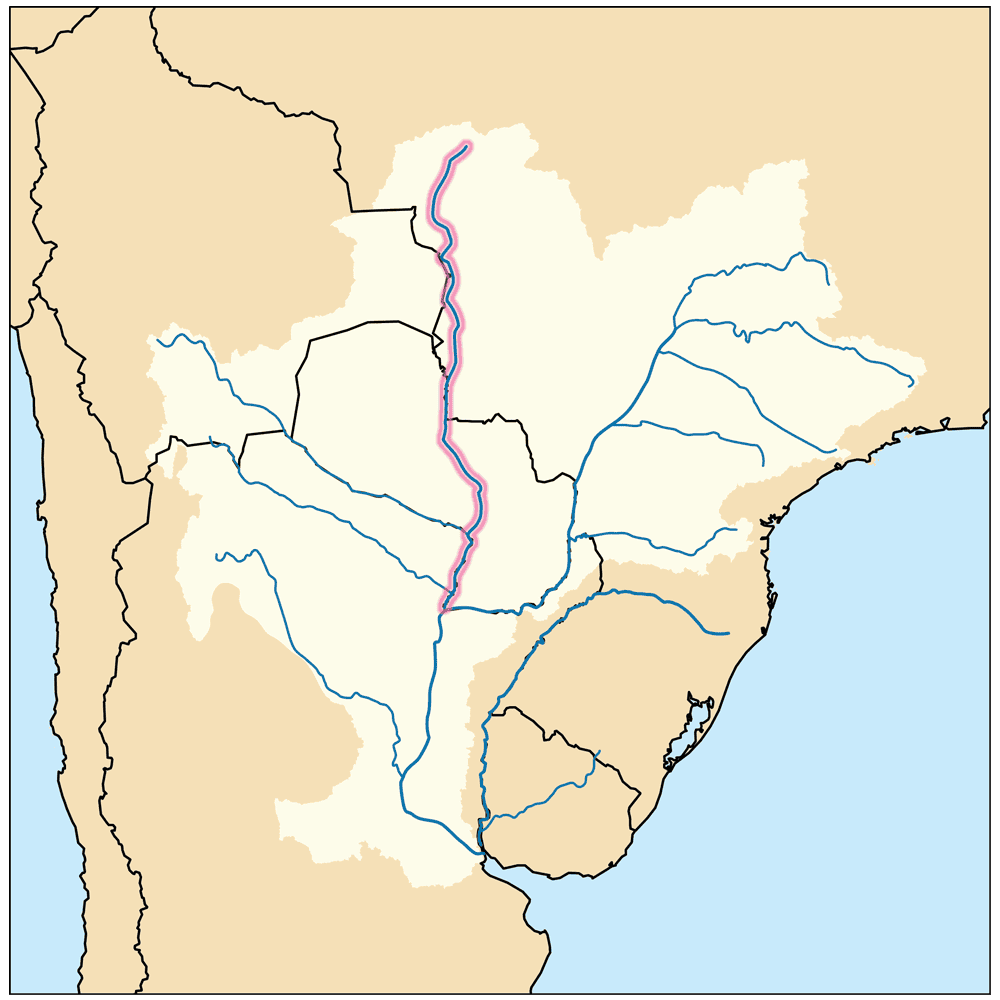
Paraguay River
Scenic river ideal for boat tours and fishing excursions
Cáceres Historic Center
Colonial-era buildings and churches reflecting local heritage
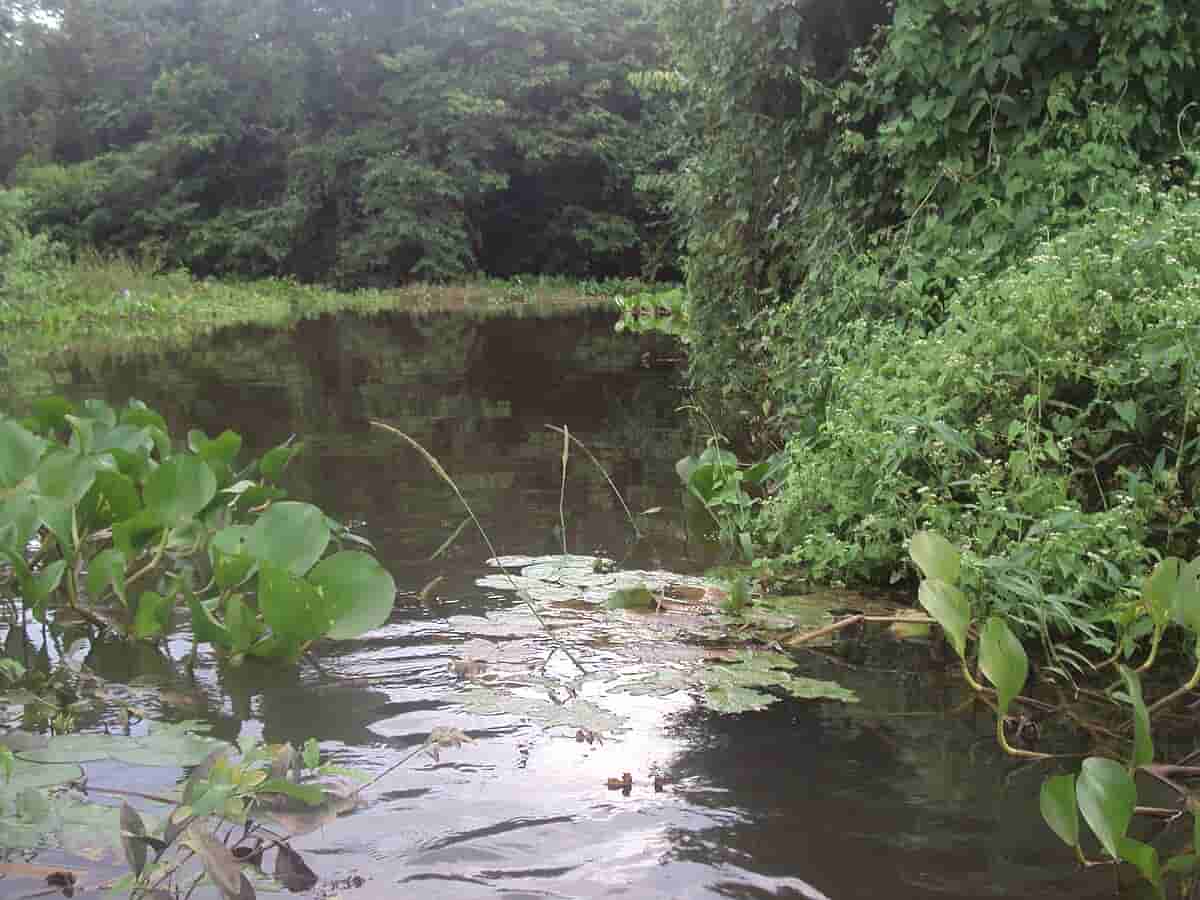
Pantanal Matogrossense National Park
Vast wetland sanctuary with diverse wildlife and eco-tours
Cáceres Old Town (UNESCO)
The hotel is nestled at the edge of the historic quarter, allowing guests to immerse themselves in the medieval ambiance within seconds of stepping outside.
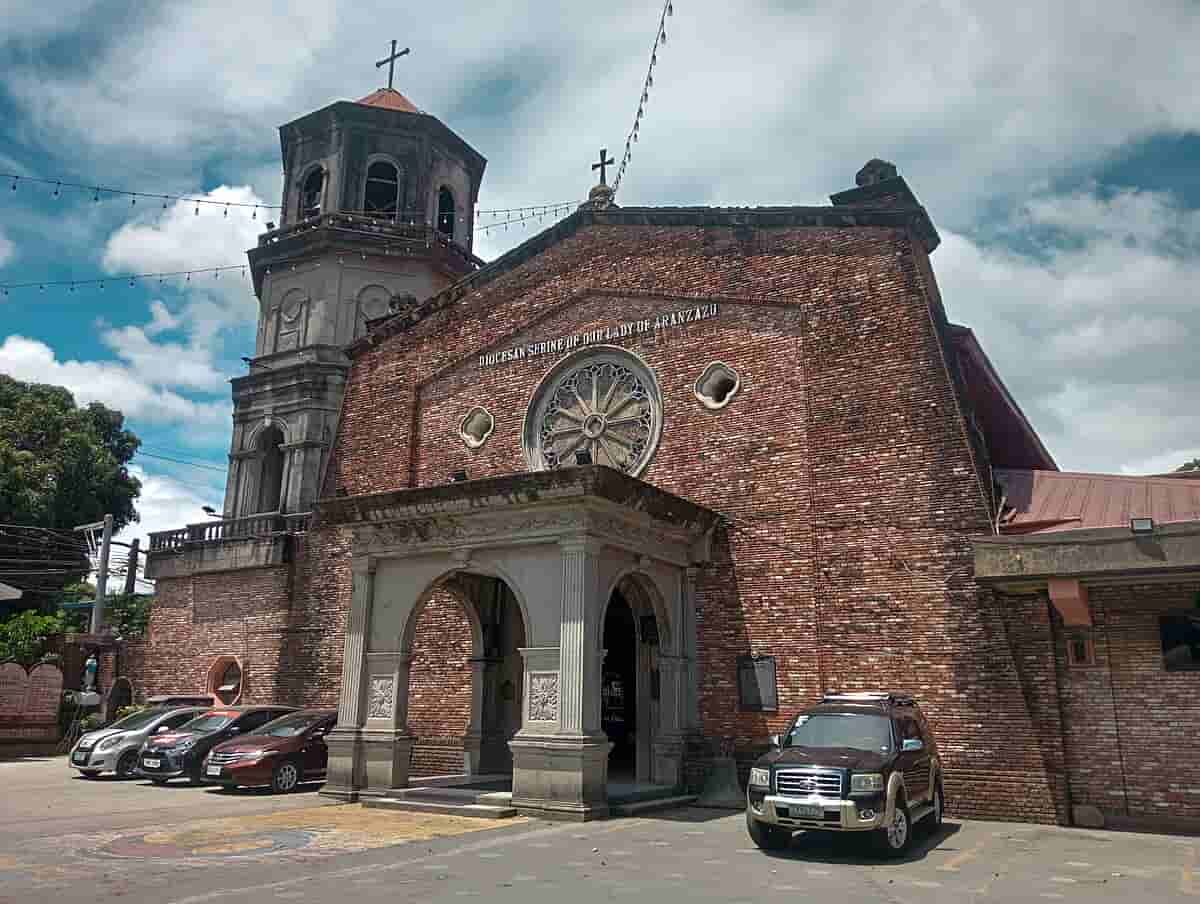
San Mateo Church
A beautiful 16th-century Gothic church located in the heart of the monumental quarter, known for its impressive altarpiece and architecture.
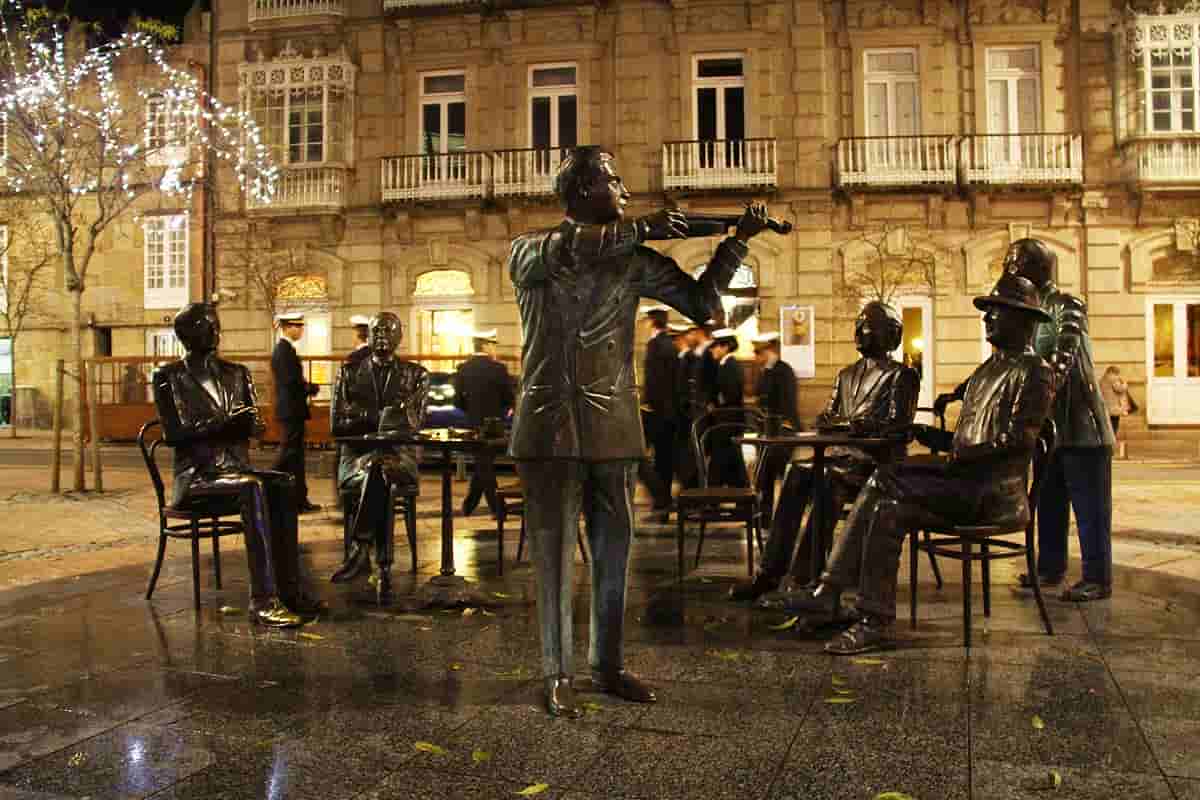
Plaza de San Jorge
A charming square dominated by the baroque Church of San Francisco Javier, offering a picturesque and quieter corner of the old town.
🏘️ Neighborhoods
Ciudad Monumental (Old Town)
The UNESCO World Heritage heart of Cáceres, enclosed by ancient walls. A maze of golden-stone palaces, churches, and cobbled streets frozen in time.
Plaza Mayor & City Center
The bustling modern hub centered on the grand main square. Lined with cafes, restaurants, and shops, it's the gateway to the Old Town.
San Blas
A charming, quieter neighborhood just outside the western walls of the Old Town. Known for its artisan workshops, local vibe, and the San Blas Hermitage.
Mejostilla
A modern, primarily residential district north of the center. Offers more contemporary amenities, parks, and good transport links.
Historic Center (outside walls)
The area immediately surrounding the Old Town walls, featuring 19th-century architecture, wider streets, and a mix of businesses and residences.
Universidad
Home to the University of Extremadura campus. A youthful, vibrant area with budget-friendly eateries, bars, and a lively academic atmosphere.
🍽️ Local Cuisine
Extremaduran cuisine is hearty, rustic, and deeply satisfying, reflecting the region's pastoral and agricultural heritage. Signature dishes include 'migas' (fried breadcrumbs with paprika and pork), 'caldereta de cordero' (a rich lamb stew), and 'torta del Casar', a famously creamy and pungent sheep's milk cheese that is a true delicacy. Iberian pork is king here, with 'jamón ibérico de bellota' (acorn-fed ham) being some of the best in the world. Dining culture is social and late; expect restaurants to fill for lunch after 2 PM and for dinner after 9 PM. Must-try foods also include 'presa ibérica' (Iberian pork steak) and 'patatas revolconas' (mashed potatoes with paprika and pork). The best food areas are around Plaza Mayor and the streets leading into the Old Town, offering a mix of traditional taverns and modern tapas bars. Price ranges are very reasonable: a budget meal can be found for €10-15, mid-range €20-35, and fine dining upwards of €50. Etiquette is relaxed; it's common to share tapas and ask for the 'ración' size for a full plate.
💡 Local Tips
🚗 Day Trip Ideas
Trujillo
A stunning medieval town, birthplace of conquistador Francisco Pizarro. Features a magnificent main plaza and a castle with sweeping plains views.
Mérida
Home to some of Spain's most impressive Roman ruins, including a magnificent theatre and amphitheatre, a UNESCO World Heritage site.
Monfragüe National Park
A UNESCO Biosphere Reserve and paradise for birdwatchers, with one of Europe's largest colonies of griffon vultures and imperial eagles.
Guadalupe
A picturesque mountain village centered around the majestic Royal Monastery of Santa María, a UNESCO site and historic pilgrimage destination.
Plasencia
A lively historic city on the banks of the Jerte River, known for its impressive cathedral, old walls, and vibrant weekly market.
🛡️ Safety Tips
Cáceres is generally a very safe city with a low crime rate. Violent crime is rare. The main concerns for visitors are petty theft, such as pickpocketing, which can occur in crowded tourist areas like Plaza Mayor. Be cautious with your belongings, especially in busy spots and on public transport. The Old Town is safe at night but can be poorly lit and deserted in some alleys; stick to main thoroughfares after dark. Standard emergency numbers apply: 112 for all emergencies. Health recommendations include having European Health Insurance Card (EHIC) or travel insurance. Tap water is safe to drink. There are no specific vaccination requirements. The summer heat can be severe, so sun protection and hydration are essential. Healthcare facilities are good, with the main hospital being Hospital San Pedro de Alcántara.
💰 Budget Guide
Cáceres is an affordable destination by European standards. A budget traveler can manage on €40-60 per day: staying in hostels or budget guesthouses (€20-35), eating 'menú del día' lunches (€10-12), using public transport or walking (€2-5), and enjoying free sights like the Old Town. A mid-range traveler should budget €80-120 per day: this covers a comfortable hotel (€50-80 from the average of $97.95), dining well at local restaurants (€25-40), taxi rides (€10-15), and paid museum entries (€2-5 each). A luxury budget starts at €150+ per day, allowing for boutique hotels in historic buildings, fine dining, private guides, and car rentals. Money-saving tips: visit museums on free entry days (often Sunday afternoons), enjoy free walking tours (tip-based), eat the substantial 'menú del día' for lunch, and stay slightly outside the immediate Old Town for better hotel rates. The city's 21 hotels offer a range to suit all these budgets.