Welcome to Buyeo-gun
Nestled in the heart of Chungcheongnam-do, Buyeo-gun is a serene portal to Korea's ancient past, where the spirit of the Baekje Kingdom (18 BC–660 AD) lingers in every historic stone and tranquil lotus pond. As the final capital of this sophisticated kingdom, Buyeo is not merely a town but a living museum, offering a profound contrast to the frenetic energy of modern South Korea. Here, history is not confined to glass cases; it's woven into the landscape, from the formidable walls of Busosanseong Fortress overlooking the gentle Baekma River to the reconstructed grandeur of Baekje Cultural Land. The pace is gentle, inviting contemplation and connection with a cultural legacy that shaped much of East Asia. With a manageable size perfect for a focused exploration, visitors can comfortably base themselves in one of the area's 15 hotels, averaging a reasonable $96.53 per night, making this historical immersion both accessible and deeply rewarding. Whether you're tracing the footsteps of ancient royalty or seeking the poignant beauty of Nakhwaam Rock, Buyeo promises a journey that is as emotionally resonant as it is educational.
Overview
Buyeo-gun served as the capital of the Baekje Kingdom from 538 to 660 AD, under the name Sabi. This period is considered the golden age of Baekje culture, renowned for its artistry, Buddhism, and diplomacy with neighboring China and Japan. Today, Buyeo is a county celebrated for preserving this illustrious heritage, designated as a UNESCO World Heritage site as part of the 'Baekje Historic Areas.' The city is famous for its dense concentration of historical sites, including the Buyeo Historic Sites Area, the insightful Buyeo National Museum, and the iconic Gungnamji Pond, Korea's oldest artificial pond. Culturally, it's synonymous with the annual Seodong Lotus Festival, which transforms the area into a sea of pink and white blossoms. The main districts are compact and centered around the historic core near the Baekma River and the Busosanseong Fortress area, with the modern administrative and commercial center providing necessary amenities. The atmosphere is predominantly peaceful and scholarly, focused on preservation and education rather than urban development.
🗓️ Best Time to Visit
The best time to visit Buyeo is undoubtedly during the shoulder seasons of spring (April to early June) and autumn (September to October). Spring brings mild temperatures, blooming cherry blossoms, and azaleas, creating a picturesque backdrop for the historic sites. Autumn offers crisp, cool air and stunning fall foliage, particularly beautiful around the fortress and parks. These periods provide ideal weather for extensive walking and outdoor exploration. Summer (July-August) is hot, humid, and rainy, but it's also the season for the spectacular Buyeo Seodong Lotus Festival, usually in July, when Gungnamji Pond and other areas are in full, breathtaking bloom. This is the peak tourist season. Winter (December-February) is cold and quiet, offering a stark, crowd-free experience of the historic ruins, though some outdoor attractions may be less appealing. For a balance of good weather and cultural vibrancy, aim for late spring or early autumn.
🌤️ Weather & Climate
Buyeo experiences a temperate climate with four distinct seasons. Summers are hot and humid with significant monsoon rainfall, while winters are cold and dry with occasional snowfall. Spring and autumn are mild and pleasant.
Seasons
Spring
💨 Humidity: moderate
Mild and gradually warming. Cherry blossoms bloom in April. Ideal for outdoor sightseeing.
Summer
💨 Humidity: high
Hot, humid, and rainy, especially during the July monsoon. Lotus flowers bloom beautifully.
Autumn
💨 Humidity: moderate
Cool, crisp, and sunny with vibrant fall foliage. The most comfortable season for travel.
Winter
💨 Humidity: low
Cold and dry with occasional snow. Historic sites offer a stark, peaceful beauty.
Monthly Weather Details
January Weather
Best for: indoor museums, quiet contemplation
February Weather
Best for: indoor museums, quiet contemplation
March Weather
Best for: early spring walks
April Weather
Best for: cherry blossom viewing, sightseeing
May Weather
Best for: sightseeing, hiking
June Weather
Best for: early summer festivals
July Weather
Best for: Seodong Lotus Festival
August Weather
Best for: lotus viewing, indoor attractions
September Weather
Best for: sightseeing, hiking
October Weather
Best for: fall foliage viewing
November Weather
Best for: sightseeing
December Weather
Best for: indoor museums, quiet contemplation
🎒 What to Pack
All Year Round
- comfortable walking shoes
- power adapter
- portable charger
🚗 Getting Around
Buyeo is a compact county best explored on foot, especially within the central historic district connecting sites like the National Museum, Gungnamji Pond, and the entrance to Busosanseong Fortress. For longer distances, local buses connect the main town with outlying attractions like Baekje Cultural Land and Chilgapsan Provincial Park, with fares typically around 1,300 KRW ($1 USD). Taxis are readily available and affordable for point-to-point travel within the county; a ride across town may cost 5,000-10,000 KRW ($4-$8). Ride-sharing apps like Kakao T are operational. There is no subway system. For airport transfers, the most common route is via express bus or train to nearby cities like Daejeon or Nonsan, followed by a local bus or taxi to Buyeo. Renting a car from a major city like Seoul or Daejeon provides maximum flexibility for exploring the rural sites and taking day trips at your own pace.
🎯 Top Attractions
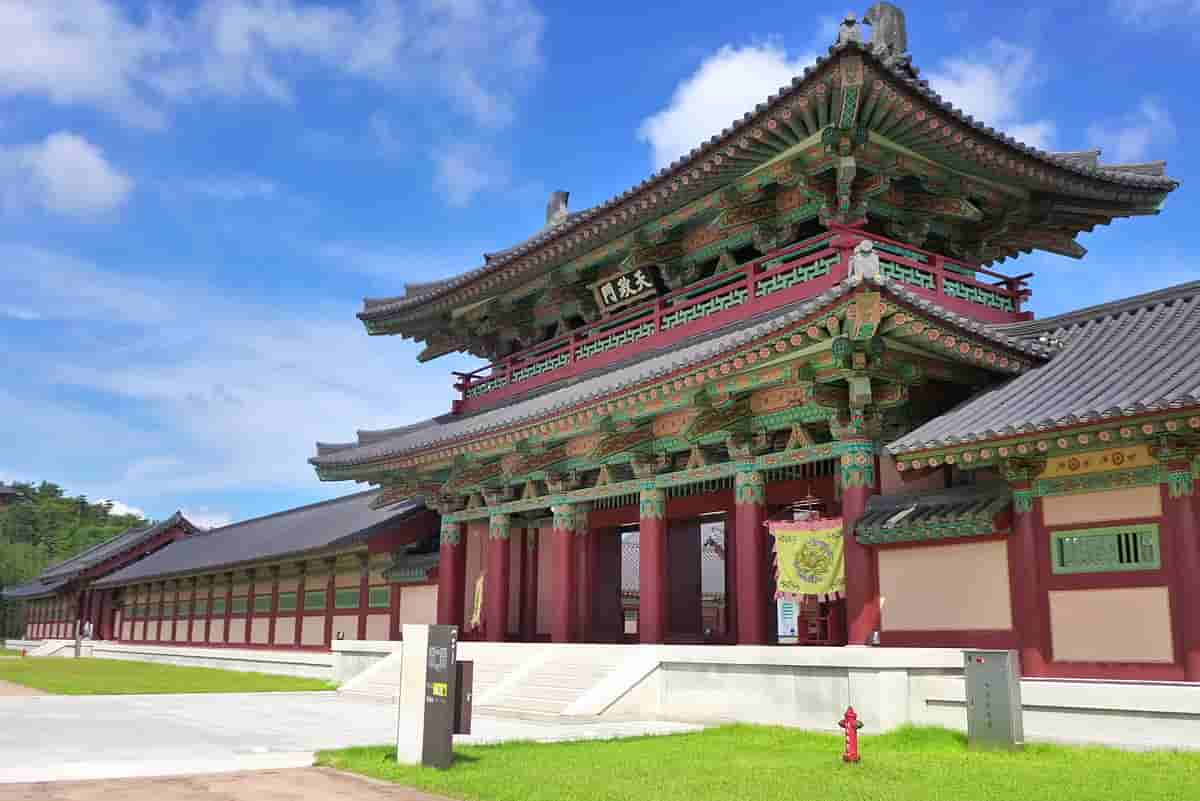
Baekje Cultural Land
Historical theme park recreating the ancient Baekje kingdom with palaces and cultural exhibits.
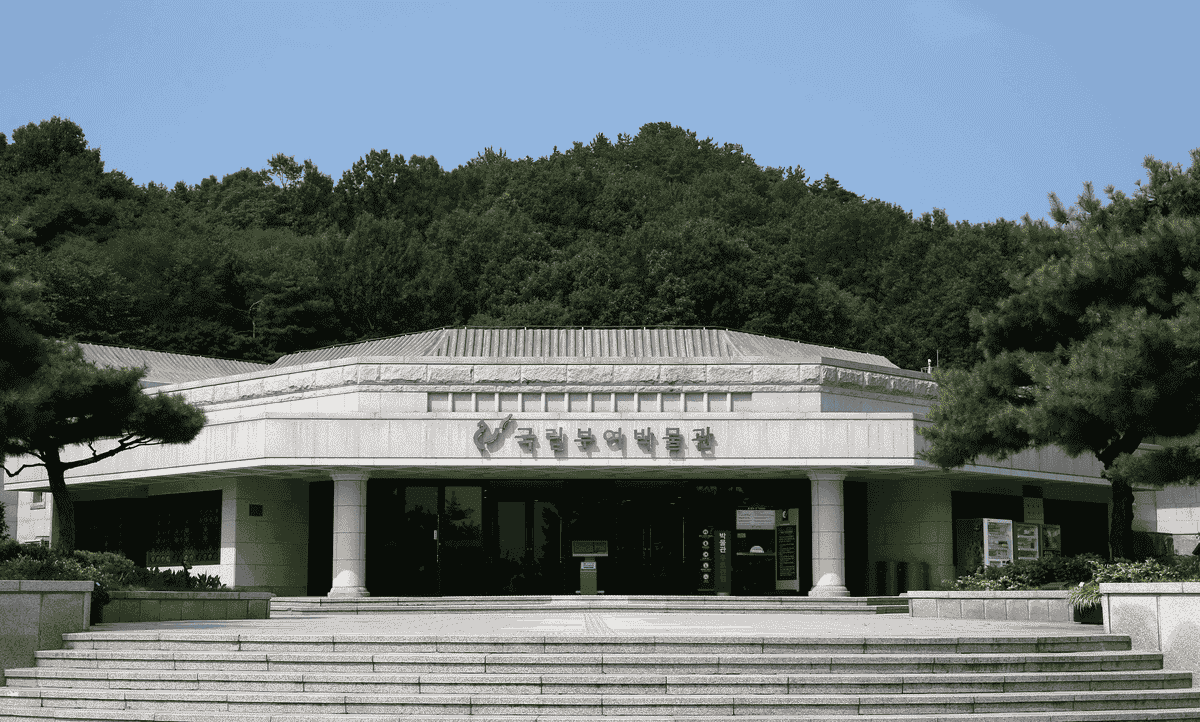
Buyeo National Museum
Museum showcasing artifacts from the Baekje period, including gold crowns and pottery.
Gungnamji Pond
An ancient pond dating back to the Baekje era, surrounded by lotus flowers.
Baekma River
Scenic river perfect for fishing and water activities
Busosanseong Fortress
A mountain fortress with ancient walls, temples, and views over the Baengma River.
Chilgapsan Provincial Park
A mountain park known for hiking trails and seasonal flowers.
Buyeo Historic Sites Area
A UNESCO World Heritage site encompassing key Baekje relics.
Buyeo Public Market
A bustling market offering local foods and goods.
Buyeo Seodong Lotus Festival Site
Hosts annual festivals celebrating lotus flowers and local culture.
Nakhwaam Rock
A cliff with historical significance and panoramic river views.
Jeongnimsa Temple Site
Historic temple ruins from the Baekje period.
Buyeo Intercity Bus Terminal
Convenient transport hub for regional travel.
🏘️ Neighborhoods
Buyeo-eup (Town Center)
The administrative and commercial heart of the county, featuring the bus terminal, public market, and a variety of shops and restaurants. Well-connected to all major sites.
Gungnamji/Baekma River Area
The historic and scenic core, home to Gungnamji Pond, the National Museum, and riverside parks. Walking distance to key attractions and festival sites.
Busosanseong Fortress Area
The hillside area surrounding the ancient fortress. Offers stunning views, historic trails, and a more secluded atmosphere. Accommodation is limited but peaceful.
Baekje Cultural Land Perimeter
Located slightly outside the main town, this area is dominated by the expansive cultural complex. Convenient for immersive historical experience but fewer dining options.
Gwanbuk-ri & Nakhwaam Area
A quieter riverside area near the dramatic Nakhwaam Rock. Offers poignant historical sites and beautiful river views away from the main tourist flow.
Chilgapsan Area
The rural foothills near Chilgapsan Provincial Park. Features hiking trails, natural scenery, and rustic pensions. Requires personal transport.
🍽️ Local Cuisine
Buyeo's cuisine is hearty and rooted in its agricultural and riverine setting. A must-try signature dish is 'Baekje hoetjip' (Baekje raw fish), featuring fresh catches from the nearby Geum River, served with a variety of banchan (side dishes). Another local specialty is lotus root dishes, a tribute to the area's famous ponds, often prepared as jeon (pan-fried pancakes) or in sweet rice drinks. The Buyeo Public Market is an excellent spot to sample street food and local produce. Dining culture is casual and family-oriented. Meals are typically shared, and it's common to grill your own meat at the table for dishes like samgyeopsal (pork belly). A meal at a local restaurant can range from 8,000 KRW ($6) for a simple noodle soup to 25,000 KRW ($20) per person for a full grilled meat set. Etiquette includes using both hands or your right hand to receive or give items, and not sticking chopsticks upright in a bowl of rice.
💡 Local Tips
🚗 Day Trip Ideas
Gongju
The former Baekje capital (Ungjin) before Buyeo, featuring the UNESCO-listed Gongsanseong Fortress and the Royal Tombs.
Seosan
Known for the stunning Ganwolam Buddhist Temple on a seaside cliff and the expansive Seosan Birdland.
Daejeon
A major metropolitan hub with excellent science museums (EXPO Park), vibrant dining, and shopping districts.
Boryeong
Famous for its annual Mud Festival (July) and beautiful beaches like Daecheon Beach.
Nonsan
Home to the impressive Nonsan Strawberry Festival (spring) and the scenic Tapjeongho Lake.
🛡️ Safety Tips
Buyeo is an exceptionally safe destination with very low crime rates. Violent crime against tourists is extremely rare. Standard precautions apply: be aware of your surroundings in crowded places like the public market, secure your valuables, and keep copies of your passport. There are no notable tourist-targeted scams, but always confirm taxi fares or use the meter. Traffic safety is the primary concern; be cautious when crossing streets and walking along roads without sidewalks. For emergencies, dial 112 for police and 119 for fire and medical services. English may not be widely spoken by emergency operators, so having your hotel's address written in Korean is helpful. Tap water is generally safe but most locals drink bottled or filtered water. Pharmacies ('yakguk') are available for minor health needs. Overall, Buyeo offers a secure and welcoming environment for all travelers.
💰 Budget Guide
Buyeo is a very affordable destination. A budget traveler can manage on 50,000-70,000 KRW ($40-$55) per day by staying in a hostel or minbak (homestay), eating at local markets and casual restaurants, and using public buses. A mid-range budget of 100,000-150,000 KRW ($80-$120) per day covers a comfortable hotel (around the $96 average), meals at sit-down restaurants, taxi trips, and entrance fees to major attractions. Luxury travel at 200,000+ KRW ($160+) per day allows for the best hotels, fine dining, private tours, and car rentals. Key costs: museum entry ~2,000 KRW, Baekje Cultural Land ~5,000 KRW, bus fare ~1,300 KRW, a hearty meal 8,000-15,000 KRW. Money-saving tips: purchase a combined ticket for historic sites, visit free attractions like Gungnamji Pond and Nakhwaam Rock, eat at the public market, and travel during the off-peak winter season for lower accommodation rates.