Welcome to Burgas
Nestled on Bulgaria's southern Black Sea coast, Burgas emerges as a vibrant port city that masterfully blends urban energy with seaside tranquility. As Bulgaria's fourth-largest city and a crucial economic hub, Burgas offers travelers a more authentic Bulgarian coastal experience compared to its more tourist-heavy neighbors. The city's heartbeat is its magnificent Sea Garden, a sprawling waterfront park that stretches for kilometers along the coast, connecting urban life with the gentle lapping of the Black Sea waves. Burgas is a city of contrasts, where Soviet-era architecture stands alongside modern marinas, and the scent of salt air mingles with aromas from bustling street cafes. With 28 hotels offering an average nightly rate of $82.52, the city provides accessible accommodation for every traveler, from budget-conscious backpackers to those seeking luxury by the sea. While many visitors use Burgas as a gateway to the famous resorts of Sunny Beach or the ancient charm of Nessebar, the city itself rewards those who linger with its own unique character, excellent museums, and surprisingly vibrant cultural scene. A recommended stay of one day provides a perfect introduction, though many find themselves extending their visit to fully soak in the relaxed coastal atmosphere.
Overview
Burgas boasts a rich history dating back to ancient times, originally founded as a Greek colony named Pyrgos. Over centuries, it evolved under Roman, Byzantine, and Ottoman rule before becoming part of modern Bulgaria. Today, it's the industrial and cultural capital of the southern Bulgarian coast, famous for its port, oil refinery, and as a center for arts and festivals. The city is renowned for its extensive and beautifully maintained Sea Garden, one of the largest and most impressive coastal parks in the Balkans, offering stunning sea views, sculptures, and botanical diversity. Culturally, Burgas is a hub for music and theater, hosting the annual international folklore festival 'Burgas and the Sea' and the Spirit of Burgas music festival. The city's main districts include the compact and walkable city center, the coastal resort area along Burgas Beach, and the industrial port zone. The Archaeological Museum provides deep insights into the region's Thracian, Greek, and Roman past, while the nearby salt pans and lakes (Burgas Lakes) are a paradise for birdwatchers, being a major migratory route. Burgas is famous for its laid-back atmosphere, affordable seaside holidays, and as a strategic base for exploring the UNESCO-listed Old Town of Nessebar and the golden sands of Sunny Beach.
🗓️ Best Time to Visit
The best time to visit Burgas is from late May to September, when the weather is warm and sunny, perfect for beach activities. Peak tourist season is July and August, when temperatures are hottest, crowds are largest, and prices are at their highest. For a balance of good weather and fewer crowds, consider the shoulder seasons of late May-June and September. During these months, you'll enjoy pleasant temperatures ideal for sightseeing and comfortable beach days. Summer (June-August) is festival season, with events like the Spirit of Burgas music festival and various cultural celebrations. Autumn (September-October) brings milder weather and the grape harvest, with local wine festivals. Winter (November-March) is the off-peak season; while chilly and sometimes wet, it offers a quiet, local experience with significantly lower prices. Spring (April-May) sees the city bloom, with comfortable temperatures for exploring parks and historical sites before the summer rush. Major events are concentrated in summer, but the city's cultural calendar offers theater and concerts year-round.
🌤️ Weather & Climate
Burgas enjoys a humid subtropical climate with strong continental influences, characterized by hot, sunny summers and cool, damp winters. The Black Sea moderates temperatures, preventing extreme heat or cold.
Seasons
Summer
💨 Humidity: moderate
Hot, sunny, and dry with long daylight hours. Perfect for beach activities and outdoor festivals. Sea temperatures are warm for swimming.
Autumn
💨 Humidity: moderate
Mild and pleasant early on, becoming cooler and rainier from October. September offers excellent beach weather with fewer crowds.
Winter
💨 Humidity: high
Cool, damp, and often overcast. Snow is rare but possible. A quiet time for city exploration and indoor cultural activities.
Spring
💨 Humidity: moderate
Temperatures rise steadily. Nature blooms beautifully in the Sea Garden. May is particularly lovely for sightseeing before the summer heat.
Monthly Weather Details
January Weather
Best for: indoor activities, museums
February Weather
Best for: city walks, cultural sites
March Weather
Best for: early spring gardens, sightseeing
April Weather
Best for: outdoor exploration, birdwatching
May Weather
Best for: beach start, park visits
June Weather
Best for: beach, swimming, festivals
July Weather
Best for: peak beach season, water sports
August Weather
Best for: beach, swimming, nightlife
September Weather
Best for: ideal beach & sightseeing combo
October Weather
Best for: cultural visits, hiking
November Weather
Best for: museum visits, local life
December Weather
Best for: Christmas markets, indoor attractions
🎒 What to Pack
All Year Round
- comfortable walking shoes
- light jacket or sweater
- umbrella or raincoat
- sunglasses
🚗 Getting Around
Burgas is a very walkable city, especially the center, Sea Garden, and beachfront. The public bus network is extensive, reliable, and inexpensive, with single tickets costing around 1.50 BGN ($0.85). Taxis are plentiful and affordable; always ensure the meter is running or agree on a fare beforehand. Ride-sharing apps like TaxiMe are also available. Biking is a fantastic option, with dedicated paths along the Sea Garden and a city bike-sharing system (Burgas Bike) offering cheap rentals. For airport transfers, Burgas Airport (BOJ) is located about 10km north of the city center. The most economical transfer is by public bus line 15, which runs regularly to the city center. Taxis from the airport to the center have fixed rates displayed at the taxi rank. For exploring nearby attractions like Nessebar or Sunny Beach, regular and frequent public buses depart from the central bus station. Renting a car is convenient for day trips but unnecessary for staying within Burgas itself.
🎯 Top Attractions
Burgas Beach
A popular stretch of sandy beach along the Black Sea coastline, offering swimming, sunbathing, and seaside leisure.
Sea Garden
A beautiful seaside park with walking trails, playgrounds, and stunning views of the Black Sea.
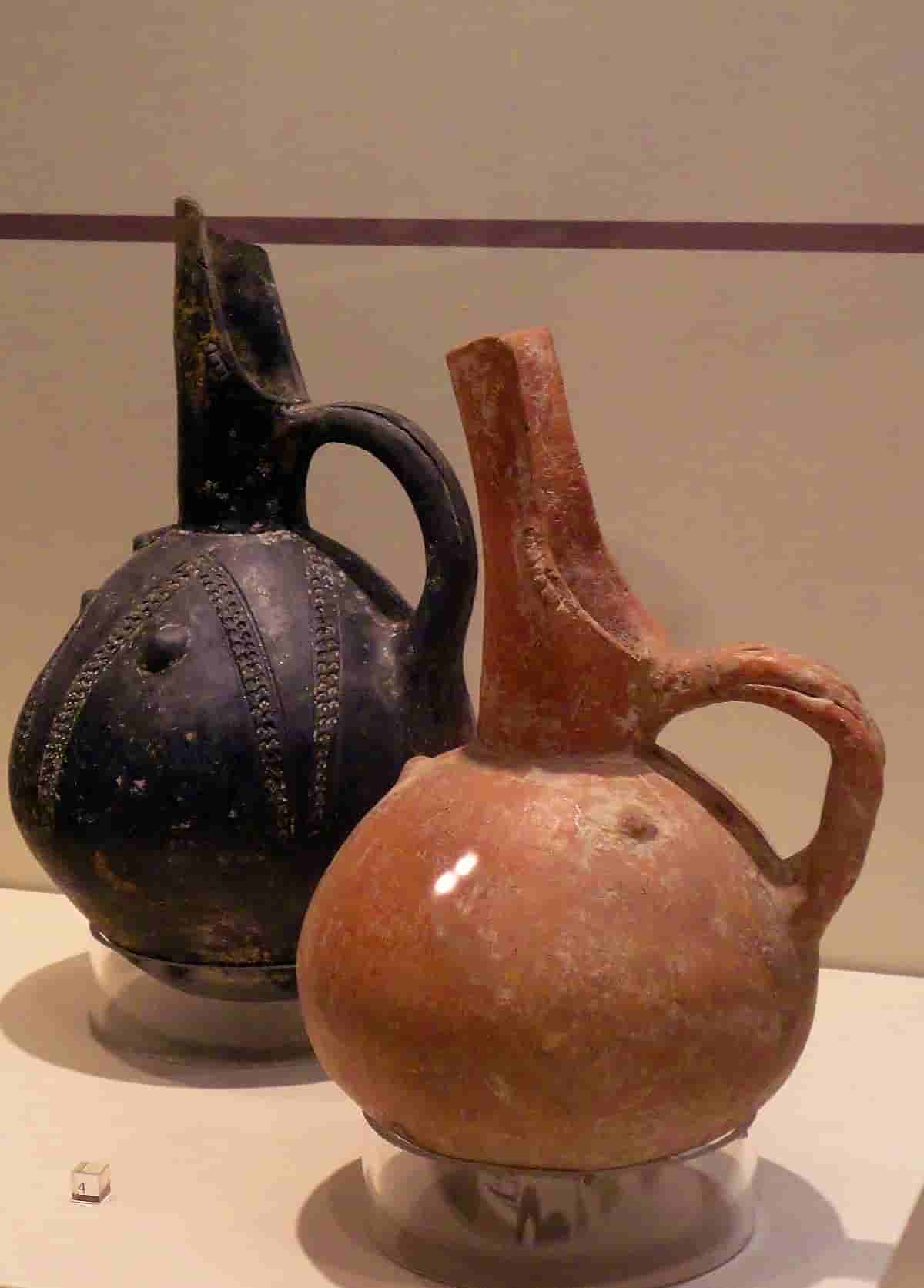
Burgas Archaeological Museum
A museum showcasing a fascinating collection of artifacts and exhibits highlighting the region's rich history.
Burgas Sea Garden
Waterfront park with lakes, playgrounds, open-air concerts, and café-lined promenades.
Burgas Central Beach
The main city beach with fine sand and clear water.
Archaeological Museum
Museum showcasing Thracian, Greek, and Roman artifacts.
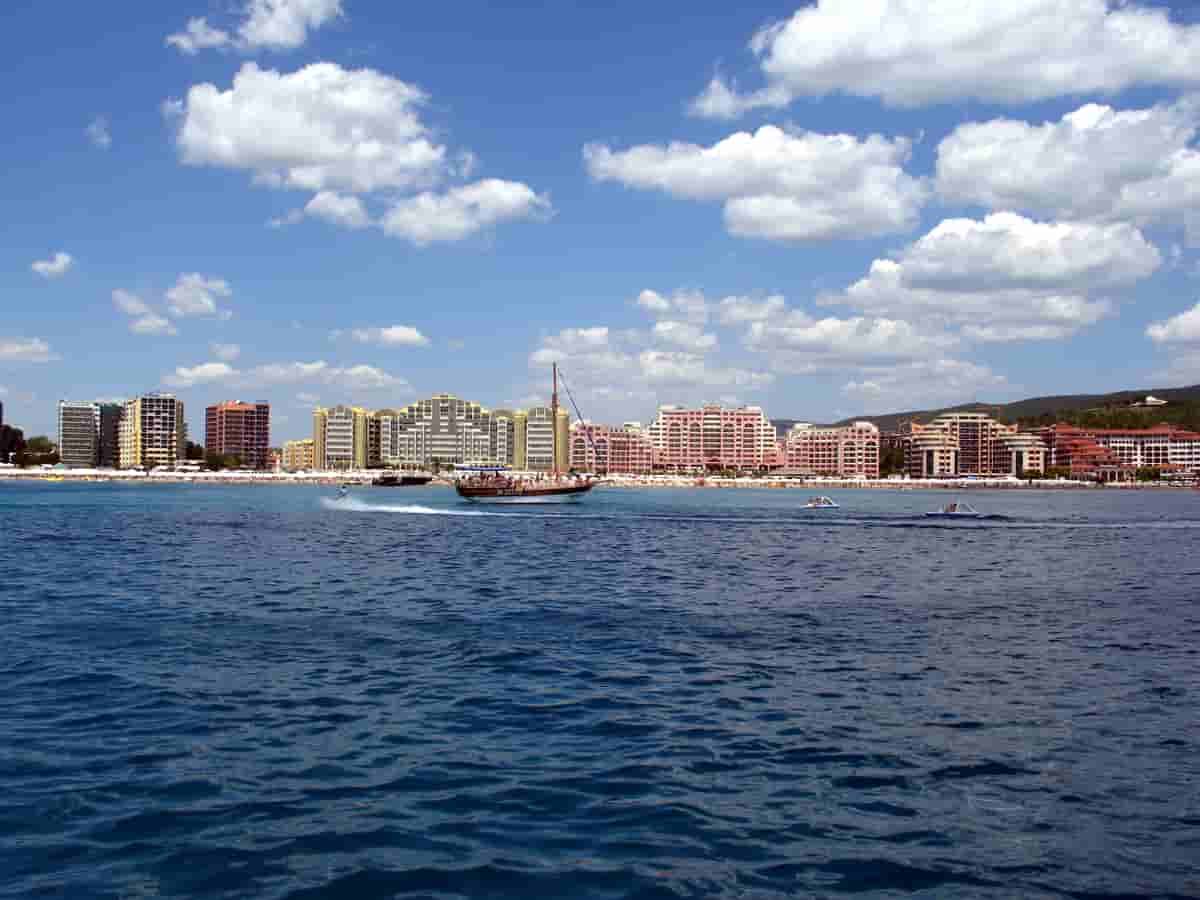
Sunny Beach
A vibrant beach with bars, water sports, and nightlife.
Nessebar Old Town
A UNESCO World Heritage site with ancient churches and cobblestone streets.
Action Aquapark
A large water park with slides and pools for all ages.
Central Burgas Beach
Blue Flag beach offering sunbeds, water sports, and beachfront cafés.
Regional Historical Museum Burgas
Local history exhibits covering the Black Sea coast’s maritime and cultural past.
Alexander Bazaar (Aleksandrovska)
Pedestrian shopping street with boutiques, cafés, and vibrant street life.
🏘️ Neighborhoods
City Center
The historic and commercial heart, home to pedestrian streets, the Archaeological Museum, and the main shopping area. Bustling with cafes and shops.
Sea Garden & Coastal Strip
A long, beautiful park along the beach, lined with hotels, restaurants, bars, and cultural landmarks like the Summer Theatre and Casino.
Lazur
A large residential district to the north of the center, quieter and more local, with good amenities and access to the northern beaches.
Meden Rudnik
A southern residential area known for its proximity to the Burgas Lakes and the Poda Nature Conservation Centre, ideal for nature enthusiasts.
Gorno Ezerovo
A neighborhood near the airport and the northern industrial zone, primarily residential with some budget accommodation options.
Vazrazhdane
A central district blending residential blocks with commercial areas, offering a more authentic local vibe and good transport links.
Slaveykov
A pleasant, green residential area close to the Sea Garden and the city center, popular with families and professionals.
Izgrev
A coastal neighborhood south of the center, featuring the popular South Beach (Chengene Skele) and a more relaxed atmosphere.
🍽️ Local Cuisine
Burgas's cuisine is a delicious reflection of its coastal location and Bulgarian traditions. Must-try dishes include fresh grilled fish like tsatsa (small fried fish) and Black Sea mussels, often served in restaurants along the pier. Classic Bulgarian fare shines with shopska salad (tomatoes, cucumbers, peppers, onions, and sirene cheese), kavarma (meat and vegetable stew), and banitsa (cheese-filled pastry). Dining culture is relaxed and social, with meals often accompanied by local wines or rakia (fruit brandy). The best areas for food are the restaurants along the beach and the Sea Garden, as well as the pedestrian streets in the city center. For authentic local flavor, visit the Central Market. Price ranges are very reasonable: a budget meal can cost 10-15 BGN ($5.50-$8), a mid-range restaurant meal 20-40 BGN ($11-$22), and a high-end seafood dinner 50+ BGN ($27+). Tipping 5-10% is customary for good service in restaurants. Don't miss trying lyutenitsa (a pepper and tomato relish) and skordalia (garlic dip) with your bread.
💡 Local Tips
🚗 Day Trip Ideas
Nessebar Old Town
UNESCO World Heritage site on a rocky peninsula, famous for its medieval churches, wooden houses, and ancient ruins.
Sunny Beach
Bulgaria's largest and most vibrant resort, known for its long golden sand beach, water sports, and energetic nightlife.
Sozopol Old Town
A charming ancient town with cobbled streets, art galleries, traditional houses, and beautiful beaches, south of Burgas.
Pomorie
A tranquil town known for its therapeutic mud and salt lakes, unique architecture, and wineries.
Strandzha Nature Park
Vast protected area of forests and hills, ideal for hiking, visiting traditional villages, and experiencing nature.
Action Aquapark (Sunny Beach)
Massive water park with numerous slides, pools, and attractions, perfect for a fun-filled family day.
🛡️ Safety Tips
Burgas is generally a safe city for tourists, with a low crime rate. Standard precautions apply: be aware of your belongings in crowded areas like markets, bus stations, and the beach. Petty theft like pickpocketing is the most common issue. Be cautious of taxi drivers not using the meter; insist on it or use a reputable app. Avoid poorly lit areas at night. Emergency numbers are 112 for all services, 166 for police, and 150 for ambulance. Health-wise, tap water is safe to drink, but bottled water is widely available. Medical facilities are adequate; EU citizens should carry an EHIC/GHIC card. No special vaccinations are required. Be mindful of strong sun in summer; use sunscreen and stay hydrated. When swimming, heed beach flag warnings for currents.
💰 Budget Guide
Burgas is an affordable destination. A budget traveler can manage on 60-80 BGN ($33-$44) per day: stay in hostels or budget guesthouses (30-50 BGN), eat at bakeries and markets (15 BGN), use public transport (5 BGN), and enjoy free attractions like the Sea Garden and beaches. Mid-range travelers spending 120-200 BGN ($66-$110) daily can enjoy comfortable hotel rooms (average $82.52/night translates to ~150 BGN), dine at nice local restaurants, take taxis, and visit paid museums and aquaparks. Luxury budgets of 300+ BGN ($165+) afford seaside hotels, fine dining, private tours, and car rentals. Money-saving tips: visit in shoulder seasons for lower accommodation rates, eat away from the main beachfront, use public buses for day trips, purchase a city transport card for multiple rides, and take advantage of free walking tours and beach days. Many museums have free or discounted days.