Welcome to Buan-gun
Nestled along the western coast of Jeollabuk-do, Buan-gun is a captivating region where Korea's dramatic mountains meet the serene Yellow Sea. Far from the bustling metropolises, Buan offers a soulful escape into landscapes of profound natural beauty and deep cultural heritage. It is the gateway to the stunning Byeonsanbando National Park, a rare treasure where rugged peaks and sandy beaches coexist. Here, you can explore ancient temples nestled in pine forests, wander through historic salt farms, and discover the mysterious prehistoric dolmen sites that dot the landscape. The pace of life is gentle, inviting travelers to immerse themselves in coastal tranquility and rural charm. With a range of accommodations fitting every style, including over 105 hotels with an average nightly rate around $93, planning a restorative 2 to 3-day stay is both easy and affordable. Whether you seek spiritual solace at Naesosa Temple, culinary adventures with fresh seafood at Gyeokpo Port, or simply a sunset over Byeonsan Beach, Buan-gun promises an authentic and unforgettable Korean experience.
Overview
Buan-gun is a county renowned for its harmonious blend of natural wonders and historical depth. Its history stretches back millennia, evidenced by the UNESCO-listed Buan Dolmen Park, a site with over 400 prehistoric megalithic tombs. Culturally, it is a heartland of Korean Buddhism and traditional practices, home to serene temples like Naesosa and Gaeam Temple. The region is famously divided between its 'inland' and 'seaside' areas, a duality encapsulated by Byeonsanbando National Park. The park itself is famous for offering both mountain hiking trails and coastal vistas. Buan is also a vital center for traditional salt production, with the Gomso Salt Farm showcasing age-old methods. The county seat, Buan-eup, serves as the administrative and commercial hub, while coastal villages like Gyeokpo and Byeonsan are lively fishing and tourism centers. The unique Buan French Village adds an unexpected European flair to the landscape. Overall, Buan-gun is famous for its unspoiled national park, rich archaeological sites, pristine beaches, and as a producer of high-quality seafood and salt, offering a deeply relaxing and culturally immersive getaway.
🗓️ Best Time to Visit
The best times to visit Buan-gun are during the mild and sunny periods of spring (April to early June) and autumn (September to October). Spring brings comfortable temperatures, blooming flowers, and clear skies, perfect for hiking in Byeonsanbando National Park and exploring temples. Autumn offers crisp air, vibrant foliage, and the harvest season, ideal for coastal walks and photography. Summer (July-August) is the peak tourist season, especially for beachgoers at Byeonsan Beach, but it can be hot, humid, and rainy. This period coincides with the Korean monsoon, so expect sudden downpours. Major summer events include various beach festivals and cultural performances. Winter (December-February) is the off-peak season; it's cold and windy but starkly beautiful and crowd-free, perfect for temple stays and enjoying hearty local cuisine. The Buan Seonyu Festival, celebrating the region's salt and seafood, often takes place in October, making it a fantastic cultural draw during the pleasant fall weather.
🌤️ Weather & Climate
Buan-gun experiences a temperate climate with four distinct seasons. Winters are cold and dry with occasional snow, while summers are hot, humid, and rainy due to the East Asian monsoon. Spring and autumn are mild and pleasant.
Seasons
Spring
💨 Humidity: moderate
Mild and gradually warming. Cherry blossoms bloom in April. Ideal for outdoor activities and sightseeing.
Summer
💨 Humidity: high
Hot, humid, and rainy, especially during the July monsoon. Beach season peaks in August.
Autumn
💨 Humidity: moderate
Crisp, cool, and sunny with stunning fall foliage. The most comfortable time for hiking and exploration.
Winter
💨 Humidity: low
Cold and dry with biting winds from the sea. Few tourists, perfect for temple stays and hot soups.
Monthly Weather Details
January Weather
Best for: temple stays, cultural sites
February Weather
Best for: indoor activities, local festivals
March Weather
Best for: early spring hikes
April Weather
Best for: sightseeing, cherry blossoms
May Weather
Best for: hiking, beach visits
June Weather
Best for: coastal walks before monsoon
July Weather
Best for: indoor/rainy day activities
August Weather
Best for: beach activities
September Weather
Best for: hiking, festivals
October Weather
Best for: foliage viewing, outdoor exploration
November Weather
Best for: cultural sites, photography
December Weather
Best for: quiet getaways, hot spring visits
🎒 What to Pack
All Year Round
- comfortable walking shoes
- layered clothing
- power adapter
- sunscreen
🚗 Getting Around
Getting around Buan-gun requires a mix of transportation modes due to its spread-out attractions. Public buses connect the main towns (Buan-eup, Gyeokpo, Byeonsan) and key sites like Naesosa Temple and the Dolmen Park, but schedules can be infrequent, especially for remote temples or beaches. Fares are cheap, typically under 2,000 KRW per ride. Taxis are readily available in town centers and are a convenient, though more expensive, option for reaching specific destinations or for small groups; ride-sharing apps are not commonly used here. For maximum flexibility, renting a car is highly recommended. This allows easy exploration of the national park's various entrances, coastal roads, and rural sites. Driving is straightforward with well-maintained roads. Walking and biking are enjoyable within specific areas like Byeonsan Beach promenade or the French Village. The nearest major airport is in Gunsan (about 1 hour by car/taxi), with bus transfers available to Buan. From larger cities like Seoul, express buses to Buan Terminal are the most direct public transport option.
🎯 Top Attractions
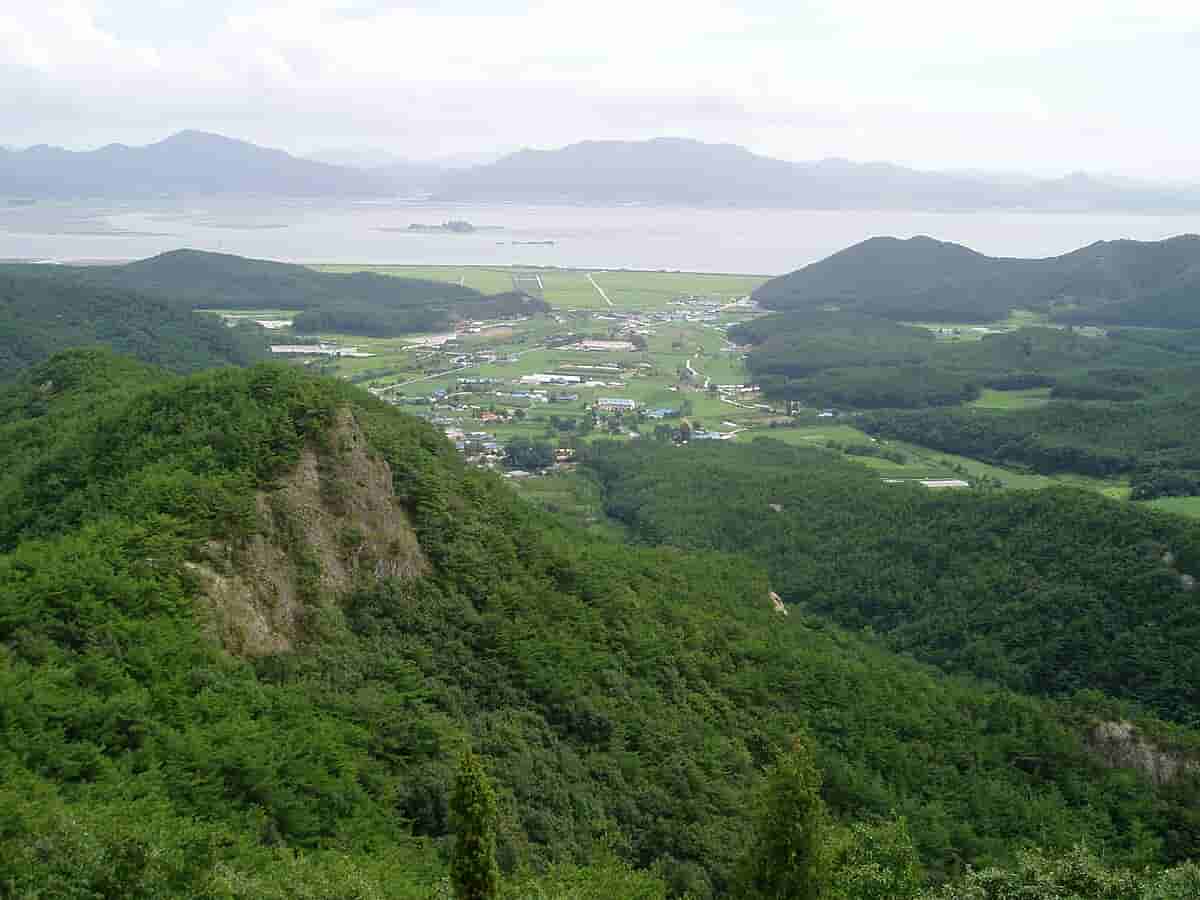
Byeonsanbando National Park
A coastal national park with beaches, cliffs, and hiking trails through diverse landscapes.
Buan Marine Park
A coastal park with walking trails, observation decks, and marine life exhibits.
Naesosa Temple
Ancient Buddhist temple nestled in a forest, known for its serene atmosphere and cultural heritage.
Buan Dolmen Park
A park showcasing ancient dolmen stones with educational exhibits about prehistoric Korea.

Gaeam Temple
A serene temple complex known for its beautiful lotus pond and traditional architecture.
Byeonsan Beach
Popular beach with clean sand and clear water, ideal for swimming and relaxation.
Gyeokpo Port
Bustling port area with seafood restaurants and fresh market, great for a culinary experience.
Buan French Village
A themed village with French architecture, cafes, and cultural events.
Jikso Falls
A beautiful waterfall located in a valley, especially impressive after rainfall.
Gomso Salt Farm
Traditional salt farms where you can learn about salt production.
Buan Jikso Falls
A scenic waterfall located within a lush forest, perfect for nature walks.
Chaeseokgang Beach
Sandy beach adjacent to the dramatic cliffs.
🏘️ Neighborhoods
Buan-eup
The county seat and administrative hub. Offers the widest range of amenities, bus terminal, and local markets. Less touristy but central for exploring.
Byeonsan Beach Area
The main coastal resort zone. Features the popular beach, waterfront hotels, seafood restaurants, and a lively promenade, especially in summer.
Gyeokpo Port
A bustling fishing port with a famous fish market. The best place for ultra-fresh seafood meals and a authentic, salty maritime atmosphere.
Naesosa Temple Area
A serene, forested area centered around the historic Naesosa Temple. Offers temple stay programs and peaceful accommodation near the national park.
Buan French Village (Petite France)
A themed village with European-style architecture. Features guesthouses, cafes, and photo spots, offering a quirky contrast to the Korean landscape.
Gomso Area
Known for its vast, traditional salt farms. A unique landscape to explore and learn about salt harvesting, with a more rural, agricultural feel.
🍽️ Local Cuisine
Buan-gun's cuisine is a celebration of its coastal and agricultural bounty. Signature dishes revolve around ultra-fresh seafood. Must-tries include 'Gyeokpo Saengseon-gui' (grilled fish fresh off the boats at Gyeokpo Port), 'Buan Gat-kimchi' (a distinctively prepared mustard leaf kimchi), and 'Gomso Sogeum' (traditional sun-dried sea salt used as a seasoning or gift). The region is also famous for 'Buan Hwangtae' (dried pollack) dishes and hearty seafood stews. For a unique experience, visit a 'Sikdang' (restaurant) at the port where you can pick your fish from tanks. Dining culture is casual and communal. Popular food areas are concentrated around Gyeokpo Port's fish market, the beachfront restaurants of Byeonsan, and the local eateries in Buan-eup. Price ranges are reasonable: a simple bowl of noodles or a seafood pancake may cost 8,000-12,000 KRW, while a full grilled fish meal can range from 20,000 to 40,000 KRW per person. Etiquette is standard Korean; sharing side dishes is common, and it's polite to pour drinks for others.
💡 Local Tips
🚗 Day Trip Ideas
Gunsan
A historic port city with a well-preserved Japanese colonial district, modern harbor, and the Gunsan Migratory Bird Sanctuary.
Jeonju Hanok Village
Famous as the birthplace of bibimbap, this city features a vast traditional Korean village with hundreds of hanok houses, great food, and cultural museums.
Gochang Dolmen Site
Another UNESCO World Heritage dolmen site, larger than Buan's, located in a scenic park setting with a museum.
Seonunsan Provincial Park
A beautiful mountain park near Gochang, home to Seonunsa Temple and famous for its camellia forest and azaleas in spring.
Muju Resort Area
Head inland to the mountainous region known for its ski resort in winter and hiking/rafting in summer. Home to Deogyusan National Park.
🛡️ Safety Tips
Buan-gun is an exceptionally safe destination with very low crime rates. Violent crime against tourists is virtually unheard of. Standard precautions apply: secure your valuables, especially at crowded beaches in summer. There are no common scams targeting tourists, but always confirm taxi fares or use the meter. Be cautious when hiking in Byeonsanbando National Park; stay on marked trails, check weather forecasts, and bring sufficient water. When swimming at Byeonsan Beach, heed lifeguard warnings and flags. Road safety is good, but be vigilant if driving on rural roads at night. Emergency numbers are 112 for police and 119 for fire/medical services. English-speaking operators may not be available, so having your accommodation's phone number handy is wise. For health, ensure you have travel insurance. Tap water is safe to drink, but most locals drink bottled or filtered water. No special vaccinations are required.
💰 Budget Guide
Buan-gun is a very affordable destination. A budget traveler can manage on 50,000-70,000 KRW per day, staying in hostels or minbaks (40,000 KRW/night), eating at local markets and casual eateries (8,000-15,000 KRW/meal), and using public buses. Mid-range travelers spending 100,000-150,000 KRW daily can enjoy comfortable hotel stays (from 80,000 KRW/night), nice restaurant meals (20,000-35,000 KRW), occasional taxis, and paid attractions like temple entries. A luxury budget of 250,000+ KRW per day covers high-end resorts, private car hires, fine dining, and guided tours. Key costs: National Park entry is ~3,000 KRW, temple entry 2,000-4,000 KRW, bus fares 1,500-3,000 KRW. Money-saving tips: Visit in the off-season (winter) for lower accommodation rates, purchase a T-money card for bus discounts, pack a picnic for hikes, and enjoy free attractions like beaches, dolmen parks, and coastal walks. Many hotels include breakfast.