Welcome to Boryeong-si
Nestled along the sun-drenched western coast of South Korea's Chungcheongnam province, Boryeong-si is a vibrant city that masterfully blends the therapeutic allure of its famous mud with the laid-back charm of a classic beach getaway. Far more than just the epicenter of the world-renowned Boryeong Mud Festival, this coastal gem offers a compelling mix of natural beauty, from expansive tidal flats to serene mountain trails. The city serves as a perfect escape from the relentless pace of Seoul, inviting visitors to unwind on the golden sands of Daecheon Beach, explore rugged coastal lighthouses, and immerse themselves in unique wellness experiences centered on its mineral-rich mud. With a welcoming atmosphere and infrastructure built for visitors, Boryeong-si boasts a range of over 206 hotels and guesthouses, ensuring comfortable stays whether you seek a beachfront resort or a cozy pension, with an average nightly rate that makes an extended visit surprisingly affordable. A recommended stay of 3-4 days allows you to fully soak in the coastal vibe, delve into the local culture, and perhaps leave with skin feeling rejuvenated from its most famous natural resource.
Overview
Boryeong-si is a city defined by its relationship with the Yellow Sea. Historically, its economy was rooted in fishing and salt farming, traditions still visible in ports like Ocheon. However, its global fame skyrocketed with the creation of the Boryeong Mud Festival in the late 1990s, initially conceived to promote the cosmetic benefits of local mud but evolving into one of Korea's largest and most iconic summer events. Culturally, the city is a hub for coastal living, where the rhythms of the tides influence daily life, best experienced at the Muchangpo Tideland. The main districts for visitors revolve around Daecheon Beach, a bustling strip of sand lined with hotels, restaurants, and bars, and the more serene Muchangpo Beach area, known for its 'Moses Miracle' tidal phenomenon. Beyond the beaches, Yonggu Mountain provides a green lung for hiking with panoramic coastal views. Boryeong is famous not just for its festival and beaches, but also for its high-quality mud used in cosmetics worldwide, making it a destination for both fun and wellness.
🗓️ Best Time to Visit
The absolute peak season is mid-July, coinciding with the legendary Boryeong Mud Festival. This period is electric with energy, packed with visitors, and requires booking accommodations months in advance. For ideal beach weather and festival fun, target late June through August, though be prepared for heat, humidity, and higher prices. The shoulder seasons of May-June and September-early October are excellent alternatives, offering pleasant, milder temperatures perfect for hiking Yonggu Mountain, exploring tidal flats, and enjoying the beaches with fewer crowds. Winter (November-March) is the off-peak season; it's cold and windy, with many beachside businesses closed, but hotel prices are at their lowest, and you can experience a stark, peaceful coastal atmosphere. Major events are heavily summer-focused, primarily the Mud Festival, but other local seafood festivals occur in the autumn. For a balance of good weather and manageable crowds, early June or September is highly recommended.
🌤️ Weather & Climate
Boryeong has a temperate climate with four distinct seasons. Summers are hot, humid, and rainy, influenced by the East Asian monsoon. Winters are cold and dry with strong winds off the Yellow Sea. Spring and autumn are mild and pleasant.
Seasons
Spring
💨 Humidity: moderate
Mild and gradually warming. Cherry blossoms bloom in April. A beautiful time for outdoor activities before the summer heat.
Summer
💨 Humidity: high
Hot, humid, and rainy, especially during the July monsoon. Peak beach and festival season. Expect sudden downpours.
Autumn
💨 Humidity: moderate
Crisp, clear, and comfortable. Foliage turns in late October. Ideal for hiking, sightseeing, and enjoying the outdoors.
Winter
💨 Humidity: low
Cold, dry, and windy, with occasional snowfall. The coastal wind chill is significant. Many beachfront businesses are seasonal.
Monthly Weather Details
January Weather
Best for: indoor activities, budget travel
February Weather
Best for: indoor activities
March Weather
Best for: sightseeing, early blooms
April Weather
Best for: sightseeing, hiking
May Weather
Best for: beach, hiking, outdoor activities
June Weather
Best for: beach, pre-festival visits
July Weather
Best for: Mud Festival, beach
August Weather
Best for: beach, swimming
September Weather
Best for: beach, hiking, sightseeing
October Weather
Best for: hiking, sightseeing, foliage
November Weather
Best for: sightseeing
December Weather
Best for: indoor activities
🎒 What to Pack
All Year Round
- comfortable walking shoes
- layered clothing
- power adapter
- personal toiletries
🚗 Getting Around
Boryeong-si is relatively compact and visitor-friendly. The city center and the Daecheon Beach area are very walkable. For longer distances, the local bus network is efficient and inexpensive, connecting Daecheon Beach to the train station, Muchangpo, and other attractions; use a T-money card for seamless payments. Taxis are plentiful and affordable for direct trips, especially useful at night or for small groups; ride-sharing apps like Kakao T are widely used. Biking along the beach paths is a popular and enjoyable way to explore the coastline, with rentals readily available. The city is served by Boryeong Station (on the Janghang Line), with direct trains from Seoul's Yongsan Station taking about 2-2.5 hours. The nearest major airport is Incheon International Airport (ICN); from there, take a limousine bus or train to Seoul and then transfer to a train to Boryeong. A rental car can be convenient for exploring remote beaches and Yonggu Mountain, but is unnecessary if staying around the main beach areas.
🎯 Top Attractions

Boryeong Mud Festival
Annual festival featuring mud-based activities and entertainment on the beach.
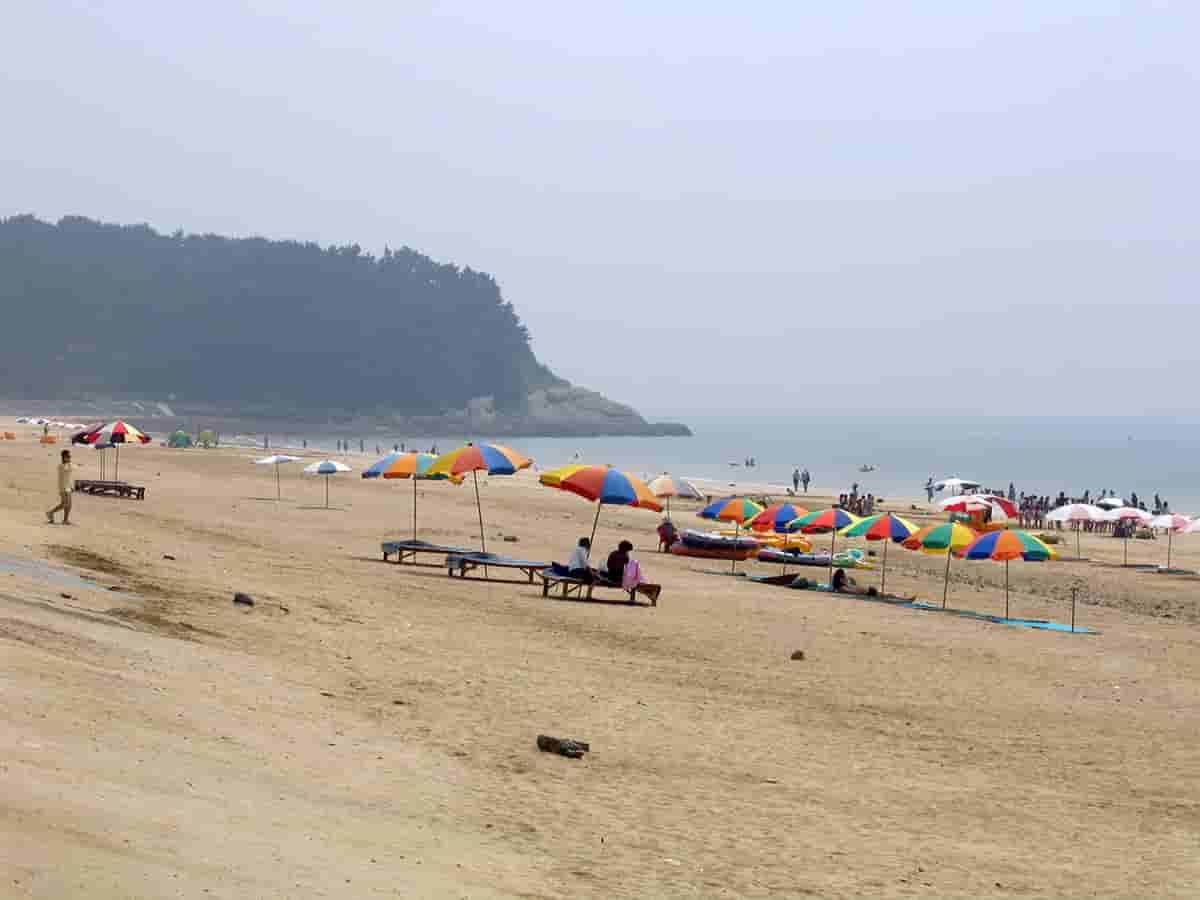
Daecheon Beach
One of Korea's most famous beaches, known for its wide sandy shore and annual mud festival.
Muchangpo Beach
A beach famous for the 'Moses Miracle' where the sea parts to reveal a pathway twice a month.
Boryeong Mud Festival Site
The primary venue for the popular summer mud festival with slides, pools, and activities.
Muchangpo Tideland
Natural tidal flat known for its mystical sea path and marine life.
Boryeong Mud Experience Park
Park offering hands-on mud activities and educational exhibits.
Boryeong Lighthouse
Historic lighthouse providing panoramic views of the coastline.
Boryeong Mud Experience Center
A place to experience the therapeutic benefits of Boryeong mud year-round.

Ocheon Port
A fishing port with fresh seafood markets and scenic views.
Yonggu Mountain
A small mountain with hiking trails offering panoramic views of the coastline.
Muchangpo Tidal Flat
Natural tidal flat that reveals a mysterious sea path during low tide
Daecheon Port
A busy port with seafood restaurants and ferry services to nearby islands.
🏘️ Neighborhoods
Daecheon Beach Area
The bustling heart of tourism, centered on the long sandy beach. Packed with hotels, pensions, restaurants, bars, and souvenir shops. Ground zero for the Mud Festival.
Boryeong City Center (Eupnae)
The administrative and commercial downtown, located inland around Boryeong Station. Offers a more local, everyday Korean city experience with markets and non-touristy restaurants.
Muchangpo
A coastal area known for its scenic beach and the famous 'Moses Miracle' tidal land path. Has a quieter, more residential feel compared to Daecheon, with pensions and seafood restaurants.
Ocheon Port
A working fishing port with a rustic charm. The place to go for the freshest sashimi meals straight from the boats. Less focused on accommodation, more on authentic dining.
Yonggu Mountain Area
The green, forested foothills of Yonggu Mountain on the city's outskirts. Offers hiking trails, temples, and panoramic views. Accommodation includes some resorts and pensions.
Mud Festival Site (Daecheon)
The specific zone on Daecheon Beach where the annual Mud Festival is held. During the festival, it's a self-contained area of mud-based activities, stages, and food vendors.
🍽️ Local Cuisine
Boryeong's cuisine is a celebration of the sea. Must-try signature dishes include 'Boryeong Gulbi' (dried yellow corvina), a regional specialty often grilled to perfection, and 'Daecheon Honghap' (large cockles), best enjoyed steamed or in a spicy stew. Fresh sashimi ('hwe') is ubiquitous at port-side restaurants, especially at Ocheon Port. For a unique local experience, try 'Mud Samgyeopsal' - pork belly reportedly from pigs fed with Boryeong mud byproducts, said to enhance flavor. Dining culture is casual and communal, with many beachfront tents ('pojangmacha') serving late-night snacks and soju. The main food areas are along Daecheon Beach boardwalk and the streets leading from Boryeong Station. Price ranges are moderate; a hearty seafood meal can cost 15,000-30,000 KRW per person, while beach snacks are cheaper. Etiquette follows Korean norms: wait to be seated, use both hands when receiving/giving items, and don't tip. Always try the local side dishes ('banchan').
💡 Local Tips
🚗 Day Trip Ideas
Seosan Haemieupseong Fortress
A historic fortress town with well-preserved walls, traditional hanok houses, and a serene lake. A UNESCO World Heritage tentative site.
Gongju
A former capital of the Baekje Kingdom, home to royal tombs (UNESCO), a fortress, and the Gongju National Museum.
Buyeo
Another ancient Baekje capital with significant historical sites including Busosanseong Fortress and the Baekje Cultural Land.
Anmyeondo Island
A large island known for its scenic coastal drives, pine forests, Anmyeon Beach, and the Anmyeon Astronomical Observatory.
Cheongyang Alps Village
A scenic mountain area with a Swiss-themed village, offering cable car rides, paragliding, and stunning valley views.
Daecheon Harbor & Nearby Islands
Take a short ferry ride from Daecheon or Ocheon Port to nearby small islands like Sapsido for hiking and quiet beaches.
🛡️ Safety Tips
Boryeong-si is generally a very safe city for travelers, with low crime rates. Standard precautions apply: secure your valuables, especially on crowded beaches during the festival. Be cautious of slippery mud and wet surfaces at the festival site and tidal flats. When swimming at Daecheon or Muchangpo Beach, heed lifeguard warnings and flags, as currents can be strong. There are no prevalent tourist-targeted scams, but always confirm prices before ordering at street stalls. Emergency numbers are 112 for police and 119 for fire/ambulance. English-speaking operators may be limited; having your hotel's address written in Korean is helpful. For health, tap water is safe but most locals drink bottled water. Use sunscreen diligently, as the coastal sun can be deceptively strong. During the Mud Festival, protect your eyes from mud and stay hydrated. Pharmacies ('yakguk') are widely available for minor ailments.
💰 Budget Guide
Boryeong can suit various budgets, with costs spiking during the Mud Festival. A budget traveler can manage on 50,000-70,000 KRW daily: stay in a hostel or minbak (40,000 KRW), eat at street stalls and casual Korean restaurants (15,000 KRW), use buses (5,000 KRW), and enjoy free beaches and hikes. Mid-range travelers (100,000-150,000 KRW/day) can book a standard hotel or pension (80,000 KRW), enjoy sit-down seafood meals (30,000 KRW), use taxis occasionally (15,000 KRW), and pay for mud spa experiences. Luxury (200,000+ KRW/day) affords beachfront resorts (120,000+ KRW), fine dining, private tours, and car rentals. Money-saving tips: visit outside the festival peak for lower hotel rates, use public buses, eat at local markets, and take advantage of free attractions like beaches, tidal flat walks, and Yonggu Mountain trails. Many hotels offer discounts for multi-night stays outside July.