Welcome to Borjomi
Nestled in the lush, forested valleys of the Samtskhe-Javakheti region, Borjomi is a name that resonates far beyond Georgia's borders, synonymous with the world-famous mineral water that bubbles from its springs. This charming resort town, cradled by the Lesser Caucasus Mountains, offers a breathtaking escape where nature's grandeur meets a rich historical tapestry. More than just a source of iconic bottled water, Borjomi is a gateway to pristine wilderness and a living museum of 19th-century aristocratic leisure. Visitors come to stroll its verdant Central Park, sip the curative waters straight from the source, and breathe the crisp, pine-scented air. With a range of accommodations that includes 9 hotels, from cozy guesthouses to more established lodgings averaging around $119 per night, Borjomi is perfectly suited for a restorative one-day visit or a longer stay to fully immerse in its tranquil, rejuvenating atmosphere. It's a place where every path leads to discovery, whether it's a forest trail, a Romanov-era palace, or a simple, refreshing glass of nature's own elixir.
Overview
Borjomi's history is deeply intertwined with its natural resources. While the area has ancient roots, its modern fame began in the 19th century when the Russian Imperial family, the Romanovs, discovered the therapeutic value of its carbonated mineral springs. They developed Borjomi into a fashionable resort, constructing parks, bathhouses, and the elegant Romanov Palace (now the Borjomi Palace) as a summer residence. This legacy is palpable in the town's architecture and its enduring status as a premier spa destination. Culturally, Borjomi is a blend of Georgian tradition and its unique resort-town character. The town is famous primarily for two things: the eponymous Borjomi mineral water, known for its distinct taste and digestive properties, and the vast Borjomi-Kharagauli National Park, one of Europe's largest protected areas, offering unparalleled hiking and wildlife spotting. The main districts are compact, centered around the lively Borjomi Central Park with its springs and attractions, while quieter residential areas spread into the surrounding hills. It's a town that lives in harmony with its environment, offering a peaceful retreat focused on wellness and outdoor adventure.
🗓️ Best Time to Visit
The best time to visit Borjomi is from late spring through early autumn (May to October), when the weather is most favorable for exploring the national park and enjoying the town's outdoor amenities. May and June bring lush greenery and mild temperatures, perfect for hiking, with wildflowers in bloom. July and August are the warmest and busiest months, ideal for picnics in the park and longer day hikes, though afternoon showers can occur. September and October are arguably the finest, with comfortable temperatures, stunning autumn foliage in the forests, and fewer crowds. Winter (November to March) is cold and snowy, transforming the landscape into a quiet, frosty wonderland suitable for winter walks and cozy retreats, though some park trails may be inaccessible. The town is generally less crowded outside the peak summer season. While Borjomi doesn't host large-scale festivals, the summer sees occasional local cultural events and concerts in the park. Visiting in the shoulder seasons offers a balance of good weather and tranquility.
🌤️ Weather & Climate
Borjomi has a humid continental climate with significant seasonal variation. Winters are cold and snowy, while summers are warm and moderately rainy, with pleasant springs and autumns.
Seasons
Spring
💨 Humidity: moderate
Mild and wet, with nature coming to life. Perfect for early hiking as snow melts.
Summer
💨 Humidity: moderate
Warm and pleasant, with occasional thunderstorms. Peak season for outdoor activities.
Autumn
💨 Humidity: moderate
Cool and crisp with spectacular fall colors. A beautiful time for hiking before winter.
Winter
💨 Humidity: moderate
Cold with consistent snow cover, creating a serene, quiet atmosphere. Some trails are closed.
Monthly Weather Details
January Weather
Best for: winter scenery, cozy retreats
February Weather
Best for: winter scenery, cozy retreats
March Weather
Best for: late winter walks
April Weather
Best for: early spring hiking
May Weather
Best for: hiking, sightseeing
June Weather
Best for: hiking, sightseeing
July Weather
Best for: all outdoor activities
August Weather
Best for: all outdoor activities
September Weather
Best for: hiking, autumn colors
October Weather
Best for: hiking, autumn colors
November Weather
Best for: late autumn walks
December Weather
Best for: winter scenery, cozy retreats
🎒 What to Pack
All Year Round
- comfortable walking shoes
- layered clothing
- rain jacket
- reusable water bottle
🚗 Getting Around
Borjomi is a wonderfully walkable town, especially the central area encompassing the park, main springs, and many hotels. Walking is the best way to soak in the atmosphere. For longer distances or trips to the outskirts, marshrutkas (shared minivans) are the primary and very affordable form of public transport, connecting the center with nearby neighborhoods and villages; just flag one down and pay the driver a small fare (usually 1-2 GEL). Taxis are readily available and relatively inexpensive for direct trips; always agree on a price before getting in, as meters are rarely used. Ride-sharing apps like Bolt are operational and often offer transparent pricing. Renting a bike can be a pleasant option for exploring the flatter parts of town and the park's periphery. For airport transfers, the nearest major airport is in Tbilisi (about 2.5 hours by road). The most convenient options are pre-booked private transfers, shared shuttle vans, or taking a marshrutka/taxi to Borjomi's bus station and then a long-distance taxi or marshrutka to Tbilisi, followed by a metro/taxi to the airport. Having some local currency (Georgian Lari) for transport is essential.
🎯 Top Attractions
Borjomi Central Park
A large park with mineral water springs, walking paths, and a cable car.
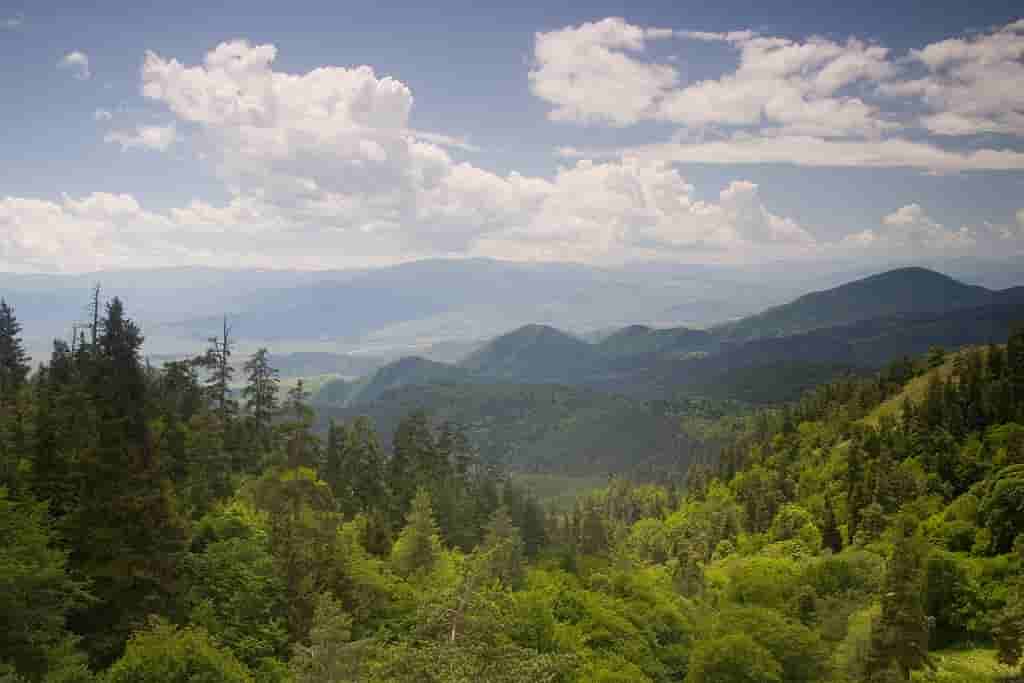
Borjomi-Kharagauli National Park
One of Europe's largest national parks, offering hiking and wildlife.
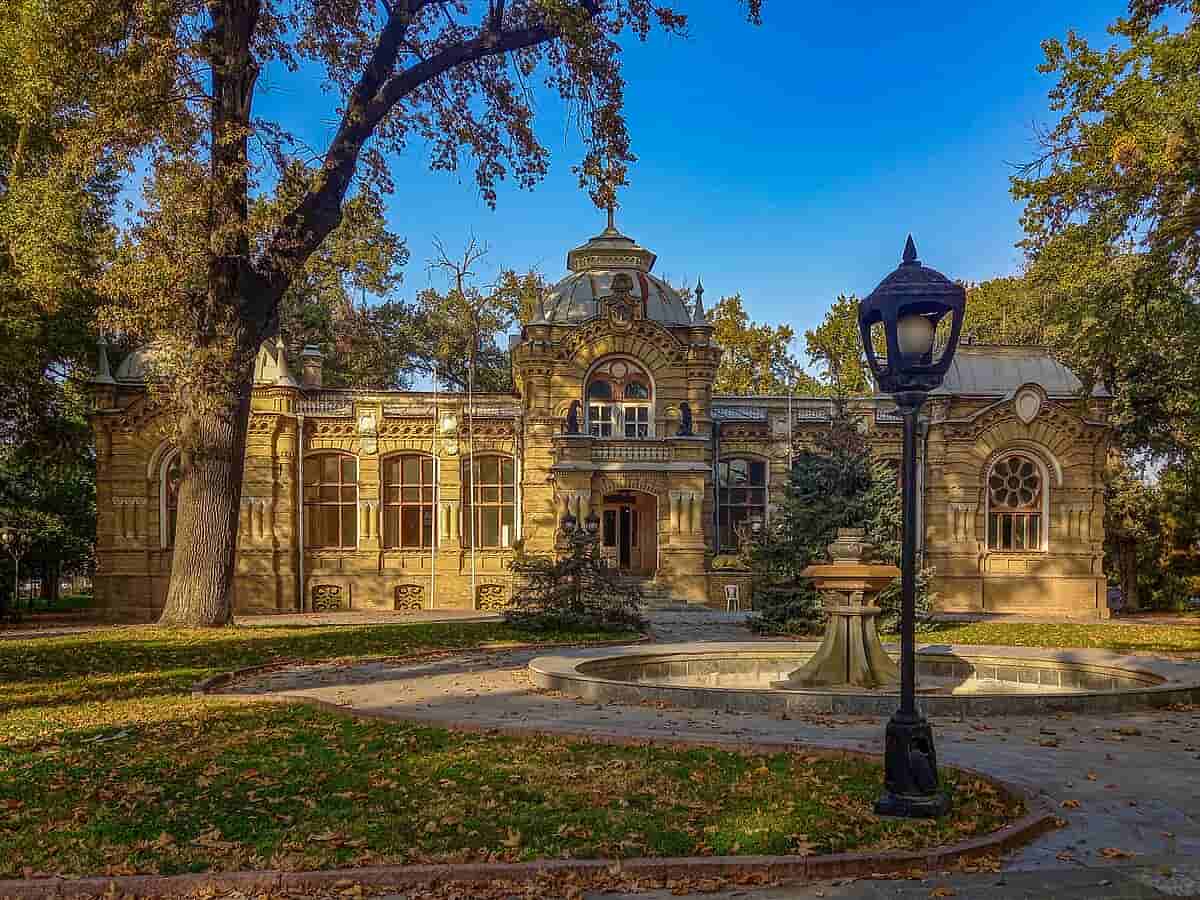
Romanov Palace
A historic palace set in beautiful gardens, now a museum.
🏘️ Neighborhoods
Central Park Area
The heart of Borjomi, centered around the famous mineral water park. Home to the main springs, the Romanov Palace, cafes, and many hotels.
Borjomi-2000
A newer, quieter residential area on the hillside above the town, offering panoramic views and a more secluded atmosphere.
Lisi Lake Area
A serene neighborhood near a small lake on the town's outskirts, surrounded by forest. Ideal for nature lovers seeking tranquility.
Atskuri Highway Area
Located along the main road into town, this area has several hotels and guesthouses convenient for drivers passing through.
Old Borjomi (Daba)
The historic, more residential part of town with older architecture and a local, lived-in feel, slightly removed from the tourist center.
Vakhushti Bagrationi Street
A central street lined with many of the town's main hotels, restaurants, and shops, offering convenience and a bustling atmosphere.
🍽️ Local Cuisine
Borjomi's dining scene reflects hearty Georgian mountain cuisine, perfect after a day of hiking. Must-try signature dishes include khinkali (juicy dumplings), often filled with spiced meat or mushrooms; khachapuri (cheese-filled bread), particularly the Imeretian style; and robust stews like chashushuli (veal stew) or chanakhi (lamb with vegetables). Given the region, trout from local mountain streams is a fresh and common offering. Dining culture is social and leisurely. Meals are often accompanied by Borjomi mineral water, of course, and local wines or chacha (grape brandy). For a unique experience, try pairing the salty, sulfurous mineral water with traditional food—it's believed to aid digestion. Popular food areas are concentrated around the central park and the main street, with a mix of traditional taverns (called 'sakhinkle' or 'restorani') and simpler cafes. Price ranges are moderate; a substantial meal at a mid-range restaurant can cost 25-40 GEL per person. Etiquette is warm and informal; it's customary to share dishes family-style, and toasting is an important part of the meal if alcohol is served.
💡 Local Tips
🚗 Day Trip Ideas
Bakuriani
A popular ski resort and summer mountain getaway, accessible via a famous scenic narrow-gauge railway.
Rabati Castle (Akhaltsikhe)
A stunningly restored medieval fortress complex with a mosque, church, and museum, showcasing Georgia's diverse history.
Vardzia
An incredible 12th-century cave monastery city carved into a cliffside, one of Georgia's most impressive historical sites.
Khertvisi Fortress
A majestic and ancient fortress perched on a rocky hill at the confluence of two rivers, often combined with a Vardzia trip.
The Green Monastery (Chitakhevi)
A serene and beautifully located 9th-century monastery complex nestled in a deep forested gorge.
Likani & Romanov Botanical Garden
Visit the small town of Likani to see the Romanovs' smaller palace and a lovely botanical garden on the riverbank.
🛡️ Safety Tips
Borjomi is generally a very safe town for travelers, with a low crime rate. Standard precautions apply: be aware of your surroundings at night, don't leave valuables unattended, and use hotel safes. There are few common scams, but always agree on taxi fares upfront. The main safety considerations are related to nature: when hiking in the national park, stay on marked trails, be prepared for sudden weather changes, and inform someone of your route. Wildlife encounters are rare but possible; know what to do if you see animals like bears. Roads can be winding and mountainous; drive cautiously if renting a car. Emergency numbers are 112 (general emergency), 122 (police), and 111 (ambulance). Tap water is generally safe, but the mineral water is the star. For hiking, carry a basic first-aid kit. Overall, Borjomi is a peaceful destination where common sense is your best guide.
💰 Budget Guide
Borjomi can suit various budgets, though it's not an ultra-budget destination. A budget traveler can manage on 70-100 GEL per day by staying in a hostel or budget guesthouse (40-60 GEL), eating at local bakeries and small cafes (15-25 GEL for meals), using marshrutkas (1-2 GEL per ride), and enjoying free activities like walking in Central Park. A mid-range budget of 150-250 GEL per day allows for a comfortable hotel (80-150 GEL), meals at good local restaurants (30-50 GEL), occasional taxis, and paid activities like guided park tours or museum entries. A luxury experience (350+ GEL) includes stays at the best hotels or boutique guesthouses, fine dining, private guides and transfers, and spa treatments. Money-saving tips: visit outside peak summer months for better accommodation rates, buy a reusable cup for unlimited mineral water refills at the park spring (a tiny fee), pack a picnic for hikes, and use marshrutkas for transport. Many of the town's charms—the scenery, park walks, and fresh air—are completely free.