Welcome to Borgarnes
Nestled on a slender peninsula jutting into the majestic Borgarfjörður, Borgarnes is the welcoming gateway to West Iceland's saga-steeped landscapes. More than just a scenic pit stop on the Ring Road, this charming town of around 2,000 souls is where Iceland's epic history leaps from the pages and into the dramatic surroundings. Borgarnes serves as the perfect basecamp for exploring waterfalls, lava fields, and Viking lore, all while offering a slice of authentic Icelandic small-town life. With its compact size, you can easily explore its core in a day, making it an ideal overnight halt. Travelers will find a cozy selection of 7 hotels, with an average nightly rate around $79, providing comfortable lodging that ranges from modern guesthouses to hotels with stunning fjord views. Whether you're here to trace the footsteps of the first settlers at the renowned Settlement Centre or to soak in a local geothermal pool with a mountain backdrop, Borgarnes promises a concentrated dose of Icelandic culture and natural beauty.
Overview
Borgarnes is the historical and service heart of the Borgarfjörður region, famously linked to Egill's Saga, one of Iceland's most important medieval texts. The saga's protagonist, the warrior-poet Egill Skallagrímsson, was raised here, and the landscape is imbued with his story. The town itself grew from a trading post in the late 19th century into a vital service center for the surrounding agricultural community. Culturally, it is defined by this deep connection to the Settlement Era, passionately preserved and presented at the Settlement Centre. The town is not divided into formal districts but centers around the harbor area, the main street (Borgarbraut), and the residential areas climbing the hillsides. It is famous for its stunning setting, with the pyramidal Hafnarfjall mountain standing sentinel across the fjord, and as the launch point for some of Iceland's most beloved natural attractions, including the serene Hraunfossar waterfalls and the powerful Deildartunguhver hot spring. Life here revolves around the sea, the land, and a strong sense of community, evident in its well-utilized swimming pools and local festivals.
🗓️ Best Time to Visit
The best time to visit Borgarnes is during the summer months (June to August) for mild weather, nearly 24 hours of daylight, and full access to all attractions and roads. This is peak season, so booking accommodation in advance is essential. Temperatures are pleasant, averaging 10-15°C (50-59°F), ideal for hiking and exploring. The shoulder seasons of May and September offer fewer crowds, cooler temperatures, and the chance to see the Northern Lights as darkness returns, though some services may be reduced. Winter (October to April) is cold, dark, and snowy, but magical for aurora hunting and experiencing Iceland's cozy winter culture. Major events include the Borgarnes Festival (Borgarhátíð) in summer, a community celebration with music and activities, and various Christmas markets and events in December. Note that some rural attractions or tour operations may have limited hours outside of summer.
🌤️ Weather & Climate
Borgarnes experiences a cool maritime temperate climate, characterized by relatively mild winters for its latitude and cool, damp summers. Weather is highly changeable, with rain, wind, and sunshine possible in a single day.
Seasons
Summer
💨 Humidity: high
Mildest season with long daylight hours (midnight sun in June). Frequent drizzle and cool breezes. Ideal for outdoor exploration.
Winter
💨 Humidity: high
Cold, dark, and wet, with snowfall common. Limited daylight (4-5 hours). Prime time for Northern Lights viewing on clear nights.
Spring
💨 Humidity: high
Transitional season with increasing daylight. Temperatures slowly rise, but snow and rain are still frequent. Landscapes begin to thaw.
Autumn
💨 Humidity: high
Rapidly cooling temperatures and decreasing daylight. Stormy weather increases. Beautiful fall colors and returning aurora activity.
Monthly Weather Details
January Weather
Best for: Northern Lights, cozy indoor activities
February Weather
Best for: Northern Lights, winter sports
March Weather
Best for: Late winter auroras, early spring sights
April Weather
Best for: Spring landscapes, increasing daylight tours
May Weather
Best for: Birdwatching, hiking as trails clear
June Weather
Best for: Midnight sun, all outdoor activities, festivals
July Weather
Best for: Peak summer travel, hiking, sightseeing
August Weather
Best for: Summer activities, beginning of aurora season late month
September Weather
Best for: Fall colors, fewer crowds, aurora hunting
October Weather
Best for: Autumn landscapes, Northern Lights
November Weather
Best for: Winter atmosphere, auroras
December Weather
Best for: Christmas culture, Northern Lights
🎒 What to Pack
All Year Round
- waterproof and windproof jacket
- layered clothing (fleece, thermal base)
- sturdy waterproof hiking shoes
- swimsuit (for pools)
- reusable water bottle
🚗 Getting Around
Borgarnes is a very walkable town, with its main attractions, shops, and restaurants concentrated in a small area. Walking is the best way to explore the town center. For visiting outlying attractions like the Settlement Centre (a short walk from the center) or the local swimming pool, walking is still feasible. Biking is another excellent option, and some accommodations may offer bike rentals. There is no local public bus system within the town. To explore the wider Borgarfjörður region—such as Hraunfossar, Deildartunguhver, or Reykholt—you will need your own rental car, which is highly recommended for any Iceland itinerary. Taxis are available but not plentiful; they can be booked by phone. The Strætó public bus network connects Borgarnes to Reykjavík and other towns, but services are infrequent. The nearest major airport is Keflavík (KEF), about a 1.5-hour drive away, typically accessed via rental car or pre-booked shuttle transfer.
🎯 Top Attractions
Settlement Centre
Museum detailing Iceland's Viking history with exhibits and guided tours.
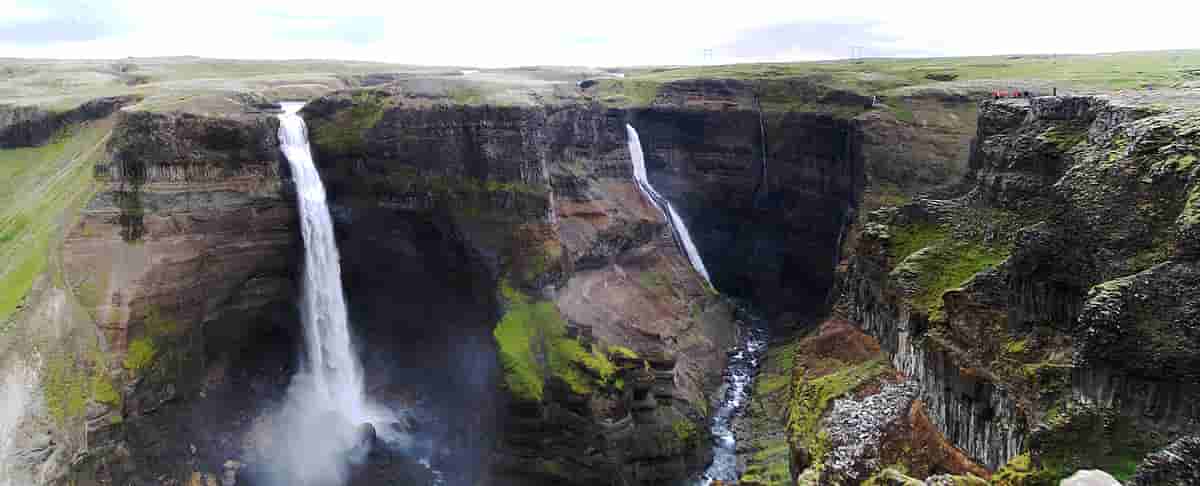
Glanni Waterfall
Scenic waterfall surrounded by lava fields, popular for hiking and photography.
Borgarnes Geothermal Pool
Local swimming pool with geothermal waters and fitness facilities.
Borgarnes Swimming Pool
Geothermal pool with hot tubs, perfect for relaxing in the Icelandic climate.
Borgarfjörður
A scenic fjord offering hiking trails and bird watching opportunities.
Hamar Golf Course
Scenic golf course with views of Borgarfjordur
Settlement Center
Museum showcasing Icelandic history and sagas
Hafnarfjall Mountain
Popular for hiking with scenic trails.
Borgarnes Settlement Centre
Museum on Viking history and Icelandic sagas.
Hraunfossar Waterfalls
Series of waterfalls flowing from lava fields.
🏘️ Neighborhoods
Town Center & Harbor
The heart of Borgarnes, containing most shops, restaurants, hotels, and the marina. Compact and highly walkable.
Brákarborg
A quiet residential area on the eastern side of the peninsula, with family homes and views over the fjord.
Around the Swimming Pool
A residential hill area near the popular Borgarnes Swimming Pool and sports facilities.
Along Route 1 (Ring Road)
The main road into town, featuring some hotels, gas stations, and services convenient for drivers passing through.
Skallagrímsgarður Park Area
A green, park-like area near the sports fields and school, offering open spaces and playgrounds.
🍽️ Local Cuisine
Icelandic cuisine in Borgarnes focuses on fresh, local ingredients from the sea and land. Signature dishes include hearty lamb soup (kjötsúpa), fresh Atlantic fish like cod or arctic char, and skyr for dessert. Must-try local specialties might include smoked trout from the region. Dining culture is casual and cozy, with most restaurants being family-run establishments offering a warm atmosphere. For a classic Icelandic experience, visit a local bakery for a snúður (cinnamon bun) or kleina (a twisted doughnut). The town has a handful of excellent restaurants, often with stunning fjord views, serving modern takes on traditional fare. Price ranges are typical for Iceland: budget meals (hot dogs, soup) cost $10-15, mid-range restaurant mains are $25-40, and fine dining is limited. Tipping is not customary. The main food area is along Borgarbraut and near the harbor. Don't miss the chance to enjoy a post-adventure soak and then a coffee or beer at the geothermal pool's café.
💡 Local Tips
🚗 Day Trip Ideas
Hraunfossar & Barnafoss
A series of stunning waterfalls where crystal-clear water seeps from a lava field into the Hvítá river, alongside the dramatic Barnafoss.
Deildartunguhver
Europe's most powerful hot spring, with boiling water roaring from the earth. See geothermal energy in its rawest form.
Reykholt (Historic Site)
Once home to Snorri Sturluson, medieval scholar and author of the Prose Edda. Visit his pool and a cultural center.
Snæfellsnes Peninsula
Often called 'Iceland in Miniature,' featuring glaciers, volcanoes, black sand beaches, and charming fishing villages like Stykkishólmur.
Akranes
A friendly fishing town with a lovely lighthouse, museum, and geothermal pool, offering a different coastal perspective.
Into the Highlands (via Kaldidalur)
A dramatic highland road (4x4 only) passing between glaciers Langjökull and Ok, offering otherworldly landscapes. Summer only.
🛡️ Safety Tips
Borgarnes is an extremely safe town with very low crime. Violent crime is virtually nonexistent, and petty crime like pickpocketing is rare. The primary safety concerns are related to nature and weather. Always check road and weather conditions (vedur.is, road.is) before driving, especially in winter. Be cautious near waterfalls, cliffs, and coastal areas; paths can be slippery. Respect all warning signs. There are no specific areas to avoid. Emergency number is 112. Healthcare is excellent; the town has a health center (Heilsugæslan), with the nearest hospital in nearby Akranes or Reykjavík. Ensure you have comprehensive travel insurance. Tap water is safe to drink. Be aware of changing weather and dress appropriately to avoid hypothermia, even in summer.
💰 Budget Guide
Daily budgets can vary: Budget travelers can manage on $80-100 per day by staying in hostel dorms ($40-60), eating self-catered meals or budget eats like hot dogs and soup ($20-30), using free attractions like walks, and limiting paid activities. Mid-range travelers should budget $150-250 per day, covering a private hotel room ($80-120), dining at nice restaurants for one meal plus casual lunches ($50-80), visiting one major attraction like the Settlement Centre ($20), and perhaps a short guided tour. Luxury budgets of $300+ include high-end accommodation, fine dining, private tours, and multiple activities. Money-saving tips: Book accommodation well in advance, especially in summer. Cook your own meals if your lodging has a kitchen. The local geothermal pool is an inexpensive and authentic activity. Fill up on free tap water. Travel in the shoulder season for slightly lower prices. Focus on free natural attractions like waterfalls and hikes.