Welcome to Bora Bora Island
Bora Bora Island, a name that evokes images of ultimate paradise, floats in the sapphire embrace of the South Pacific, part of French Polynesia's Leeward Islands. This volcanic island, crowned by the majestic, cloud-wreathed peak of Mount Otemanu, is encircled by a stunning turquoise lagoon and a protective necklace of coral motus (islets). It is the quintessential honeymoon and luxury escape, famous for its overwater bungalows that seem to hover above the crystalline waters. While the island's reputation for exclusivity is well-earned, it offers more than just secluded romance; it's a living postcard of Polynesian culture, marine wonder, and breathtaking natural beauty. With a limited number of accommodations ensuring an intimate atmosphere, travelers can choose from 14 hotels, ranging from ultra-luxurious resorts to more modest family-run pensions, each offering a unique perspective on this island Eden. The journey to Bora Bora is part of the adventure, typically involving a flight to Tahiti followed by a scenic plane or boat transfer to the island itself, where the pace of life slows to the rhythm of the waves.
Overview
Bora Bora is a small island, roughly 12 square miles, with a population of around 10,000. Its history is deeply Polynesian, settled by Tahitians around the 4th century AD and known as 'Pora Pora' (First Born) in myth. It became a French protectorate in the 19th century and played a strategic role for the US military in WWII, remnants of which can still be seen. Today, it's an overseas collectivity of France. The island is famous globally for its lagoon, considered one of the most beautiful in the world, and its luxury tourism centered around the motus. The main village is Vaitape, located on the western side, which serves as the commercial and administrative hub with shops, restaurants, and the main ferry dock. The iconic Matira Beach, with its powdery white sand, stretches along the southern tip and is one of the few public beaches. The culture is a warm blend of traditional Polynesian hospitality and French influence, evident in the language (Tahitian and French are spoken) and cuisine. Life revolves around the lagoon, with fishing, pearl farming, and tourism as the primary economic drivers.
🗓️ Best Time to Visit
Bora Bora enjoys a warm, tropical climate year-round, but the best time to visit is during the dry season, from May to October. This period offers the most sunshine, lower humidity, and minimal rainfall, with pleasant temperatures averaging 80-85°F (27-29°C). It's the peak tourist season, so expect higher prices and more crowds, especially in July and August. The wet season runs from November to April, bringing higher humidity, more frequent (though often brief) rain showers, and a higher chance of tropical storms. This is the off-peak season, with lower hotel rates, but some activities may be weather-dependent. December to March is also the warmer, more humid period. Major events include the Heiva i Bora Bora festival in July, a vibrant celebration of Polynesian culture with dance, music, and sports competitions. The Tahiti Pearl Regatta in May attracts sailing enthusiasts. For ideal conditions, target the shoulder months of May, June, September, and October for a balance of good weather and slightly fewer visitors.
🌤️ Weather & Climate
Bora Bora has a consistently warm, tropical maritime climate with high humidity year-round. Temperatures vary little, but rainfall and humidity show distinct seasonal patterns, dividing the year into a drier, cooler season and a warmer, wetter season.
Seasons
Dry Season
💨 Humidity: moderate
Sunniest and most pleasant time to visit, with lower humidity, cooler nights, and minimal rainfall. Ideal for all outdoor and water activities.
Wet Season
💨 Humidity: high
Warmer, more humid, with frequent but often short-lived tropical showers. Higher chance of cyclones, especially January-March. Lush greenery.
Monthly Weather Details
January Weather
Best for: indoor activities, cultural tours
February Weather
Best for: indoor activities, cultural tours
March Weather
Best for: lagoon tours, snorkeling (weather permitting)
April Weather
Best for: beach, snorkeling, transitioning to dry season
May Weather
Best for: beach, all water sports, hiking
June Weather
Best for: beach, all water sports, hiking
July Weather
Best for: beach, festivals, diving
August Weather
Best for: beach, diving, sailing
September Weather
Best for: beach, diving, sailing
October Weather
Best for: beach, all water sports
November Weather
Best for: snorkeling, transitioning to wet season
December Weather
Best for: cultural tours, indoor activities
🎒 What to Pack
All Year Round
- swimwear
- sunglasses
- high-SPF sunscreen
- hat
- lightweight rain jacket
- reef-safe sunscreen
- sandals
🚗 Getting Around
Getting around Bora Bora is an adventure in itself, as there are no public buses or ride-sharing apps like Uber. The main island ring road is about 20 miles long and can be navigated by rental car, scooter, or bicycle, which are available for hire in Vaitape. Taxis are available but can be expensive; always agree on a fare before starting your journey. The most common and scenic mode of transport is by boat. Resorts provide regular shuttle boat service to Vaitape for guests. For exploring the lagoon and motus, guided boat tours are essential. Le Truck, a local open-air bus, operates on a limited schedule, mainly for workers, and is not a reliable tourist option. Airport transfers from Bora Bora Airport (on Motu Mute) are exclusively handled by resort boats, which meet arriving flights. Walking is pleasant in Vaitape village and along Matira Beach. For true independence, renting a small boat or a bicycle is recommended. Costs: Taxis start around $20-30 for short trips, scooter rentals are $50-80/day, car rentals $80-120/day, and bicycle rentals $15-25/day.
🎯 Top Attractions
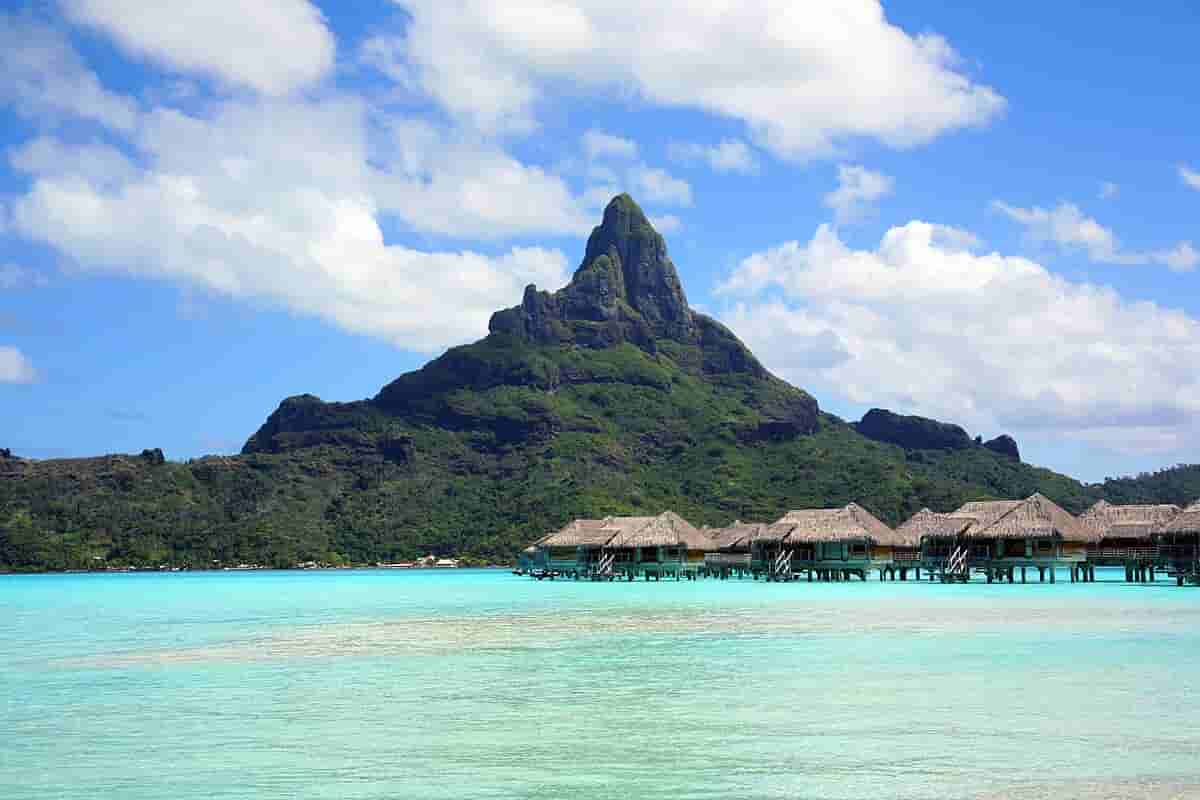
Mount Otemanu
Gaze in awe at the towering volcanic peak that dominates the stunning Bora Bora landscape.
Coral Gardens
Vibrant snorkeling spot with diverse marine life and clear waters.
Matira Beach
Bora Bora’s most famous beach with powdery white sand and calm turquoise waters.
Lagon­a Mahiéron
Turquoise lagoon perfect for kayaking.
Tevairo Point Snorkeling Tour
Spot tropical fish and stingrays with guided tours.
Te Moana Nui Botanical Garden
Cultural garden with native Polynesian plants.
Bora Bora Lagoon
Discover the vibrant marine life and crystal-clear waters of this breathtaking natural wonder.
Bora Bora Pearl Beach
Relax on the soft, white sand and soak up the sun on this picturesque private beach.
Bora Bora Lagoonarium
A natural aquarium where visitors can swim with marine creatures.
Motu Piti Aau
A serene islet known for its heart-shaped layout and crystal-clear lagoon views.
Lagoonarium
A natural aquarium where visitors can snorkel among rays, sharks, and tropical fish.
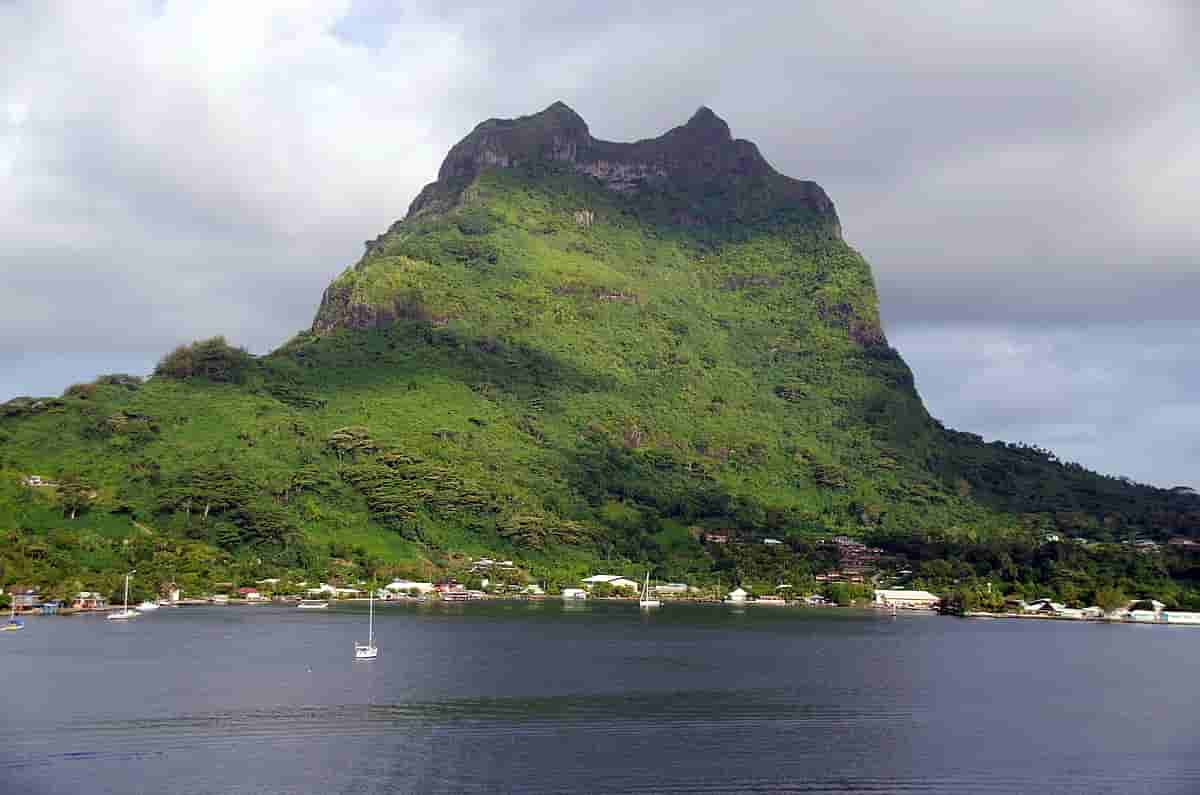
Mount Pahia
A scenic hiking destination offering panoramic views of the island and lagoon.
🏘️ Neighborhoods
Vaitape
The main village and commercial hub on the main island. Home to shops, restaurants, the ferry dock, and administrative buildings. Lively during the day, quiet at night.
Matira Point
The southern tip of the main island, featuring the famous public Matira Beach. A mix of small hotels, pensions, and private homes. More local feel with easy beach access.
Motu Piti Aau & Northern Motus
A long motu on the eastern reef, home to several of the most famous luxury resorts with overwater bungalows. Pristine beaches and incredible lagoon views.
Motu Toopua & Western Motus
Motus close to Vaitape, hosting a mix of luxury and mid-range resorts. Offers beautiful sunset views over the main island and Mount Otemanu.
Faanui
A quiet village area on the main island's western coast, home to a deep bay and historical WWII cannons. A more residential, authentic Polynesian atmosphere.
Anau
A village area on the eastern coast of the main island. Less developed for tourism, offering a glimpse of everyday life and access to different parts of the lagoon.
🍽️ Local Cuisine
Bora Bora's cuisine is a delicious fusion of fresh Polynesian ingredients and French culinary technique. Signature dishes center on the bounty of the sea. Must-try foods include 'poisson cru' (the national dish of raw tuna or other fish marinated in lime juice and coconut milk), grilled mahi-mahi, and breadfruit. Look for 'maa tinito' (a Chinese-inspired stew) and 'firi firi' (donut-like pastries). Dining culture ranges from casual food trucks ('roulottes') serving affordable plates to world-class resort restaurants. Vaitape has several good local restaurants. For a unique experience, enjoy a traditional Tahitian feast, or 'tamaaraa', with food cooked in an underground oven (ahima'a). Price ranges are high due to island import costs; expect $30-50+ for a main course at a mid-range restaurant. Resort dining is significantly more expensive. Etiquette is generally relaxed, but dressing smart-casual for nicer restaurants is appreciated. Don't miss trying the fresh tropical fruits like pineapple, papaya, and noni.
💡 Local Tips
🚗 Day Trip Ideas
Taha'a (The Vanilla Island)
Visit this neighboring island famous for its vanilla plantations and pearl farms. Often combined with a snorkel stop at the Coral Garden.
Raiatea (The Sacred Island)
Explore the cultural heart of Polynesia, home to the most significant ancient marae (temple) complex, Taputapuatea, a UNESCO site.
Private Motu Picnic
Not a distant island, but a quintessential Bora Bora experience. Tour operators can drop you on a secluded motu for a day of paradise.
4x4 Safari of Bora Bora Main Island
Explore the interior jungles and panoramic mountain viewpoints inaccessible by regular vehicles, learning about the island's history and flora.
Maupiti
For the adventurous, a trip to this smaller, less-visited island offers an authentic glimpse of Polynesian life without the luxury resorts.
🛡️ Safety Tips
Bora Bora is an exceptionally safe destination with very low crime rates, especially violent crime. Petty theft, like unattended items being taken from beaches, is the most common issue, so always secure your valuables. Be cautious when walking or cycling on the narrow, sometimes poorly lit, ring road at night due to limited visibility. Health-wise, tap water in resorts is generally safe, but bottled water is recommended elsewhere. Use strong insect repellent to guard against mosquitoes, which can carry dengue fever. Protect yourself from the intense sun. There are no dangerous land animals. In the lagoon, be mindful of coral cuts and stonefish; wear reef shoes. Strong currents can exist in certain lagoon passes. Emergency numbers: Police (17), Medical/Fire (15). The main medical facility is the Bora Bora Infirmary in Vaitape. Scams are rare, but always confirm prices for tours and taxis upfront. Overall, common sense and respect for the environment and local customs will ensure a safe and wonderful visit.
💰 Budget Guide
Bora Bora is a premium destination, but budgets can be managed with planning. Budget travelers (staying in pensions, eating locally) can aim for $150-250 per person per day. This covers a basic guesthouse ($80-150/night), meals from roulottes or small restaurants ($15-30 per meal), bicycle rental, and free activities like Matira Beach. Mid-range travelers should budget $350-600 per person per day. This allows for a nicer hotel or budget overwater bungalow ($250-450/night), restaurant meals ($40-80 per person for dinner), scooter rental, and a couple of guided tours (snorkeling, 4x4). Luxury is the island's hallmark, with daily budgets easily exceeding $1,000+ per person. This includes luxury overwater bungalows ($800-2000+/night), fine dining, private boat charters, and spa treatments. Money-saving tips: Visit in the shoulder or wet season for lower rates, book flights and hotels as a package, choose a pension with kitchen facilities to prepare some meals, focus on free activities (beach, hiking viewpoints), drink local Hinano beer instead of imported drinks, and book tours directly with local operators in Vaitape.