Welcome to Bonito
Nestled in the heart of Brazil's Mato Grosso do Sul state, Bonito is a name that promises beauty and delivers an experience of unparalleled natural wonder. Far from the urban sprawl, this small town has become a global ecotourism icon, a sanctuary where crystalline rivers, mysterious caves, and lush cerrado forests create a landscape of almost surreal clarity. The name 'Bonito'—meaning 'beautiful'—is a humble understatement for a place where snorkeling in rivers reveals underwater gardens and limestone caverns hide lakes of impossible blue. It's a destination built on a foundation of sustainable tourism, where visitor numbers are carefully managed to preserve its pristine ecosystems. With a focus on immersive nature adventures, Bonito offers a profound connection to the environment. To accommodate the steady stream of nature enthusiasts, the town provides a range of 39 hotels, ensuring options for every traveler seeking to explore this aquatic paradise. Your journey here is less about checking off landmarks and more about plunging into a world of liquid light and geological marvels.
Overview
Bonito's history is intrinsically tied to the land. Originally a cattle ranching and farming region, its transformation began in the 1980s when the extraordinary clarity of its rivers and the grandeur of its caves started attracting explorers and scientists. The local community, recognizing the fragility and value of their natural heritage, pioneered a revolutionary voucher system for attractions, controlling access and funding conservation. This model made Bonito a benchmark for sustainable tourism in Brazil. Culturally, it's a blend of traditional Brazilian ranch life (fazenda culture) and a modern, eco-conscious ethos. The town center is compact and functional, serving as a basecamp for excursions to the surrounding natural wonders. Bonito is famous not for man-made monuments, but for its breathtaking natural aquariums like the Rio da Prata and Aquário Natural, where snorkeling with massive fish in transparent water is the main event. It's also renowned for its majestic caves, such as the Gruta do Lago Azul, a cathedral-like cavern housing a deep, intensely blue lake. The town itself is charmingly simple, with a laid-back atmosphere where the day's adventure is the primary topic of conversation.
🗓️ Best Time to Visit
The best time to visit Bonito is during the dry season, which runs from May to September. This period offers the most favorable conditions for the region's star attractions: the crystal-clear rivers and caves. With significantly reduced rainfall, river water levels are lower and visibility for snorkeling and diving is at its absolute peak, often exceeding 50 meters. The weather is pleasantly warm during the day and cooler at night, with average temperatures ranging from 20°C to 30°C (68°F to 86°F). This is also the peak tourist season, so booking tours and accommodation well in advance is essential. The wet season (October to April) brings lush, green landscapes and warmer temperatures but also frequent, heavy rains. These rains can increase water flow and sediment, reducing underwater visibility in the rivers. However, this period is considered the off-peak season, with fewer crowds and potentially lower prices. Major local events are sparse, as nature is the main event, but the town's anniversary in September and various eco-focused festivals occasionally take place.
🌤️ Weather & Climate
Bonito has a tropical savanna climate with two distinct seasons: a warm, rainy summer and a drier, mild winter. Humidity is generally high, especially during the wet months. The defining feature for visitors is the dramatic impact of rainfall on river clarity.
Seasons
Wet Season
💨 Humidity: high
Hot, humid, and rainy with frequent afternoon thunderstorms. Lush green landscapes but river visibility can be reduced.
Dry Season
💨 Humidity: moderate
Sunny days with low rainfall, cooler nights. Ideal for all outdoor activities, especially snorkeling, with maximum river clarity.
Monthly Weather Details
January Weather
Best for: cave visits, experiencing lush greenery
February Weather
Best for: cave visits, experiencing lush greenery
March Weather
Best for: transition period activities
April Weather
Best for: transition period activities
May Weather
Best for: snorkeling, river tours
June Weather
Best for: snorkeling, river tours, hiking
July Weather
Best for: snorkeling, river tours, hiking
August Weather
Best for: snorkeling, river tours, hiking
September Weather
Best for: snorkeling, river tours
October Weather
Best for: cave visits, birdwatching
November Weather
Best for: cave visits, birdwatching
December Weather
Best for: cave visits, experiencing lush greenery
🎒 What to Pack
All Year Round
- swimsuit
- quick-dry towel
- reef-safe sunscreen
- insect repellent
- hat
- sunglasses
- sturdy water shoes
🚗 Getting Around
Getting around Bonito requires some planning, as the town center is walkable but the major attractions are spread across private ranches located 10-50 km outside. There is no comprehensive public bus system to the attractions. The primary mode of transport for tourists is via pre-arranged tours, which almost always include round-trip transportation from your hotel or a central pickup point in town. This is highly recommended and often mandatory due to the managed access system. For independent exploration, renting a car offers flexibility, but be prepared for dirt roads and ensure your rental agreement permits them. Taxis and ride-sharing apps like Uber are available within the town limits for short trips. For airport transfers, the nearest major airport is in Campo Grande (CGN), about a 4-hour drive away. Most hotels can arrange private or shared shuttle transfers for a fee, which is the most convenient option. Walking is perfect for exploring the compact downtown area with its shops and restaurants. Biking is less common due to the distances to attractions, but some hotels offer bicycles for local use.
🎯 Top Attractions
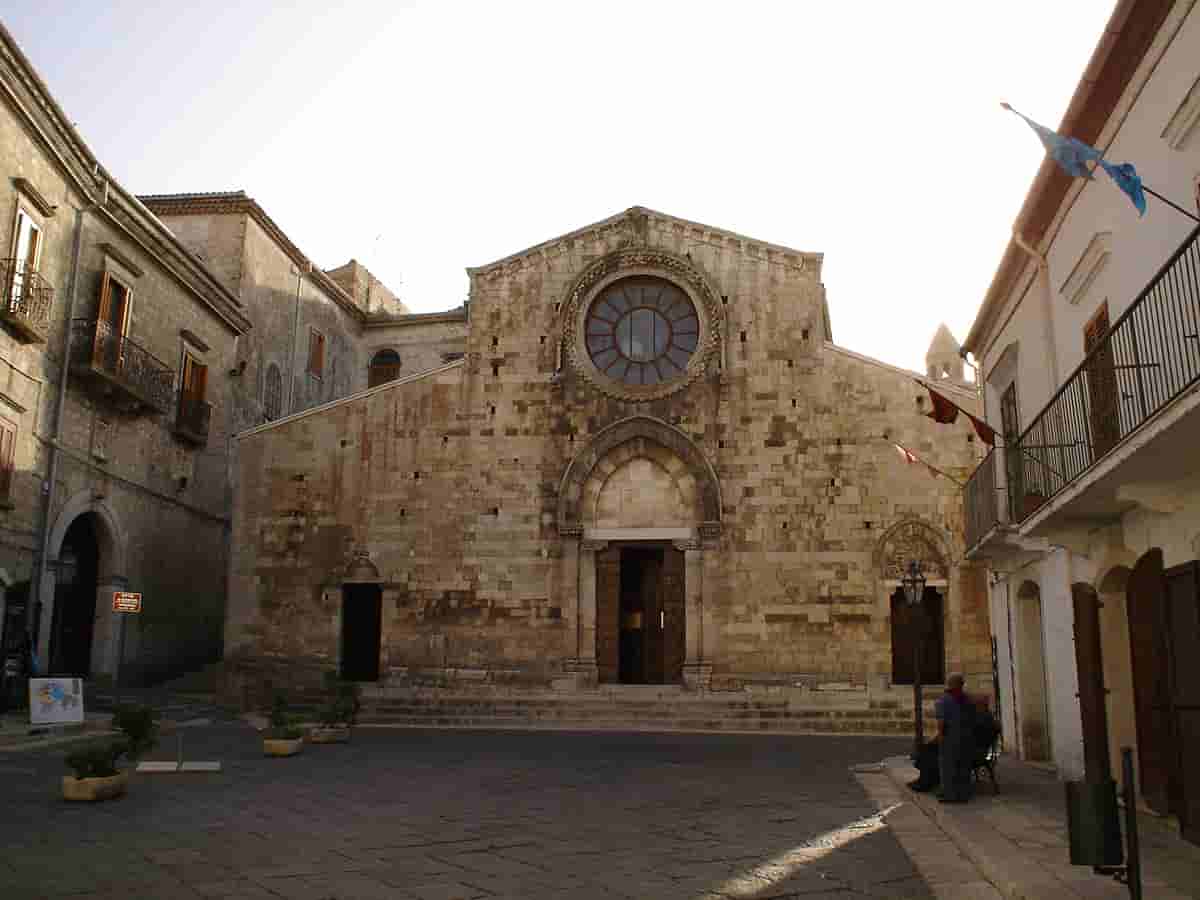
Bonito Cathedral
Charming downtown church and city landmark near the main square.
Mouth of the Rio Formoso
Serene river mouth with calm waters, home to abundant fish and lush riparian scenery.
Abismo de Fantasm鬼matmas
Adventure dive site inside a flooded sinkhole with dramatic underwater walls and crystal visibility.
Lagoa Misteriosa
Mysterious blue lake offering stunning clarity and underwater exploration in a pristine karst system.
Bonito River
Crystal-clear waters perfect for snorkeling and eco-tours
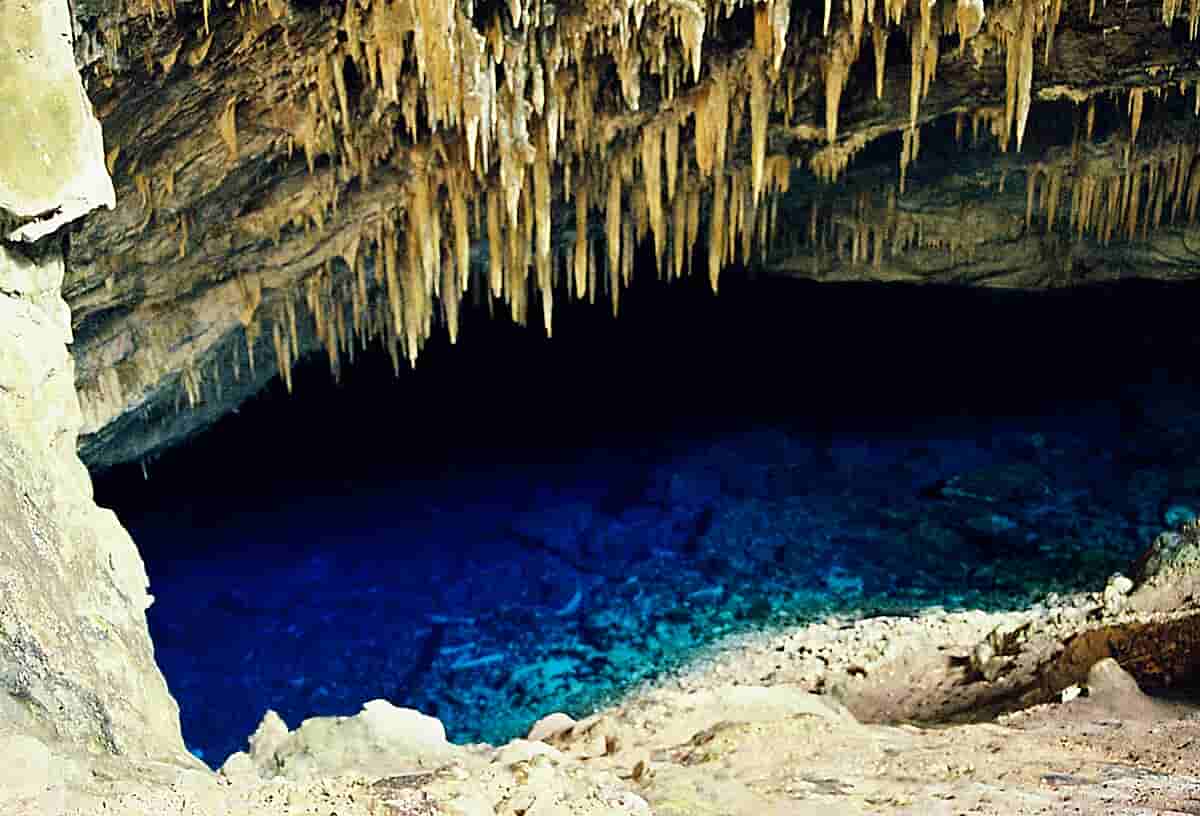
Gruta do Lago Azul
A stunning blue lake inside a limestone cave, a natural monument.
Aquário Natural
Natural aquarium for swimming with fish.
Rio da Prata
A river famous for snorkeling in incredibly clear waters with abundant fish.
Boca da Onça
Ecotourism park featuring waterfalls and adventure activities.
Bonito Municipal Balneary
A natural swimming area with crystal-clear waters and limestone formations.

Rio Sucuri
A crystal-clear river perfect for snorkeling and observing aquatic life.
Buraco das Araras
Large sinkhole home to colorful macaws and other wildlife.
🏘️ Neighborhoods
Centro
The compact downtown heart of Bonito, home to most hotels, restaurants, tour agencies, and shops. Everything you need for daily logistics is within easy walking distance.
Alto da Boa Vista
A quieter residential area on a slight hill near the center. Offers nice views and a more local atmosphere, with some guesthouses and pousadas.
Jardim Flamboyant
A pleasant residential neighborhood a short walk from the center. Features tree-lined streets and a selection of smaller, often family-run accommodations.
Jardim América
Another calm residential zone close to the central area. A good option for those wanting to be near amenities but away from the main tourist bustle.
Zona Rural (Surrounding Ranches)
Not a traditional neighborhood, but many of Bonito's top attractions and some exclusive lodges are located on private ranches outside town. Offers immersion in nature.
Vila Donária
A local residential area on the outskirts, offering a very authentic glimpse into daily life in Bonito. Fewer tourist services but maximum local flavor.
🍽️ Local Cuisine
Bonito's cuisine is a hearty reflection of its Pantanal and ranchland origins, centered on robust, flavorful meats and freshwater fish. The signature dish is *churrasco*, Brazilian barbecue, where various cuts of beef, pork, and chicken are slowly grilled over charcoal. *Pintado* and *Pacu* are two local river fish often served grilled or fried, a must-try for seafood lovers. Another regional staple is *sobá*, a noodle soup with Japanese influence, reflecting Brazil's diverse cultural tapestry. Meals are typically substantial, served with rice, beans, farofa (toasted manioc flour), and fried cassava. Dining culture is casual and family-oriented. The town center has a concentration of restaurants ranging from simple *lanchonetes* (snack bars) to more upscale *churrascarias*. A typical meal at a mid-range restaurant costs between $15-$30 USD. Etiquette is relaxed; tipping is not mandatory but leaving 10% for good service is appreciated. Don't miss trying *tereré*, the local iced herbal tea, often shared socially from a communal gourd.
💡 Local Tips
🚗 Day Trip Ideas
Bodoquena
A small, serene town near Bonito, known for its soapstone crafts and access to alternative rivers and waterfalls like the Rio Perdido.
Jardim
Home to the stunning Boca da Onça waterfall, the highest in Mato Grosso do Sul, with a rigorous but rewarding hike and zip-line course.
Gruta do Lago Azul & Gruta de São Miguel
Combine visits to two spectacular caves in one trip. Lago Azul for its deep blue lake, São Miguel for its impressive formations.
Rio Sucuri
Often compared to Rio da Prata, this is another world-class snorkeling destination known for its incredibly clear waters and lush aquatic vegetation.
Fazenda Estância Mimosa
A beautiful ranch offering a tour focused on a series of stunning waterfalls, with opportunities for swimming and hiking in a preserved setting.
🛡️ Safety Tips
Bonito is generally considered a very safe destination for tourists, with a low crime rate, especially violent crime. The primary concerns are related to nature and health. Always book tours through reputable agencies and follow all guide instructions during activities like snorkeling, cave visits, and hiking. Be cautious of slippery rocks near rivers. There are no major scams, but always confirm tour prices and inclusions beforehand. The town center is safe to walk at night, but standard precautions apply. Emergency numbers are 190 (Police), 192 (Ambulance), and 193 (Fire). Health-wise, drink only bottled or filtered water. Use strong insect repellent to prevent mosquito-borne illnesses. Ensure your routine vaccinations are up to date and consider hepatitis A and typhoid vaccines. A first-aid kit with basics for minor cuts and stomach upset is advisable.
💰 Budget Guide
Bonito is a mid-range destination where costs are driven by the managed tours. A budget traveler could manage on $70-100 USD per day by staying in hostels or basic pousadas ($20-40/night), eating at self-service restaurants or markets ($15-25/day), and choosing one or two lower-cost attractions like the Municipal Balneary. Transport would be limited to walking. A mid-range budget of $150-250 USD per day allows for comfortable pousada or hotel accommodation ($60-100/night), meals at sit-down restaurants ($30-50/day), and 1-2 major guided tours per day ($50-100 each, including transport). A luxury budget of $350+ USD per day covers boutique eco-lodges, fine dining, private tours, and exclusive experiences like technical diving at Lagoa Misteriosa. Money-saving tips: Book tours and accommodation as a package, visit in the shoulder season (April or October), share taxi transfers from the airport, and prioritize which premium attractions are most important to you.