Welcome to Badajoz
Nestled along the banks of the Guadiana River on the Spanish-Portuguese border, Badajoz is a city of profound historical resonance and understated charm. Often overlooked by the typical tourist trail, this sun-drenched capital of the province of Badajoz in Extremadura offers an authentic slice of Spanish life, where medieval fortresses cast long shadows over lively plazas and the pace of life invites deep exploration. Its strategic location has shaped a tumultuous past, visible today in its formidable Alcazaba and ancient city walls, while its modern spirit thrives in welcoming tapas bars and vibrant local festivals. With a manageable scale perfect for a focused visit, you can comfortably base yourself in one of the city's 8 hotels, averaging around $93 per night, and immerse yourself in a rich tapestry of Moorish, Roman, and Christian heritage over a rewarding one-day stay. Badajoz is not just a border city; it's a gateway to understanding the soul of inland Spain.
Overview
Badajoz is a city defined by its frontier history and resilient character. Founded by Muslims in the 9th century, it became a powerful taifa kingdom before being conquered by the Christians in the 13th century. This layered past is palpable in its architecture, from the sprawling Moorish Alcazaba—one of the largest in Spain—to the Gothic-Mudéjar Badajoz Cathedral. The city is famous for its pivotal role in the Peninsular War, a history recounted in its museums. Culturally, it's a hub of Extremaduran traditions, with a strong focus on local gastronomy and festivals like the vibrant Carnaval. The main districts include the historic Casco Antiguo (Old Town) around the Alcazaba and Plaza Alta, the more modern commercial center radiating from Plaza de España, and the pleasant riverfront areas along the Guadiana. The city is a testament to endurance and a proud keeper of regional identity.
🗓️ Best Time to Visit
The best times to visit Badajoz are during the spring (April to June) and autumn (September to October). These seasons offer pleasantly warm, sunny days and cool evenings, ideal for sightseeing and outdoor exploration without the intense summer heat. Summer (July-August) is the peak season for local festivals but brings extreme heat, often exceeding 40°C (104°F), making midday activities challenging. Winter is mild but can be rainy. Major events include the spectacular Carnaval in February/March, one of Spain's most important, and the Feria de San Juan in June, a traditional fair with bullfights, concerts, and festivities. The Almossassa Batalyaws in September celebrates the city's Moorish foundation. For comfortable weather and cultural immersion, aim for the shoulder seasons.
🌤️ Weather & Climate
Badajoz has a Mediterranean climate with strong continental influences, characterized by very hot, dry summers and mild, wetter winters. Temperature extremes are common between seasons.
Seasons
Spring
💨 Humidity: moderate
Pleasant and sunny with increasing warmth; ideal for sightseeing and festivals.
Summer
💨 Humidity: low
Extremely hot and dry with intense sun; seek shade and plan activities for morning/evening.
Autumn
💨 Humidity: moderate
Warm days and cool nights, with rain increasing in November; a perfect visiting season.
Winter
💨 Humidity: high
Mild but often cloudy and rainy, with rare frosts; fewer tourists.
Monthly Weather Details
January Weather
Best for: indoor museums, cultural visits
February Weather
Best for: Carnaval festivities
March Weather
Best for: sightseeing, hiking
April Weather
Best for: outdoor exploration, gardens
May Weather
Best for: festivals, river walks
June Weather
Best for: San Juan fair, evening life
July Weather
Best for: early morning/evening activities
August Weather
Best for: poolside relaxation
September Weather
Best for: historical tours, Almossassa festival
October Weather
Best for: wine tasting, countryside drives
November Weather
Best for: museum visits, gastronomy
December Weather
Best for: Christmas markets, indoor sights
🎒 What to Pack
All Year Round
- comfortable walking shoes
- sunglasses
- sun hat
- light jacket
🚗 Getting Around
Badajoz is a highly walkable city, especially within the compact historic center where major attractions like the Alcazaba, Plaza Alta, and Cathedral are clustered. For longer distances, the local bus network (TUBASA) is efficient and affordable, with single fares around €1.10. Taxis are readily available and reasonably priced for trips across the city; ride-sharing apps are not as prevalent. Renting a bike is an excellent option, with some dedicated paths along the river. The city is served by the Talavera la Real Airport (BJZ), located about 14km east; a taxi to the center costs approximately €25-30, and there is a limited bus service. For exploring beyond the city, renting a car is recommended. Overall, getting around is straightforward and inexpensive.
🎯 Top Attractions
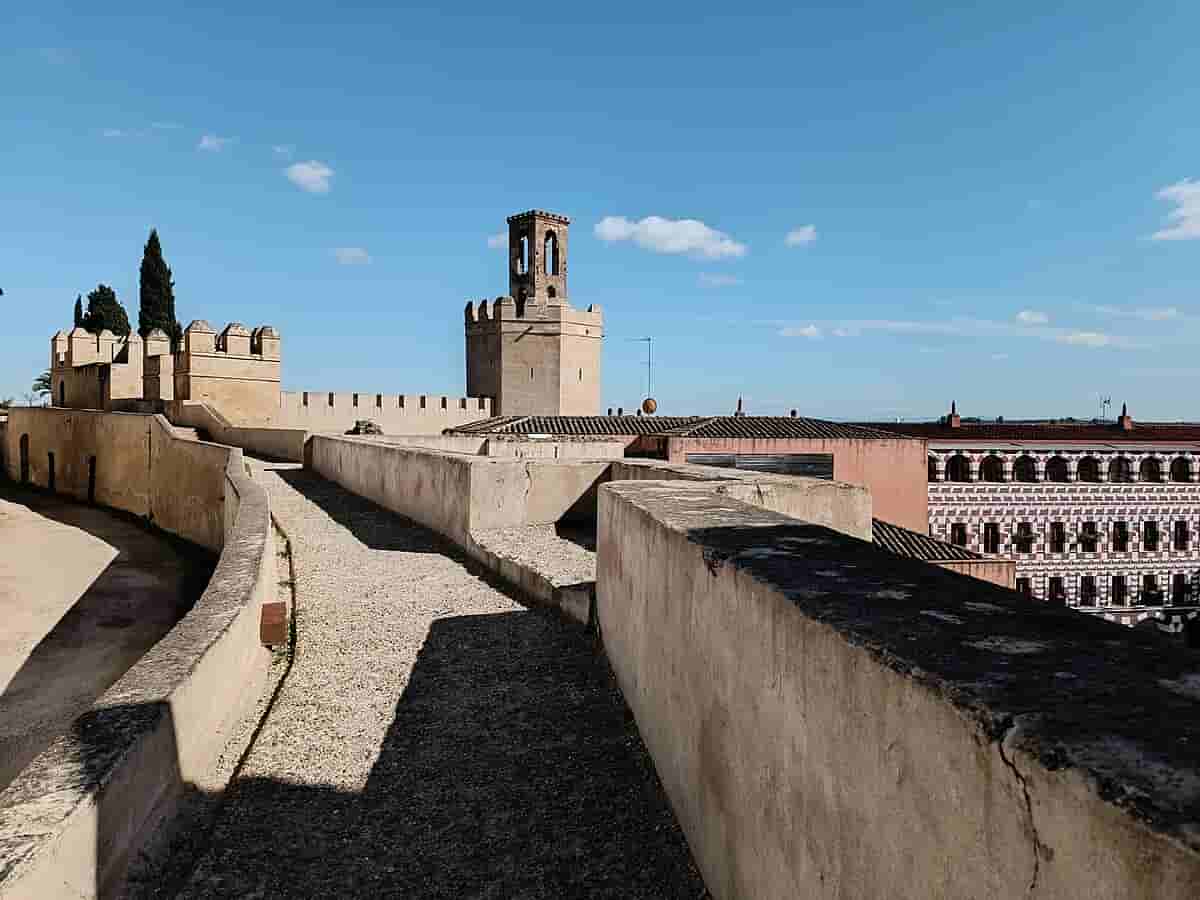
Alcazaba of Badajoz
A magnificent Moorish fortress offering panoramic city views, ancient walls, and fascinating historical exhibits.
Puerta de Palmas
Renaissance gate and historic city entrance.
Museo de Bellas Artes
Museum featuring fine arts and local history.
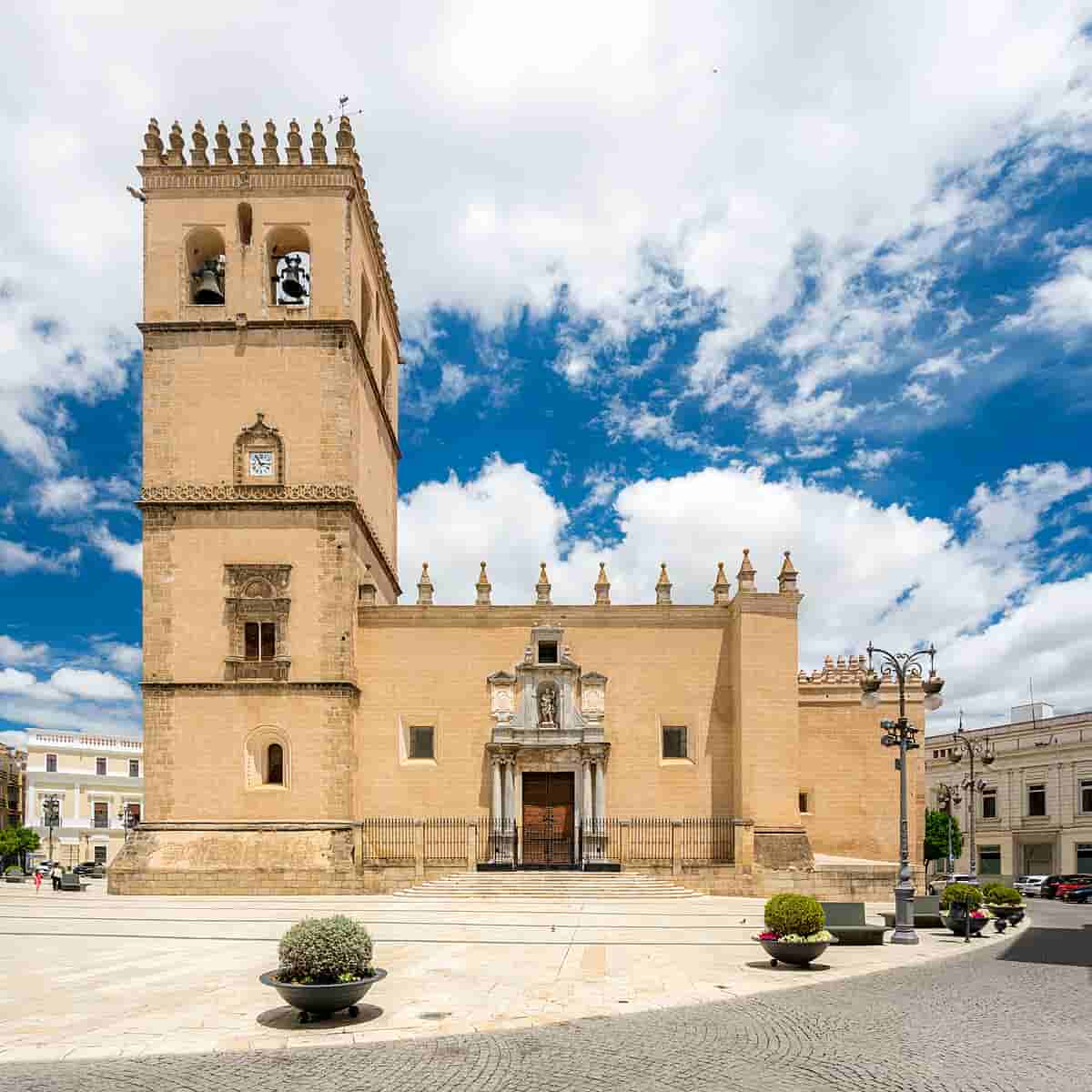
Badajoz Cathedral
A magnificent Gothic cathedral featuring a grand tower and beautiful, historic religious art.
Guadiana River
A major river offering pleasant walks and scenic views.
Plaza Alta
The grand main square of Badajoz, surrounded by historic arcaded buildings and bustling with local life.
Roman Villa of Épulo
Well-preserved ancient Roman ruins showcasing intricate mosaics and architecture.
Badajoz City Center
Vibrant area with local markets, restaurants, and cultural attractions.
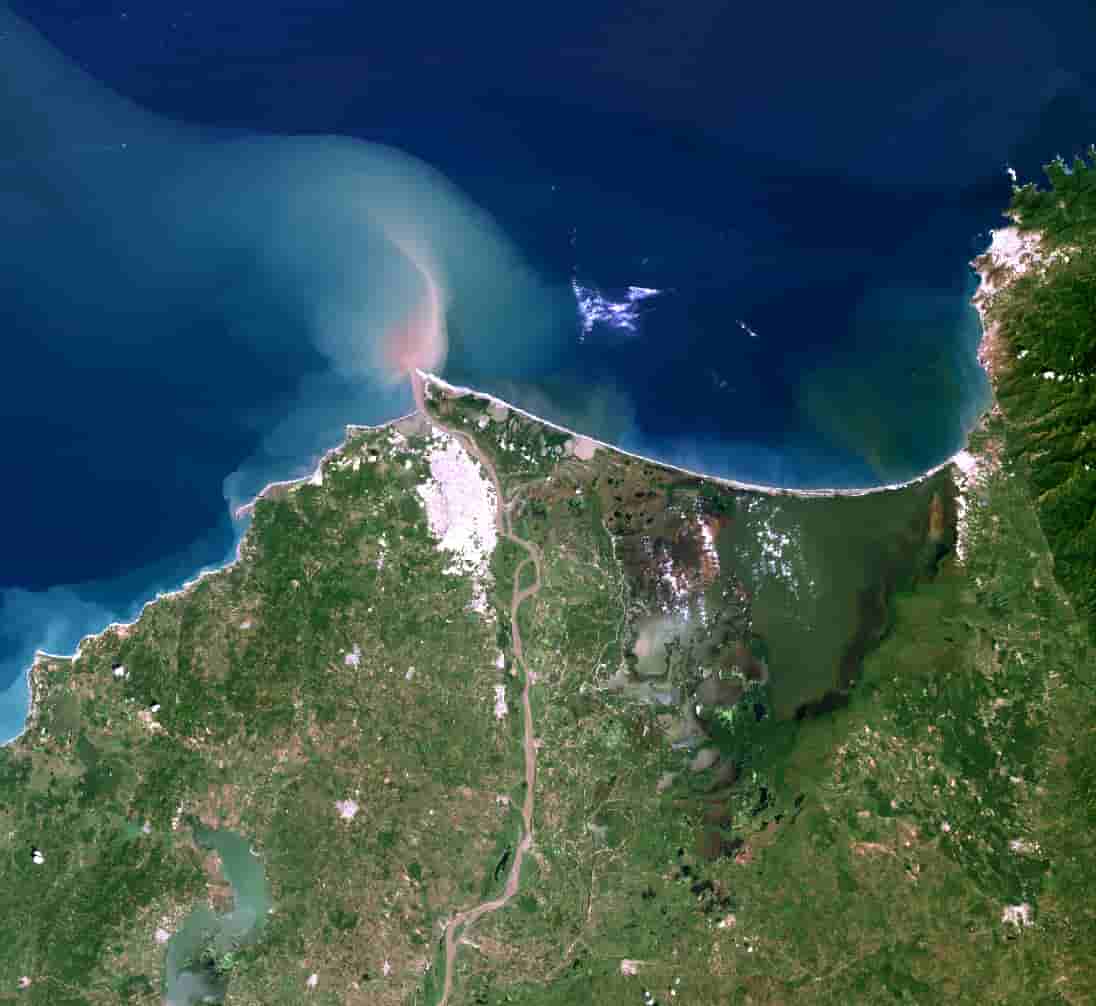
Magdalena River
A scenic river ideal for leisurely walks and local cuisine.
Plaza deEspaña
A stunning architecture showcase with photo-worthy arches and fountains.
Museo Extremeño e Iberoamericano de Arte Contemporáneo (MEIAC)
A leading contemporary art museum showcasing a impressive collection of Spanish and Latin American works.
Puente de Palmas
A stunning 16th-century stone bridge spanning the Guadiana River, offering beautiful photo opportunities, especially at sunset.
🏘️ Neighborhoods
Casco Antiguo (Old Town)
The historic heart, home to the Alcazaba, Plaza Alta, and Cathedral. A maze of narrow streets filled with traditional bars and shops.
Centro (City Center)
Modern commercial hub around Plaza de España and Calle Menacho. Features department stores, banks, and broader avenues.
La Pilara
A residential and university area near the campus. Offers a youthful vibe with affordable bars and eateries.
Guadiana Riverfront
The area along the river, including parks like Parque de la Legión. Offers beautiful walks, gardens, and views of the Puente de Palmas.
San Roque
A traditional neighborhood with its own distinct identity, known for its popular festivals and community spirit.
Valdepasillas
A quieter, more modern residential area on the city's outskirts, with parks and larger housing developments.
🍽️ Local Cuisine
Badajoz's cuisine is a hearty reflection of Extremadura, focusing on high-quality local produce like Iberian pork, lamb, game, and paprika. Signature dishes include 'migas extremeñas' (fried breadcrumbs with pork), 'caldereta de cordero' (lamb stew), and 'prueba de cerdo ibérico' (Iberian pork cuts). Don't miss the famous 'torta del Casar', a creamy, pungent sheep's milk cheese. Dining culture is social and revolves around tapas bars, especially in the Old Town, where a drink often comes with a complimentary tapa. For a full meal, expect to pay €15-25 for a menu del día. Popular food areas are around Plaza de San José and the streets near the Cathedral. Etiquette is relaxed; lunch is late (2-4 PM) and dinner very late (9-11 PM). Always try the local wines from Ribera del Guadiana.
💡 Local Tips
🚗 Day Trip Ideas
Mérida
UNESCO-listed Roman capital with a spectacular theater, amphitheater, and museum.
Olivenza
A charming town with a unique Portuguese-Spanish heritage, featuring a stunning castle and walls.
Zafra
Known as 'Sevilla la Chica' (Little Seville), a beautiful white town with a grand plaza and castle.
Elvas, Portugal
A stunning Portuguese fortress town, a UNESCO site, just across the border.
Jerez de los Caballeros
Birthplace of conquistadors, famous for its Baroque churches and whitewashed streets.
Herrera del Duque / García Sola Reservoir
For nature lovers, a large reservoir offering swimming, hiking, and water sports in a scenic setting.
🛡️ Safety Tips
Badajoz is generally a very safe city with a low crime rate. Standard precautions apply: be aware of your belongings in crowded areas like markets or festivals to guard against petty pickpocketing. There are no specific high-risk areas, but it's wise to be cautious in quieter, poorly lit streets at night. Common scams are rare. Emergency services can be reached by dialing 112. The tap water is safe to drink. In summer, the primary health risk is heatstroke and sunburn; stay hydrated, use strong sunscreen, and avoid strenuous activity during peak afternoon heat. Healthcare facilities are good. Overall, visitors can feel secure exploring both day and night.
💰 Budget Guide
Badajoz is an affordable destination. A budget traveler can manage on €40-50 per day: a hostel bed (€15-20), menu del día lunches (€10-12), self-catering or tapas for other meals, and walking/free attractions. Mid-range travelers spending €80-120 per day can enjoy a comfortable hotel (€60-80), sit-down meals at nice restaurants, taxi rides, and paid museum entries. A luxury budget of €150+ allows for premium hotels, fine dining, private tours, and car rental. Accommodation averages $93/night. Save money by enjoying free tapas with drinks, visiting free monuments like the Alcazaba walls, using the bus, and traveling in the off-season. The city offers excellent value.