Welcome to Avila
Rising from the high plains of Castile and Leon, Ávila is a city of stone and spirit, where history is etched into every cobblestone and fortress wall. Famous for its remarkably intact medieval ramparts, the UNESCO-listed Walls of Ávila encircle a city that feels suspended in time, yet vibrantly alive. As the birthplace of the mystic Saint Teresa, Ávila exudes a profound spiritual atmosphere, balanced by the warmth of its Castilian hospitality. Perched over 1,100 meters above sea level, it is Spain's highest provincial capital, offering crisp air and sweeping views of the surrounding countryside. With a compact, walkable historic center, Ávila is perfectly suited for an immersive one-day visit, allowing you to traverse centuries in mere hours. The city's 21 hotels provide a range of welcoming accommodations, from charming *paradores* within ancient palaces to cozy guesthouses, ensuring a restful base for your exploration of this monumental treasure.
Overview
Ávila's identity is inseparable from its magnificent 12th-century walls, a 2.5-kilometer circuit of granite punctuated by 88 semi-circular towers and nine monumental gates. These formidable fortifications, built to defend the frontier between Christian and Moorish Spain, define the city's silhouette and protect its historic core. Beyond the walls, Ávila is renowned as the birthplace of Saint Teresa of Ávila, the 16th-century Carmelite reformer and mystic whose influence permeates the city through convents, churches, and a rich legacy of religious art. The city's layout is a testament to its medieval past, with narrow, winding streets leading to grand plazas like the Plaza Mercado Chico, the traditional civic heart. Culturally, Ávila is a bastion of Castilian tradition, with festivals, cuisine, and a serene, contemplative pace that reflects its spiritual heritage. The city is famous not just for its walls and saint, but also for its signature *yemas de Santa Teresa* (egg yolk sweets), its robust local beef, and the haunting beauty of its Romanesque and Gothic architecture.
🗓️ Best Time to Visit
The ideal times to visit Ávila are late spring (May-June) and early autumn (September-October). During these periods, daytime temperatures are pleasantly mild, perfect for walking the walls and exploring the city on foot, while the summer crowds have yet to arrive or have already dissipated. Summer (July-August) brings the warmest weather, but it's also peak tourist season; the high altitude moderates the heat compared to other Spanish cities. Winter (November-February) is cold, often dipping below freezing, with a chance of snow, offering a starkly beautiful and crowd-free experience, though some attractions may have reduced hours. Major events include the solemn Holy Week (Semana Santa) processions, a time of profound religious observance. The grand Fiestas de Santa Teresa in mid-October transform the city with concerts, parades, and traditional events honoring its patron saint, creating a vibrant but busy atmosphere.
🌤️ Weather & Climate
Ávila has a continental Mediterranean climate with significant seasonal temperature variations due to its high altitude (over 1,130m). Winters are cold and can be brisk, with frequent frosts, while summers are warm and dry with cool nights. Precipitation is moderate and fairly evenly distributed throughout the year.
Seasons
Spring
💨 Humidity: moderate
Mild and pleasant days with cool nights. Ideal for sightseeing, though occasional rain showers are possible.
Summer
💨 Humidity: low
Warm, sunny days with intense sun and low humidity. Nights are noticeably cool. Peak tourist season.
Autumn
💨 Humidity: moderate
Crisp air and changing colors. Days are comfortable, but temperatures drop quickly towards winter.
Winter
💨 Humidity: moderate
Cold with frequent frosts and a possibility of snow. Days can be bright and sunny but chilly.
Monthly Weather Details
January Weather
Best for: cultural sights, crowd-free visits
February Weather
Best for: cultural sights, crowd-free visits
March Weather
Best for: sightseeing, early spring walks
April Weather
Best for: sightseeing, photography
May Weather
Best for: ideal sightseeing, walking the walls
June Weather
Best for: sightseeing, festival season start
July Weather
Best for: summer festivals, evening strolls
August Weather
Best for: summer festivals, evening strolls
September Weather
Best for: perfect sightseeing, pleasant weather
October Weather
Best for: autumn colors, Santa Teresa festivities
November Weather
Best for: quiet cultural visits
December Weather
Best for: Christmas markets, atmospheric winter visits
🎒 What to Pack
All Year Round
- comfortable walking shoes
- sunglasses
- sunscreen
- layered clothing
- power adapter
🚗 Getting Around
Ávila's walled historic center is compact and best explored on foot. Walking allows you to appreciate the details of the medieval architecture and stumble upon hidden plazas at your own pace. For reaching sights outside the walls, like the Mirador de los Cuatro Postes, local buses are inexpensive and reliable, with a single ticket costing around €1.20. Taxis are readily available at stands near the main gates (Puerta del Alcázar, Puerta de San Vicente) and offer a convenient, affordable way to travel longer distances within the city; rides are metered. Ride-sharing services like Uber are not prevalent. There is no local metro or tram system. For airport transfers, Ávila is best accessed via Madrid's Adolfo Suárez Madrid–Barajas Airport (MAD), roughly 110 km away. Direct ALSA buses or regional trains connect Madrid to Ávila, with the train journey from Madrid's Chamartín station taking about 1.5 hours. Renting a car is useful for day trips but unnecessary for exploring the city itself.
🎯 Top Attractions
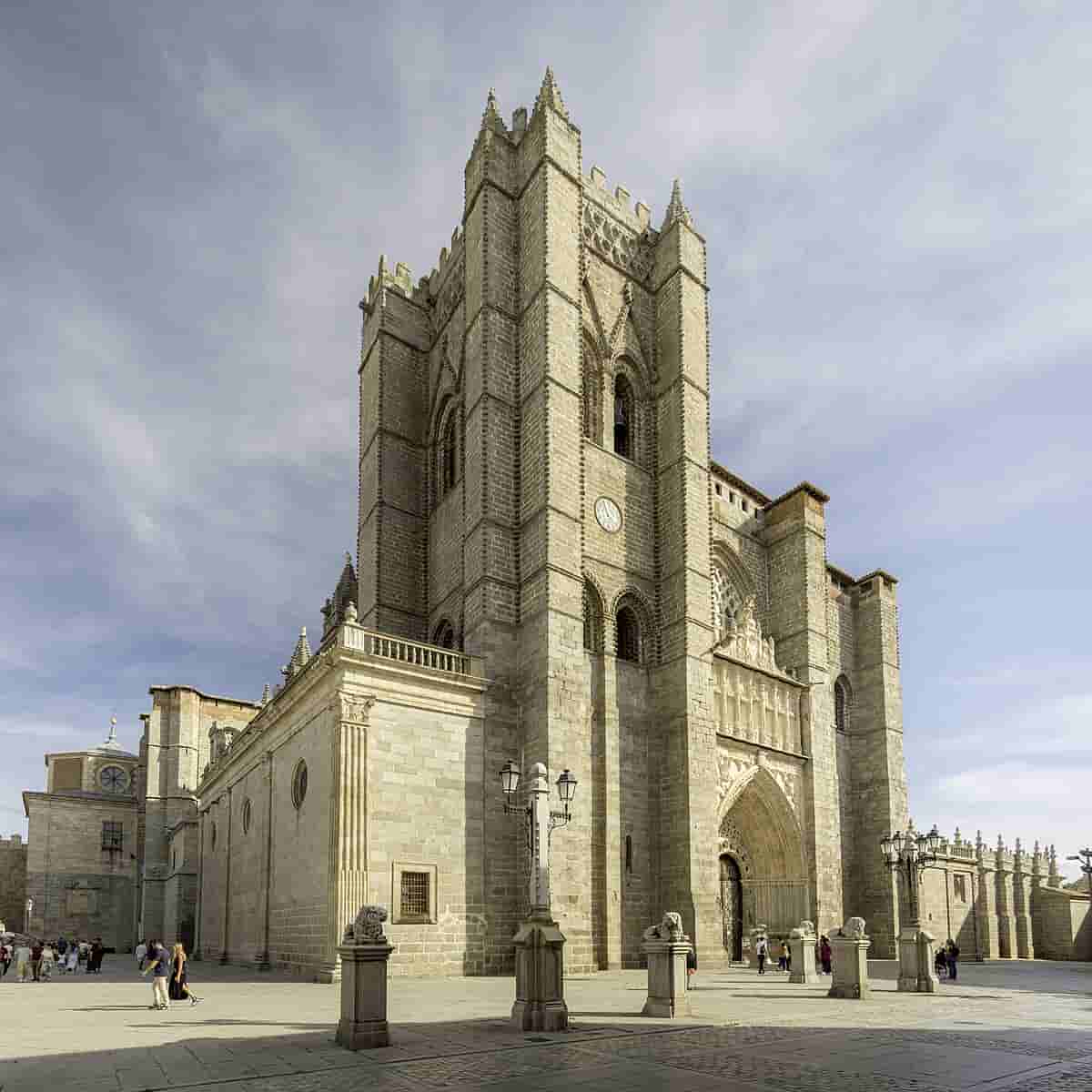
Avila Cathedral
Majestic 11th-century Gothic cathedral with impressive stone walls and spires, a must-see landmark in Avila.
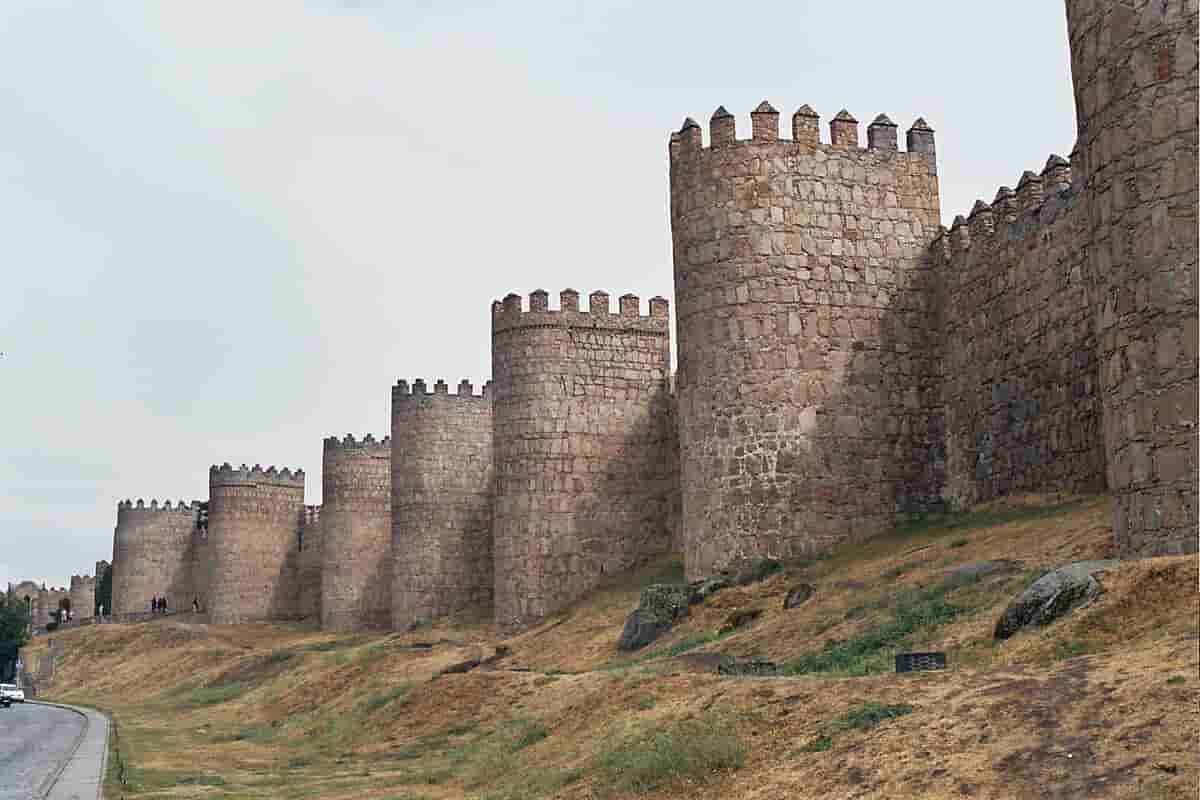
Walls of Avila
Incredibly well-preserved medieval city walls surrounding the historic center of Avila, a UNESCO World Heritage site.
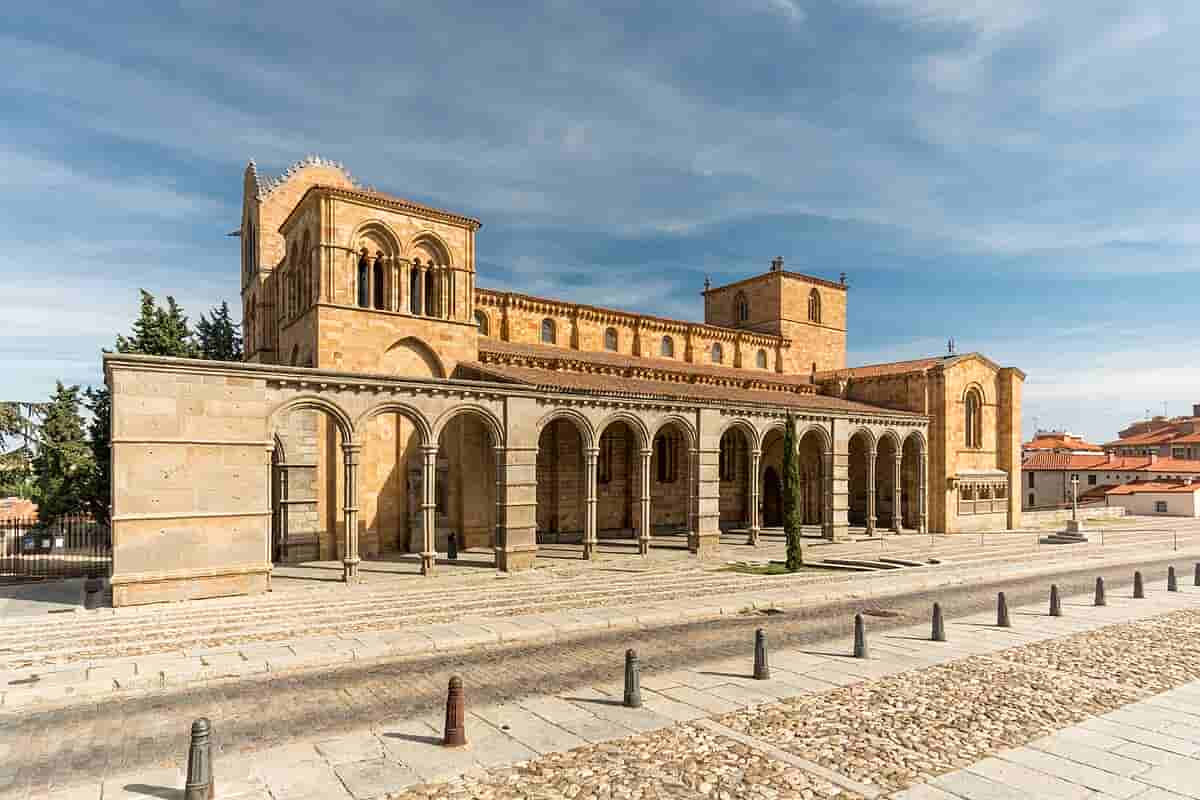
Basilica de San Vicente
Stunning Romanesque-style basilica dating back to the 12th century, featuring intricate stone carvings and architecture.
The Walls of Avila
This luxurious hotel is uniquely situated within the Rastro Palace, part of the city's iconic medieval walls.
Plaza Mercado Chico
The charming main square, surrounded by traditional architecture and lively local cafes.
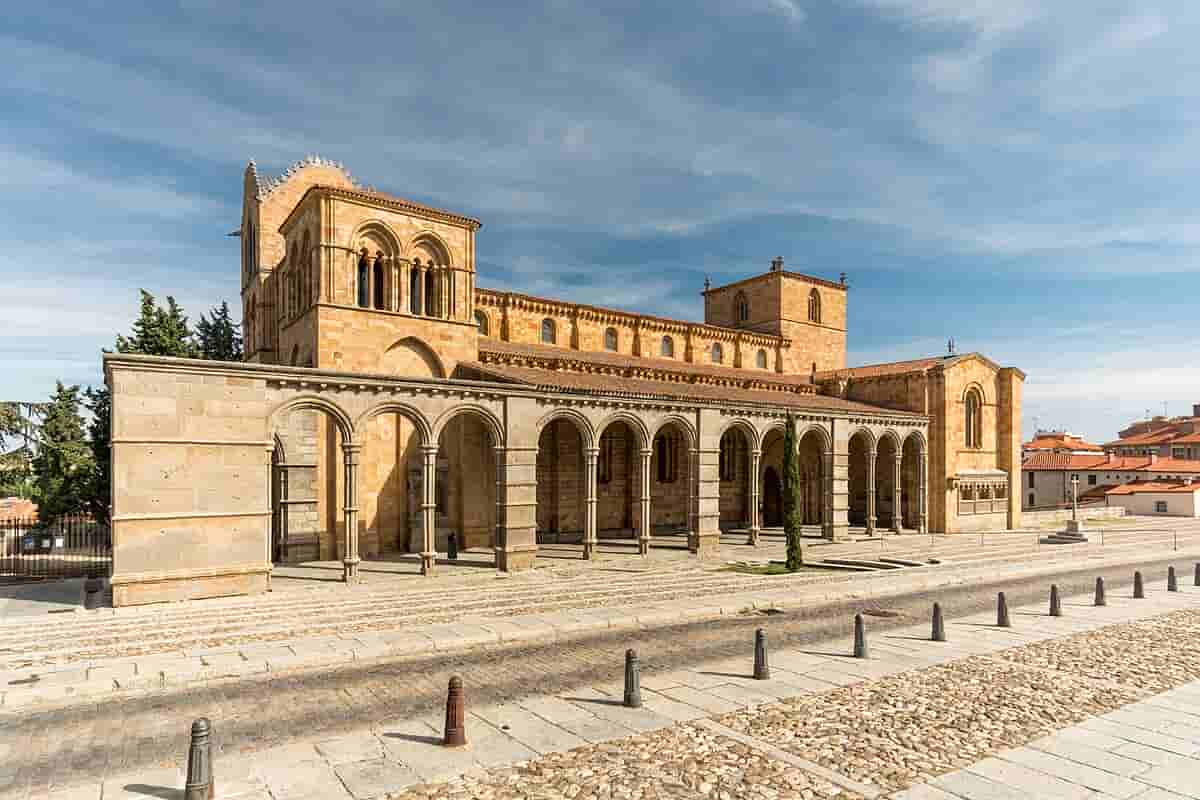
Basilica of San Vicente
Romanesque church dedicated to Saint Vincent and his sisters.
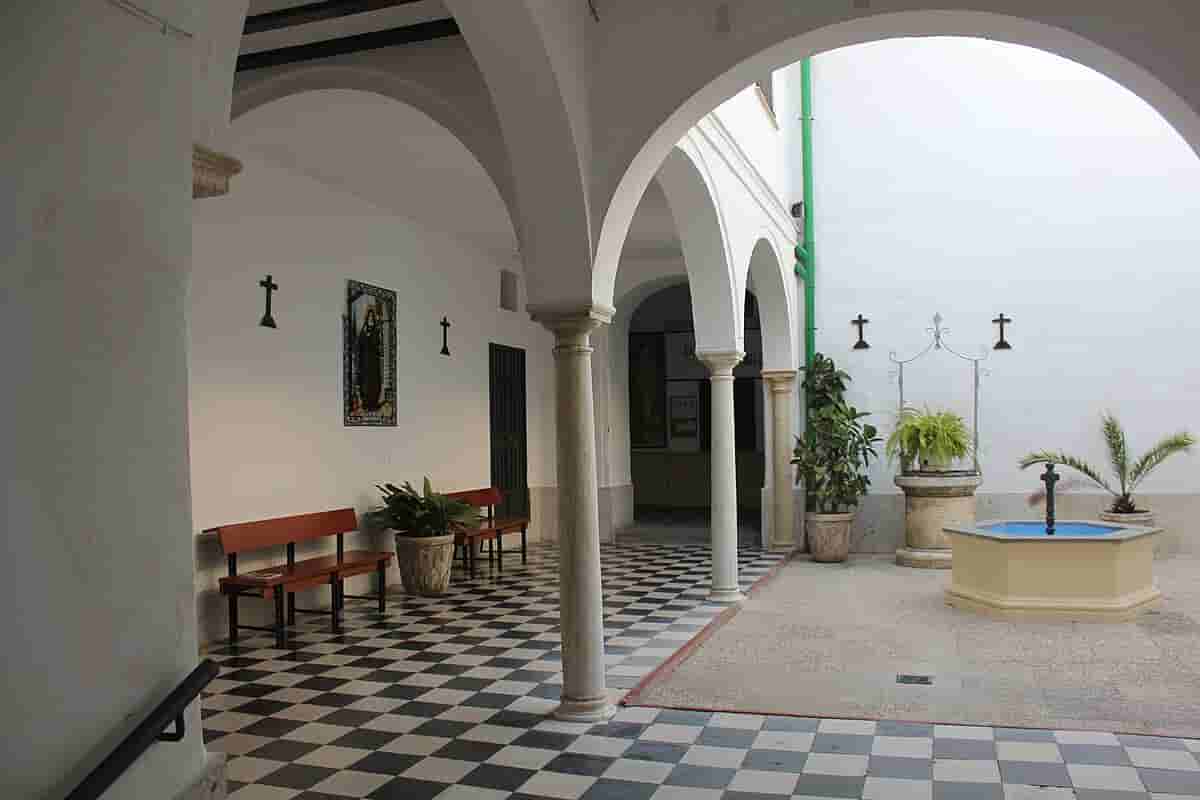
Convento de San Jose
A serene convent and museum dedicated to Saint Teresa, showcasing religious art and history.
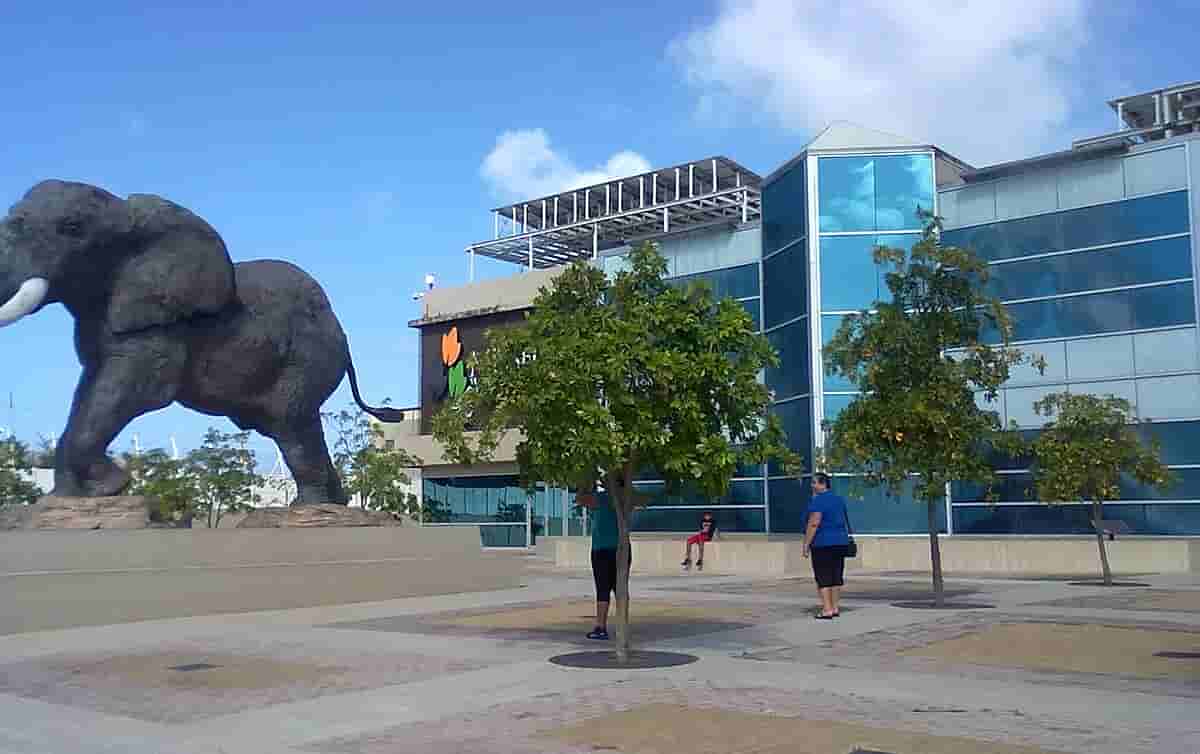
Museo de Avila
Housed in a former palace, this museum offers deep insights into the region's archaeology and ethnology.
Mirador de los Cuatro Postes
The most famous viewpoint for capturing the entire walled city of Avila in one spectacular shot.
Ávila Cathedral
A stunning Gothic cathedral located within the city's ancient walls, known for its impressive architecture and rich history.
Walls of Ávila
A UNESCO World Heritage site, the medieval walls offer a fascinating glimpse into the city's history and panoramic views of the surrounding landscape.
Monastery of Santo Tomás
A beautiful monastery with historical significance, home to the tomb of the famous philosopher, Saint Thomas Aquinas.
🏘️ Neighborhoods
Casco Histórico (Inside the Walls)
The medieval heart of Ávila, enclosed by the iconic walls. Contains the cathedral, major churches, palaces, and the main plaza. A labyrinth of narrow, stone-paved streets.
Ensanche/San Antonio
The late-19th/early-20th century expansion just outside the walls near the Puerta del Alcázar. Features wider avenues, more modern amenities, shops, and some hotels.
Barrio de Santo Tomé
A traditional neighborhood outside the walls near the Basilica de San Vicente. Offers a more authentic, residential feel with local bars and views of the walls.
Barrio de la Catedral
The area immediately surrounding the cathedral, characterized by grand stone buildings, canonical houses, and a solemn, historic ambiance.
Near Estación de Ferrocarril
The area around the train station, to the east of the walled city. Functional with several hotels, useful for those arriving/departing by train.
Zona Norte (Near Cuatro Postes)
The northern outskirts, leading to the Mirador de los Cuatro Postes. More suburban, with some newer housing and the best panoramic views back towards the city.
🍽️ Local Cuisine
Ávila's cuisine is hearty Castilian fare, built to sustain through the high-plateau climate. The undisputed star is *Chuletón de Ávila*, a massive, thick-cut T-bone steak from local Avileña-Negra Ibérica cattle, best enjoyed simply grilled. Another iconic dish is *Judías del Barco de Ávila*, large, buttery white beans stewed with pork. *Patatas Revolconas* (mashed potatoes with paprika and pork cracklings) is a flavorful staple. For sweets, you must try *Yemas de Santa Teresa*, small, rich candies made from egg yolks and sugar. Dining culture leans towards traditional, family-run *mesones* (taverns) and *asadores* (grill houses) found within the old town. Lunch is the main meal, typically served from 2-4 PM. A three-course *menú del día* offers excellent value at €12-€18. Dinner starts late, around 9 PM. Tipping is appreciated but not obligatory; rounding up the bill or leaving 5-10% for good service is customary. Always ask for the local *vino de la tierra* (wine of the land).
💡 Local Tips
🚗 Day Trip Ideas
Segovia
Famous for its colossal Roman aqueduct, fairy-tale Alcázar castle, and succulent cochinillo (suckling pig). A UNESCO World Heritage city.
Salamanca
A magnificent university city known for its golden-hued sandstone architecture, vibrant student life, and stunning Plaza Mayor.
El Valle de Iruelas & Burguillo Reservoir
A beautiful natural park perfect for hiking, birdwatching (including imperial eagles), and enjoying water sports or lakeside picnics.
Madrid
Spain's vibrant capital. Easily accessible for a day of world-class art museums (Prado, Reina Sofía), shopping, and urban energy.
Árevalo
A charming medieval town known as the 'Town of the Mudejar' for its distinctive brick architecture and its famous roast suckling pig and lamb.
Monasterio de Piedra (Nuévalos)
A stunning monastery surrounded by a spectacular natural park with waterfalls, caves, and lakes. A longer but rewarding trip.
🛡️ Safety Tips
Ávila is generally a very safe city with low crime rates. Violent crime is rare. The primary concerns for visitors are petty theft and pickpocketing, which can occur in crowded tourist areas, especially during peak season near major attractions like the cathedral and wall entrances. Be vigilant with bags and wallets in these spots. The historic center is well-lit and safe to walk at night. There are no specific neighborhoods to avoid, though standard precautions apply when exploring quieter, peripheral areas after dark. Emergency services can be reached by dialing 112. For police, dial 091 (National Police) or 092 (Local Police). Pharmacies (*farmacias*) are widely available for minor health needs; for serious issues, the Hospital Nuestra Señora de Sonsoles serves the area. Tap water is safe to drink. The high altitude and strong sun mean staying hydrated and using sunscreen is important, even in cooler months.
💰 Budget Guide
Ávila is a moderately priced destination. A budget traveler can manage on €45-€60 per day: stay in a hostel or budget guesthouse (€25-€40), eat *menú del día* lunches (€12-€15), use public transport/walk, and visit free sights like viewing the walls from outside. A mid-range budget of €80-€120 per day allows for a comfortable hotel (€50-€80), dining at nice *mesones*, taxi rides, and entry to all major attractions (combined ticket for monuments ~€15). Luxury travelers can spend €150+ for a *parador* stay (€100+), fine dining on *chuletón*, private guides, and day trips. Money-saving tips: Purchase a combined monument ticket; enjoy free admission to the cathedral on Tuesday afternoons (check hours); walk everywhere within the walls; picnic in parks with supplies from the market; and visit during the shoulder seasons for better accommodation rates. Many museums offer free entry on certain days or times.