Welcome to Asan-si
Nestled in the heart of Chungcheongnam-do, Asan-si is a captivating South Korean city that masterfully blends ancient tradition with modern wellness. Often overshadowed by its metropolitan neighbors, Asan reveals itself as a serene sanctuary, famous for its restorative hot springs that have drawn visitors for centuries. The city is geographically blessed, offering both the gentle, mineral-rich waters of Onyang and the expansive, tranquil vistas of Asan Bay, creating a dual allure of relaxation and natural beauty. With a manageable size that invites exploration, Asan provides a genuine glimpse into Korean life beyond the bustling capitals. Travelers will find a welcoming and well-equipped base here, with a choice of 59 hotels catering to various preferences, ensuring a comfortable stay whether you seek a spa resort or a simple guesthouse. A visit to Asan is a journey into the soothing rhythm of provincial Korea, where history steams from the ground and ecological wonders unfold along the coastline, making it a perfect destination for a rejuvenating one-to-two-day retreat.
Overview
Asan's history is deeply intertwined with its thermal waters. The Onyang Hot Springs area has been celebrated since the Baekje Kingdom (18 BC–660 AD) and was later favored by Joseon Dynasty kings for their healing properties. This legacy of wellness defines the city's culture, centered on communal bathing and health. Modern Asan is administratively divided into key areas: the historic Onyang district, the bustling downtown around Asan City Hall and Station, and the serene ecological zones near Asan Bay. The city is famous for several key attractions: Asan Spavis represents the pinnacle of its spa culture; Hyeonchungsa Shrine is a sacred site honoring Admiral Yi Sun-sin; and the Asan Bay Ecological Park showcases vital tidal flats and migratory birds. It's a city where you can pay respects at a national shrine in the morning, soak in a centuries-old hot spring in the afternoon, and stroll along a ginkgo tree-lined road at dusk, experiencing a harmonious blend of patriotism, tradition, and nature.
🗓️ Best Time to Visit
The best times to visit Asan are during the mild and colorful seasons of spring (April to early June) and autumn (September to November). Spring brings comfortable temperatures, blooming cherry blossoms along the Gingko Tree Road, and clear skies perfect for exploring parks and shrines. Autumn offers crisp air, stunning fall foliage, and is ideal for outdoor activities and visiting the ecological park. Summer (July-August) is hot, humid, and rainy, coinciding with the East Asian monsoon; while the heat can be intense, it's a good time for discounted indoor spa visits. Winter (December-February) is cold and dry, making the hot springs particularly appealing, but some outdoor attractions may be less vibrant. Major events include the Asan Hot Spring Festival in October, celebrating the city's heritage, and various cultural events at Hyeonchungsa Shrine throughout the year. Peak seasons align with these festivals and holiday weekends, while weekdays in winter and the height of summer are typically quieter.
🌤️ Weather & Climate
Asan experiences a temperate climate with four distinct seasons. Winters are cold and dry, while summers are hot, humid, and rainy due to the East Asian monsoon. Spring and autumn are generally mild and pleasant.
Seasons
Spring
💨 Humidity: moderate
Mild and comfortable with blooming flowers. Ideal for sightseeing and outdoor activities.
Summer
💨 Humidity: high
Hot, humid, and rainy, with the monsoon in July. Good for indoor spa visits.
Autumn
💨 Humidity: moderate
Cool, crisp air and vibrant fall foliage. The most popular and scenic season.
Winter
💨 Humidity: low
Cold and dry, with occasional snow. Perfect for enjoying the hot springs.
Monthly Weather Details
January Weather
Best for: hot springs, indoor museums
February Weather
Best for: hot springs, shrine visits
March Weather
Best for: early spring walks
April Weather
Best for: cherry blossoms, sightseeing
May Weather
Best for: outdoor parks, festivals
June Weather
Best for: ecological park, early summer visits
July Weather
Best for: indoor spas, avoiding rain
August Weather
Best for: indoor spas, market visits
September Weather
Best for: outdoor activities, bay visits
October Weather
Best for: hot spring festival, foliage
November Weather
Best for: fall scenery, hiking
December Weather
Best for: hot springs, year-end trips
🎒 What to Pack
All Year Round
- comfortable walking shoes
- power adapter
- personal toiletries
🚗 Getting Around
Asan is well-connected and easy to navigate. The backbone of public transport is the Korail train system, with Asan Station serving as a major KTX (high-speed rail) stop on the Seoul-Busan line, providing quick access from major cities. Within the city, local buses are comprehensive and affordable, with routes connecting all major districts and attractions; use a T-money card for convenience and discounts. Taxis are plentiful and relatively inexpensive for shorter journeys, and ride-sharing apps like Kakao T are widely used. For exploring compact areas like Onyang's hot spring district or the market area, walking is highly enjoyable. Biking is also a great option, especially along the paths of Asan Bay Ecological Park. For airport transfers, Incheon International Airport is about a 90-minute drive or a combination of KTX and airport limousine bus. Gimpo and Cheongju airports are other options with bus or taxi connections. Overall, transport costs are reasonable, with bus fares starting around 1,300 KRW and taxi base fares around 4,800 KRW.
🎯 Top Attractions
Asan Spavis
Large hot springs resort complex with various pools, saunas, and spa treatments.
Onyang Hot Springs
Historic hot spring area known for therapeutic waters and traditional baths.
Asan Bay Ecological Park
An ecological park with wetlands, walking trails, and bird-watching opportunities.
Hyeonchungsa Shrine
A historic shrine dedicated to Admiral Yi Sun-sin, with museums and gardens.
Onyang Traditional Market
Historic market offering local delicacies and crafts.
Onyang Folk Museum
Museum showcasing traditional Korean culture and artifacts from the region.
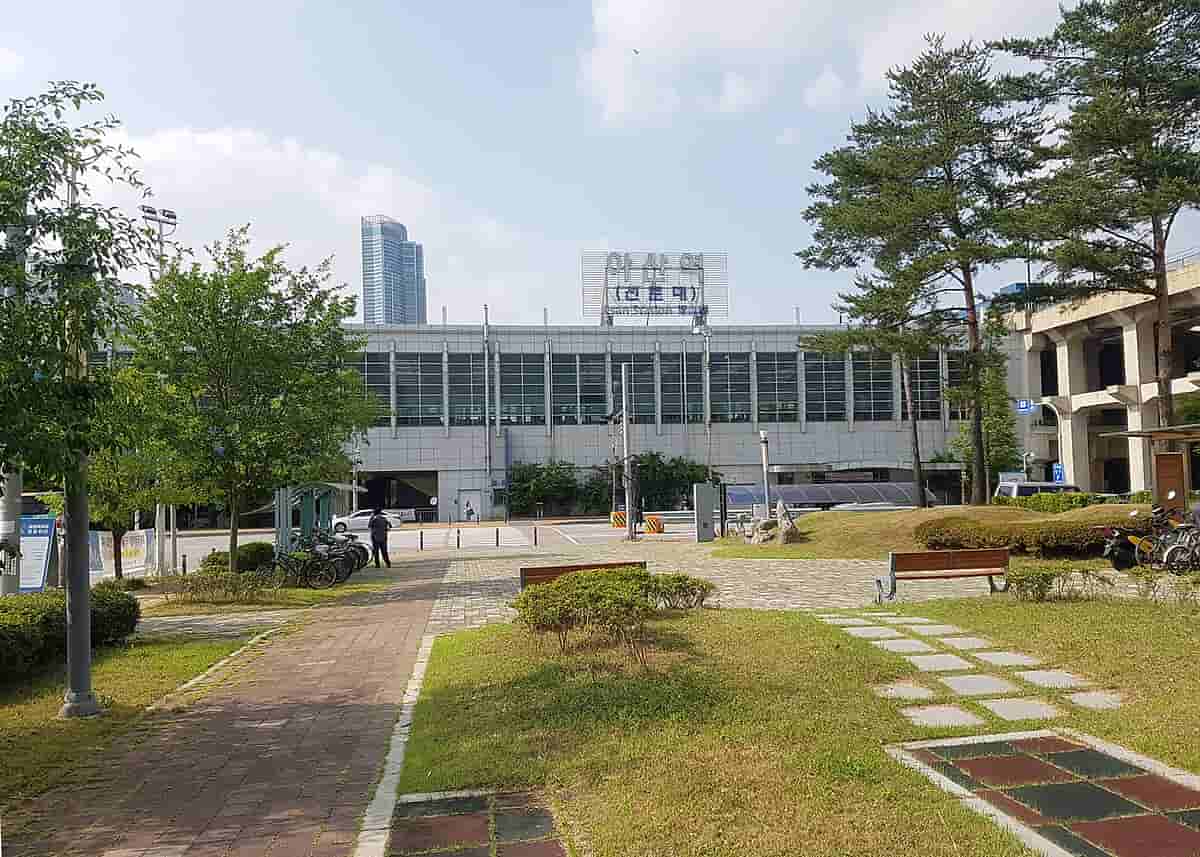
Asan Station
Major railway station with connections to Seoul.
Asan Gingko Tree Road
Picturesque road lined with ancient gingko trees.
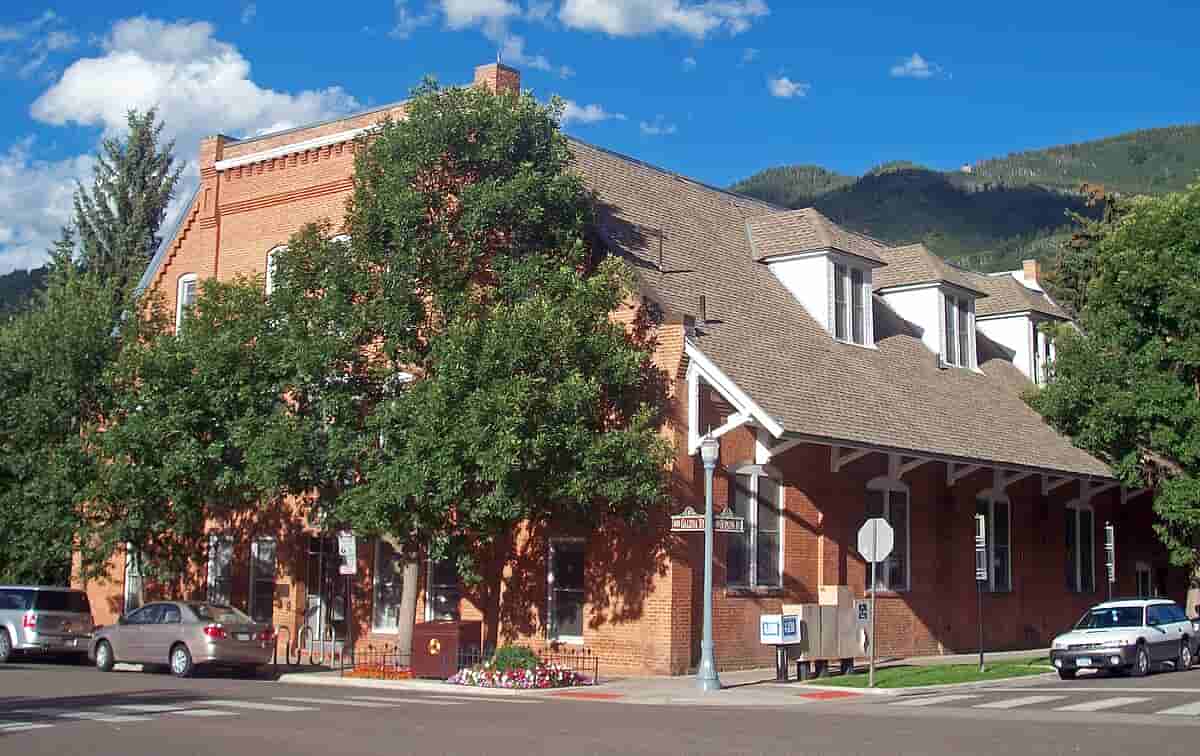
Asan City Hall
Central point for city services and events.
Asan Bay
Bay area with ecological parks and marine activities.
Gyeongbokgung Palace
Historic royal palace from the Joseon Dynasty in Seoul
Asan Spaworld
Large spa and wellness center with various pools and saunas.
🏘️ Neighborhoods
Onyyang Hot Springs
The historic heart of Asan, famed for its therapeutic mineral springs. Packed with spas, jjimjilbangs, traditional restaurants, and the bustling Onyang Market.
Asan Station Area
The modern transportation and commercial hub. Features convenient hotels, shopping streets, cafes, and easy access to KTX high-speed rail.
Downtown (City Hall)
The administrative and business center with government buildings, department stores, and a more urban feel. Well-connected by local buses.
Asan Bay Area
A serene, nature-focused district centered on the Ecological Park. Offers walking trails, birdwatching, and peaceful coastal scenery.
Hyeonchungsa Shrine Area
A tranquil, wooded area surrounding the sacred shrine of Admiral Yi Sun-sin. Offers historical immersion and peaceful walks in a forested setting.
Gingko Tree Road Area
A picturesque residential and scenic zone, famous for its beautiful tree-lined avenue, especially stunning in autumn. Close to cultural sites.
🍽️ Local Cuisine
Asan's cuisine is hearty and comforting, reflecting its agricultural and coastal setting. The undisputed signature dish is 'Onyyang ttaro-gukbap,' a unique soup made from beef bone broth, rice, and seasoned minced beef, traditionally eaten by mixing in various condiments—a must-try in the Onyang market area. Given its bay location, fresh seafood is abundant; try 'kkotge' (blue crab) dishes or grilled shellfish. 'Chueotang' (loach soup) is another local specialty known for its stamina-boosting properties. Dining culture is casual and communal. The Onyang Traditional Market is the epicenter for authentic street food and local restaurants, offering meals at very affordable prices (5,000-15,000 KRW). For a mid-range sit-down meal, expect to pay 15,000-30,000 KRW per person. Etiquette is standard Korean: wait to be seated, use both hands when receiving or giving items, and don't stick chopsticks upright in rice. Tipping is not customary.
💡 Local Tips
🚗 Day Trip Ideas
Cheonan
A larger neighboring city known for Independence Hall of Korea, a massive museum complex dedicated to Korean history and the independence movement.
Daejeon
South Korea's fifth-largest metropolis and a major science hub. Visit Daejeon Expo Park, science museums, and vibrant shopping districts.
Seosan Birdland & Haemieupseong Fortress
Explore the historic Haemieupseong Fortress and nearby coastal wetlands famous for migratory birds, especially in winter.
Buyeo
The ancient capital of the Baekje Kingdom, a UNESCO World Heritage site with royal tombs, temples, and a beautiful riverside park.
Seoul
The dynamic capital of South Korea. Easily accessible for a whirlwind day of palaces, markets, and modern culture.
Boryeong
Famous for its annual Mud Festival (July) and beautiful Daecheon Beach. Offers coastal fun and unique mud-based spa experiences.
🛡️ Safety Tips
Asan is an exceptionally safe city with low crime rates. Violent crime against tourists is rare. Standard precautions apply: be aware of your belongings in crowded places like Onyang Market or public transport. No specific tourist-targeted scams are prevalent, but always use licensed taxis or reputable ride-sharing apps. Areas to be cautious are generally limited to quiet, poorly lit streets at night. For health, tap water is safe to drink but most locals drink bottled or filtered water. Ensure you understand hot spring etiquette (shower before entering, no swimwear in gender-separated pools) to avoid causing offense. Emergency numbers are 112 for police and 119 for fire and medical services. English-speaking operators may be limited, so having your hotel's address written in Korean can be helpful. Overall, Asan is a very secure and welcoming destination for solo and family travelers alike.
💰 Budget Guide
Asan is a very affordable destination by South Korean standards. A budget traveler can manage on 50,000-70,000 KRW per day, staying in hostels or budget hotels (from 40,000 KRW), eating at markets and street stalls, and using public buses. Mid-range travelers spending 100,000-150,000 KRW per day can enjoy comfortable hotel stays (averaging around 100,000 KRW as per the city's average), dine at sit-down restaurants, take taxis occasionally, and visit paid attractions like Asan Spavis. A luxury budget of 250,000+ KRW per day covers premium spa resort accommodation, fine dining, private tours, and car rentals. Money-saving tips: purchase a T-money card for bus discounts, visit free attractions like the Ecological Park and Hyeonchungsa Shrine, enjoy the public foot baths in Onyang for free hot spring access, and eat at the traditional market for the cheapest and most authentic meals. Many museums have free or low-cost admission.