Welcome to Antequera
Nestled in the heart of Andalusia, Antequera is a captivating crossroads of history, nature, and culture. Often called the 'heart of Andalusia' for its central location between Málaga, Granada, Córdoba, and Seville, this city is a treasure trove waiting to be discovered. Its dramatic skyline, dominated by the formidable Alcazaba fortress and the spires of numerous churches, tells a story of Roman, Moorish, and Christian civilizations layered over millennia. Beyond the historic core, the landscape explodes into the surreal karst formations of El Torcal and the profound silence of the prehistoric Dolmens, UNESCO World Heritage Sites that anchor the region in deep time. With a welcoming atmosphere and a manageable scale, Antequera offers an authentic Andalusian experience without the overwhelming crowds of its more famous neighbors. Visitors will find a comfortable base among the city's 20 hotels, which offer an average nightly rate that makes exploring this rich destination surprisingly accessible for a recommended stay of at least one full day to absorb its wonders.
Overview
Antequera's history is written in stone. Its significance dates back to the Bronze Age, evidenced by the magnificent Dolmens of Menga, Viera, and El Romeral—colossal megalithic burial chambers that are among the most important in Europe. The Romans left their mark with the nearby city of Singilia Barba, but it was under Moorish rule that the city, then known as Medina Antaqira, flourished, leaving the iconic Alcazaba as its legacy. Reconquered in 1410, it became a frontier Christian city, resulting in a breathtaking concentration of Renaissance and Baroque churches, convents, and palaces. The city is famous for three things: its monumental heritage (earning it the nickname 'the city of churches'), its prehistoric sites, and the unique natural park of El Torcal, a labyrinth of limestone sculptures. Culturally, it's a place of deep-rooted traditions, from Holy Week processions to the summer fair. The main districts include the historic center around the Alcazaba and Plaza de San Sebastián, the modern commercial areas radiating outward, and the serene residential neighborhoods that blend seamlessly with the olive groves of the surrounding countryside.
🗓️ Best Time to Visit
The best times to visit Antequera are spring (April to June) and autumn (September to October). During these seasons, daytime temperatures are pleasantly warm (18-28°C / 64-82°F), ideal for exploring the outdoor archaeological sites and hiking in El Torcal, while the crowds are thinner than in peak summer. Summer (July-August) is the peak tourist season, characterized by intense heat often exceeding 35°C (95°F), making midday exploration challenging; however, evenings are lively with cultural events. Winter (December-February) is the off-peak season, cooler and quieter, with occasional rain, but it offers a cozy atmosphere and lower prices. Major events include the solemn and spectacular Holy Week (Semana Santa) processions in spring, the vibrant Real Feria de Agosto in late August with flamenco, bullfights, and festivities, and the Romeria de la Virgen de los Remedios in September. For comfortable sightseeing and hiking, the shoulder months provide the perfect balance.
🌤️ Weather & Climate
Antequera enjoys a Mediterranean climate with continental influences, resulting in hot, dry summers and cool, moderately wet winters. The city experiences significant temperature variations between day and night, especially in summer and winter.
Seasons
Spring
💨 Humidity: moderate
Pleasant and warm days, cool nights. Ideal for outdoor activities and sightseeing with blooming landscapes.
Summer
💨 Humidity: low
Hot and dry with intense sun. Nights are warm. Best for early morning or evening exploration.
Autumn
💨 Humidity: moderate
Warm start cooling to mild. Occasional rain increases in November. Perfect for hiking and cultural visits.
Winter
💨 Humidity: moderate to high
Cool and damp with occasional frosts. Sunny days are common but require a jacket. Quietest tourist season.
Monthly Weather Details
January Weather
Best for: cultural sightseeing, indoor museums
February Weather
Best for: cultural sightseeing, indoor museums
March Weather
Best for: hiking, sightseeing
April Weather
Best for: hiking, sightseeing, dolmens
May Weather
Best for: hiking, sightseeing, dolmens
June Weather
Best for: early hiking, evening sightseeing
July Weather
Best for: early morning activities, cultural events
August Weather
Best for: early morning activities, cultural events
September Weather
Best for: hiking, sightseeing, all activities
October Weather
Best for: hiking, sightseeing
November Weather
Best for: cultural sightseeing
December Weather
Best for: cultural sightseeing, holiday atmosphere
🎒 What to Pack
All Year Round
- comfortable walking shoes
- sunglasses
- sun hat
- reusable water bottle
🚗 Getting Around
Antequera is a highly walkable city, with its main historic attractions clustered in the center. Walking is the best way to appreciate the charming cobbled streets and hidden plazas. For attractions further out, like the Dolmens Site (a 20-minute walk from the center) or the bus station, local taxis are readily available and affordable. While there is a local bus network, it is primarily for residents commuting from outer districts; most tourists will not need it. Renting a car is highly recommended for maximum flexibility, especially for visiting El Torcal Natural Park (about 30 minutes drive) and for day trips. The city is well-connected by train (Antequera-Santa Ana station, with high-speed AVE services) and bus to major Andalusian cities. The nearest airports are Málaga-Costa del Sol (AGP), about a 45-minute drive, and Granada (GRX), about 1.5 hours away. Transfers can be arranged via taxi, pre-booked shuttle, or rental car.
🎯 Top Attractions
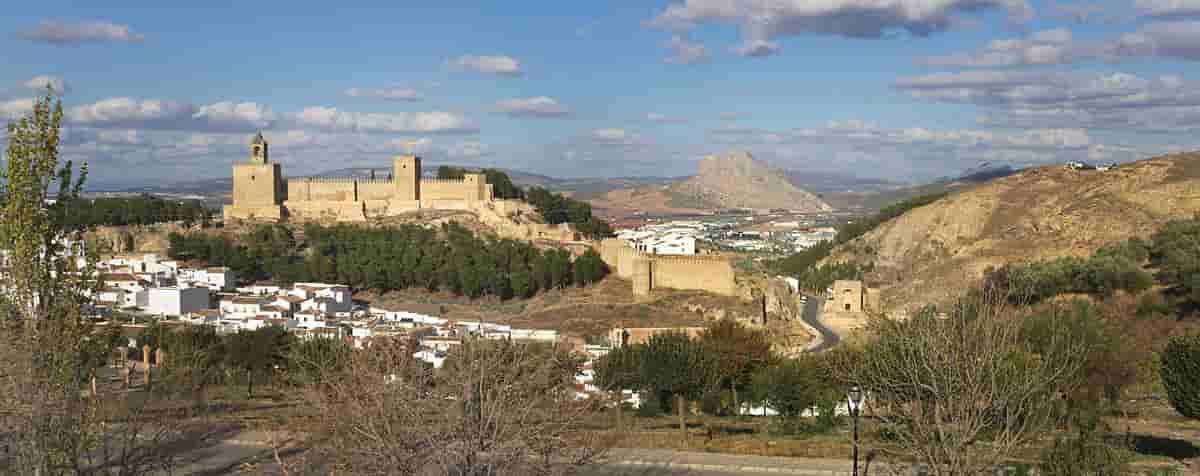
Alcazaba of Antequera
A magnificent Moorish fortress offering a journey through history and unparalleled panoramic views of the town and El Torcal.
Antequera Dolmens Site
An archaeological site featuring three well-preserved Neolithic dolmens, a testament to the advanced engineering of ancient civilizations.
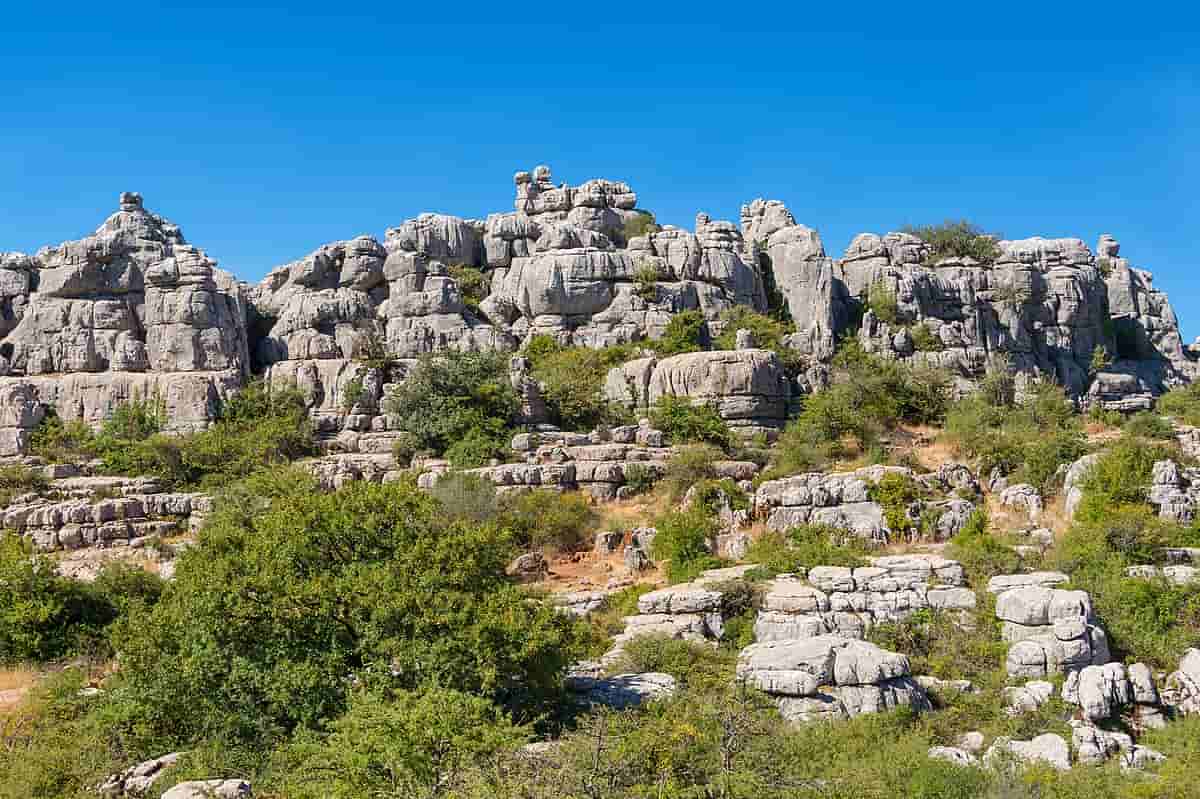
El Torcal de Antequera
A paradise for nature lovers and hikers, this unique natural reserve features some of the most impressive limestone landscapes in Europe.
Plaza de San Sebastián
The vibrant heart of Antequera, surrounded by beautiful churches, cafes, and the iconic Fuente de los Cuatro Delfines.
Antequera Archaeological Museum
A must-visit for history buffs, featuring artifacts from prehistoric to medieval periods.
Sierra de Aracena Natural Park
A picturesque mountain range ideal for hiking, birdwatching, and sunset vistas.
Maga de Antequera
A charming wine cellar offering guided tours and tastings of local vineyards.
Dolmens of Antequera
A UNESCO World Heritage site featuring megalithic burial mounds from the Bronze Age, among Europe's most important.
El Torcal Natural Park
A stunning karst landscape with unique rock formations, hiking trails, and opportunities to spot diverse wildlife.
Antequera Bullring
A historic and architecturally significant bullring located in the heart of the city, often hosting cultural events.
Royal Collegiate Church of Santa María
A beautiful 16th-century Renaissance church, one of the most important architectural landmarks in Antequera.
Museo de la Ciudad de Antequera
The city museum housed in an 18th-century palace, showcasing Antequera's rich history from prehistoric to modern times.
🏘️ Neighborhoods
Historic Center (Centro Histórico)
The heart of Antequera, winding around the Alcazaba. Packed with churches, convents, noble houses, and museums. Cobbled streets and intimate plazas define this area.
Around Plaza de San Sebastián
A bustling hub just below the Alcazaba. Home to the town hall, tourist office, and several cafes with terraces. A central point for orientation and people-watching.
San Juan / La Paz
Residential areas to the east of the center, quieter but within walking distance. Offer local atmosphere, some guesthouses, and views of the city's monumental skyline.
East Antequera (Zona Este)
A more modern, expanding area with newer housing developments, larger supermarkets, and the main hospital. Connected by car or bus to the center.
Near the Dolmens Site
A suburban area close to the UNESCO World Heritage Site. Offers some hotels and easier access to the megaliths, but requires a walk or drive to the main historic center.
Commercial Periphery
Areas along the main ring roads (A-343, A-45). Feature shopping centers, large chain hotels, car dealerships, and easy highway access for day trips.
🍽️ Local Cuisine
Antequera's cuisine is hearty, traditional, and deeply satisfying. The city's most famous export is *mantecados*, crumbly almond shortbread cookies, and *bienmesabe*, a sweet almond paste. For savory dishes, you must try *porra antequerana*, a thicker, richer cousin to gazpacho, often topped with jamón and hard-boiled egg. *Mollete* is a soft, round bread roll from Antequera, typically served for breakfast with olive oil, tomato, and ham. Meat dishes are robust, featuring game and lamb. Dining culture is social and relaxed, with lunch (*comida*) being the main meal, often taken late (2-4 PM). Dinner is lighter and later (9-11 PM). For an authentic experience, head to the bars around Plaza de las Descalzas or Calle Calzada for tapas. Price ranges are very reasonable: a tapas plate can cost €3-5, a menú del día €10-15, and a fine dining meal €30-50 per person. Etiquette is informal; a simple 'gracias' goes a long way.
💡 Local Tips
🚗 Day Trip Ideas
Málaga
Vibrant coastal city boasting the Picasso Museum, a stunning cathedral, the Alcazaba fortress, and a lively port area.
Granada
Home to the magnificent Alhambra palace and Generalife gardens, a UNESCO masterpiece of Moorish architecture.
Córdoba
Famous for the breathtaking Mezquita-Catedral, a unique mosque-cathedral, and the charming flower-filled patios of the Jewish Quarter.
Ronda
Dramatic mountaintop town perched above the El Tajo gorge, famous for its iconic Puente Nuevo bridge and bullring.
El Caminito del Rey
Once 'world's most dangerous path,' now a safe but thrilling cliffside walkway through stunning gorges near Ardales.
Sierra de las Nieves Natural Park
A UNESCO Biosphere Reserve with rugged mountains, deep ravines, and Spain's southernmost pinsapo (Spanish fir) forests. Great for hiking.
🛡️ Safety Tips
Antequera is generally a very safe city with low crime rates. Violent crime against tourists is extremely rare. Standard precautions apply: be aware of your belongings in crowded areas like markets or bus stations to guard against petty pickpocketing, which is the most common issue. There are no specific high-risk areas, but as in any town, it's wise to be cautious in quieter, poorly lit streets at night. Emergency services can be reached by dialing 112 for all emergencies. For non-urgent police matters, the local National Police can assist. Health recommendations include using sun protection year-round due to the strong Andalusian sun, especially when hiking in El Torcal. Tap water is safe to drink. Ensure you have a valid European Health Insurance Card (EHIC) or equivalent travel insurance.
💰 Budget Guide
Antequera is an excellent value destination. A budget traveler can manage on €40-60 per day: staying in hostels or budget guesthouses (€25-40), enjoying menús del día (€10-12) and tapas, using walking and occasional taxis, and visiting free attractions like walking the historic center or hiking in El Torcal. Mid-range travelers (€80-120 per day) can enjoy comfortable 3-star hotels (averaging around €77/night), nicer restaurant meals, paid museum entries (€3-6 each), and car rental for day trips. Luxury travel (€150+ per day) includes boutique hotels or historic paradors, fine dining, private guides for the Dolmens or Alcazaba, and spa treatments. Money-saving tips: visit museums on free entry days (often Sunday afternoons), enjoy the free natural attractions, drink house wine or local beer, and take advantage of the generous tapas culture where a drink often comes with a free small plate of food.