Welcome to Ansan-si
Nestled along the Yellow Sea coast in Gyeonggi Province, Ansan-si is South Korea's vibrant 'City of Multiculturalism,' a dynamic urban center where industrial prowess meets stunning natural beauty. Often overshadowed by its colossal neighbor Seoul, Ansan carves out its own unique identity as a hub for international communities and a gateway to the serene western islands. The city surprises visitors with its contrasting landscapes, from the expansive reed beds and tranquil lakes of Sihwa to the rugged, windswept shores of Daebudo Island. This blend creates a destination perfect for those seeking authentic Korean life beyond the typical tourist trail, offering everything from bustling traditional markets to peaceful ecological parks. With a robust infrastructure catering to both business and leisure, the city provides a comfortable base with a wide range of accommodations, including 173 hotels that offer an average nightly rate attractive to budget-conscious and mid-range travelers alike. Whether you're here to explore its rich cultural tapestry, indulge in diverse global cuisines, or simply breathe in the salty sea air, Ansan promises a rewarding and unexpectedly charming Korean experience.
Overview
Ansan's history is deeply intertwined with South Korea's rapid industrialization. Originally a collection of small fishing and farming villages, it was designated a planned city in the 1980s to support the burgeoning industrial complexes of the surrounding region, such as the Banwol and Sihwa Industrial Parks. This development attracted a massive influx of workers, including a significant number of migrants from across Asia, which forged Ansan's defining characteristic: its remarkable multiculturalism. Today, neighborhoods are alive with the languages, restaurants, and festivals of communities from China, Vietnam, Uzbekistan, the Philippines, and beyond. The city is administratively famous for encompassing several inhabited islands, most notably Daebudo (Daebu Island), which is connected by a series of bridges. Ansan is celebrated for its ecological treasures, including the massive Ansan Reed Wetland Park—a vital stop for migratory birds—and the man-made Sihwa Lake, now a popular watersports venue. It's a city of juxtaposition, where the hum of industry coexists with serene wetlands, where a K-League soccer stadium sits near quiet marinas, and where traditional Korean markets buzz alongside international food streets.
🗓️ Best Time to Visit
The best times to visit Ansan are during the mild and colorful seasons of spring (April to early June) and autumn (September to November). Spring brings comfortable temperatures, blooming cherry blossoms at Ansan Lake Park, and the vibrant Ansan Street Arts Festival. Autumn offers crisp, sunny days with stunning foliage, particularly around the reed wetlands, and is perfect for hiking and coastal walks. Summer (July-August) is hot, humid, and rainy due to the monsoon (jangma), but it's the peak season for Daebudo Beach and its seafood festivals. While the beach is lively, be prepared for sudden downpours and high humidity. Winter (December-February) is cold and dry, with occasional snowfall. It's the off-peak season, offering lower hotel rates, but many outdoor attractions are less appealing, though the reed beds take on a stark, beautiful wintery hue. Major events are spread throughout the year: spring and fall cultural festivals, summer beach events, and the Ansan Valley Rock Festival in July, one of Korea's largest music festivals, held just outside the city in nearby Gwangju.
🌤️ Weather & Climate
Ansan experiences a temperate climate with four distinct seasons, influenced by its coastal location. Summers are hot, humid, and rainy, while winters are cold and dry with occasional snow. Spring and autumn are generally mild and pleasant.
Seasons
Spring
💨 Humidity: moderate
Mild and gradually warming. Cherry blossoms bloom in April. A great time for outdoor sightseeing and festivals.
Summer
💨 Humidity: high
Hot, humid, and wet. The monsoon (jangma) peaks in July. Beach season but prepare for heavy rain and humidity.
Autumn
💨 Humidity: moderate
Crisp, cool, and sunny. Foliage is beautiful, especially in wetlands. Ideal for hiking and outdoor activities.
Winter
💨 Humidity: low
Cold and dry with biting winds, especially near the coast. Occasional snowfall. Bundle up for outdoor visits.
Monthly Weather Details
January Weather
Best for: indoor cultural activities, market visits
February Weather
Best for: indoor cultural activities, market visits
March Weather
Best for: early spring walks, park visits
April Weather
Best for: cherry blossom viewing, sightseeing
May Weather
Best for: festivals, outdoor activities
June Weather
Best for: coastal visits before peak rain
July Weather
Best for: beach activities (rain-ready), rock festival
August Weather
Best for: beach activities, seafood festivals
September Weather
Best for: hiking, wetland exploration
October Weather
Best for: foliage viewing, outdoor sightseeing
November Weather
Best for: cultural visits, park walks
December Weather
Best for: indoor markets, museum visits
🎒 What to Pack
All Year Round
- comfortable walking shoes
- power adapter
- portable umbrella/raincoat
🚗 Getting Around
Ansan is exceptionally well-connected by public transportation. The backbone is the Seoul Metropolitan Subway: Line 4 (the Ansan Line) runs directly from Seoul to Ansan Station, the city's main hub, and continues to Oido Station near the coast. The Seohae Line also services the western parts of the city. Buses are comprehensive, covering all districts and islands, including Daebudo. For Daebudo, taking a public bus from Gojan or Ansan Station across the bridges is the most economical method. Taxis are plentiful and relatively inexpensive compared to Seoul; Kakao T is the dominant ride-hailing app. For exploring specific areas like the Street Art Alley or Wongok Market, walking is ideal. Biking is a fantastic option, especially along the extensive paths of Sihwa Lake and Ansan Lake Park, with rental stations available. Incheon International Airport (ICN) is the closest major airport, about a 60-90 minute drive depending on traffic. The most straightforward transfer is via airport limousine bus or taxi; a subway transfer (AREX to Seoul Station, then Line 4 to Ansan) is cheaper but takes over 90 minutes. Average costs: Subway fare starts at around 1,400 KRW, bus fares are similar, and a taxi across the city might cost 15,000-25,000 KRW.
🎯 Top Attractions
Daebudo Beach
A peaceful beach ideal for relaxation and water activities, with clean sands and clear waters.
Daebudo Ecological Park
Park with wetlands and bird-watching opportunities.
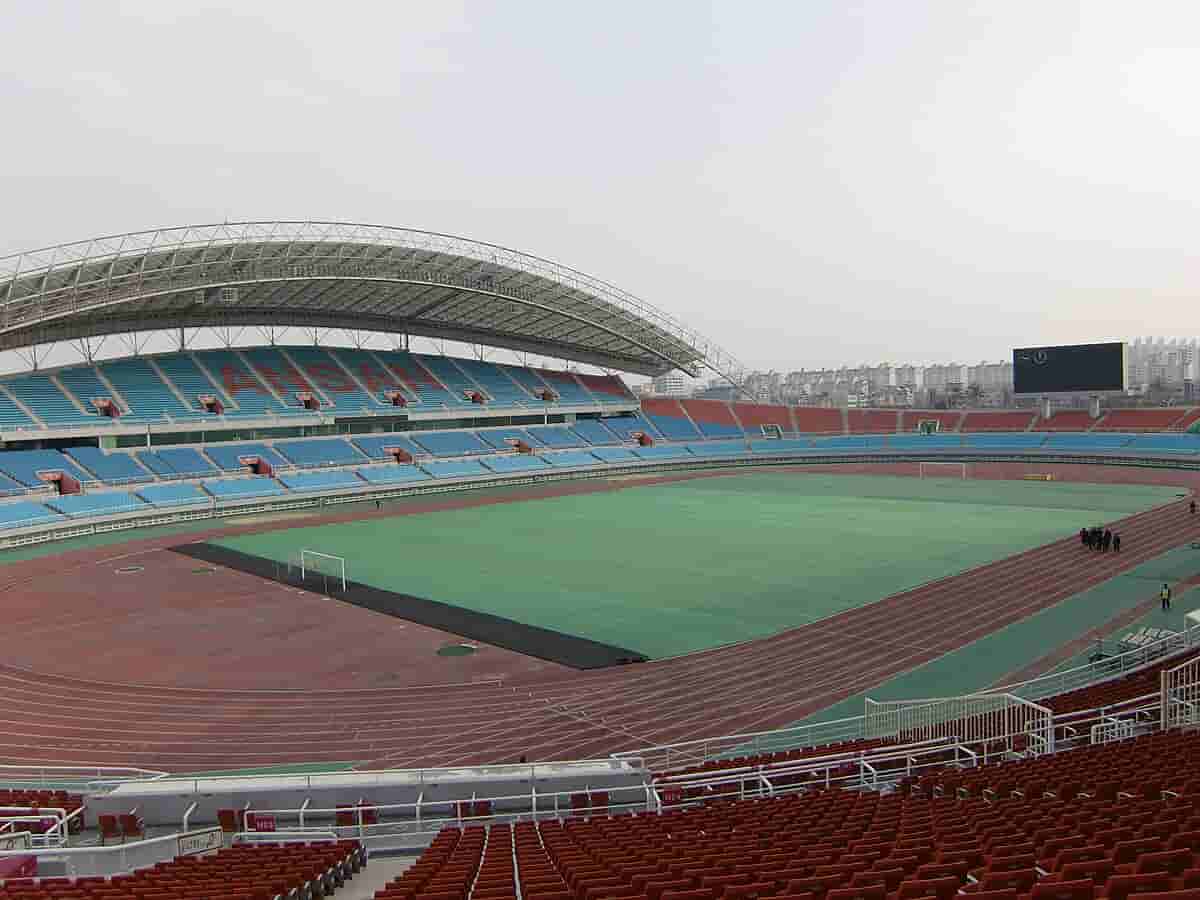
Ansan Wa~ Stadium
Multi-purpose stadium hosting sports events and concerts, with a unique wave-like design.
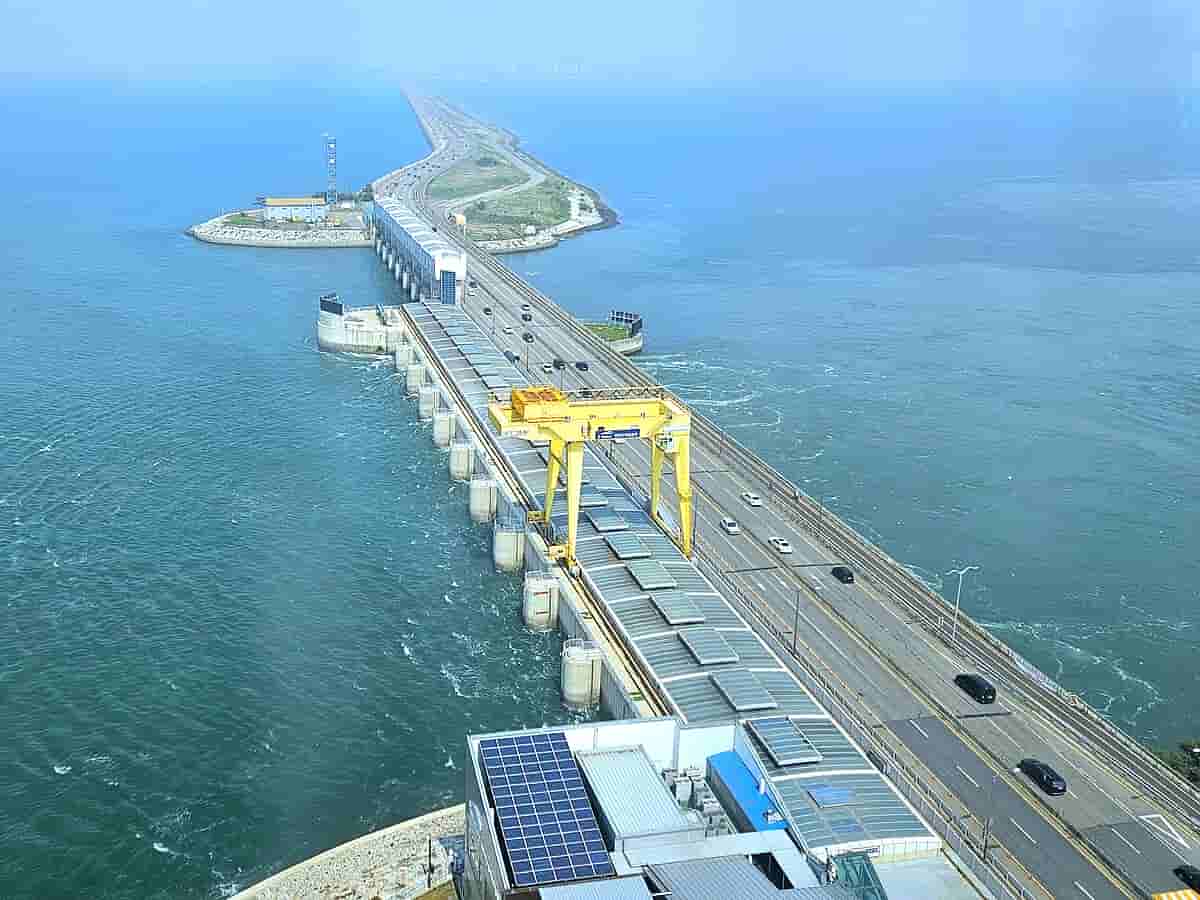
Sihwa Lake
A large artificial lake surrounded by parks and cycling paths, popular for outdoor recreation.
Ansan Reed Wetland Park
A ecological park with reed beds, walking trails, and birdwatching opportunities.
Ansan Lake Park
A large park surrounding a lake, popular for walking, cycling, and festivals.
Ansan Street Art Alley
A colorful alley filled with murals and artistic installations.
Wongok Central Market
A bustling multi-cultural market reflecting Ansan's diverse community.
Ansan Cultural Center
A venue hosting various cultural performances, exhibitions, and events.
Hwarang Recreation Area
A recreational complex with sports facilities, pools, and green spaces.
Daebudo Coastal Walkway
A scenic path along the coastline offering views of the sea and nearby islands.
Seongam Park
A coastal park with walking trails, a lighthouse, and observation decks.
🏘️ Neighborhoods
Ansan Station Area
The bustling downtown and transport hub of the city. Packed with department stores, mid-range hotels, and a wide variety of restaurants and cafes.
Wongok-dong (Multicultural Town)
The vibrant heart of Ansan's international community. Streets are lined with authentic restaurants, grocery stores, and markets from across Asia.
Daebudo Island
A scenic island connected by bridge, known for its beaches, seafood restaurants, coastal walks, and relaxed, resort-like atmosphere.
Sangnoksu / Gojan Area
A major university district surrounding Hanyang University ERICA campus. Lively with student-friendly cafes, bars, affordable eateries, and shopping streets.
Sihwa Lakefront
A modern area focused on recreation around the massive Sihwa Lake. Features bike paths, watersports facilities, parks, and newer apartment complexes.
Seongpo-dong
A central residential and commercial district home to the Ansan Cultural Center and close to Ansan Wa~ Stadium and Lake Park. Offers a local living feel.
🍽️ Local Cuisine
Ansan's cuisine is a thrilling reflection of its multicultural soul. While you can find classic Korean dishes like succulent galbi (marinated grilled ribs) and hearty stews, the real adventure lies in its international food streets, particularly in Wongok-dong and Daebu-dong. Must-try Korean specialties include fresh hoe (sashimi) from Daebudo, especially gul (oyster) and jogi (yellow croaker). The Ansan Reed Wetland area is known for dishes incorporating minari (water dropwort). However, the city shines with its authentic, affordable global fare: hand-pulled Chinese noodles, Uzbek plov (pilaf), Vietnamese pho, and Filipino adobo. Wongok Central Market is the epicenter for food exploration, with stalls serving everything from Korean pancakes to exotic street snacks. Dining culture is casual and communal. Price ranges are very reasonable: a meal at a local Korean or migrant-run restaurant can cost 8,000-15,000 KRW, while market street food is 2,000-5,000 KRW per item. Etiquette follows general Korean norms: wait to be seated, use both hands when receiving/giving items, and don't tip. In multicultural eateries, observe and follow the lead of the staff.
💡 Local Tips
🚗 Day Trip Ideas
Seoul
South Korea's dynamic capital. Explore palaces, trendy districts like Hongdae, and world-class museums.
Suwon
Famous for the magnificent Hwaseong Fortress, a UNESCO World Heritage site, and delicious galbi (ribs).
Incheon
Visit Chinatown, Songdo Central Park, and the futuristic Songdo International Business District.
Hwaseong Wetlands (Gunpo)
A serene ecological park with walking trails and bird-watching opportunities, part of the larger Anyang Stream project.
Pyeongtaek
Home to the expansive Camp Humphreys area and a growing international community with diverse dining options.
Seoul Grand Park (Gwacheon)
A massive park complex containing a zoo, botanical garden, Seoul Land amusement park, and National Museum of Modern and Contemporary Art.
🛡️ Safety Tips
Ansan is generally a very safe city with low violent crime rates. Standard urban precautions apply: be mindful of your belongings in crowded areas like Wongok Market and on public transport. Scams are rare, but always confirm taxi fares or use the meter. The main areas for caution are typical of any city: quieter streets late at night and around entertainment districts after hours. As a multicultural hub, it's a welcoming place for foreign visitors. Emergency numbers are 112 for police and 119 for fire/medical. For non-emergency translation or help, the tourist information line (1330) is invaluable. Health-wise, tap water is safe but most locals drink bottled or filtered water. Medical facilities are excellent; major hospitals have international clinics. No special vaccinations are required. During summer, protect against mosquitoes, especially in wetland areas.
💰 Budget Guide
Ansan is an affordable destination, especially compared to Seoul. Budget travelers can manage on 50,000-70,000 KRW per day: a hostel or budget hotel (40,000-60,000 KRW), meals from markets or casual eateries (20,000 KRW), and public transport (5,000 KRW). Mid-range travelers spending 100,000-150,000 KRW daily can enjoy comfortable hotels (80,000-120,000 KRW), sit-down meals at nice restaurants, taxi trips, and paid attractions. Luxury at 200,000+ KRW per day covers premium hotels, fine dining, private tours, and car rentals. Money-saving tips: Utilize the efficient subway and bus system, eat at Wongok Market or multicultural food streets for incredible value, visit free attractions like the reed wetlands and Street Art Alley, and consider visiting in the winter off-peak for lower accommodation rates. Many parks and cultural centers offer free admission. Purchasing a T-money card streamlines transport and offers small fare discounts.