Welcome to Andong-si
Nestled in the mountainous heart of Gyeongsangbuk-do, Andong-si is not merely a city but a living, breathing portal to the soul of traditional Korea. Often hailed as the 'Capital of Korean Spiritual Culture,' Andong is a serene counterpoint to the frenetic energy of Seoul, a place where Confucian scholars once walked and where age-old customs are not just remembered but actively practiced. The city is beautifully split by the Nakdong River, with the iconic Woryeonggyo Bridge—a stunning wooden footbridge—serving as a symbolic and physical link between its modern downtown and its historic treasures. While the UNESCO-listed Hahoe Folk Village is its crown jewel, Andong's allure extends to its fiery soju, mesmerizing mask dances, and a profound sense of heritage that permeates the air. With a welcoming infrastructure that includes 93 hotels catering to every style, from traditional hanok stays to modern accommodations averaging around $95 a night, Andong invites you to step back in time without sacrificing comfort. A recommended stay of one to two days allows you to absorb its timeless essence, though many find themselves wishing for just one more day in this captivating cultural sanctuary.
Overview
Andong's history as a center of Korean Confucianism and aristocratic yangban culture dates back over a thousand years, shaping its identity as a guardian of tradition. The city gained prominence during the Joseon Dynasty (1392–1910) as a hub for scholarly families and Confucian academies, known as seowon, several of which are now UNESCO World Heritage sites. This scholarly heritage is palpable throughout the region. Andong is globally famous for two things: the Hahoe Folk Village, a perfectly preserved clan village from the Joseon era where descendants still live, and Andong Soju, a distinctively strong and traditional Korean spirit. The city also hosts the renowned Andong International Mask Dance Festival, a vibrant celebration that draws performers from around the world. Geographically, the city center is a functional modern area with government offices, markets, and the majority of its 93 hotels, while the surrounding countryside and riverbanks are dotted with historic sites, temples like Bongjeongsa, and scenic parks. Andong's culture is one of dignified preservation, where mask dance dramas (Hahoe Byeolsingut Talnori) critique social classes and ancestral rites (Jesa) are still meticulously observed, offering visitors an authentic glimpse into Korea's philosophical and artistic past.
🗓️ Best Time to Visit
The best times to visit Andong are during the pleasant spring (April to early June) and crisp autumn (September to October) months. Spring brings mild temperatures, blooming cherry blossoms at Andong Rose Park (which features many other flowers), and lush greenery, perfect for exploring outdoor folk villages and temples. Autumn is arguably the peak season, with brilliant fall foliage providing a stunning backdrop to the historic sites and comfortable hiking weather. The major event is the Andong International Mask Dance Festival, typically held in late September or early October, which transforms the city with parades, performances, and cultural excitement—book accommodations well in advance. Summer (July-August) is hot, humid, and rainy, though it's the greenest season. Winter (December-February) is cold and dry, with occasional snow adding a serene, quiet beauty to the folk villages, but some attractions may have reduced hours. Off-peak seasons (deep winter and peak summer) offer fewer crowds and potentially lower hotel rates, but the ideal balance of weather and festivals lies in the shoulder seasons of spring and fall.
🌤️ Weather & Climate
Andong experiences a temperate continental climate with four distinct seasons. Winters are cold and dry, while summers are hot, humid, and rainy due to the East Asian monsoon.
Seasons
Spring
💨 Humidity: moderate
Mild and pleasant with blooming flowers. Perfect for outdoor sightseeing and festivals.
Summer
💨 Humidity: high
Hot, humid, and rainy, especially in July. Afternoons can be uncomfortable, but landscapes are lush and green.
Autumn
💨 Humidity: low
Crisp, cool, and sunny with spectacular fall foliage. The most popular and picturesque season to visit.
Winter
💨 Humidity: low
Cold and dry with occasional snow. Can be bitterly cold, but offers serene, crowd-free visits to historic sites.
Monthly Weather Details
January Weather
Best for: indoor museums, serene folk village visits
February Weather
Best for: indoor museums, serene folk village visits
March Weather
Best for: early spring walks, temple visits
April Weather
Best for: sightseeing, cherry blossoms, hiking
May Weather
Best for: sightseeing, hiking, outdoor activities
June Weather
Best for: lush greenery, indoor soju museum
July Weather
Best for: monsoon season, indoor attractions
August Weather
Best for: hot weather activities, river views
September Weather
Best for: mask dance festival, comfortable sightseeing
October Weather
Best for: fall foliage, hiking, photography
November Weather
Best for: late autumn scenery, cultural sites
December Weather
Best for: winter landscapes, historic tours
🎒 What to Pack
All Year Round
- comfortable walking shoes
- power adapter
- personal toiletries
🚗 Getting Around
Andong is a spread-out city where attractions are dispersed, so a mix of transportation is key. The city bus network is extensive and affordable (around 1,300 KRW per ride), connecting the downtown area with major sites like the Andong Folk Museum and Woryeonggyo Bridge. However, reaching more remote treasures like Hahoe Folk Village or Bongjeongsa Temple often requires a taxi or tour bus. Taxis are plentiful and reasonably priced; a 20-minute ride across town may cost 15,000-20,000 KRW. Ride-sharing apps like Kakao T are widely used. For Hahoe Village, a local bus (#46) runs from Andong Station, but schedules can be infrequent, making a taxi or organized tour a more time-efficient choice. Renting a car provides maximum flexibility for exploring the countryside and multiple seowon, with rental agencies available near the train station. Andong has no subway system. The city center itself is walkable, and the riverside paths are lovely for strolls. Andong Station is the main rail hub, with regular trains from Seoul (approx. 3.5 hours), and the nearest major airport is in Daegu, about 90 minutes away by bus or taxi.
🎯 Top Attractions
Andong Hahoe Folk Village
A UNESCO World Heritage site preserving traditional Korean clan village architecture and culture.
Woryeonggyo Bridge
The longest wooden bridge in Korea, beautifully lit at night over the Nakdong River.
Andong Soju Museum
A museum dedicated to the history and production of Korea's famous Andong soju.
Andong Rose Park
Park featuring various rose species and festivals
Andong Folk Museum
Displays artifacts and exhibits on local folk traditions and history.
Bongjeongsa Temple
Ancient Buddhist temple with serene surroundings and historic architecture.
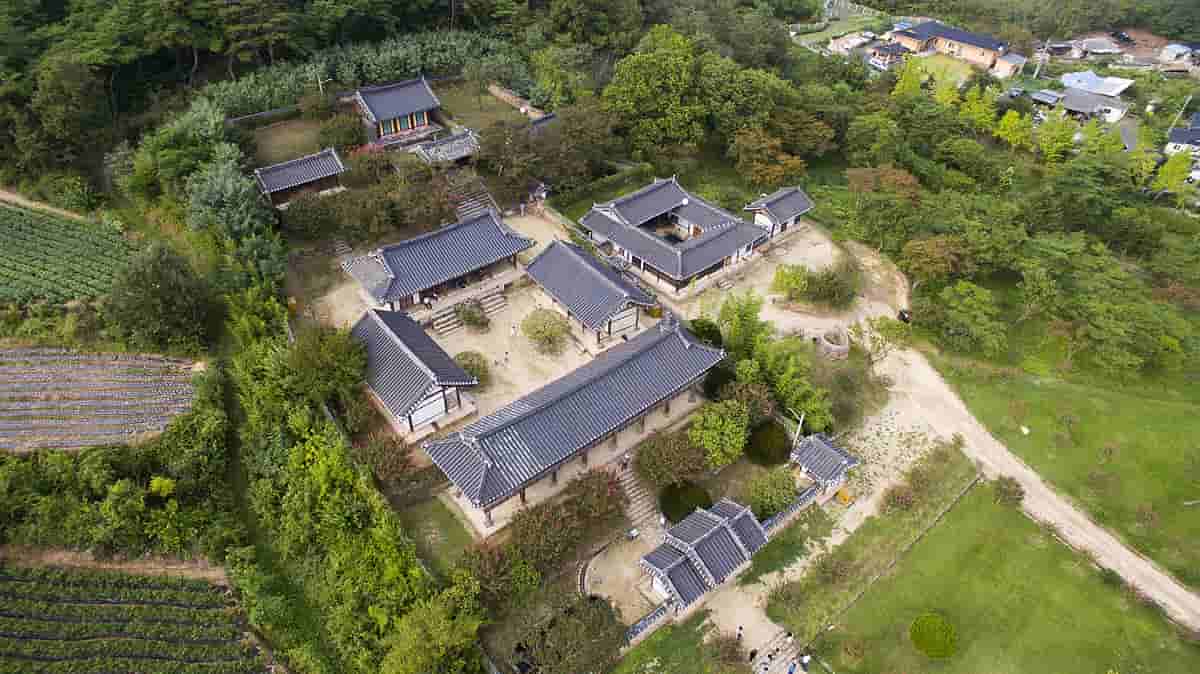
Byeongsan Seowon
Historic Confucian academy surrounded by peaceful landscapes.
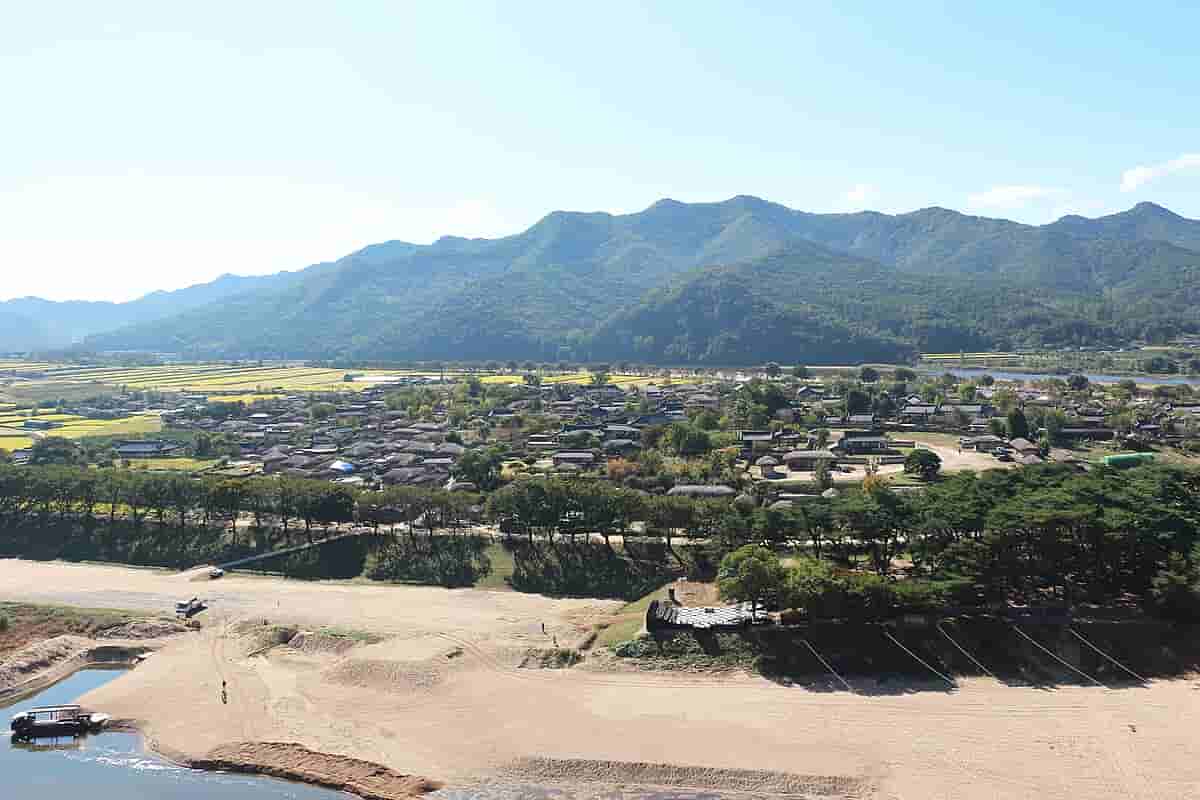
Hahoe Folk Village
A UNESCO World Heritage site showcasing traditional Korean clan village architecture.
Byeongsan Seowon Confucian Academy
Historic academy set in a serene mountain landscape.
Andong Mask Dance Festival Site
Cultural festival venue showcasing traditional mask dances
Andong Night Market
Evening market with street food and local crafts.
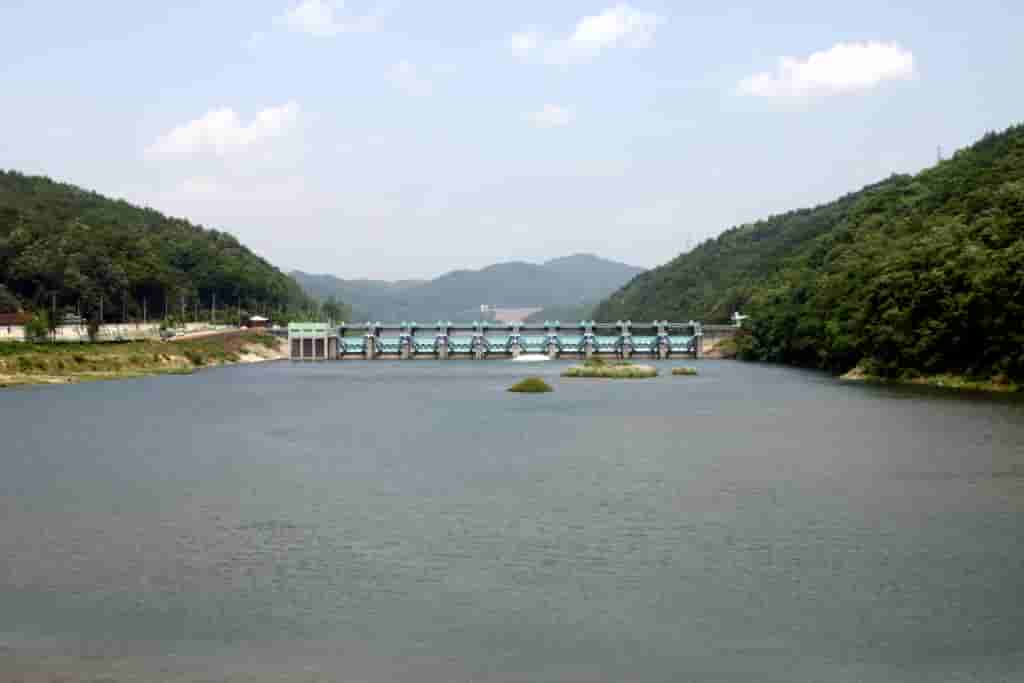
Andong Dam
Large dam with recreational areas and water activities
🏘️ Neighborhoods
Downtown (Jungang-dong/Siheung-dong)
The modern heart of Andong, centered around the train station and bus terminal. This area has the highest concentration of the city's 93 hotels, restaurants, and shops, serving as the main transport and commercial hub.
Hahoe Folk Village Area
A UNESCO World Heritage site and a living museum. This is not a typical neighborhood but a preserved historic village where you can stay in traditional hanok guesthouses and experience Joseon-era life first-hand.
Riverside (Near Woryeonggyo Bridge)
The scenic area along the Nakdong River, featuring the iconic wooden footbridge, parks, and walking paths. It's peaceful and offers beautiful views, especially at sunset and when lit at night.
Andong Gu Market Area
The bustling traditional market district, full of local flavor, street food vendors, and shops selling local produce and specialties like Andong Soju. It's lively during the day and offers authentic local dining.
Bongjeongsa Temple Area
A serene, mountainous area on the outskirts hosting one of Korea's oldest wooden buildings. The surroundings are quiet and forested, ideal for temple stays and meditation retreats.
Byeongsan Seowon & Dosan Seowon Vicinity
The countryside areas surrounding the historic Confucian academies. These are rural, educational landscapes that offer deep historical insight and peaceful natural surroundings.
🍽️ Local Cuisine
Andong's cuisine is hearty, historic, and unforgettable. The undisputed king is Andong Jjimdak, a savory braised chicken dish stewed with glass noodles, vegetables, and a sweet-soy sauce, typically served family-style in a large platter. Equally iconic is Heotjesabap, a ceremonial 'fake' scholar's meal of bibimbap served with soy sauce instead of gochujang, accompanied by numerous side dishes. Of course, no visit is complete without sampling Andong Soju, a clear, potent spirit (often around 45% ABV) with a distinct aroma, traditionally distilled from rice and nuruk. For a unique experience, try Andong Gangodeungeo, salted mackerel grilled over pine needles. Dining is often communal and relaxed. The Andong Gu Market and the streets near the train station are excellent for finding authentic, affordable jjimdak restaurants. Meal prices range from 10,000 KRW for a simple bowl of noodles to 30,000-50,000 KRW for a shared plate of Jjimdak. Etiquette is standard Korean: wait for elders to eat first, use spoons for rice, and never pour your own drink when sampling soju—someone else should do it for you.
💡 Local Tips
🚗 Day Trip Ideas
Gyeongju
The ancient capital of the Silla Kingdom, packed with UNESCO World Heritage sites like Bulguksa Temple and the Daereungwon Tomb Complex.
Daegu
A vibrant metropolitan city known for its textile market, modern attractions, and as a gateway to Andong with an international airport.
Yeongju & Sobaeksan National Park
Visit the historic Buseoksa Temple in Yeongju and then hike in the beautiful Sobaeksan National Park for stunning mountain scenery.
Mungyeong
Explore the Mungyeong Saejae Pass, a historic mountain pass with gates, and the Ceramic Museum in a region famous for its pottery.
Uiseong & Gunwi
A less-traveled region offering the serene Daewonsa Temple and the fascinating Gunwi Grotto (Gunwi Seokguram), a smaller cousin to Gyeongju's Seokguram.
🛡️ Safety Tips
Andong is an exceptionally safe city with very low crime rates. Violent crime against tourists is extremely rare. Standard precautions apply: keep valuables secure, be aware of your surroundings in crowded markets, and use hotel safes. There are no specific tourist-targeted scams, but always confirm taxi fares or use the meter. Some rural roads near attractions may be poorly lit at night; exercise caution if walking. The main health recommendation is to be prepared for the seasonal extremes—stay hydrated in summer and bundled up in winter to avoid heatstroke or hypothermia during extensive outdoor exploration. Tap water is generally safe but most locals drink bottled or filtered water. Emergency numbers are 112 for police and 119 for fire and medical services. English may not be widely spoken by emergency operators, so having your hotel's address written in Korean or using a translation app is advised. Overall, Andong offers a peaceful and secure environment for travelers.
💰 Budget Guide
Andong can suit various budgets, though it's not as cheap as some rural areas due to its tourist appeal. A budget traveler can manage on 50,000-70,000 KRW per day by staying in hostels or budget hotels (from 40,000 KRW), eating at markets and casual local eateries, and using public buses. Mid-range travelers spending 100,000-150,000 KRW daily can enjoy comfortable hotels (around the 95,000 KRW average), nice restaurant meals including Andong Jjimdak, taxi trips to key sites, and entrance fees to major attractions. A luxury budget of 250,000 KRW+ allows for hanok stays or upscale hotels, private tours, fine dining, and car rentals. Key costs: Hahoe Folk Village entrance ~3,000 KRW, taxi to Hahoe from downtown ~25,000 KRW one-way, a shared Jjimdak meal ~30,000-40,000 KRW. Money-saving tips: Purchase a combined ticket for multiple folk sites, visit free attractions like Woryeonggyo Bridge and Andong Rose Park, eat at the Andong Gu Market, and use intercity buses instead of taxis for longer trips. Traveling in a group can significantly reduce per-person costs for food and transport.