Welcome to Acapulco
Acapulco, the legendary Pacific jewel of Guerrero, Mexico, is a city where golden sunsets meet a vibrant, unapologetic spirit. Nestled within a spectacular bay framed by lush mountains, this destination has evolved from a glamorous mid-century Hollywood playground into a multifaceted resort offering authentic Mexican charm alongside modern comforts. Its iconic silhouette, defined by the La Quebrada cliffs and the sweeping curve of Acapulco Bay, promises an intoxicating blend of natural beauty, adrenaline, and relaxation. With approximately 80 hotels dotting its coastline and hillsides, ranging from nostalgic boutique properties to sprawling all-inclusive resorts, finding your perfect base is effortless, with an average stay costing around $77 a night. Whether you're here to witness the death-defying cliff divers, soak up the sun on Playa Condesa, or simply savor fresh ceviche with your toes in the sand, Acapulco delivers a potent dose of coastal magic that lingers long after you leave.
Overview
Acapulco's history is as deep as its bay, having served as a crucial trading port between Manila and the Spanish Empire for over 250 years. This legacy is proudly preserved at the star-shaped Fort of San Diego. The city's modern fame skyrocketed in the 1950s and 60s, becoming a jet-set paradise for celebrities like Elvis Presley and Frank Sinatra. Today, Acapulco is famously divided into three main areas: the traditional Zócalo (Old Acapulco) with its historic cathedral and authentic markets; the bustling Golden Zone (Zona Dorada), the heart of tourism with shops, hotels, and nightlife; and the luxurious Acapulco Diamante to the south, home to upscale resorts, golf courses, and exclusive beaches. The city is globally renowned for the La Quebrada Cliff Divers, who have performed their breathtaking leaps since 1934. Beyond the spectacle, Acapulco's culture is a lively fusion of maritime heritage, festive energy, and warm, welcoming hospitality, making it much more than just a beach destination.
🗓️ Best Time to Visit
The best time to visit Acapulco is during the dry season, from November to April, when you can expect near-perfect weather with sunny days, low humidity, and minimal rainfall. This is the peak tourist season, ideal for beach activities and sightseeing. The wet season runs from May to October, with September and October being the rainiest months; while afternoon showers are common, mornings are often clear, and you'll find fewer crowds and lower prices. Major events include the vibrant Holy Week (Semana Santa) celebrations in spring, which draw large crowds, and the exciting Acapulco International Film Festival usually held in the spring. The winter months are perfect for whale watching off the coast. For a balance of good weather and relative tranquility, consider the shoulder months of November or late April.
🌤️ Weather & Climate
Acapulco enjoys a tropical savanna climate with consistently warm temperatures year-round. The year is divided into a distinct dry season and a wet season, with high humidity common.
Seasons
Dry Season
💨 Humidity: moderate
Sunny, warm, and pleasant with very little rain. Ideal for all outdoor activities and beach-going.
Wet Season
💨 Humidity: high
Hot and humid with frequent, often intense, afternoon showers and thunderstorms. Mornings are usually clear.
Monthly Weather Details
January Weather
Best for: beach, sightseeing
February Weather
Best for: beach, sightseeing
March Weather
Best for: beach, sightseeing
April Weather
Best for: beach, sightseeing
May Weather
Best for: beach, value travel
June Weather
Best for: indoor activities, cultural sites
July Weather
Best for: indoor activities, cultural sites
August Weather
Best for: indoor activities, cultural sites
September Weather
Best for: indoor activities, cultural sites
October Weather
Best for: value travel, morning activities
November Weather
Best for: beach, sightseeing
December Weather
Best for: beach, sightseeing
🎒 What to Pack
All Year Round
- lightweight clothing
- swimsuit
- sunglasses
- high-SPF sunscreen
- hat
- insect repellent
- reusable water bottle
🚗 Getting Around
Navigating Acapulco is an adventure in itself. The most iconic and affordable mode of transport is the local 'colectivo' or bus, with routes covering most tourist areas for a few pesos. Taxis are plentiful but do not use meters; always negotiate the fare before getting in. Ride-sharing apps like Uber operate in the city and can offer more predictable pricing. For exploring the main tourist strips in the Golden Zone or along the Costera Miguel Alemán, walking is pleasant, but distances between districts can be long. Renting a car is an option for greater freedom, especially for day trips, but be prepared for hectic traffic. From General Juan N. Álvarez International Airport (ACA), official airport taxis offer fixed-rate fares to hotels; pre-booking a private transfer is often the most comfortable and secure option.
🎯 Top Attractions
Playa Condesa
A lively beach known for its golden sand, waves, and vibrant nightlife.
La Quebrada
Famous cliff diving表演 site where divers leap from heights into the ocean.
Acapulco Historical Museum
Museum showcasing the rich history and culture of Acapulco through exhibits and artifacts.
Acapulco Bay
Stunning crescent-shaped bay with pristine beaches, turquoise waters, and lively beachfront promenades.
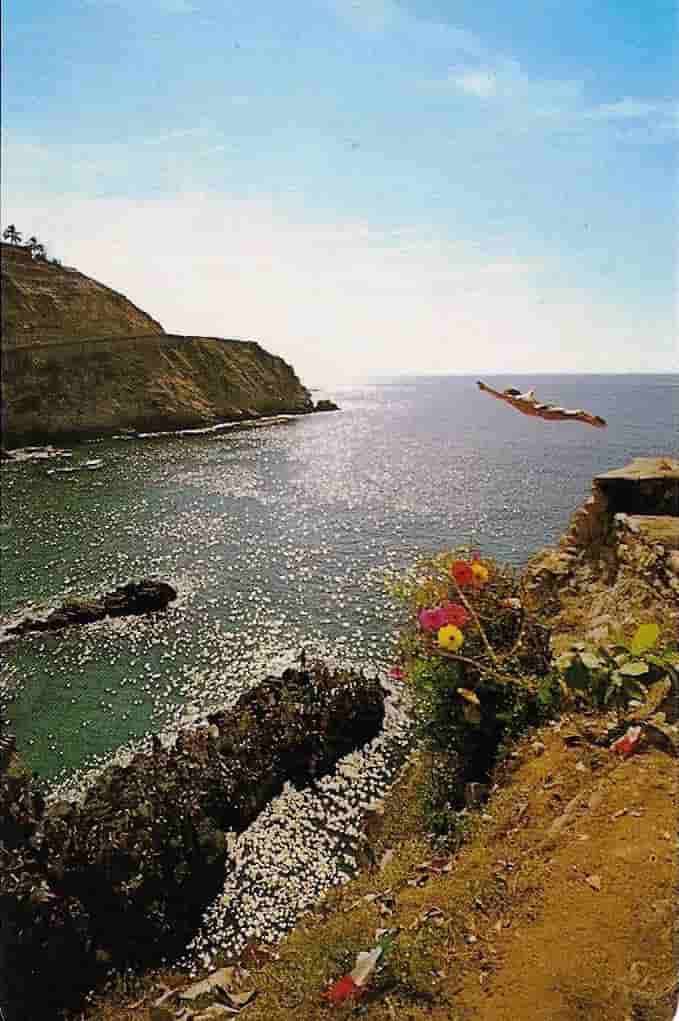
La Quebrada Cliff Divers
Adrenaline-pumping attraction where expert divers leap from towering cliffs into the crashing waves below.
Zócalo Main Square
Historic square surrounded by shops, cafes, and cultural sites.
Zocalo Square
Historic main square surrounded by shops, cafes, and cultural landmarks.
Zocalo Acapulco
Main square with historic cathedral and local events
Acapulco Beach
Iconic stretch of golden sand and turquoise waters, perfect for swimming, sunbathing, and water sports.
Fort of San Diego
Iconic 17th-century fortress with impressive stone walls and bastions, now housing a museum showcasing Acapulco's history.
Zocalo Main Square
Central plaza surrounded by shops, cafes, and the cathedral.
Acapulco Cathedral
Impressive 17th-century cathedral with beautiful architecture
🏘️ Neighborhoods
Zócalo / Old Acapulco
The historic heart of the city, home to the cathedral, Fort of San Diego, and traditional markets. Offers authentic charm and lower prices.
Golden Zone (Zona Dorada)
The bustling tourist center along Costera Miguel Alemán. Packed with hotels, restaurants, shops, and nightlife, directly accessing beaches like Condesa.
Acapulco Diamante
The modern, upscale southern district featuring luxury resorts, golf courses, pristine beaches like Revolcadero, and high-end shopping malls.
Costera Miguel Alemán
Not a traditional neighborhood but the main oceanfront boulevard connecting areas. Lined with attractions, hotels, and services, it's the city's central artery.
Las Brisas
A picturesque hillside area known for its iconic pink-and-white casitas and stunning panoramic views of the bay. Offers a quieter, more exclusive atmosphere.
Caleta & Caletilla Beaches
A family-friendly area with calm, sheltered waters perfect for swimming. Home to the old-fashioned water taxis to Roqueta Island.
🍽️ Local Cuisine
Acapulco's cuisine is a fresh, flavorful celebration of the sea. Must-try dishes include ceviche, prepared with lime-marinated fish or shrimp, and pescado a la talla, a whole grilled fish slathered in spicy adobo or savory mojo de ajo. For a truly local experience, seek out pozole, a hearty hominy and pork stew traditionally enjoyed on Thursday nights. Dining ranges from casual beachfront palapas (thatched-roof restaurants) serving the day's catch to upscale international restaurants in the Diamante zone. The Zócalo area offers authentic, budget-friendly eateries. Expect to pay around $5-10 for a simple meal at a local fonda, $15-25 at a mid-range restaurant, and $30+ for fine dining. Etiquette is generally relaxed; a 10-15% tip is customary for good service. Don't miss trying a coco loco (a drink in a coconut) or a michelada on the beach.
💡 Local Tips
🚗 Day Trip Ideas
Isla La Roqueta
A small, forested island with hiking trails, a lighthouse, a zoo, and calm beaches. Perfect for snorkeling and relaxation.
Puerto Marqués
A tranquil, horseshoe-shaped bay south of Diamante with calm waters, ideal for families and water sports like kayaking.
Pie de la Cuesta
Famous for its dramatic sunsets over the Pacific, this rustic beach area north of the bay has powerful waves and lagoon boat tours.
Taxco
A stunning UNESCO-listed colonial "Silver City" built on a mountainside. Renowned for its silver shops and Santa Prisca church.
Laguna de Tres Palos
A large lagoon offering boat tours through mangroves to see diverse birdlife and local wildlife in a serene setting.
🛡️ Safety Tips
Exercise increased caution in Acapulco. Stick to well-lit tourist areas like the Costera, Golden Zone, and Diamante, especially at night. Avoid displaying expensive jewelry or electronics. Use official taxi services from hotel ranks or ride-sharing apps instead of hailing cabs on the street. Be wary of common scams like overcharging for tours or taxis. Do not travel to remote areas or non-tourist neighborhoods. Keep valuables in a hotel safe and only carry necessary cash. Drink bottled water. Emergency numbers are 911 for general emergencies and 066 for police. For health, ensure routine vaccinations are up to date and consider Hepatitis A and Typhoid vaccines.
💰 Budget Guide
A daily budget in Acapulco can vary widely. Budget travelers can manage on $40-60 USD per day by staying in hostels or budget hotels ($25-40), eating at local markets and fondas ($10-15), using colectivos ($2-5), and enjoying free beaches. Mid-range travelers should budget $80-150 per day for a comfortable hotel ($60-100), meals at nicer restaurants ($25-40), occasional taxis ($15), and paid attractions like the cliff diver show ($5). A luxury experience starts at $200+ per day, covering high-end resorts ($150+), fine dining ($60+), private tours, and spa treatments. Save money by visiting in the wet season, eating away from the beachfront, using public buses, and booking tours directly with reputable operators. Many beaches and the Zócalo are free to enjoy.